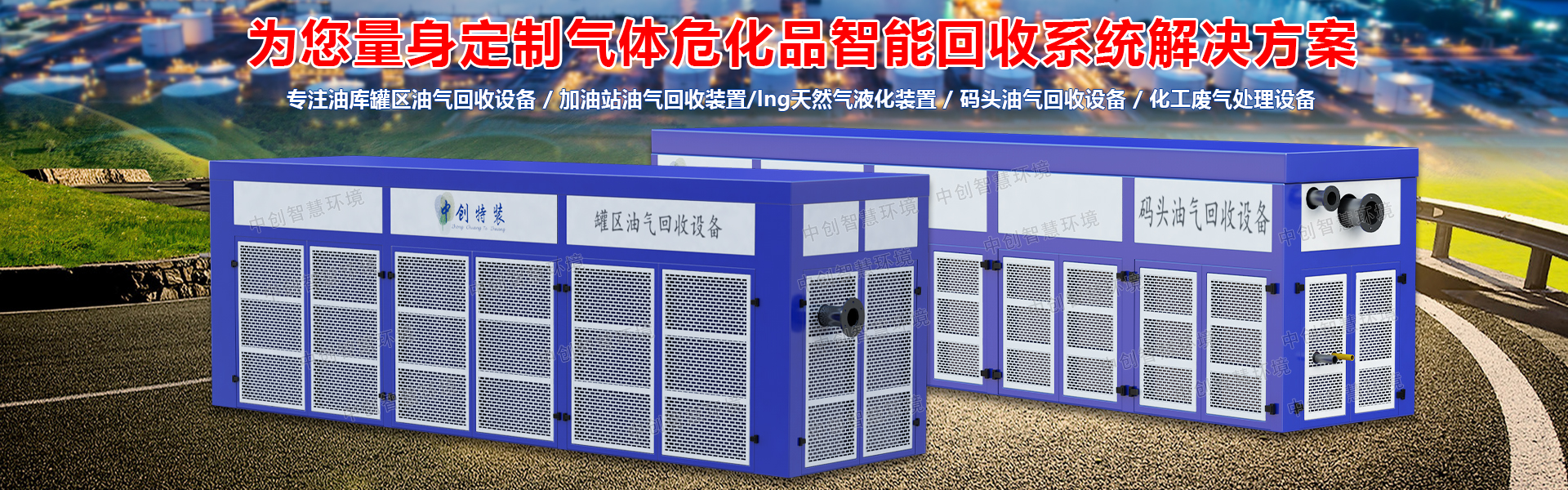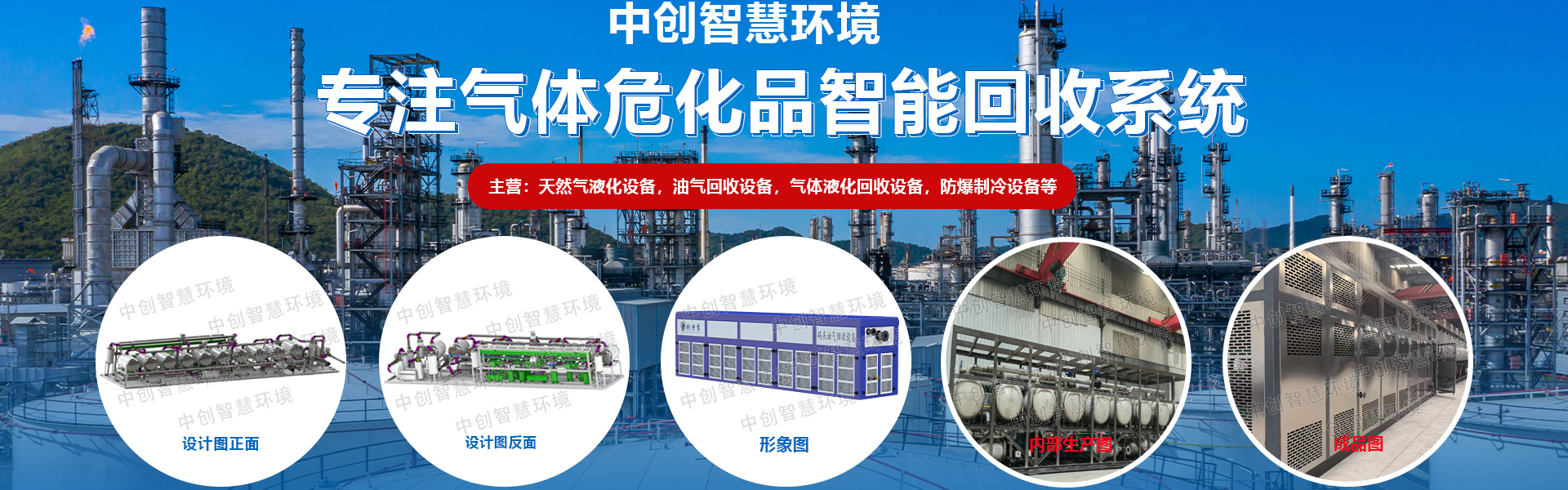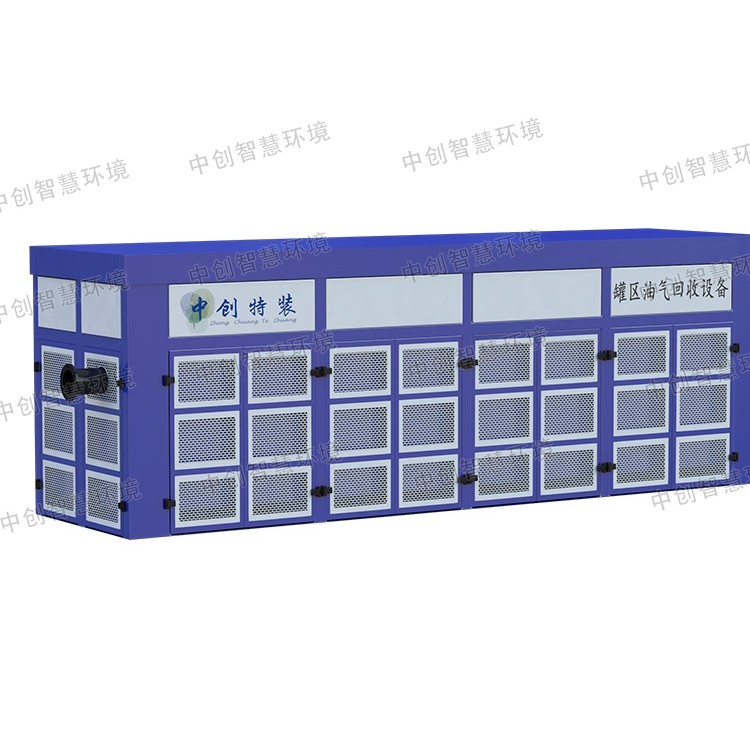
Fuel Recovery Equipment, Fuel Recovery Systems, Oil Stora...


I. Vapor Recovery Principle
The oil vapor recovery at gas stations primarily separates and recycles vapors from the air using physical methods, followed by processing. This process is divided into several stages, including primary, secondary, and tertiary vapor recovery.
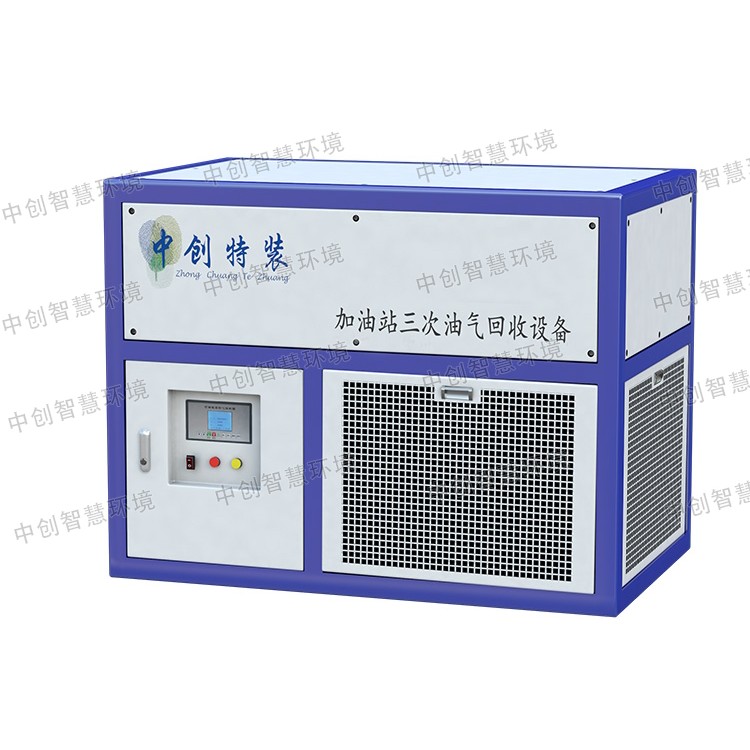
One-time Vapour Recovery: Primarily conducted during the unloading process. By using an enclosed method, the vapours generated during the unloading of gasoline from tank trucks are collected inside the truck, ensuring that the vapours are not emitted on-site but carried back to the oil storage facility for processing. The unloading pressure is utilized to force vapours from the gasoline storage tanks at the gas station into the tank truck, maintaining a constant pressure state in both the gas station and the truck's tanks. Second-time Vapour Recovery: Performed during the refueling process. Specialized vapor recovery nozzles and配套 vacuum pumps are used to capture vapours generated during refueling through vapor recovery nozzles, coaxial pipes, and return air lines, and store them in the gas station's storage tanks. The vacuum pump plays a crucial role in this process, drawing vapours back into the storage tank by creating a vacuum, thus preventing their release into the atmosphere. Third-time Vapour Recovery: For gas stations that have already undergone the second-time vapour recovery system改造. When the vapour pressure in the storage tank reaches certain conditions, the third-time vapour recovery equipment is activated. It converts the vapours in the tank into a liquid state through methods such as condensation, adsorption, absorption, or membrane separation, and then recycles them back into the collection tank or storage tank.
Section II: Equipment Composition and Working Principle
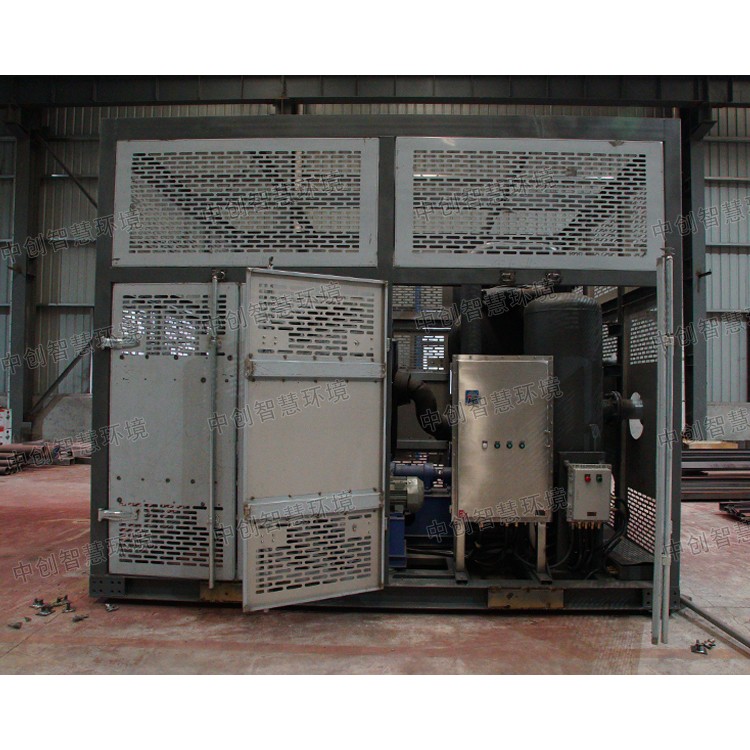
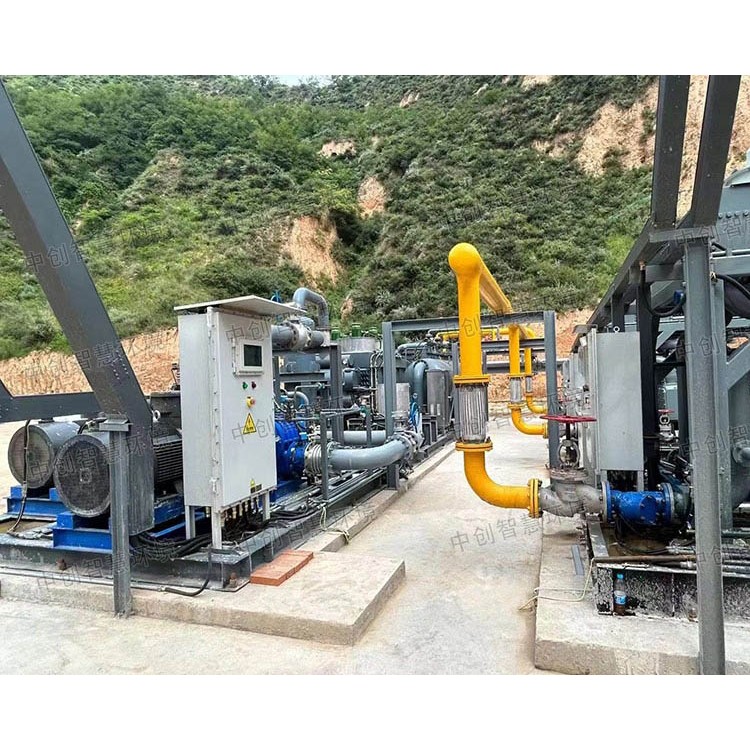
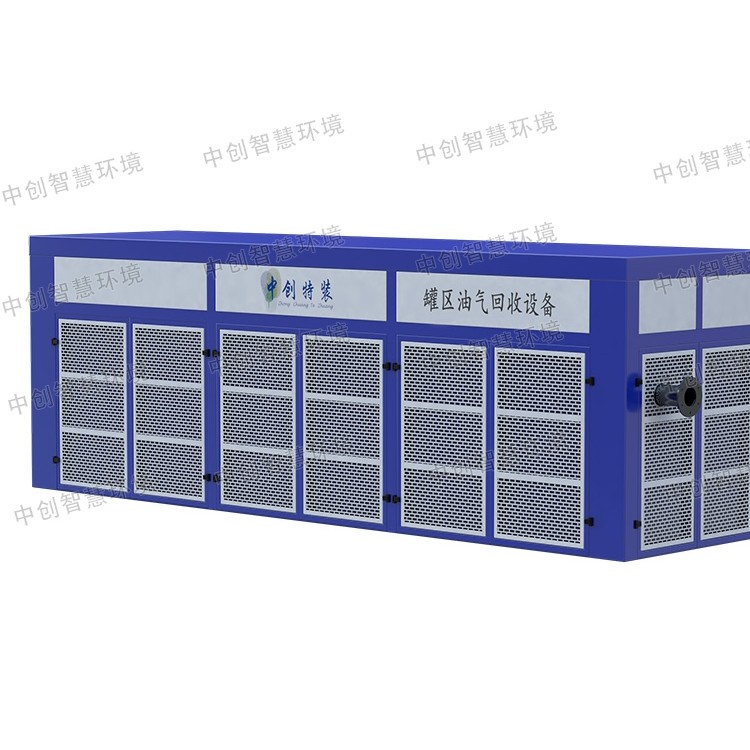
Gasoline station vapor recovery equipment typically consists of components such as the vapor collection system, vapor processing system, and control system.
Fuel Gas Collection System: Includes fuel gas recovery pumps, coaxial oil pipes, and return gas pipelines, responsible for collecting fuel gases generated during refueling or unloading. Fuel Gas Treatment System: Utilizes technologies such as condensation, adsorption, absorption, and membrane separation to process the collected fuel gases. By lowering temperature, increasing pressure, or utilizing the action of adsorbents and absorbents, the fuel gases are converted from a gaseous state to a liquid state. Control System: Monitors the operational status of the fuel gas recovery equipment, automatically starting or shutting down the equipment based on parameters such as gas pressure, to ensure an efficient and safe fuel gas recovery process.
III. Operation Process
Fuel Offloading Process: Connect the fuel and vapor recovery hoses, open the relevant valves, and use the offloading pressure to collect vapors into the fuel tank vehicle. Fueling Process: Use the vapor recovery pump to refuel the car's fuel tank, while simultaneously turning on the vacuum pump, which collects the vapors generated in the tank through the return pipe to the storage tank. Three Times Vapor Recovery: Once the vapor pressure in the storage tank reaches the set value, the three-time vapor recovery system automatically activates, processes the vapors, and recycles them into the collection or storage tank.
Section 4: Usage and Maintenance


b2b.china9.net © Zhongshang 114 Hebei Network Technology Co., Ltd.Address: Room 6009, Oriental New World Center, No.118 East Zhongshan Road, Qiaoxi District, Shijiazhuang City, Hebei ProvincePlatform Service Hotline: 4006299930