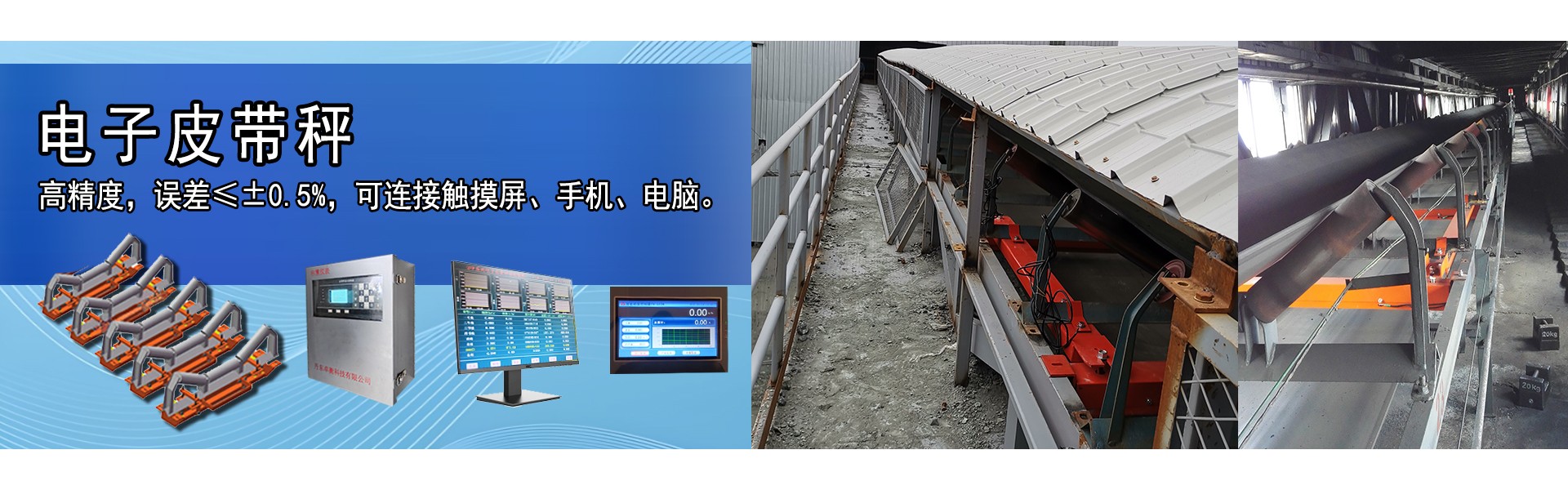
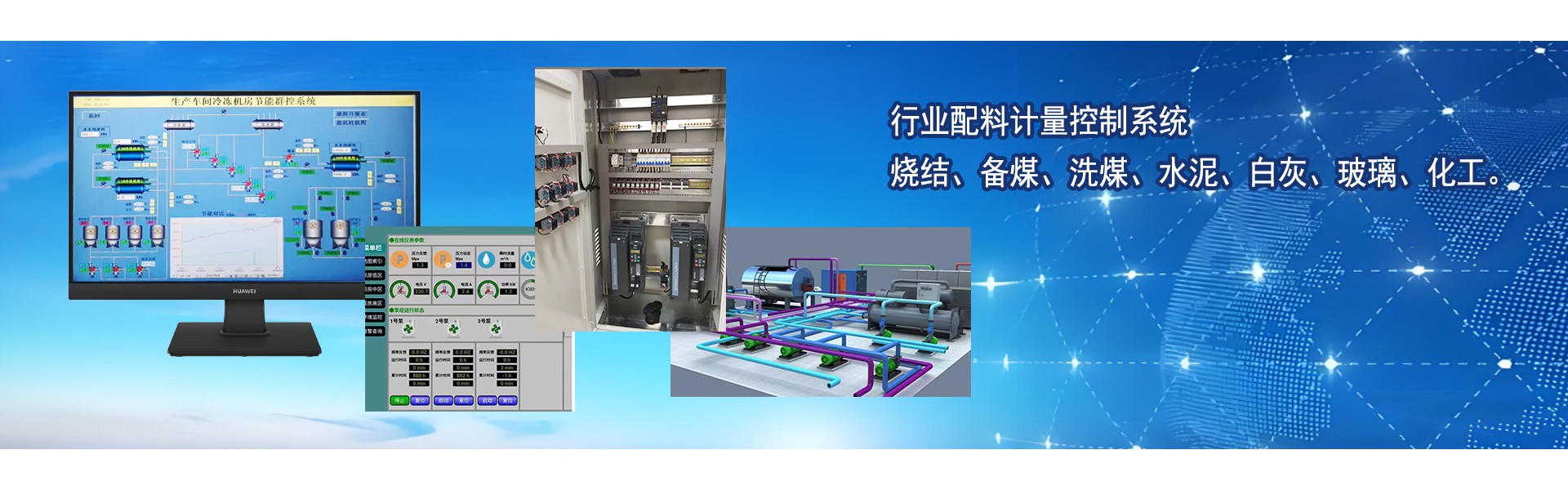
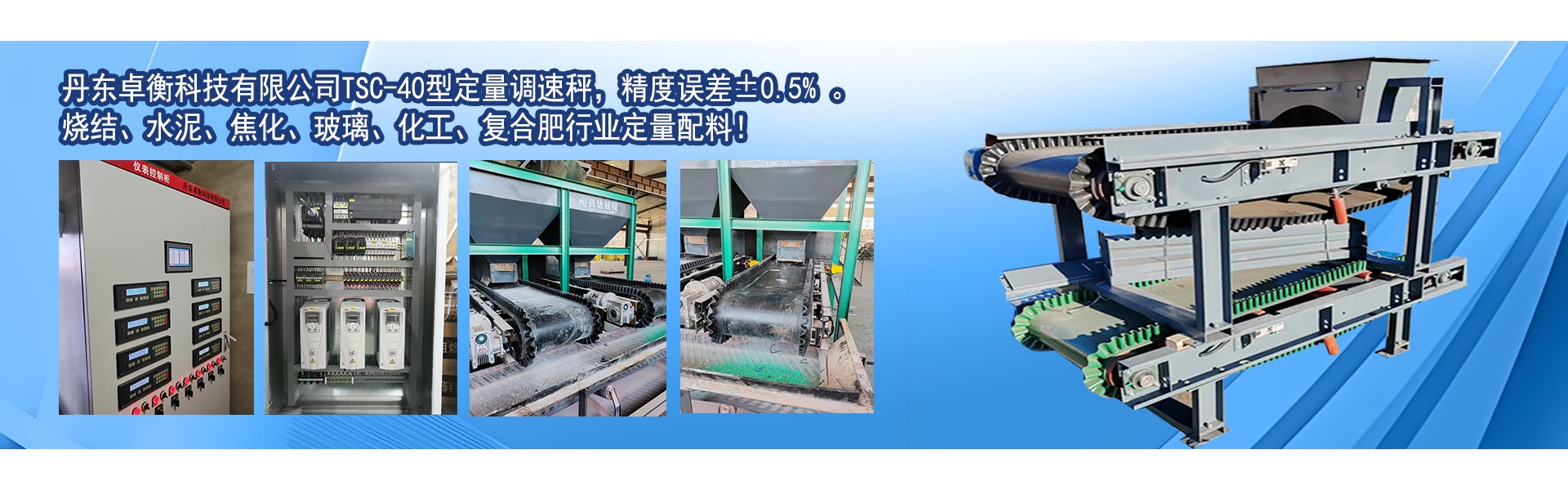
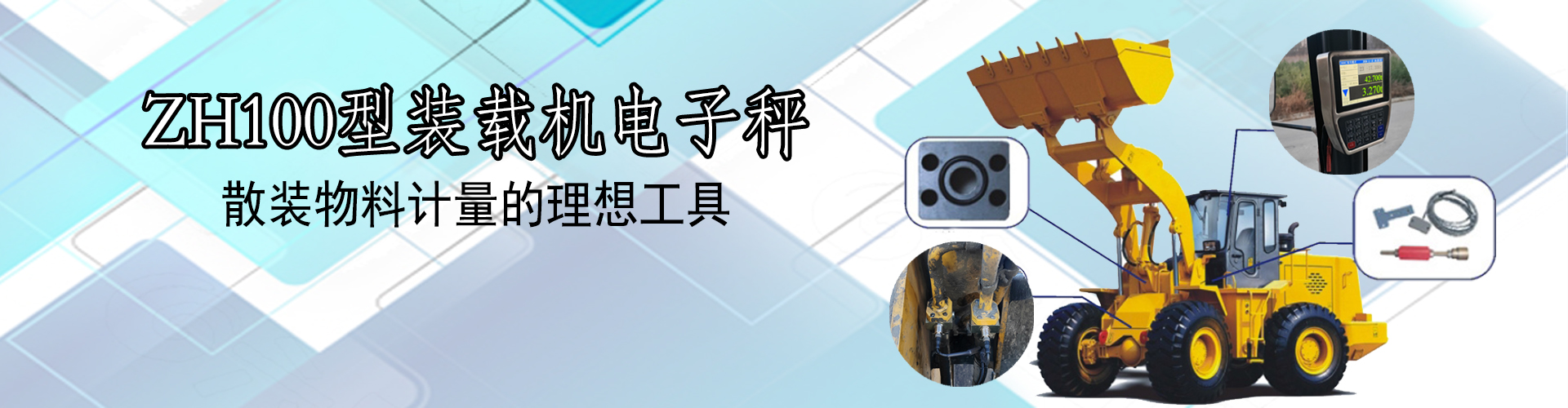
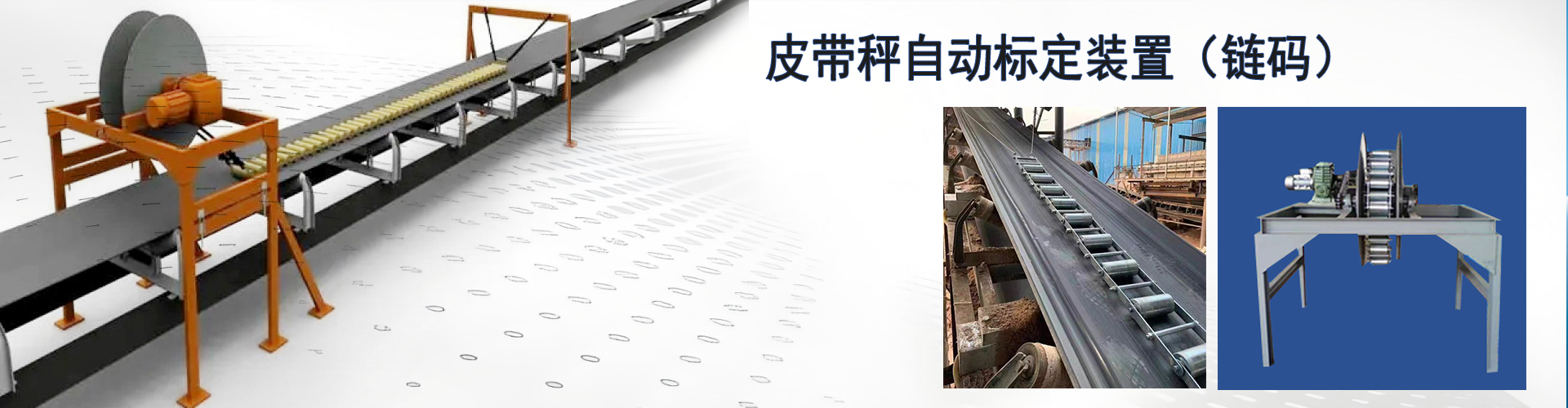
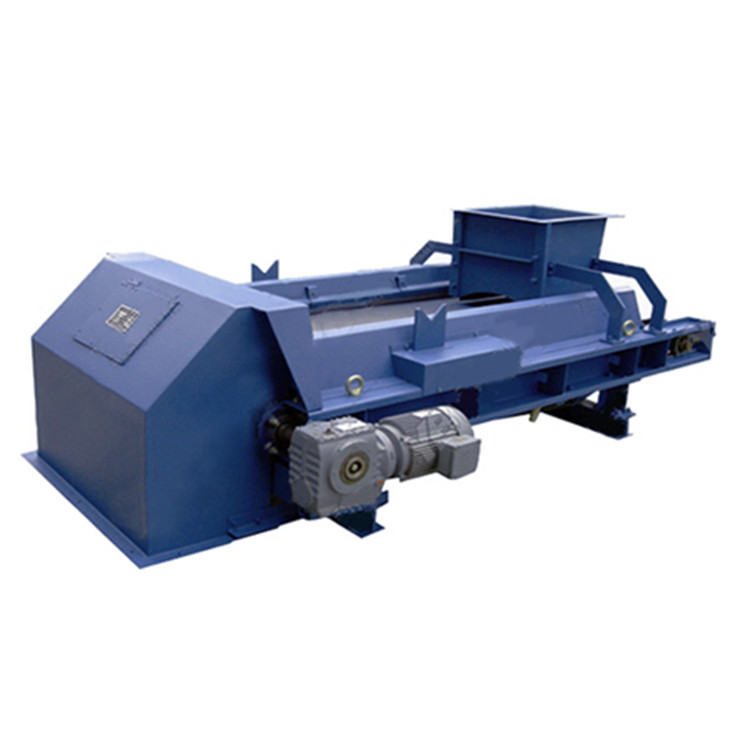
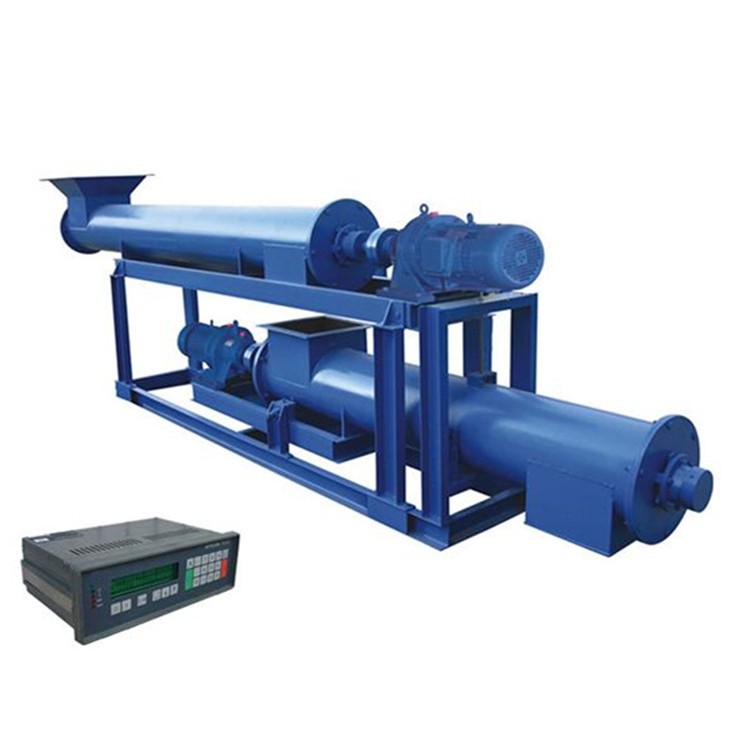
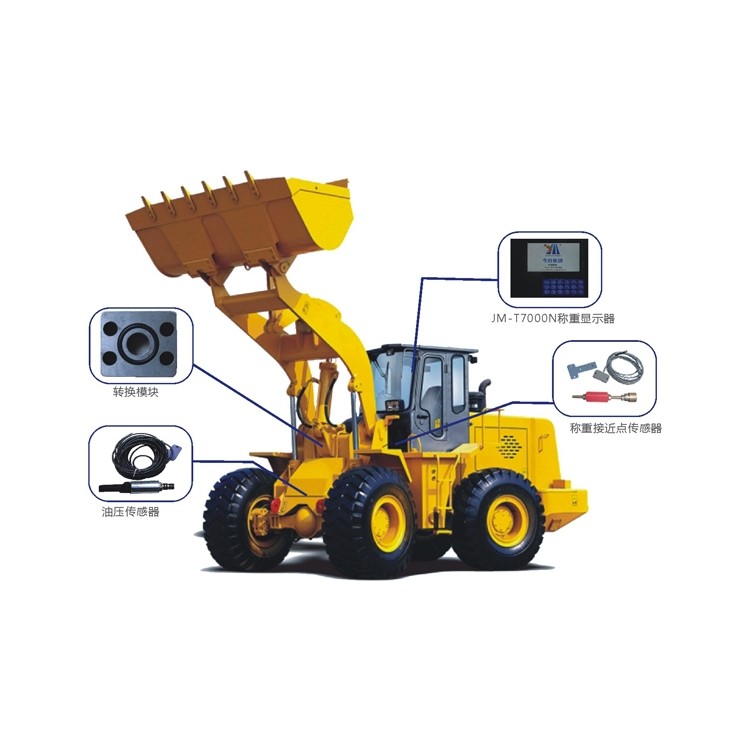
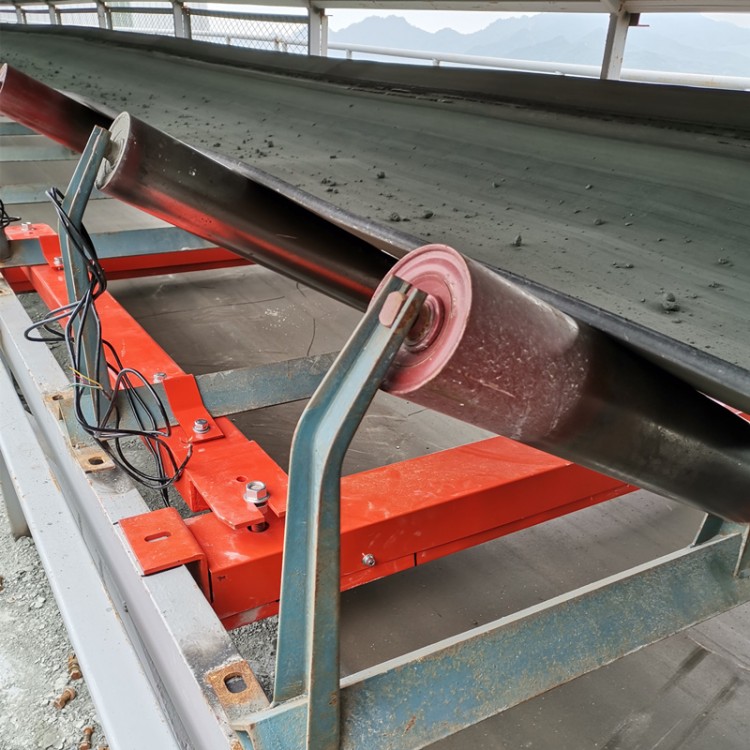
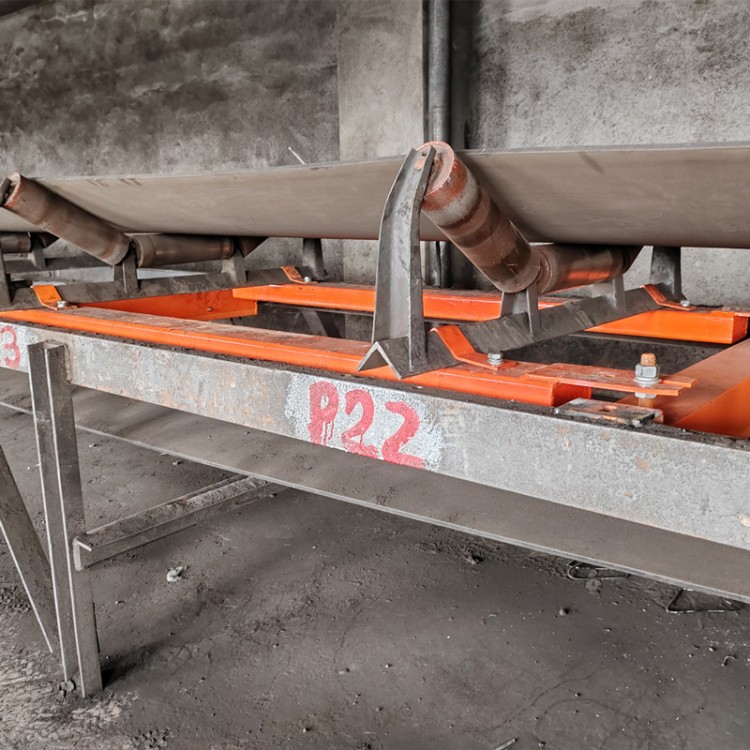
Electronic belt scales, hopper scales, packaging scales, ...

A weighing sensor is a common measuring device widely used across various industries and fields for the measurement of an object's weight or mass. However, when selecting the appropriate weighing sensor, multiple factors must be considered to ensure accurate and reliable measurement results. This article will unveil several aspects to guide you in choosing the right weighing sensor.
Firstly, consider the required measurement range. The weight sensor's measurement range should match the actual application needs. If the range is too broad, it may reduce the sensor's accuracy and sensitivity; conversely, if the range is too narrow, it may not meet the actual measurement requirements. Therefore, during the selection process, be sure to thoroughly consider the specific weight range of the object being measured.
Next, consider the sensor's accuracy and resolution. Sensor accuracy refers to the error between the sensor's output value and the actual value, while resolution is the minimum weight change detectable. Generally, the higher the accuracy, the larger the resolution, leading to more accurate measurements. Therefore, when selecting, opt for load cells with high accuracy and appropriate resolution.
Additionally, special requirements of the work environment must be considered. For instance, if the environment has high temperatures, humidity, or corrosive gases, sensors with excellent tolerance performance should be selected. At the same time, the sealing grade of the sensors must also meet the requirements of the work environment.
Furthermore, the cost and reliability of sensors must be considered. Sensor cost is a non-negotiable factor in the selection process and should be chosen based on the actual budget. At the same time, sensor reliability is crucial; products with stability and long lifespan should be selected to ensure long-term reliable measurement results.
In summary, when selecting a weighing sensor, factors such as measurement range, accuracy and resolution, environmental requirements, cost, and reliability should be considered. By comprehensively evaluating these key factors, choosing a weighing sensor that meets the application needs can ensure accurate and reliable measurement results.


b2b.china9.net © Zhongshang 114 Hebei Network Technology Co., Ltd.Address: Room 6009, Oriental New World Center, No.118 East Zhongshan Road, Qiaoxi District, Shijiazhuang City, Hebei ProvincePlatform Service Hotline: 4006299930