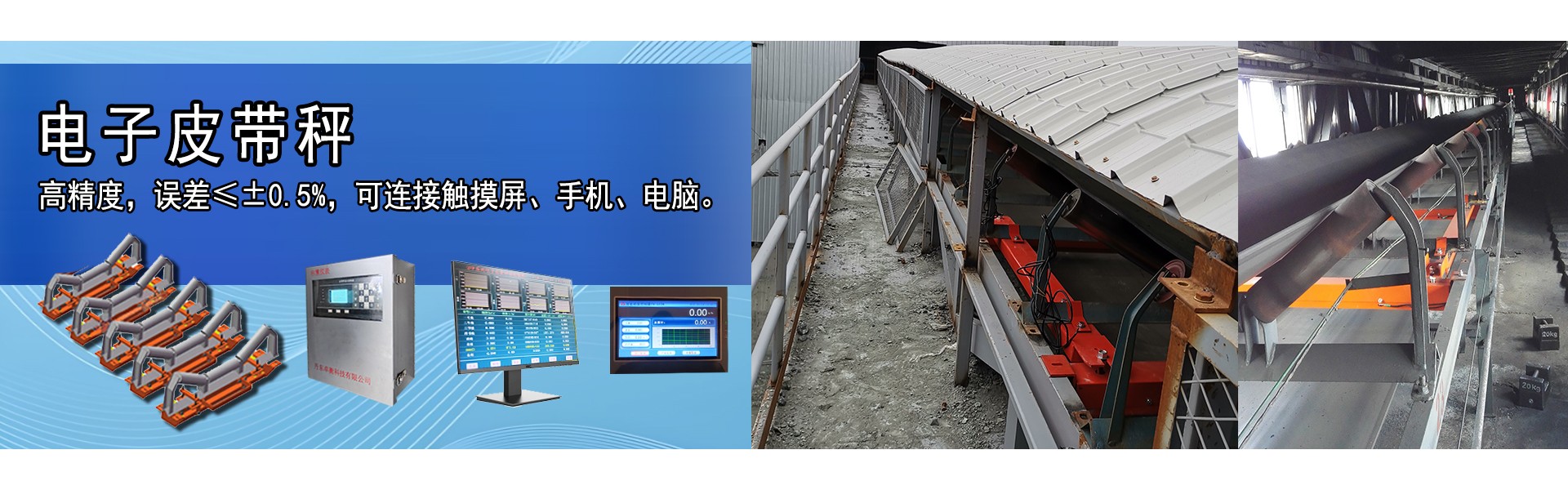
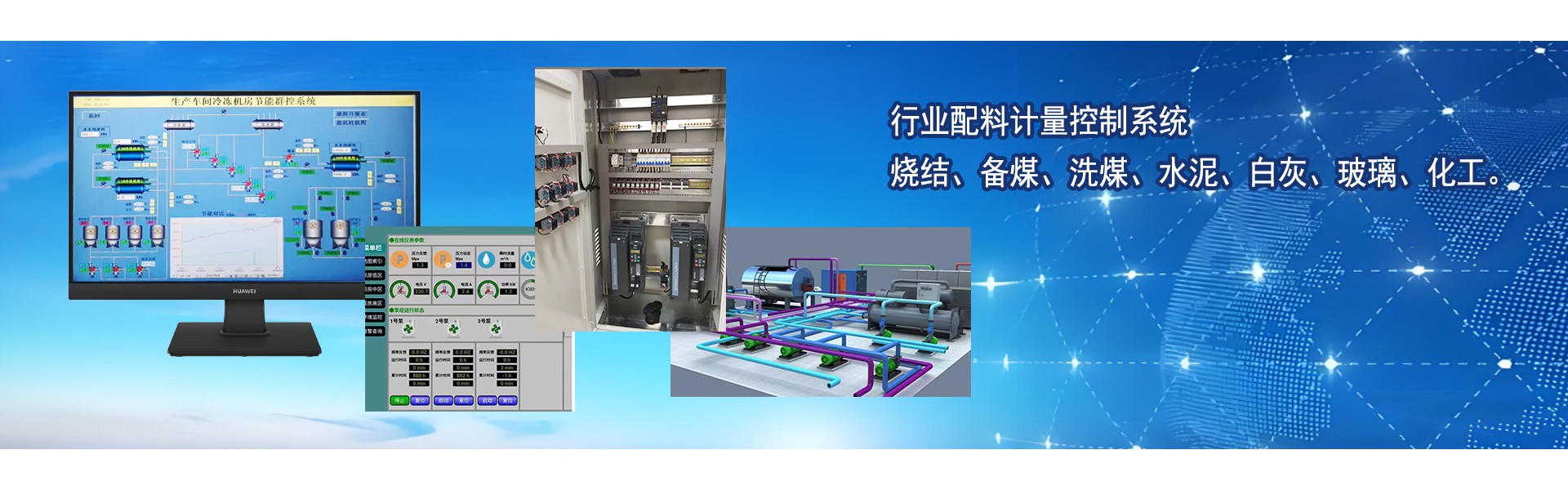
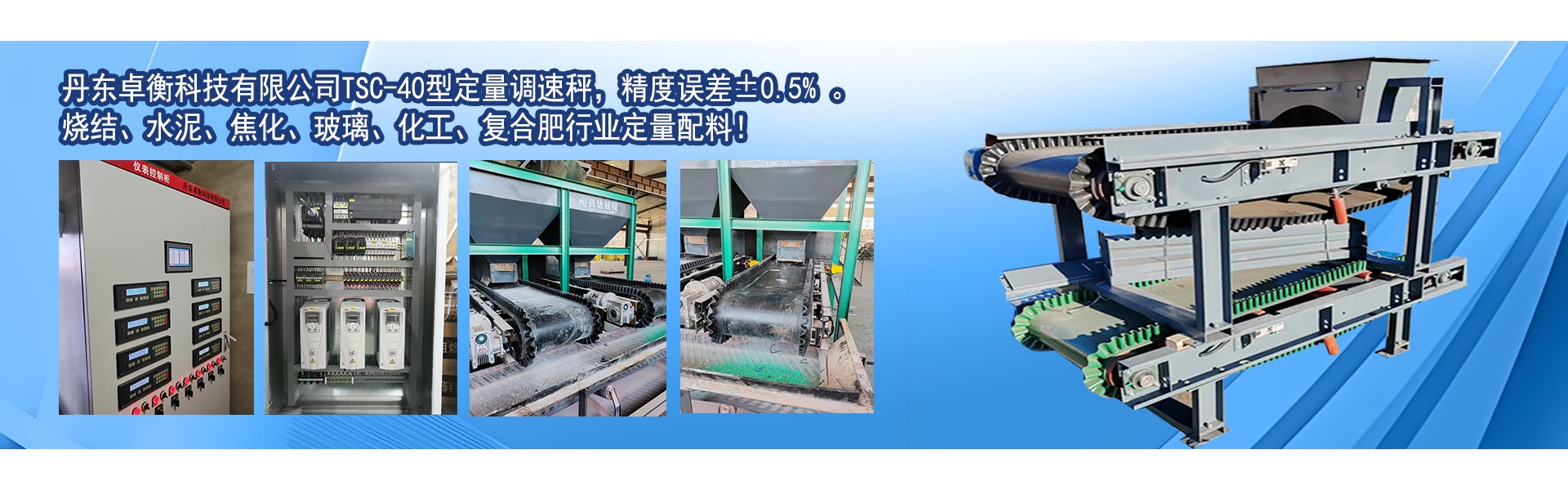
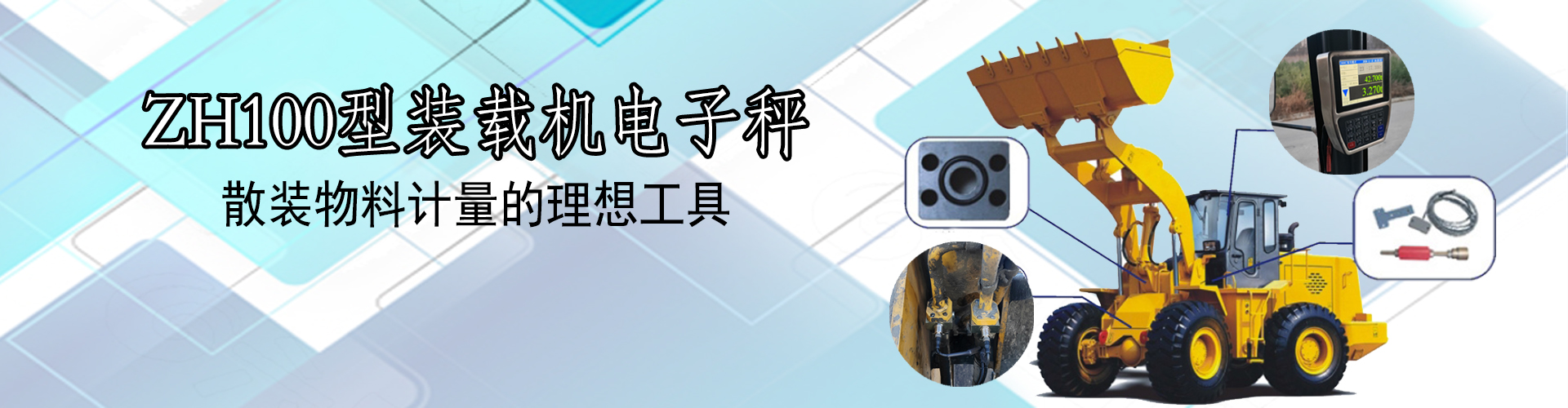
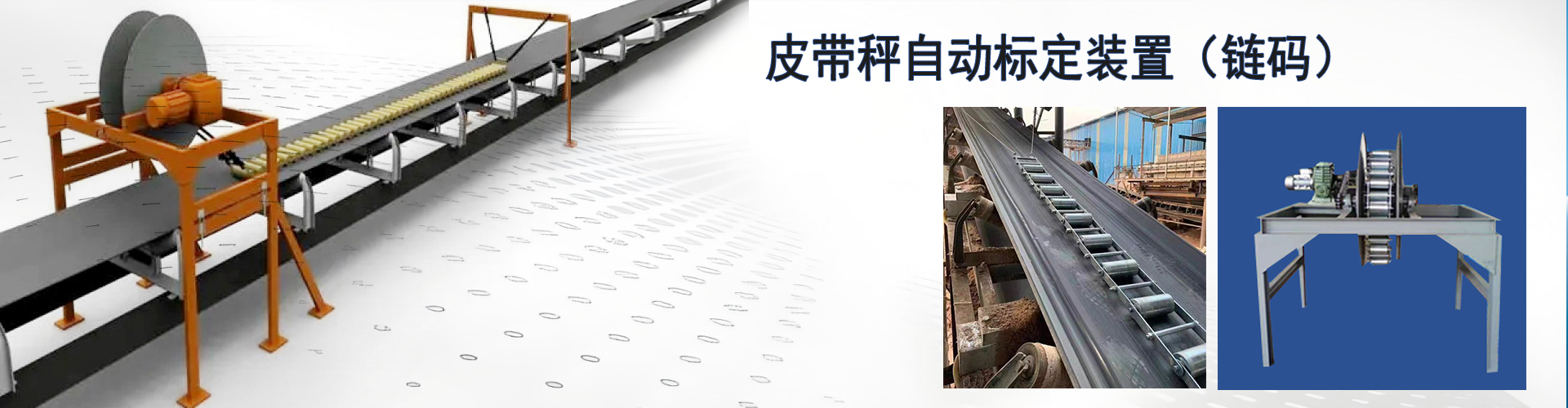
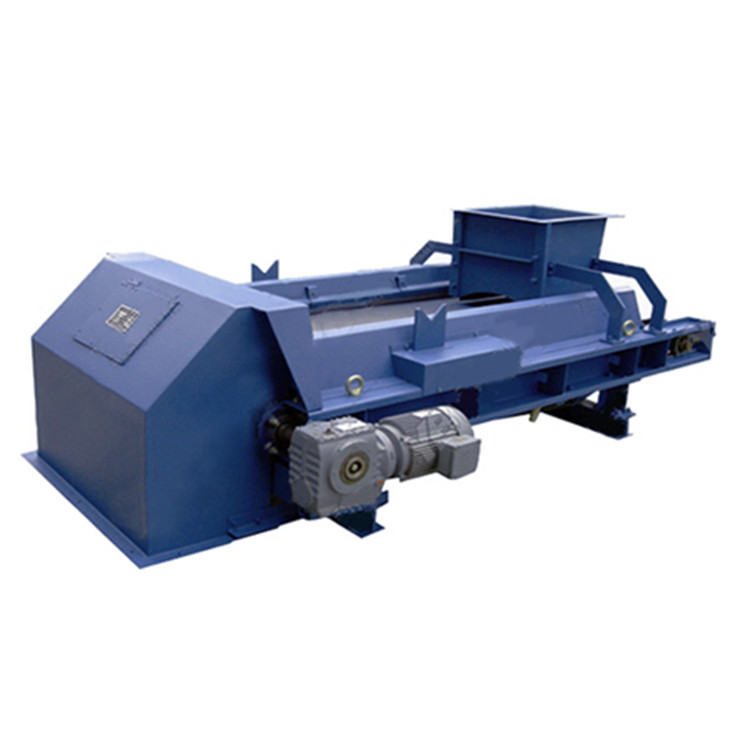
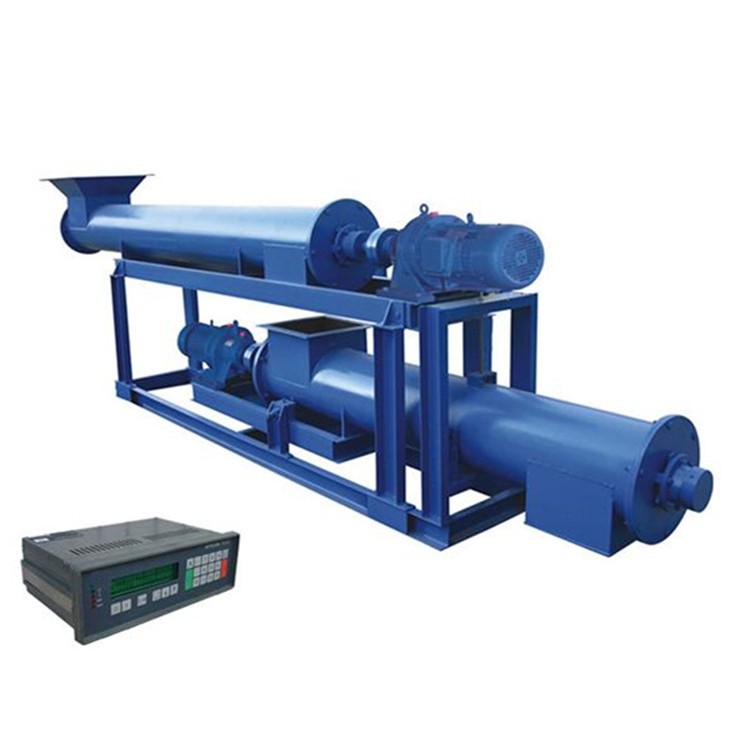
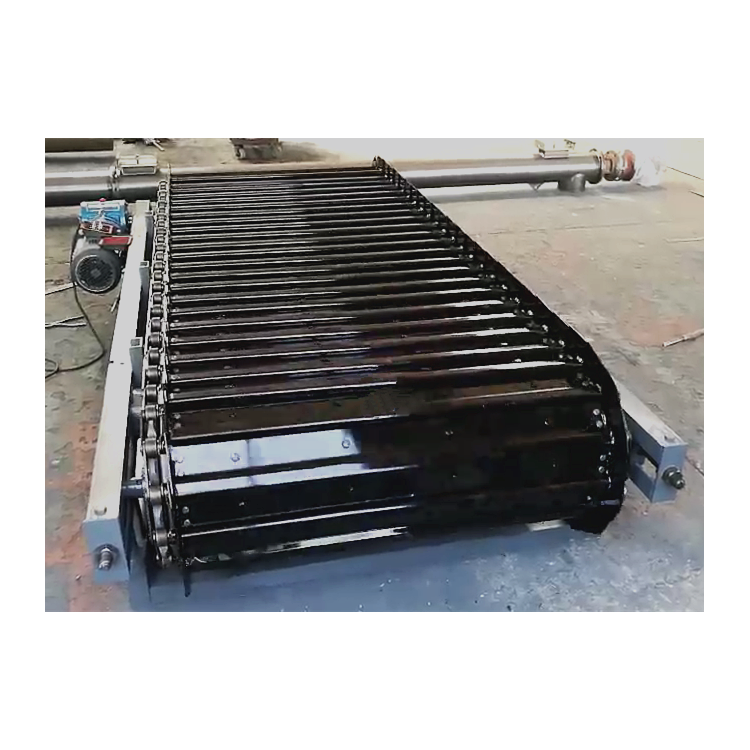
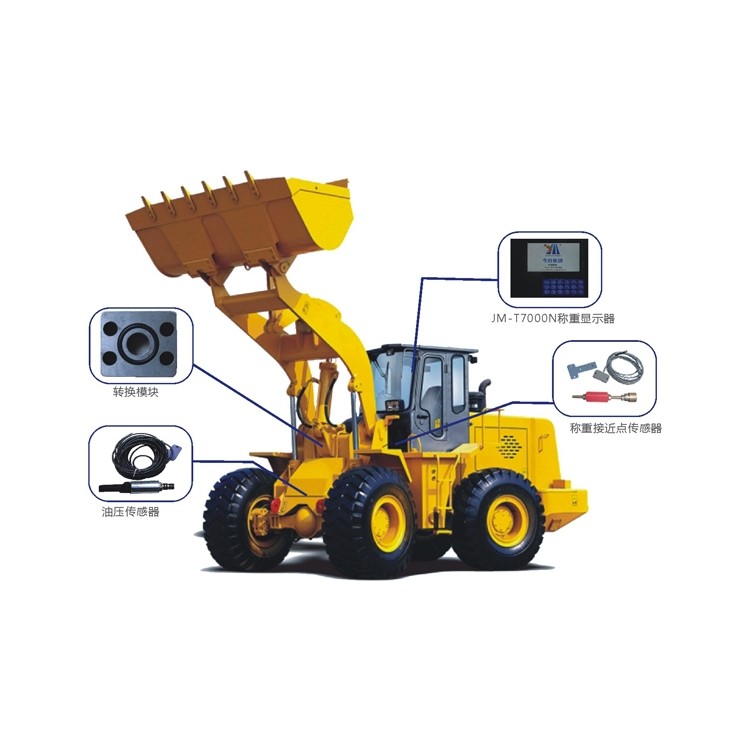
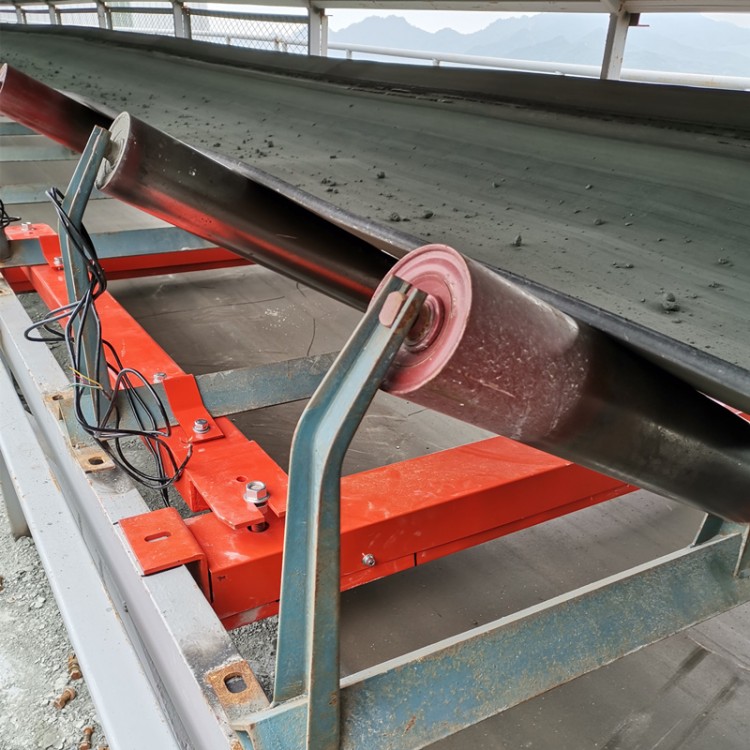
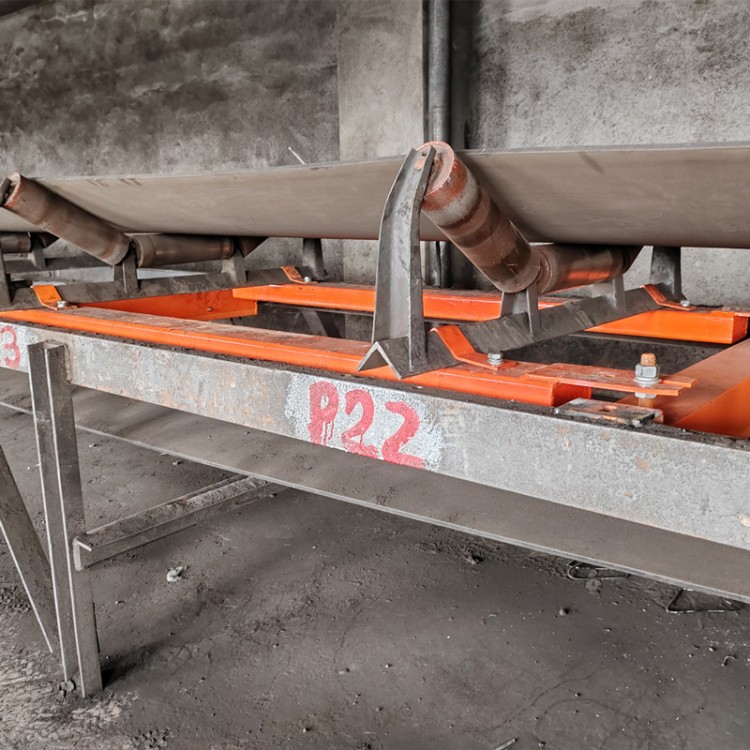
Electronic belt scales, hopper scales, packaging scales, ...

Three-phase four-wire belt scale main power supply
In low-voltage distribution networks, transmission lines typically use a three-phase four-wire system, where three lines represent the A, B, and C phases without branching, and the fourth is the neutral line N (distinguished from the neutral wire, as in single-phase transmission lines entering users, there are two lines; one we call the hot line, and the other we call the neutral wire. The neutral wire normally carries current to complete the circuit of the single-phase line's current. In a three-phase system, the three phases form their own circuit, and the neutral line is typically current-free). Hence, it's called a three-phase four-wire system. In 380V low-voltage distribution networks, the N line is set up to obtain 220V line-to-line voltage from the 380V phase-to-phase voltage. It can also be used for zero-sequence current detection in some cases, to monitor the balance of three-phase power supply.In belt scale batching systems, inverters are commonly used. The secondary harmonics produced by the inverter's output often significantly affect the signal from the weighing sensor and the speed sensor. Without a proper grounding line, this interference is often difficult to eliminate, making it impractical to use a three-phase four-wire system in the electronic belt scale automated control system.
Repeating Grounding
Whether it's the N-line or PE-line, repetitive grounding must be employed at the user's side to enhance reliability. However, repetitive grounding is just that—repetitive grounding. It can only be connected together at the grounding point or near the grounding location, but by no means indicates that it can be connected together at any arbitrary location, especially indoors. This must be kept in mind, and also pay attention to whether your friends are violating this rule!!!
A, B, C, N, and PE Lines
Standard and regulated wire colors are used in the application: Line A in yellow, Line B in blue, Line C in red, Line N in brown/blue, and PE line in yellow-green.
The three-phase five-wire system refers to the A, B, C, N, and PE lines, with the PE line being the protective earth line, also known as the safety line, which is specifically used to ensure electrical safety by connecting to items like equipment enclosures. The PE line is connected to the N line at the power transformer side, but it must never be used as a neutral line once it enters the consumer side; otherwise, it would be indistinguishable from the three-phase four-wire system. However, due to this confusion, it can easily lead to a lack of vigilance and may result in more frequent electric shock accidents in practice. Now, residential power supply for civilian use is required to use the three-phase five-wire system. If yours does not, you can demand a correction. For safety, make this demand without hesitation!
Three-phase five-wire belt scale main power supply
The three-phase five-wire system includes the three phase lines (A, B, C), the neutral line (N), and the earth line (PE).
The neutral line (N line) is the same as the neutral wire. When the three-phase load is balanced, the vector sum of the currents flowing into the neutral line in the three-phase circuit is zero, but for a single phase, the current is not zero. When the three-phase load is unbalanced, the vector sum of the neutral line currents is not zero, which can generate ground voltage.
The three-phase five-wire system is divided into TT grounding and TN grounding methods, with TN further categorized into TN-S, TN-C, and TN-C-S configurations.
TT Grounding Method:
The letter T representsPower SupplyNeutral point grounding; the second 'T' refers to grounding the equipment's metal housing. This method is commonly used in high-voltage systems but is not advisable when there are large-capacity appliances in low-voltage systems.
TN-S earthing method:
The letter "S" denotes the separation of N from PE, with the equipment's metal casing connected to PE and the equipment's neutral point connected to N.
The advantages are that there is no current in the PE, thus the equipment's metal shell has a zero potential relative to the ground. Mainly used for data processing, precise detection, and power supply systems for high-rise buildings.
TN-C Earthing System
The letter "C" signifies the merger of N and PE into PEN, which is essentially a four-wire power supply system. The neutral point of the equipment and the metal housing are both connected to N. Since the N line normally carries unbalanced three-phase currents and harmonic currents, the metal housing of the equipment typically has a voltage relative to ground, commonly used in general power supply locations.
TN-C-S earthing method:
A portion of the N and PE are separated, utilizing a 4.5-line power supply method. This is applicable to locations with poor environmental conditions.
Once N and PE are separated, they are not allowed to merge again.
China stipulates that the voltage between the phase lines of civil power supply lines (i.e., line voltage) is 380V, and the voltage between the phase line and ground or neutral line (i.e., phase voltage) is both 220V.入户 lines generally adopt a single-phase two-wire system, meaning any one of the three phase lines and the neutral line (acting as the neutral wire). For high-power appliances, an individual grounding wire needs to be set up.
The standard wire colors for a three-phase five-wire system are: Line A - yellow, Line B - blue, Line C - red, N - brown, and PE - yellow-green or black.
Neutral wire, also known as "N wire," can also be blue.


b2b.china9.net © Zhongshang 114 Hebei Network Technology Co., Ltd.Address: Room 6009, Oriental New World Center, No.118 East Zhongshan Road, Qiaoxi District, Shijiazhuang City, Hebei ProvincePlatform Service Hotline: 4006299930