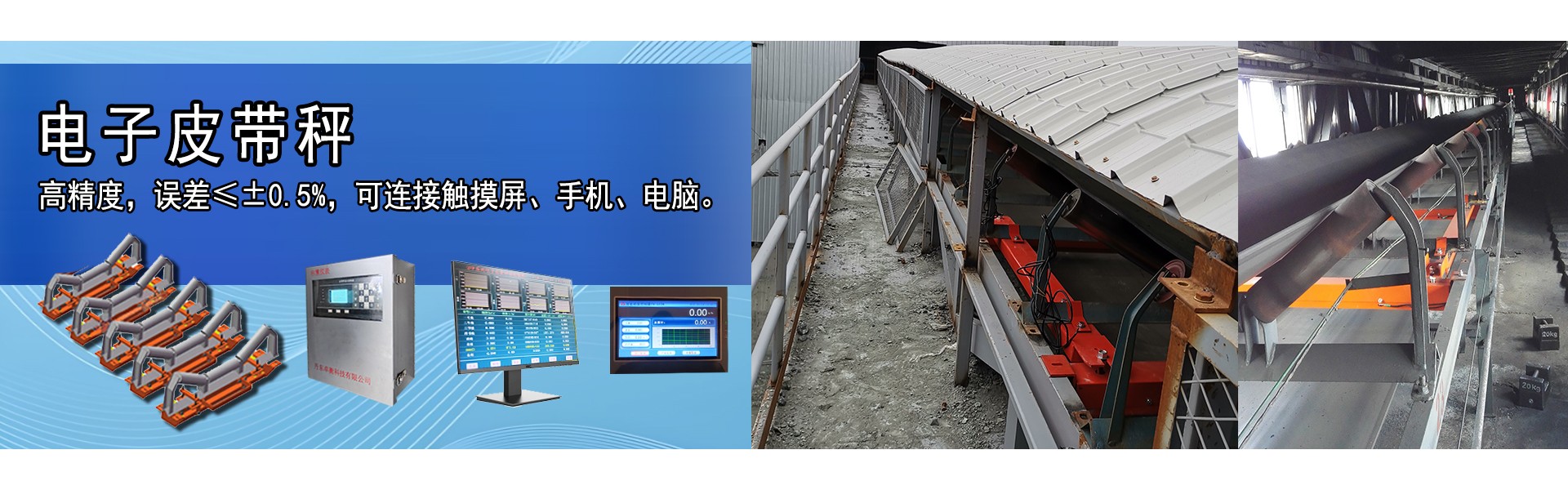
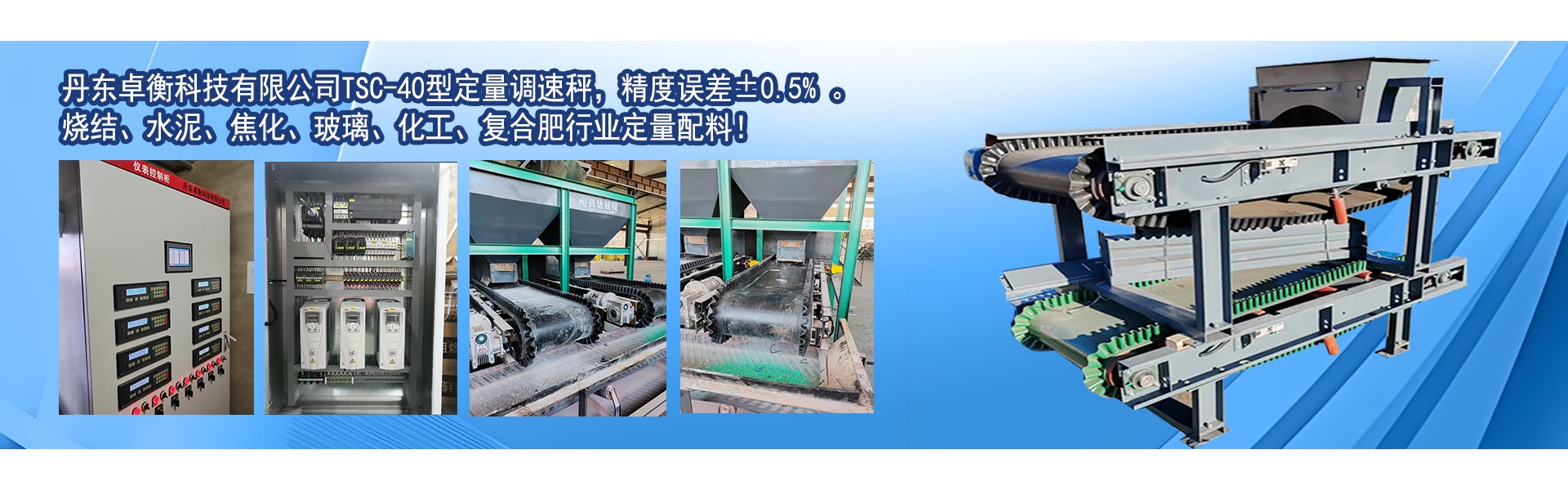
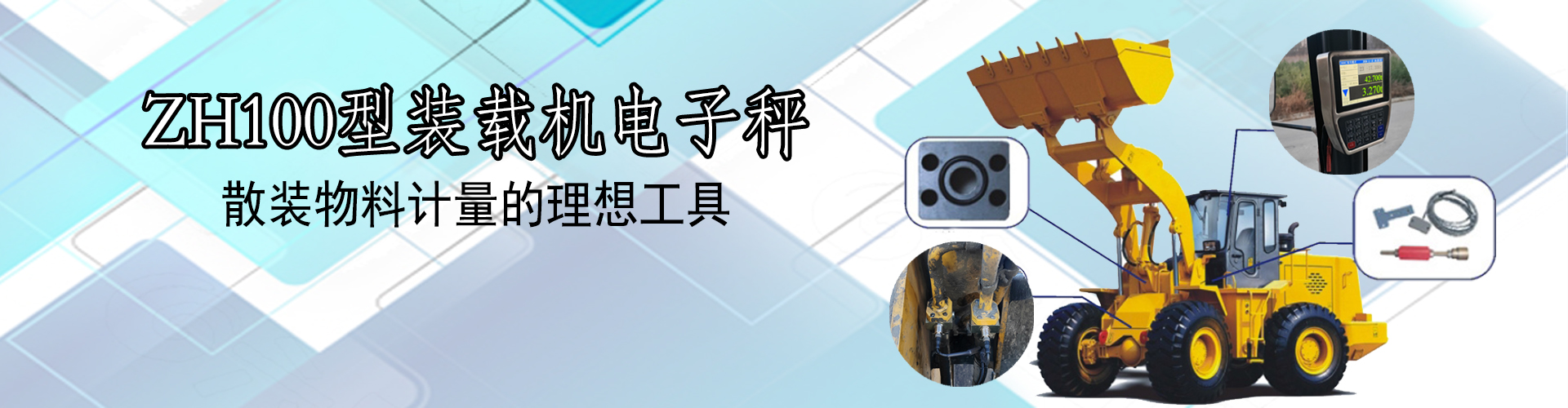
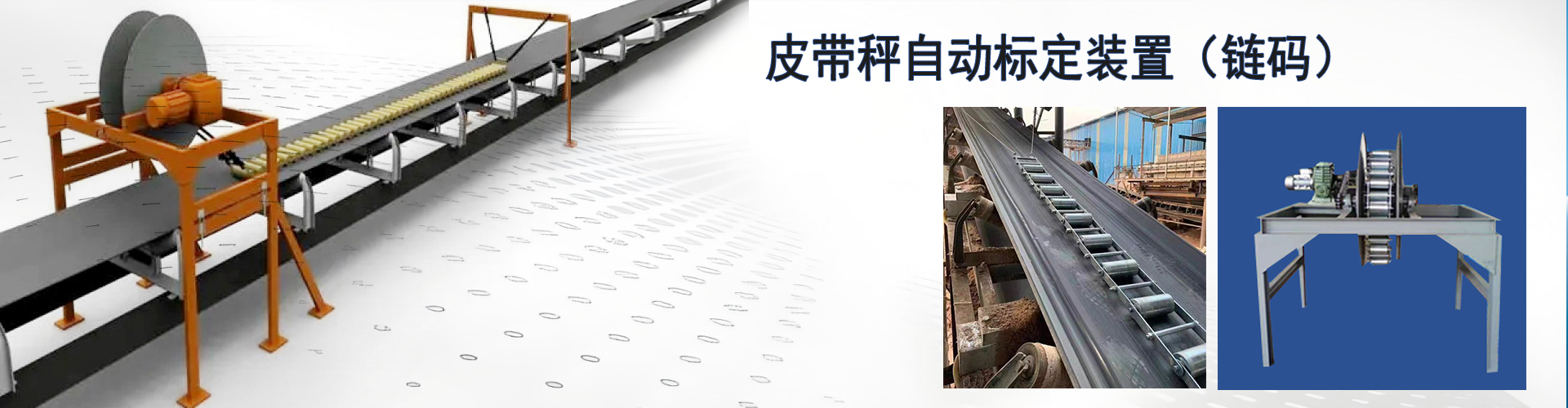
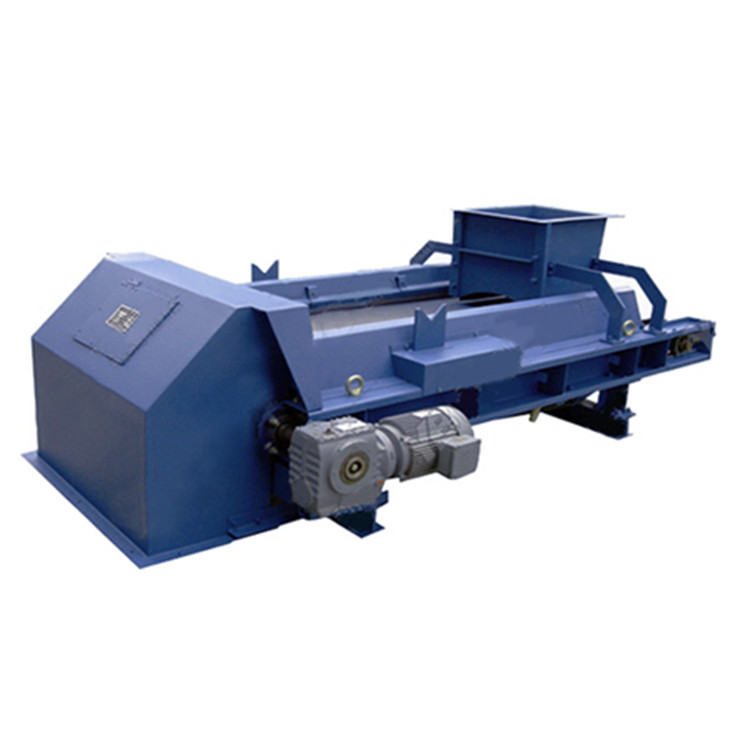
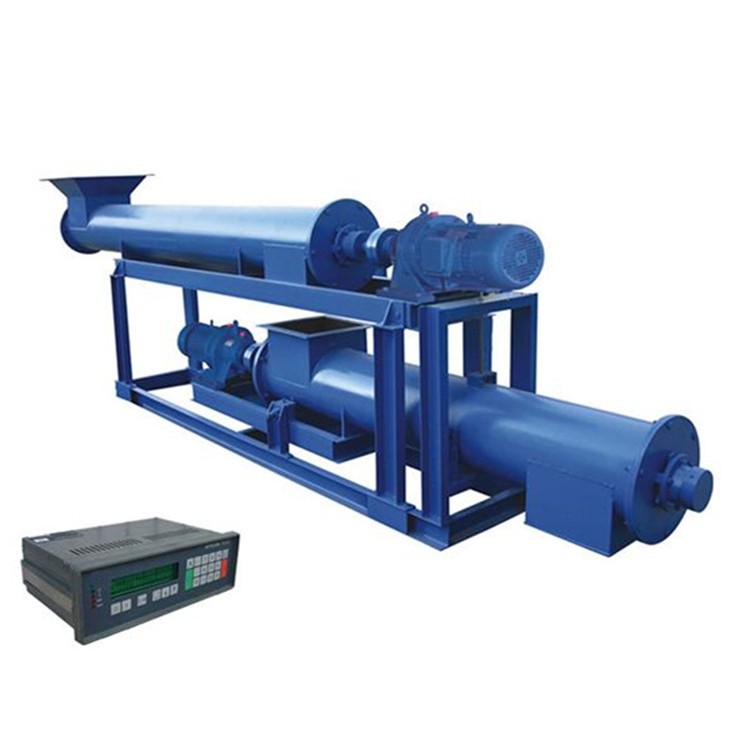
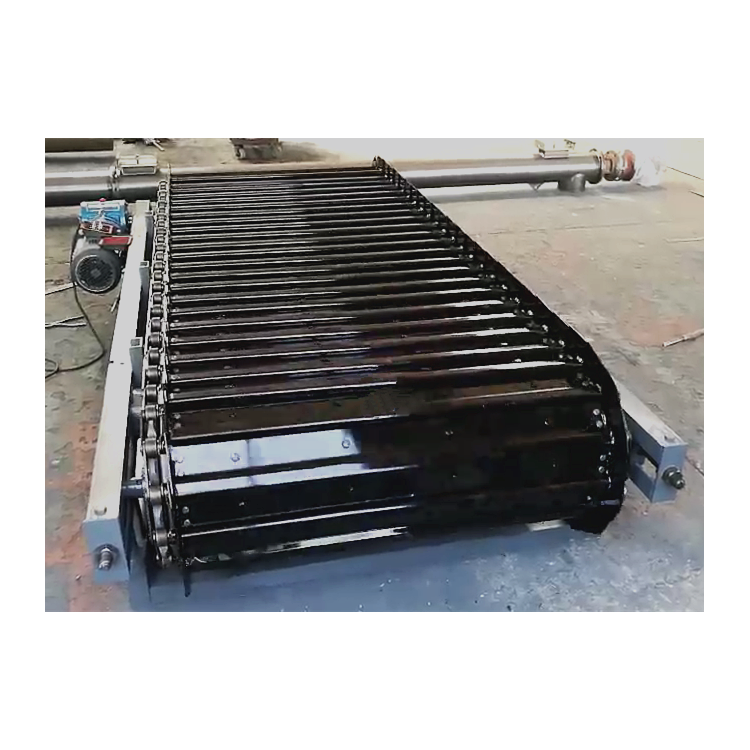
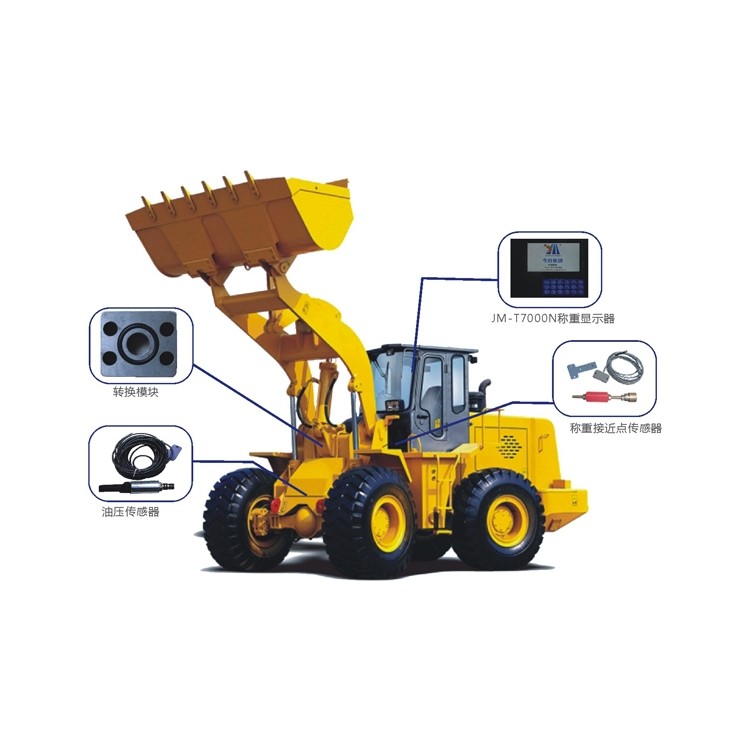
Electronic belt scales, hopper scales, packaging scales, ...

Key Technologies and Practical Methods for Improving the Precision of Sintering Material Scales
The Importance of Sintering Feed Scale Accuracy
The sintering batching scale, as a core equipment in the sintering process of the steel metallurgy industry, its weighing accuracy directly affects the quality of sinter ore and production costs. A high-precision batching system can ensure that various raw materials are mixed in precise proportions, thereby improving the physical and chemical properties of the sinter ore, reducing energy consumption, and lowering production costs. According to statistics, each 1% improvement in batching accuracy can save hundreds of thousands of yuan for the company, while also increasing the finished product rate of sinter ore by approximately 0.5% to 1.2%.
Key Factors Affecting the Precision of Sintering Material Scales
1. Mechanical structural factors
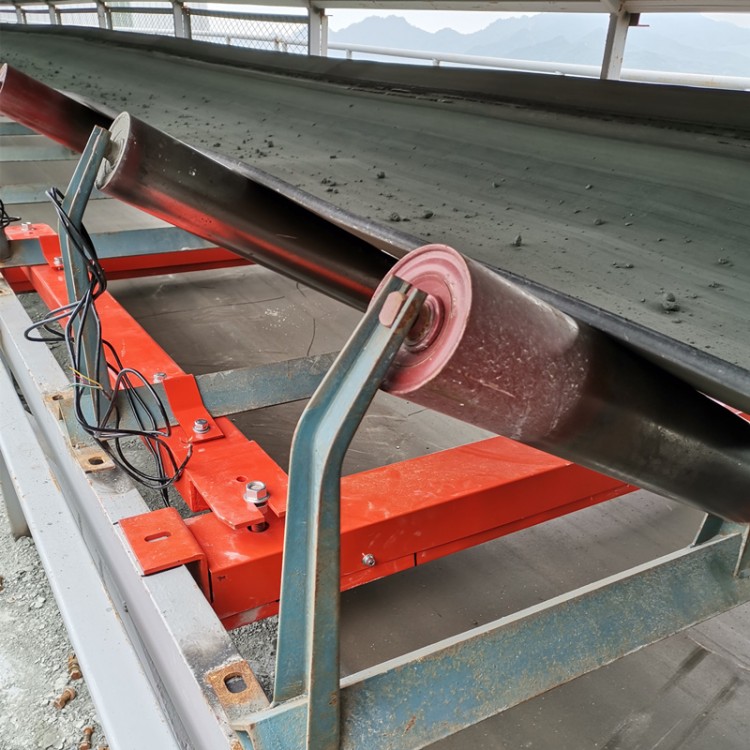
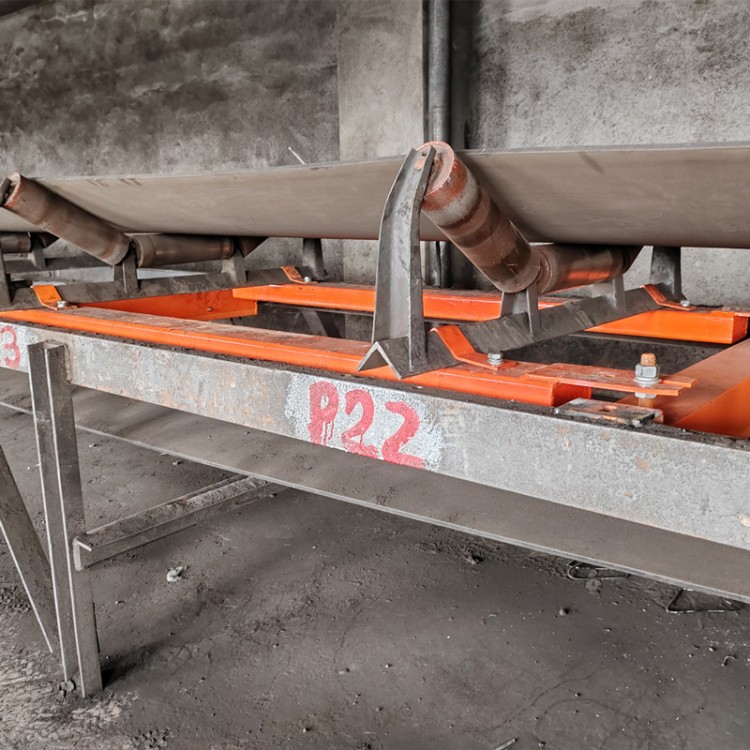
The mechanical stability of the sintering batching scale is the foundation for ensuring accuracy. Issues such as body deformation, unbalanced sensor installation, and conveyor belt misalignment can all lead to weighing errors. Particularly in high-temperature, dusty sintering environments, mechanical components are more prone to wear and deformation.
2. Sensor Performance
The sensitivity, linearity, and repeatability of load sensors directly impact measurement results. Low-quality sensors often suffer from drift and unstable zero-point issues under harsh operating conditions. Additionally, improper installation of sensors can also introduce measurement errors.
3. Control System Factors
PIDImproper parameter settings, insufficient sampling rates, and inappropriate filtering algorithms can lead to significant fluctuations in the batching process, making it difficult to stabilize at set values. Modern sintering batching systems are increasingly demanding of control algorithms.
4. Environmental Disturbance
High temperatures, vibrations, and electromagnetic interference in the sintering workshop can affect weight signals. Particularly, electromagnetic noise from devices like variable-frequency drives and high-power motors can easily interfere with sensor signals.
Key Technology for Enhancing the Precision of Sintering Material Weighing Scales
1. Enhance mechanical structure design
Our new design incorporates a rigid frame structure with anti-deformation features, utilizes wear-resistant and high-temperature materials for critical components, optimizes the sensor installation for even force distribution, and adds an automatic correction device to prevent belt deviation. Post-upgrade at a steel mill, the mechanical structure's stability improved by 40% and weight fluctuation reduced by 35%.
2. High-precision sensors and instruments selected
Recommend using weighing sensors with C3 or higher accuracy grades, with an overall error less than 0.02%; choose weighing instruments with high resolution (≥1 million codes); add temperature compensation to minimize the impact of environmental temperature changes. Practice shows that the system accuracy can be improved by more than 50% after upgrading the sensors.
3. Advanced Control Algorithm Implementation
By incorporating fuzzy PID control with feedforward compensation algorithms, dynamic response speed is enhanced; adaptive control technology is introduced to automatically adjust control parameters based on material characteristics; predictive control algorithms are employed to compensate for weighing lag in advance. After implementing the intelligent algorithm, a certain company's batching accuracy improved from ±2% to ±0.5%.
4. Enhanced Anti-Interference Measures
Utilizing double-shielded cables for weight signal transmission; adding signal isolation amplifiers; optimizing the grounding system with a single-point grounding; and installing power filters to eliminate grid interference. These measures can reduce signal noise by 60% to 80%.
5. Smart Calibration and Maintenance System
We've developed an automatic zero-point calibration feature to eliminate zero-point drift on a timed basis; established an online diagnostic system for real-time monitoring of sensor status; and utilized big data analysis to predict equipment failures, enabling preemptive maintenance. The intelligent maintenance system can reduce 80% of sudden equipment failures.
Real-World Case Studies and Effectiveness Validation
A major steel company has implemented the following improvement measures in response to the issue of substandard sintering material accuracy (±3% fluctuation range):
Upgraded to a high-precision digital weighing sensor
Optimized PID parameters and added feedforward control
Enhanced Signal Transmission Interference Measures
Establish an automatic calibration mechanism
After the transformation, the ingredient accuracy is stable within ±0.8%, the sintering ore alkalinity qualification rate has increased from 85% to 96%, and the annual cost savings are approximately 2.8 million yuan, with a payback period of only 9 months.
Future Trends
As Industry 4.0 advances, sintering batching scales will evolve towards intelligence: digital twin-based virtual debugging technology optimizes system parameters; artificial intelligence algorithms enable adaptive precise control; and 5G technology empowers remote monitoring and maintenance. These new technologies will elevate sintering batching accuracy to new heights.
Conclusion
Improving the accuracy of sintering material weighing systems is a comprehensive engineering project, requiring collaborative optimization across mechanical, electrical, and control aspects. Companies should select appropriate technical solutions based on their specific circumstances, while simultaneously establishing a comprehensive maintenance and care system to sustain high-precision batching, thereby maximizing the value for sintering production.


b2b.china9.net © Zhongshang 114 Hebei Network Technology Co., Ltd.Address: Room 6009, Oriental New World Center, No.118 East Zhongshan Road, Qiaoxi District, Shijiazhuang City, Hebei ProvincePlatform Service Hotline: 4006299930