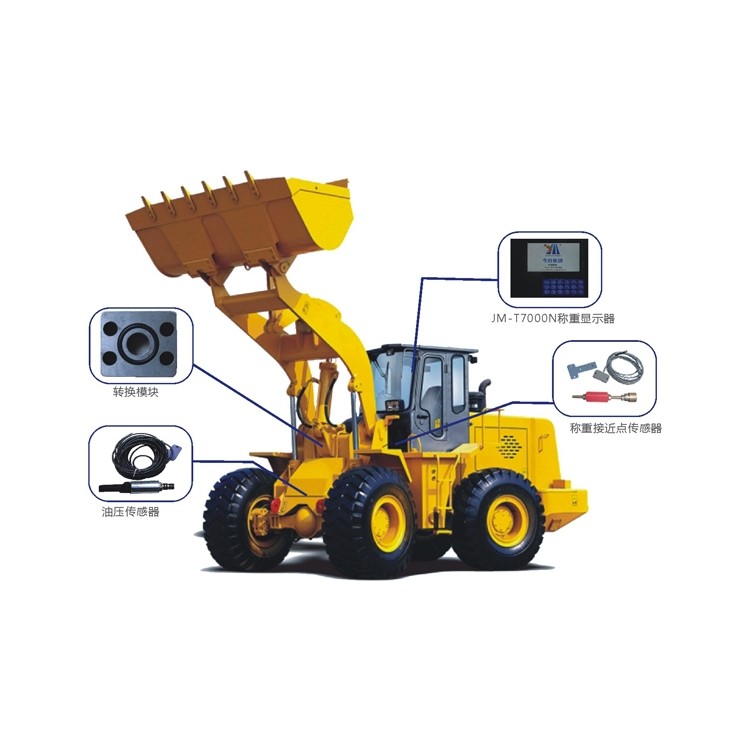
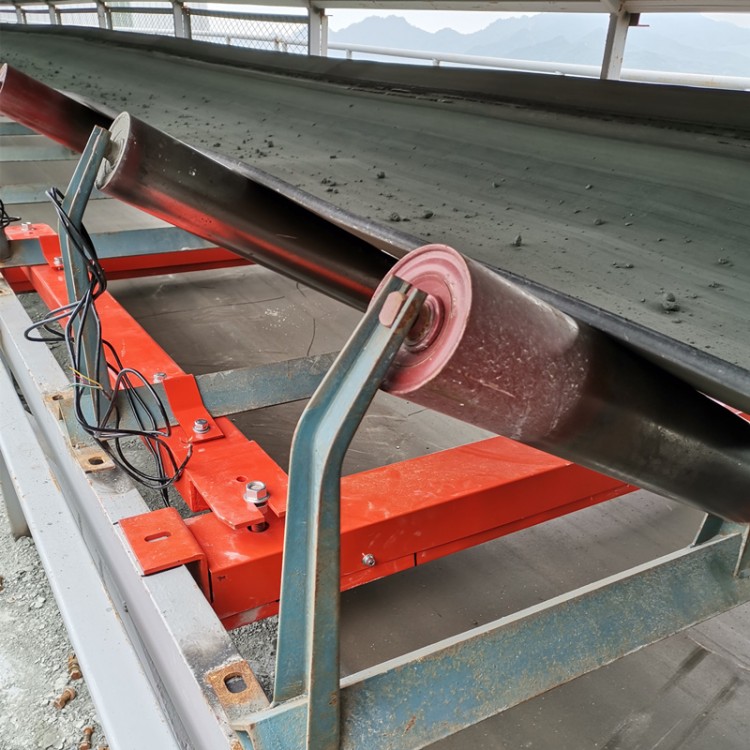
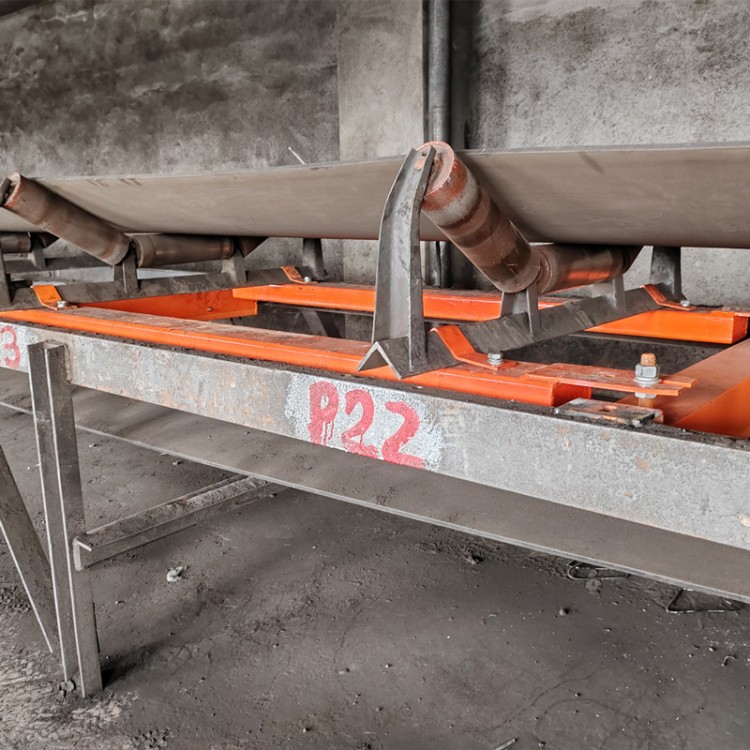
Electronic belt scales, hopper scales, packaging scales, ...

Detailed Explanation of the Composition and Working Principle of a Weighing Scale
Introduction: What is a weightless scale?
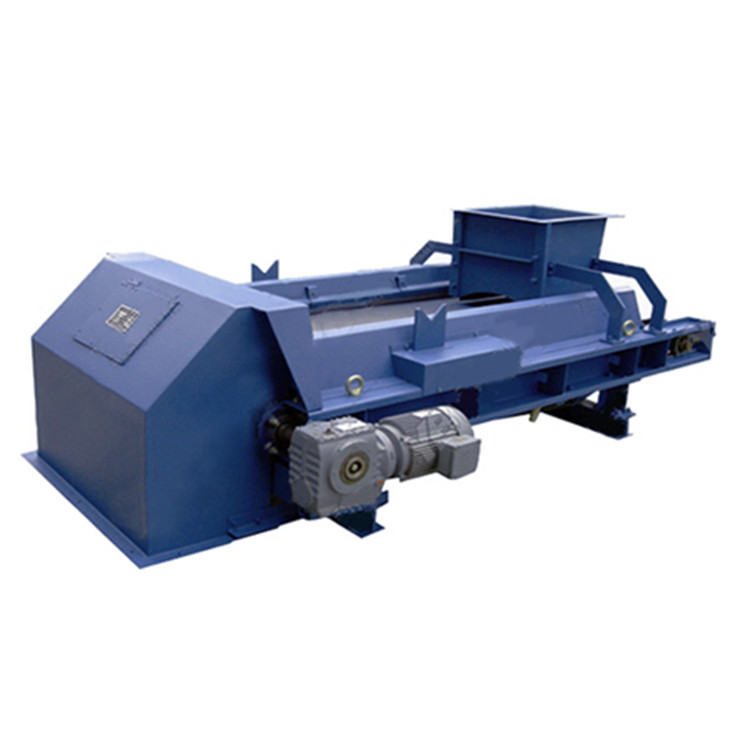
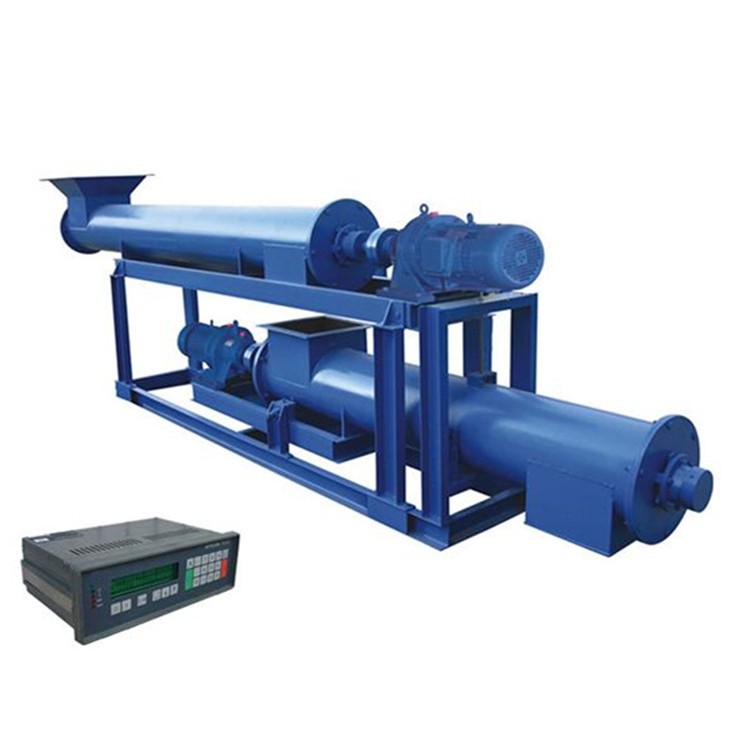
Weighing ScaleLoss-in-Weight FeederA high-precision continuous weighing feeding equipment, widely used in industries such as chemicals, food, building materials, and metallurgy. It controls feeding speed by real-time monitoring of material weight changes, ensuring accurate material conveyance and proportioning. This article will provide a detailed introduction to...The composition and structure of a weightless scaleEnhancing user understanding of the working principles while optimizing keywords to boost the website's search engine rankings.
The main components of the weightless scale
The weightless scale is primarily composed of several core components, each playing a crucial role within the system:
1. Weigh Hopper (or Weigh Bin)
FeatureThe storage for the materials awaiting shipment is the core bearing part of the entire weighing system.
Features:
Typically made of stainless or carbon steel, highly resistant to corrosion and abrasion.
Material flowability must be considered in design to prevent bridge formation and arching.
Capacity is customizable according to production requirements, ranging from several kilograms to several tons in common specifications.
2. Weighing Sensor
FeatureThe system continuously monitors changes in the material weight within the hopper and transmits the data to the control system.
Category:
Responsive Weight SensorHigh precision, suitable for most industrial environments.
Digital Weighting SensorHighly resistant to interference, suitable for environments with significant electromagnetic disturbances.
Installation Method:
Single-point (for small-scale weight loss scales)
Three-point or four-point (suitable for large-scale weight loss scales, enhancing stability)
3. Feeding Device
FeatureAccording to the control system's instructions, precisely adjust the rate of material discharge.
Common Types:
Spiral Feeding MachineSuitable for powdered and granular materials.
Vibration Feeding MachineSuited for granular materials with good fluidity.
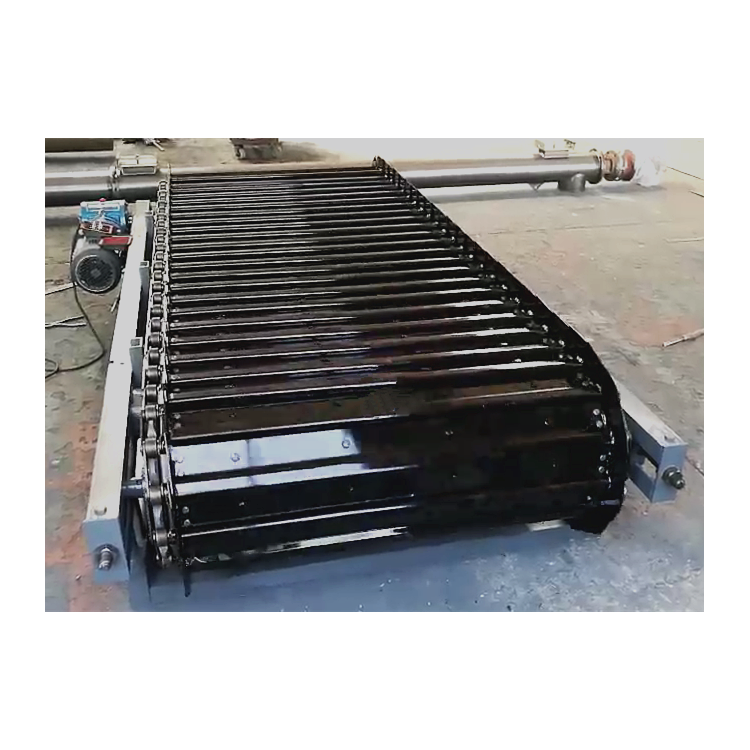
Leather Feeding MachineSuitable for blocky or large-grained materials.
4. Control SystemsPLCOr dedicated controller)
Feature:
Receive signals from weight sensors and calculate material consumption rates.
Adjust the feed device's speed to ensure precise feeding.
Offering Human-Machine InterfaceHMIEnhanced for easy parameter configuration and monitoring.
Core Algorithm:
PIDControlMaintain a consistent feed rate.
Adaptive CompensationReduce the impact of external disturbances (such as vibration, temperature changes).
5. Support Frame and Damping Device
Feature:
Offer stable mechanical support to minimize the impact of external vibrations on weighing accuracy.
Generally usedRubber Shock Absorber PadsOrAir SpringIsolation Vibration.
SignificanceThe weightless scale is sensitive to vibration, and a good shock-absorbing design can enhance weighing accuracy.
6. Optional Auxiliary Equipment
Level Sensor DeviceMonitor material inventory in the hopper to prevent emptying or overflow.
Dust Removal SystemIdeal for materials prone to dusting, it keeps the work environment clean.
Automatic Feed SystemWhen the hopper material falls below the set value, automatic replenishment is initiated to ensure continuous production.
The working principle of a weightless scale
The operation process of a weightless scale can be divided into the following steps:
1. Initial WeighingThe hopper is filled with material, and the weight sensor records the initial weight.
2. Feeding StageThe feeding device has been activated, and materials are being transported out, with the weight gradually decreasing.
3. Real-time calculationThe control system calculates the rate of material consumption based on weight variations, adjusting the feeding speed accordingly.
4. Replenishment PhaseWhen the material in the hopper falls below the set value, the weighing process is paused, and automatic material replenishment is initiated (suitable for continuous production mode).
5. Recurring OperationRepeat the above process to ensure precise and stable material conveyance.
Applications of Weighing Scales for Weight Loss
Chemical IndustryPrecisely convey powdered and granular raw materials, such asPVCCalcium carbonate, etc.
Food IndustryIngredient weighing, such as milk powder, sugar, additives, etc.
Building Materials IndustryQuantitative feeding of cement, gypsum, and mineral powder.
Metallurgy IndustryRaw material proportioning in sintering and ironmaking processes.
How to Choose the Right Weightless Scale?
1. Material CharacteristicsPowdered, granular, or solid? How is the liquidity?
2. Precision RequirementsGeneral weight loss scales can achieve accuracy.±0.5%~±0.1%Higher precision requirements necessitate the selection of more optimal sensors.
3. Capacity demandSelect the appropriate hopper capacity and feeding device based on the hourly processing volume.
4. Environmental FactorsSpecial materials (such as) should be chosen for high-temperature and corrosive environments.304/316Stainless Steel).


b2b.china9.net © Zhongshang 114 Hebei Network Technology Co., Ltd.Address: Room 6009, Oriental New World Center, No.118 East Zhongshan Road, Qiaoxi District, Shijiazhuang City, Hebei ProvincePlatform Service Hotline: 4006299930