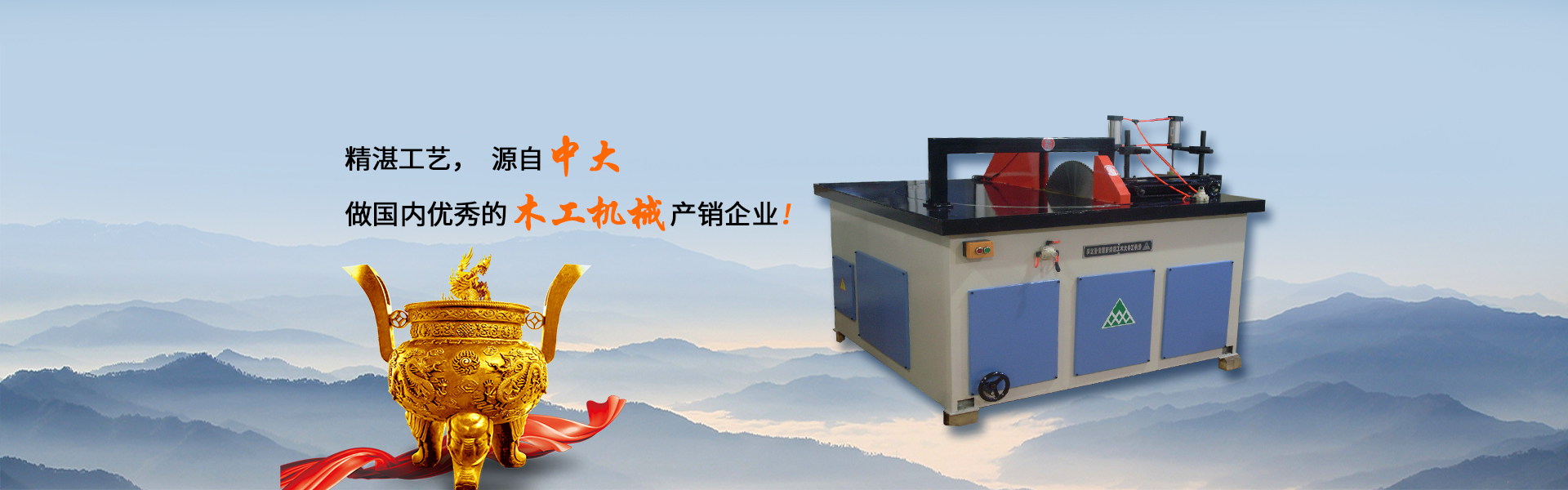
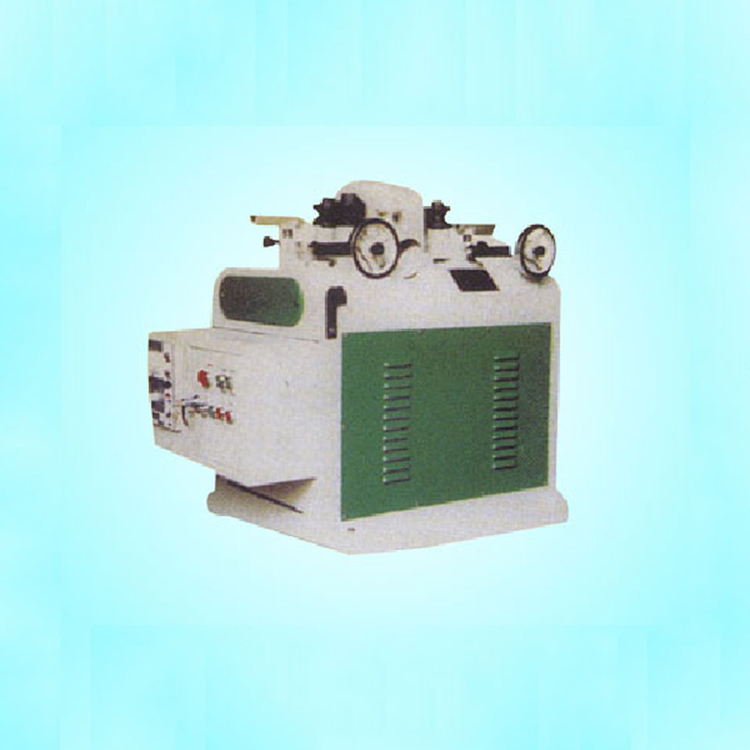
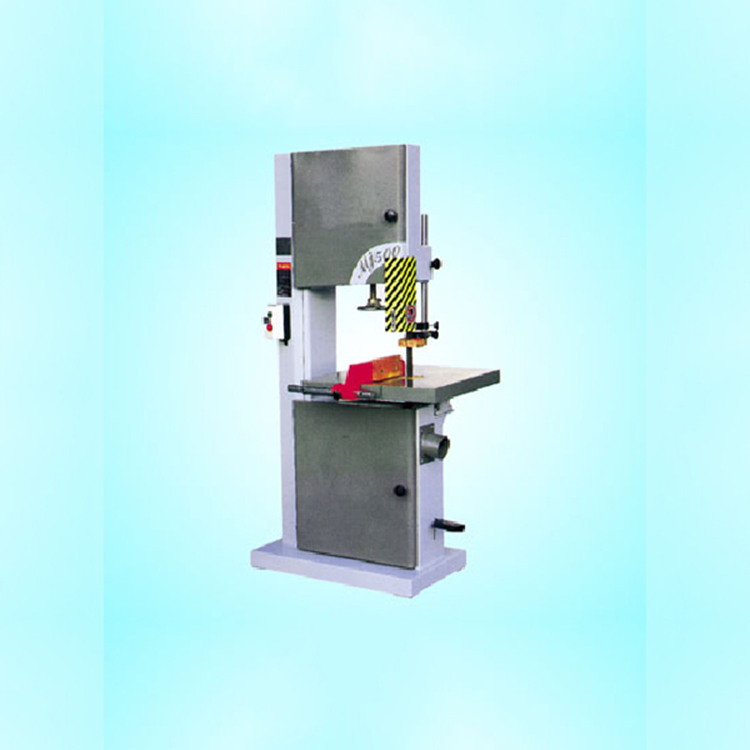
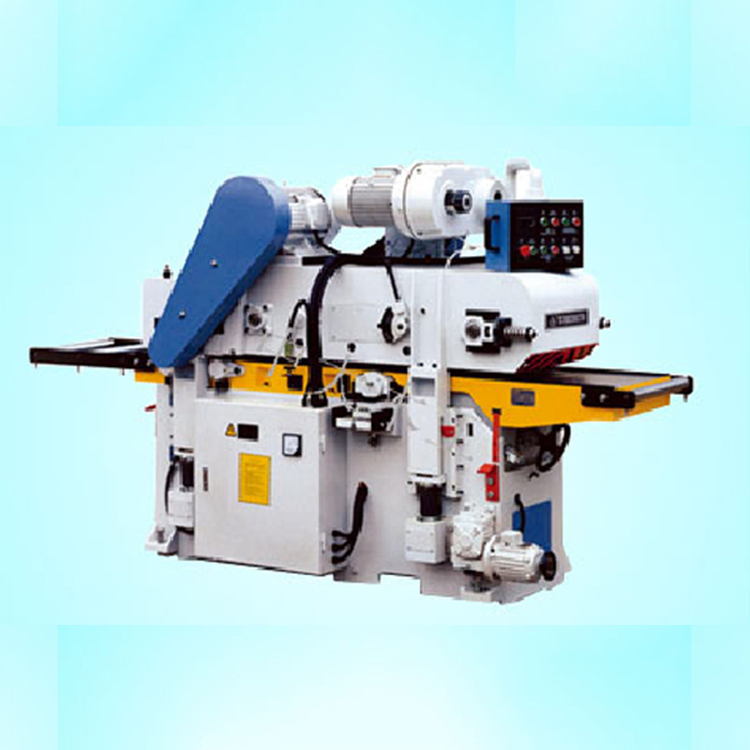
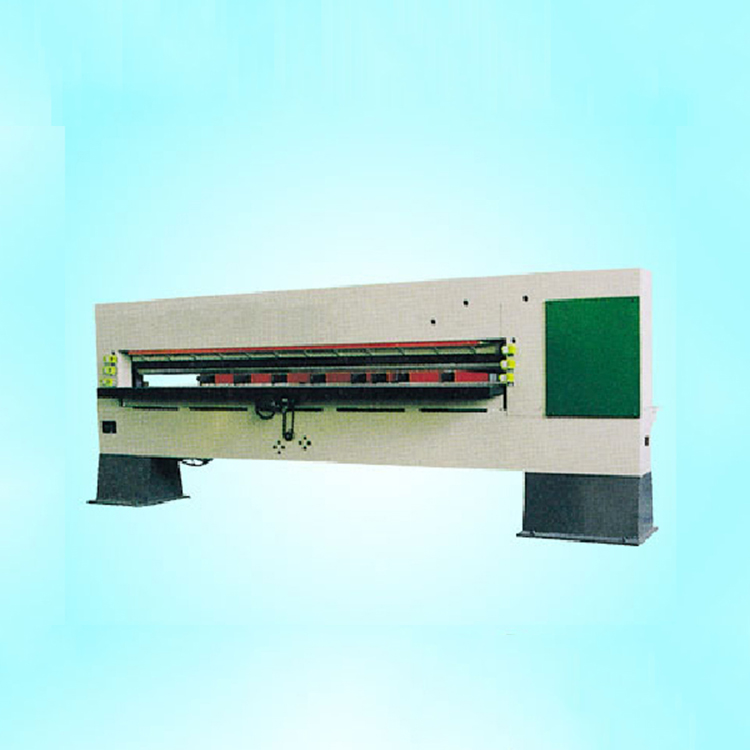
Manufacturing and selling woodworking machinery and equipment
13504834620
With the continuous development of science and technology, new technologies, materials, and processes are emerging constantly. As China joins the WTO, the gap between our country's woodworking machinery and equipment level and that of foreign countries will narrow increasingly. Advanced foreign technology and equipment will continuously pour in, presenting both challenges and opportunities for domestic woodworking machinery. The development of electronic technology, digital control technology, laser technology, microwave technology, and high-pressure jet technology has brought new vitality to the automation, flexibility, intelligence, and integration of furniture machinery, resulting in a growing variety of machine tools and an不断提升 technological level. The following are some trends in the domestic and international markets:
(1) The integration of high-tech into woodworking machinery signifies the advancement of intelligent technology, whether it's the application of CNC machining techniques or the proliferation of computer technology. This indicates that cutting-edge technology is progressing into various technical fields. Electronic technology, nanotechnology, space technology, and biotechnology are already or will undoubtedly find extensive application in the woodworking machinery sector.
(2) More Mimicking Metalworking Techniques. Looking at the history of woodworking machinery development worldwide, there is a trend towards the assimilation of woodworking methods with metalworking methods, such as the emergence of CNC routing machines. Could we boldly predict that in the future, wood will be reshaped and reformed in a manner similar to forging steel ingots? More techniques akin to metalworking will be emulated.
(3) Driven by Scale to Enhance Efficiency: From the domestic development perspective, both wood processing enterprises and woodworking machinery equipment are trending towards large-scale and industrialization; otherwise, they risk being eliminated. Currently, there is still a significant market for outdated and simple woodworking machinery in China, and many wood processing enterprises are still operating on labor-intensive models. The future of wood processing enterprises will undoubtedly follow a path of industrialization, large-scale, and scaled development.
(4) Enhance the comprehensive utilization of wood. With the decreasing forest resources domestically and globally, the scarcity of high-quality raw materials has become the main factor restricting the development of the wood industry. Maximizing the use of wood is a key task for the industry. Developing various types of engineered wood products and improving their quality and application scope are effective ways to efficiently utilize wood resources. Additionally, promoting the full utilization of the tree, reducing processing losses, and enhancing processing accuracy can all contribute to increasing the utilization rate of wood to a certain extent.
(5) The implementation of China's reforestation program, the Natural Forest Protection Project, the construction of two major forestry systems, and the six major projects are all wise environmental protection measures. Starting July 1, 2002, the country has enforced mandatory standards for man-made board products, prohibiting production and sales that fail to meet environmental protection requirements. The development of the wood processing industry must adhere to two principles: first, to protect the environment and minimize the extraction of natural resources while maximizing the reduction of environmental pollution; second, wood processing products must be harmless to humans or have minimal harmful effects. Therefore, future viable woodworking machinery and wood industry products will undoubtedly be ergonomically designed and meet environmental protection standards.
(6) Enhance production efficiency and automation. There are two aspects to improving production efficiency: first, reducing processing time; second, minimizing auxiliary time. To shorten processing time, besides increasing cutting speed and feed rate, the primary measure is process concentration. Since cutting speed and feed rate cannot be infinitely increased due to factors like tool wear, vibration, and noise, the development direction mainly revolves around multi-spindle machines and multi-process concentrated machining centers. Examples include double-end milling machines that combine sawing, milling, drilling, tenoning, and sanding functions; edgebanders that integrate various processing techniques; and CNC machining centers that centralize multiple cutting processes. Reducing auxiliary working time mainly involves minimizing non-processing time, using machining centers with auxiliary tool magazines, or employing automatic workpiece exchange between CNC assembly lines and flexible processing units, thereby minimizing auxiliary time.
Contact us

Service Hotline
13504834620
Company Telephone
13504834620

Address
575 Dongxin'an Street, Dong'an District, Mudanjiang, Heilongjiang Province
b2b.china9.net © Zhongshang 114 Hebei Network Technology Co., Ltd.Address: Room 6009, Oriental New World Center, No.118 East Zhongshan Road, Qiaoxi District, Shijiazhuang City, Hebei ProvincePlatform Service Hotline: 4006299930