

Product Details


价 格Negotiable
最小起订1 Tai库存1 Tai
 Business Card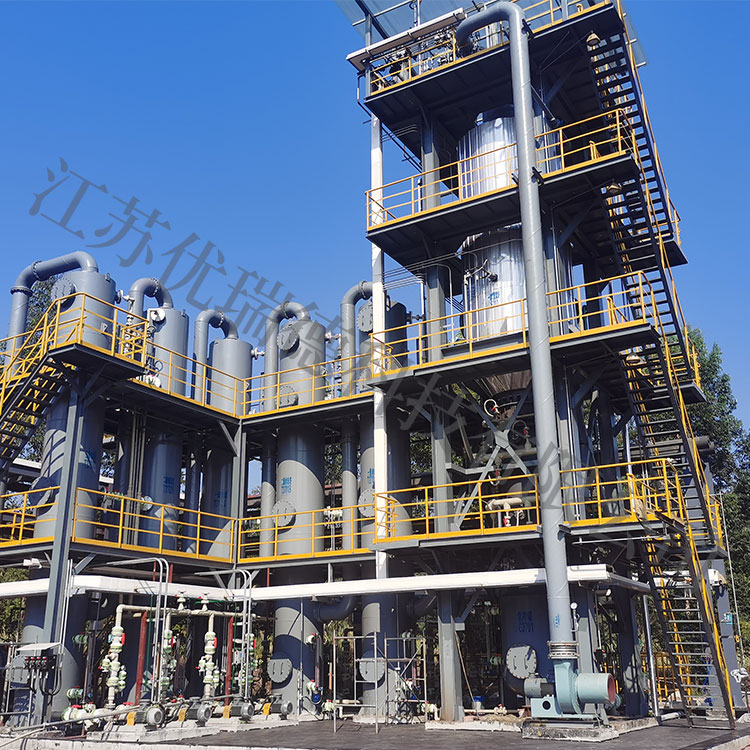
Negotiable

Negotiable
Negotiable

Negotiable
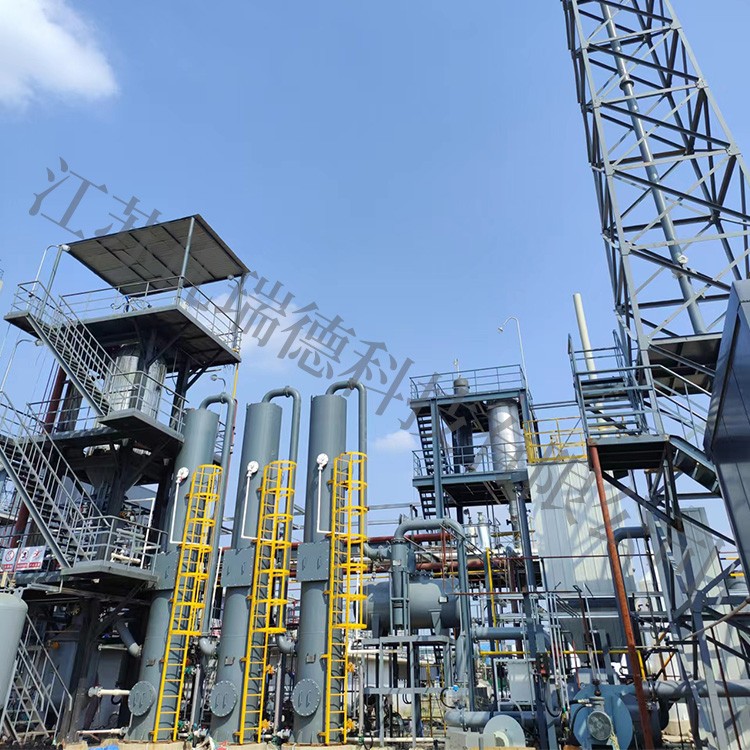 Chlorine and fluorine waste liqui
Negotiable
Chlorine and fluorine waste liqui
Negotiable
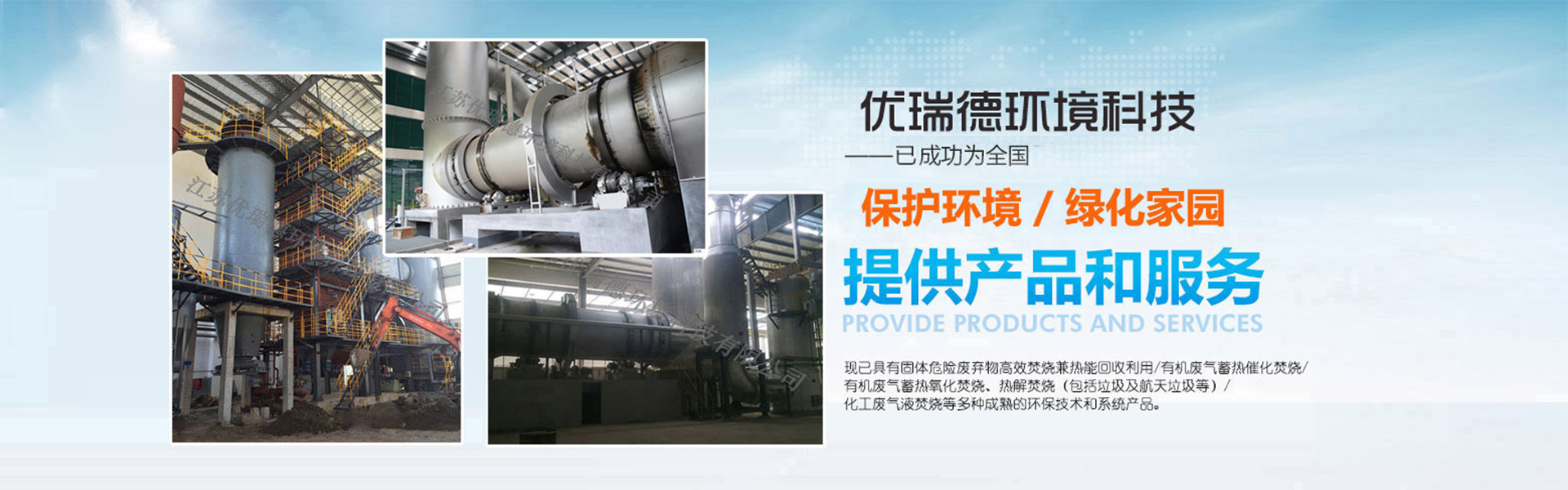
 Rotary Kiln Incinerator
Negotiable
Rotary Kiln Incinerator
Negotiable
 Chlorine-Containing Waste Liquid
Negotiable
Chlorine-Containing Waste Liquid
Negotiable
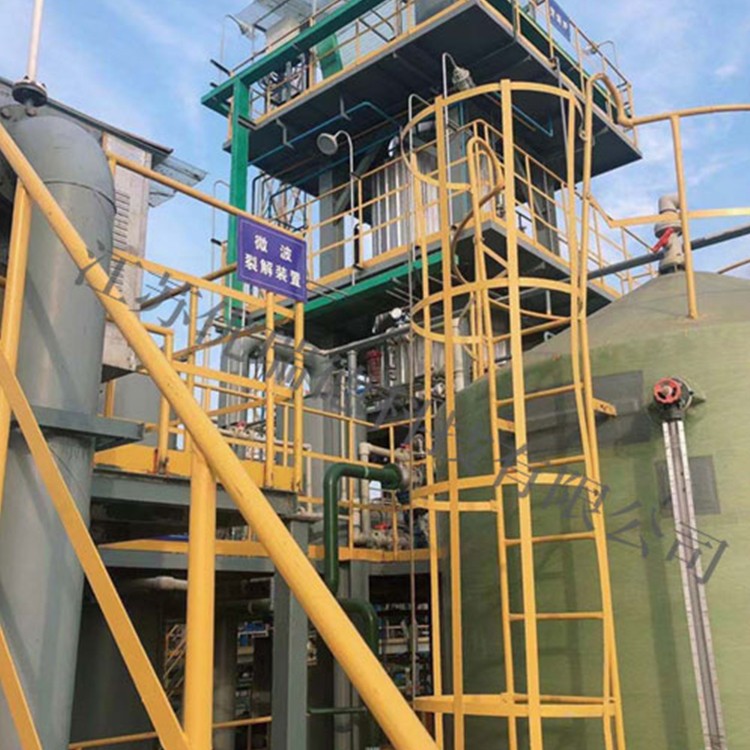 Salt-containing waste liquid and
Negotiable
Salt-containing waste liquid and
Negotiable
 Chlorine and fluorine waste liqui
Negotiable
Rotary Kiln Incineration System 7
Negotiable
Chlorine and fluorine waste liqui
Negotiable
Rotary Kiln Incineration System 7
Negotiable
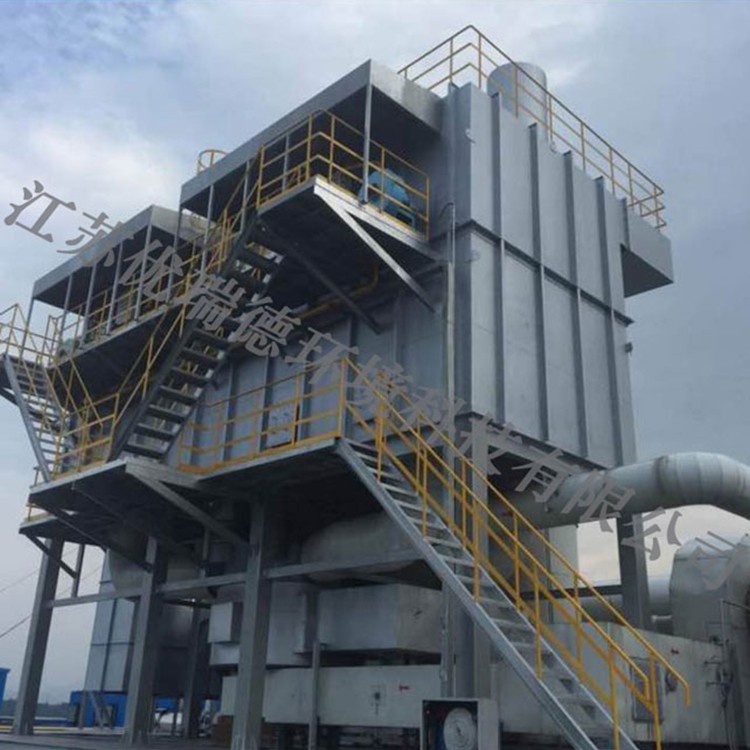
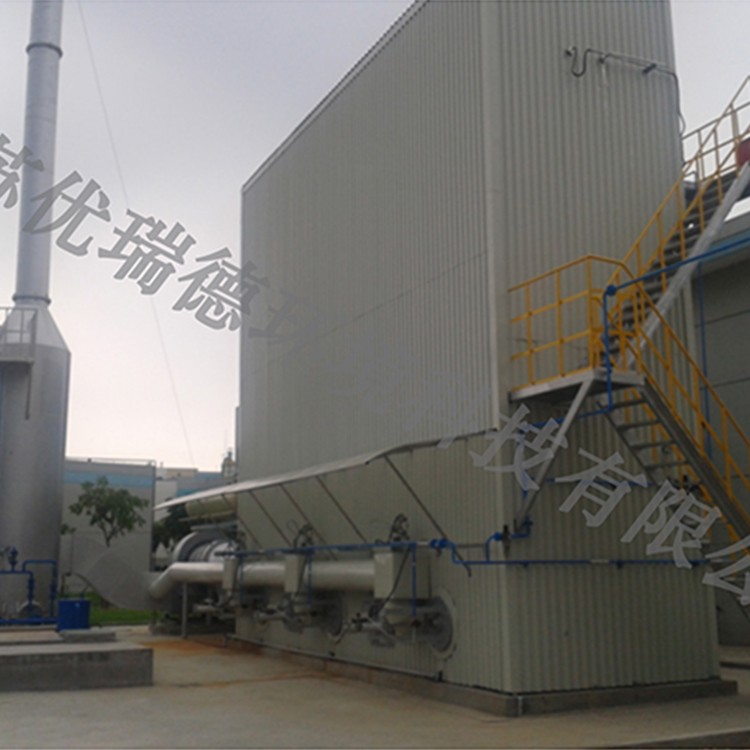 RTO Regenerative Thermal Oxidizer
Negotiable
RTO Regenerative Thermal Oxidizer
Negotiable
 Rotary Kiln Incineration System 5
Negotiable
Rotary Kiln Incineration System 5
Negotiable
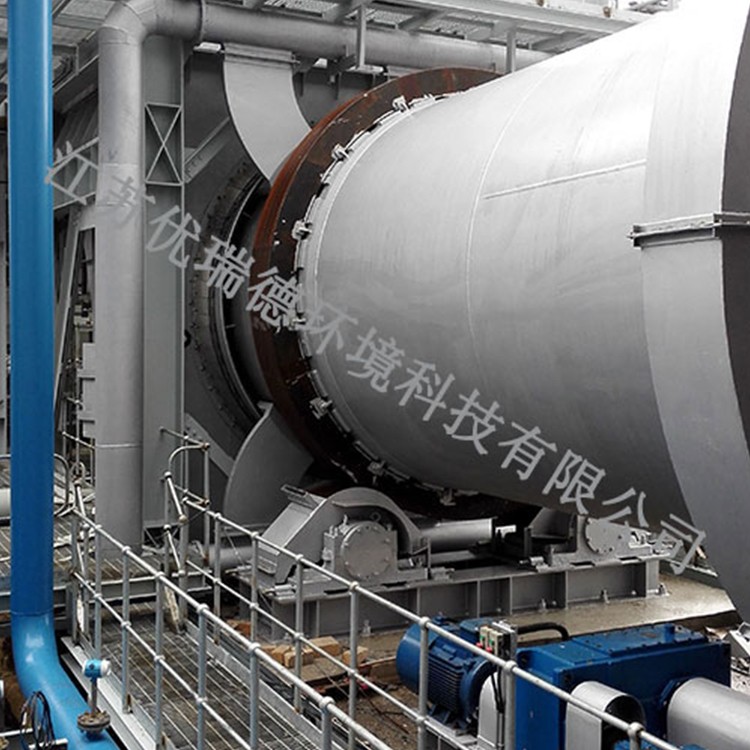 Rotary Kiln Incineration System 2
Negotiable
Rotary Kiln Incineration System 3
Negotiable
Rotary Kiln Incineration System 2
Negotiable
Rotary Kiln Incineration System 3
Negotiable
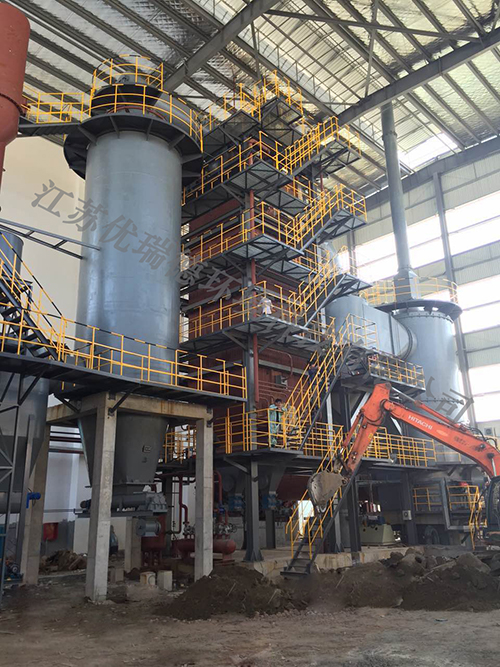
Characteristics of the rotary kiln incinerator can be summarized as follows:
This equipment can simultaneously incinerate solid waste, liquids, colloids, and gases, with strong adaptability to the types of waste to be incinerated.
(2) The burning material churns forward, with three modes of heat transfer occurring simultaneously in one furnace, leading to a high thermal utilization rate.
(3) High-temperature materials in contact with refractory materials; easy to replace the furnace lining at a low cost.
(4) Simple transmission mechanism; transmission unit housed within kiln shell, easy equipment maintenance.
(5) No strict requirements for the shape of the combustion residue or its moisture content.
(6) A 1-hour dwell time inside the rotary kiln at 700°C largely combusts hazardous waste; the intense gas mixing in the secondary combustion chamber ensures that unburned materials in the flue gas are completely combusted to reach the high temperatures (1100°C) necessary for the decomposition of harmful components; the flue gas remains in the high-temperature zone for 2 seconds; not only does this burn the waste thoroughly, but it also avoids or reduces the conditions conducive to dioxin formation at the source.
(7) Effective sealing and negative pressure in the furnace ensure no harmful gases escape.
(8) High equipment operating rate, typically reaching 90% annually; easy operation and maintenance.
(9) Additional reinforced heat exchange and slag prevention equipment have been installed inside the rotary kiln, enhancing combustion efficiency while expanding the incinerator's adaptability to waste.
(10) Evolved the traditional secondary combustion chamber into a secondary combustion furnace, enhancing the combustion rate of ash and slag, and improving the incineration efficiency of the rotary kiln. It also features comprehensive functions such as normal temperature slag discharge, slag material crushing, and sealed airlock.

Phone Consultation