


What are the differences between city street lights and solar street lights?
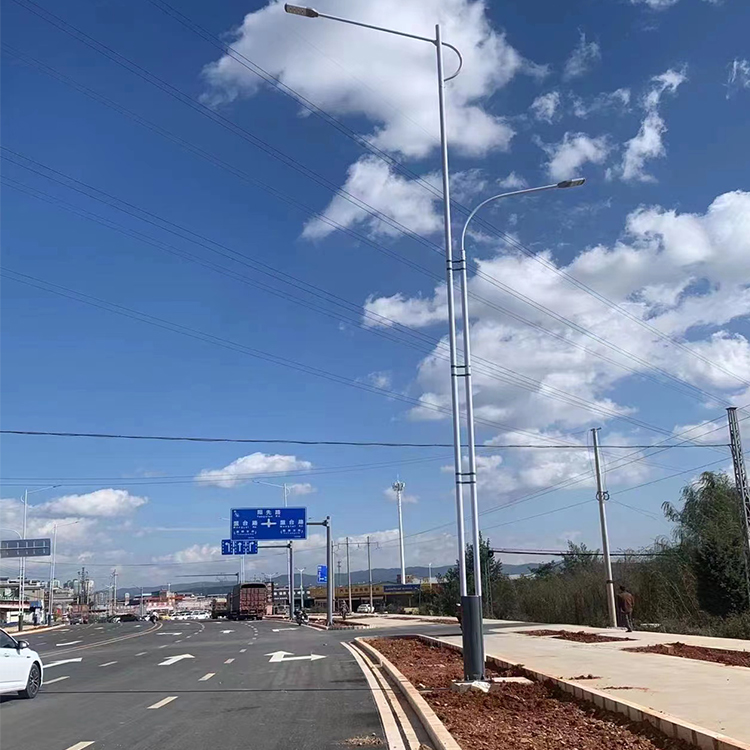
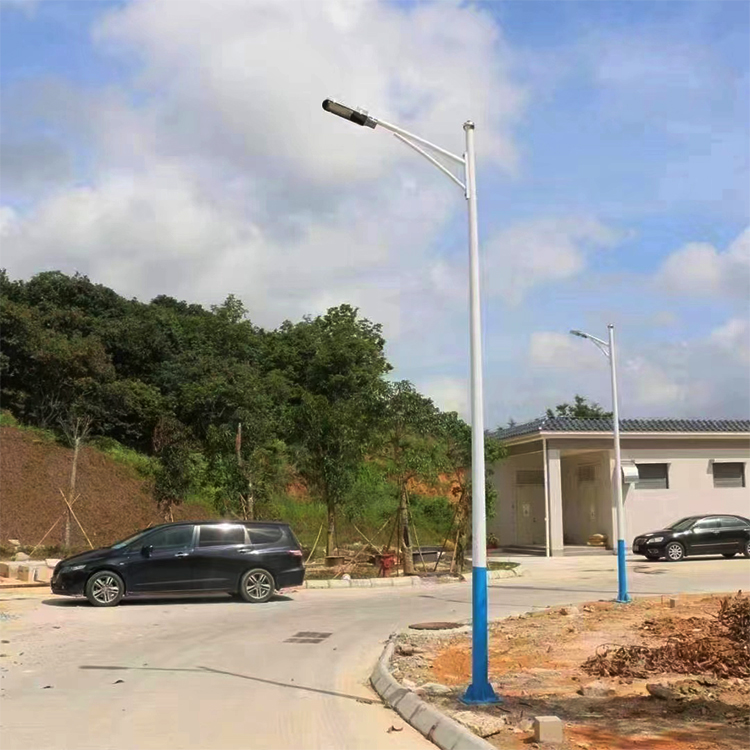
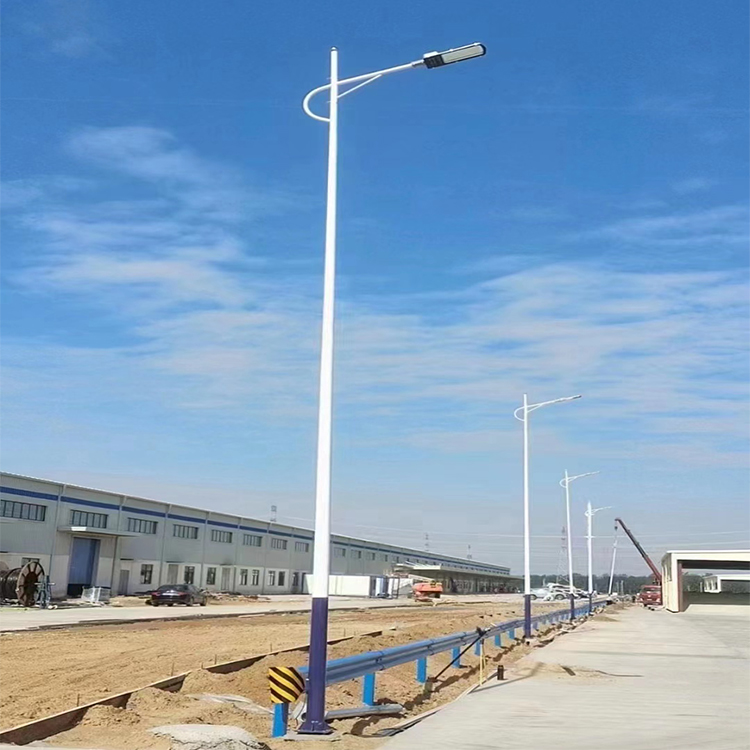
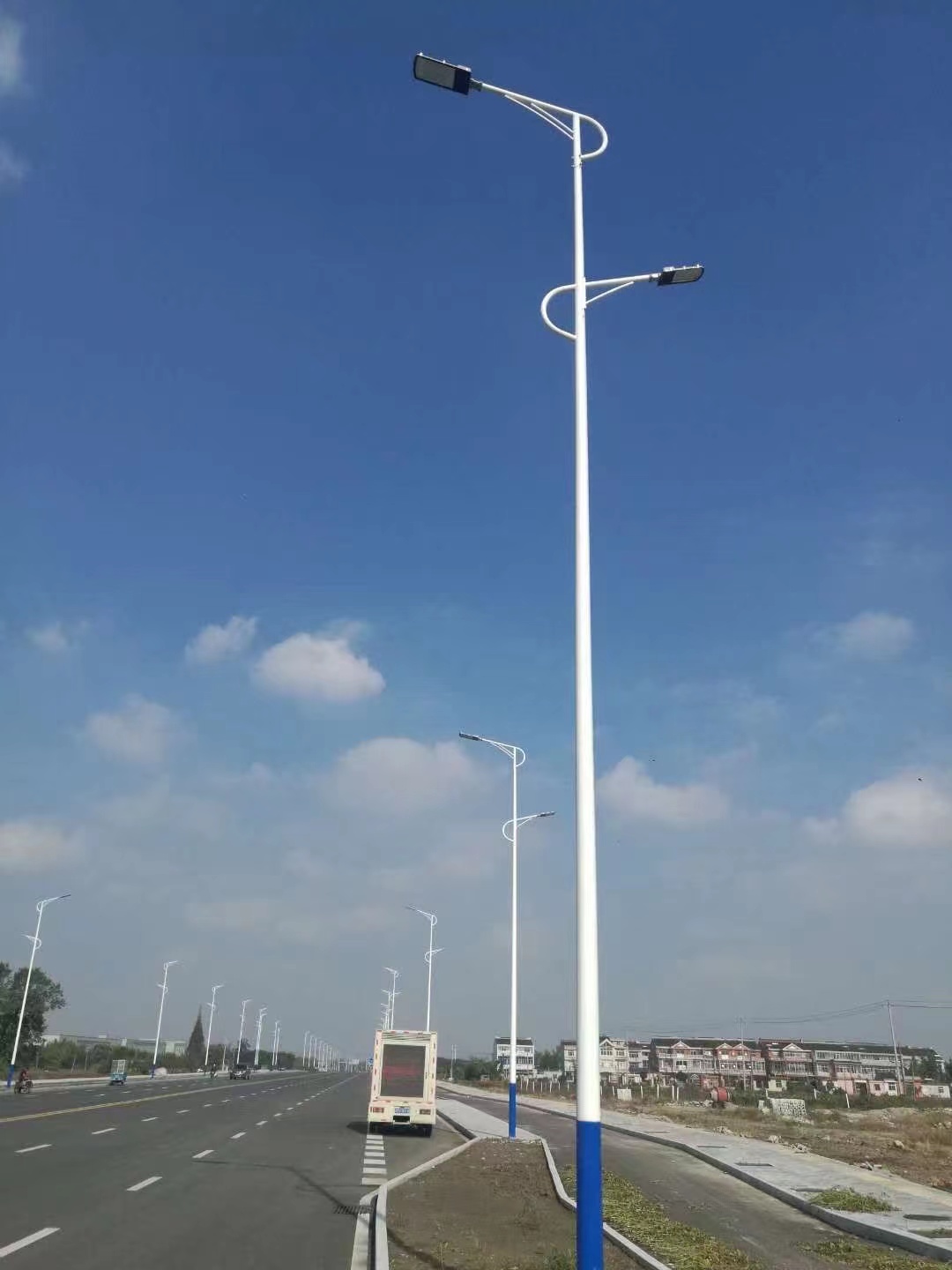
With the increasing awareness of environmental conservation, the application of solar energy is becoming more widespread. Solar street lights are a new type of street lighting that utilizes solar energy. Compared to conventional city street lights, there are certain differences between them. The main distinctions between solar street lights and conventional city street lights are:
Installation Difficulty
Solar street lamp installation does not require complex wiring. Just make a cement base and a battery pit within 1 meter, then secure it with galvanized bolts.
The construction of city street lighting usually requires many complex procedures, including laying cables, trenching and piping, stringing wires through pipes, backfilling, and a large amount of civil engineering work, consuming a substantial amount of manpower and materials.
2. Usage Fees
Solar street lights have a simple wiring, incur minimal maintenance costs, and are powered by solar energy, eliminating expensive electricity bills. This not only reduces the management and operational costs of the street lights but also conserves energy.
The city's streetlight circuit is complex, requiring regular maintenance. Due to the frequent use of high-pressure sodium lamps, they tend to be damaged in unstable voltage conditions. Moreover, as the years go by, repairing aging circuits becomes a headache. Additionally, the electricity costs for city streetlights are generally quite high, and there's also the risk of cable theft.
3. Safety Performance
Solar street lights, utilizing 12-24V low voltage, offer stable voltage and reliable operation, ensuring no safety hazards. They are the ideal public lighting solution for eco-communities and road administration departments.
There are certain safety hazards with city street lighting, especially during construction activities such as cross-utility work on water and gas pipelines, road renovations, and landscape construction, which may affect the power supply to city street lights.
4. Lifespan Comparison
The main component, the solar panel of solar street lights, has a lifespan of 25 years. The LED light source used has an average lifespan of around 50,000 hours. The lifespan of the solar battery used in solar lighting is between 5 to 12 years.
The average lifespan of street lighting is about 10,000 hours, and the longer the usage duration, the greater the aging of the pipelines, resulting in a shorter lifespan.
5. System Differences
Solar street lights are individual systems, each being a standalone unit; whereas city street lights operate as a single system along the entire road.
Which is brighter, solar street lights or municipal street lights?
Solar street lights and city street lights differ in many aspects, with brightness being one of them. Generally, solar street lights are not as bright as city street lights.
The reason why street lights are brighter under the same requirements is that LED solar street lights are not operating at full power. To achieve good brightness in solar street lights, the solar photovoltaic system configuration must be high, which in turn increases the price of the solar street lights, potentially exceeding the budget. Therefore, LED solar street lights on the market currently operate by reducing the light source power through solar controllers, so they are generally at half power or even lower, making them less bright than street lights powered by the city grid.
Which is better, solar street lights or city street lights?
Comparing solar street lights to grid-powered street lights, it's not decisive to say which one is better. It requires considering various factors to make a decision.
1. From a budget perspective
Solar street lights are more expensive per lamp compared to grid-powered street lights in terms of budget. However, when considering the overall budget, both solar and grid-powered street lights are quite similar, with grid-powered lights potentially being higher due to the costs of trenching, wiring, and transformers.
2. Installation location considerations
For urban roads with high requirements for road lighting, it is recommended to install municipal streetlights. In rural and town roads, where lighting requirements are not high and power sources are distant, the cost of pulling cables is very high, and solar-powered streetlights can be considered for installation.
3. Consider the height aspect
If the road is quite wide and requires taller streetlights, it's recommended to install solar-powered streetlights under 10 meters. For heights above 10 meters, it's suggested to use city power streetlights.
Yunnan Huawadi Lighting Technology Co., Ltd. specializes in outdoor lighting projects, offering a range of products including landscape lights, Chinese lanterns, garden lights, pole lights, ground lights, road lights, solar lights, lawn lights, stake lights, underwater lights, LED lights, wall lights, hazard lights, grating lights, searchlights, factory lights, explosion-proof lights, emergency lights, traffic signal lights, flagpoles, and light sources, among others. As a professional manufacturer with a complete range of styles, we offer factory direct sales, genuine quality at affordable prices. If you are in need of street lights or other lighting products, please call for detailed discussions!!
