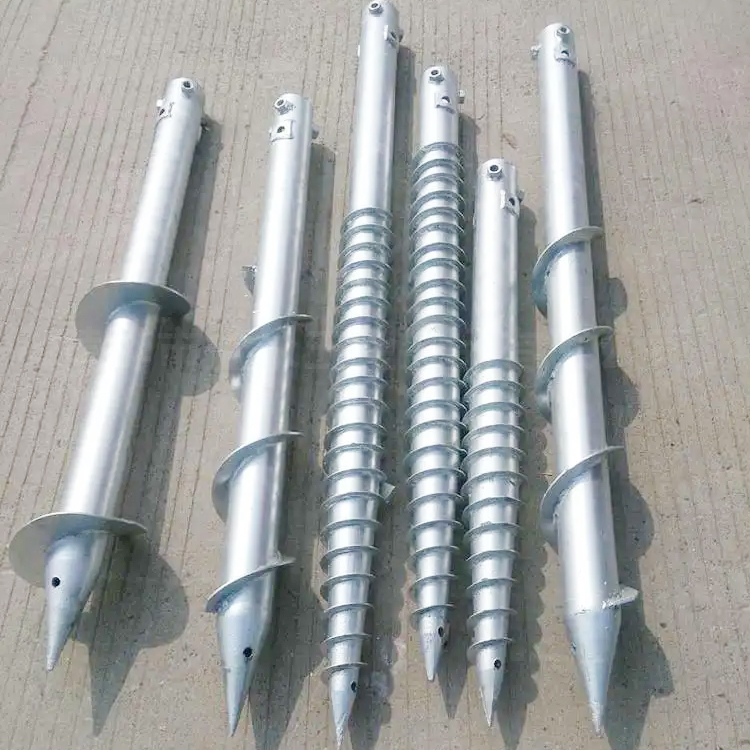
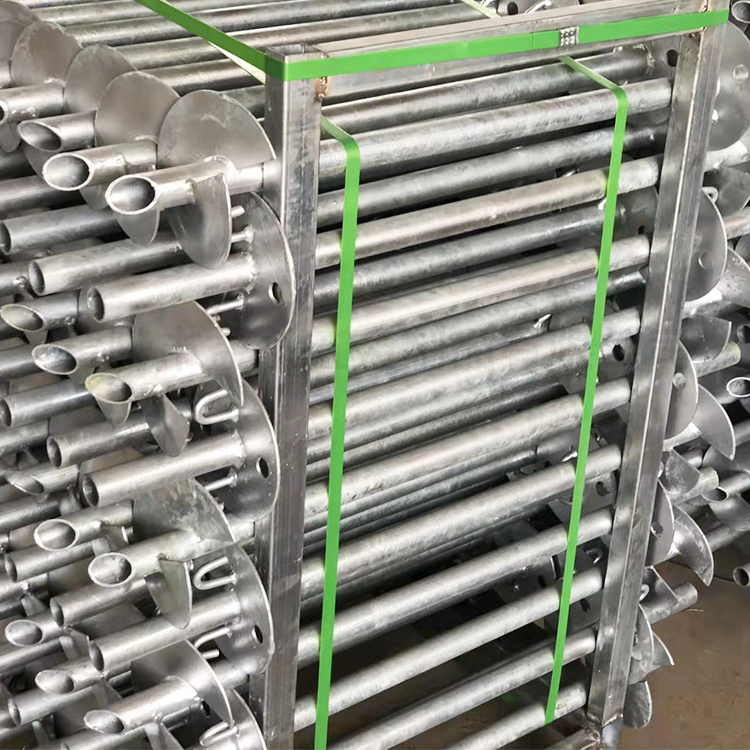
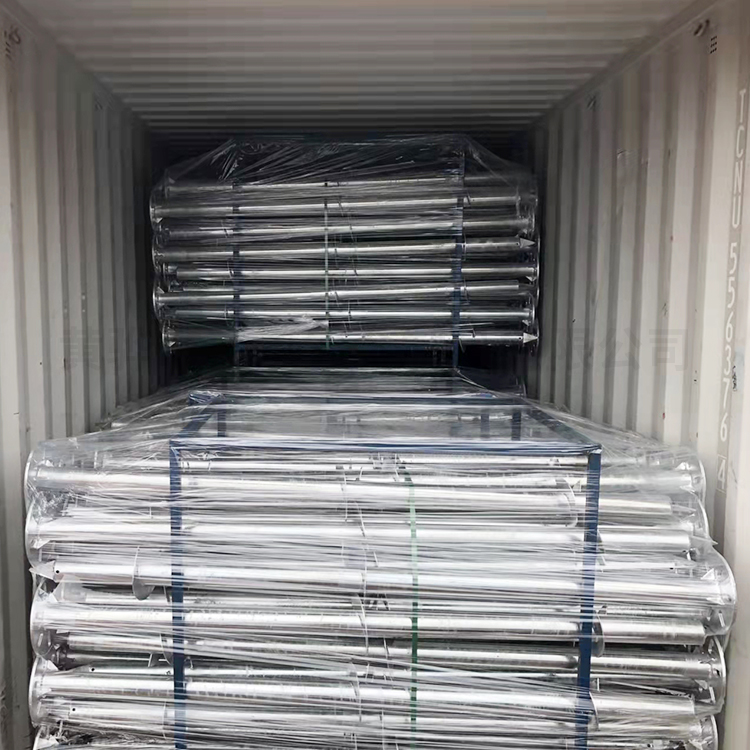
The company specializes in ground piles, helical piles, h...

How to Use Spiral Pile
Ensure a high mud level inside the hole to reinforce the pressure on the hole wall.
Helical piles are installed in soft cohesive and loose soil areas with high groundwater levels. To ensure the quality of the mud, every parameter must meet the construction requirements, allowing the mud to effectively support the wall. To maintain the mud level within the borehole, a dike is constructed at the borehole opening and connected to the mud inside. As the drilling tools are withdrawn, the mud from the dike is replenished into the borehole, keeping the mud level inside consistently above the groundwater level. The higher the mud level, the greater the pressure on the borehole wall, leading to increased stability.
2. Regulate the drilling speed to prevent the occurrence of mud cake on drill bits.
When working on soft plastic soil, the helical piles record the depth of each hole during operation to prevent penetration into the strata, and drill from this depth; controlling the drilling speed to minimize disturbance to the layer.
3. Control Length
When drilling in soft plastic soil, the penetration rate is slower than usual to prevent or reduce resistance caused by the piston effect during the hoisting operation.
Ensure the drill bit surface is smooth to prevent or reduce sticking in soft plastic soil. During each retrieval, the drill bit's circumference often attaches some sticky soil, which must be cleaned promptly to minimize adhesion between the drill bit and the surrounding soil, preventing sticking.
5. Reduce the clearance between drill bits and drill rods.
Regularly inspect the bit and drill rod connections for wear, and address them promptly to reduce the clearance between the links.
Over-sizing is a common issue in rotary drilling in soft plastic and loose soil, which needs to be addressed proactively. This requires the drill operators and managers to recognize the dangers of over-sizing, and for all soil strata, to pre-plan preventive measures to avoid significant losses during construction.
Considerations for Manufacturing Spiral Steel Piles and Spiral Blades
Helical piles and blades, as the main components directly in contact with materials and driving their movement, hold an irreplaceable position. When processing products, we first determine their specific types. The blades of a helical conveyor are generally divided into four types: solid, belt, blade, and toothed. They have different usage characteristics and processing techniques. Here, let's introduce some factors to consider during manufacturing.
Can the spiral blades achieve economic and environmental benefits?
2. How convenient and easy is the repair of the spiral blades?
3. Can the spiral blade design of the helical steel pile meet everyone's needs?


b2b.china9.net © Zhongshang 114 Hebei Network Technology Co., Ltd.Address: Room 6009, Oriental New World Center, No.118 East Zhongshan Road, Qiaoxi District, Shijiazhuang City, Hebei ProvincePlatform Service Hotline: 4006299930