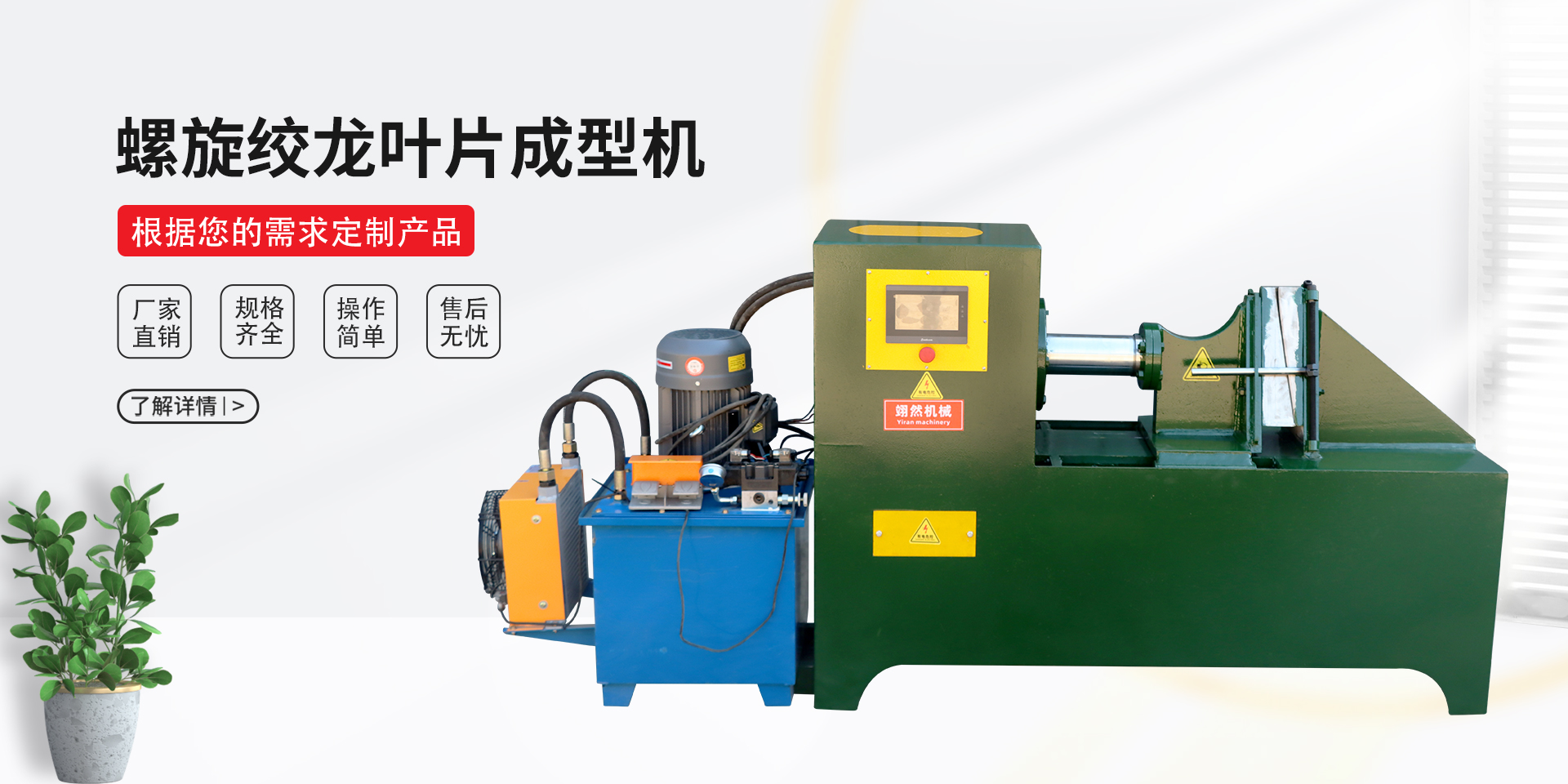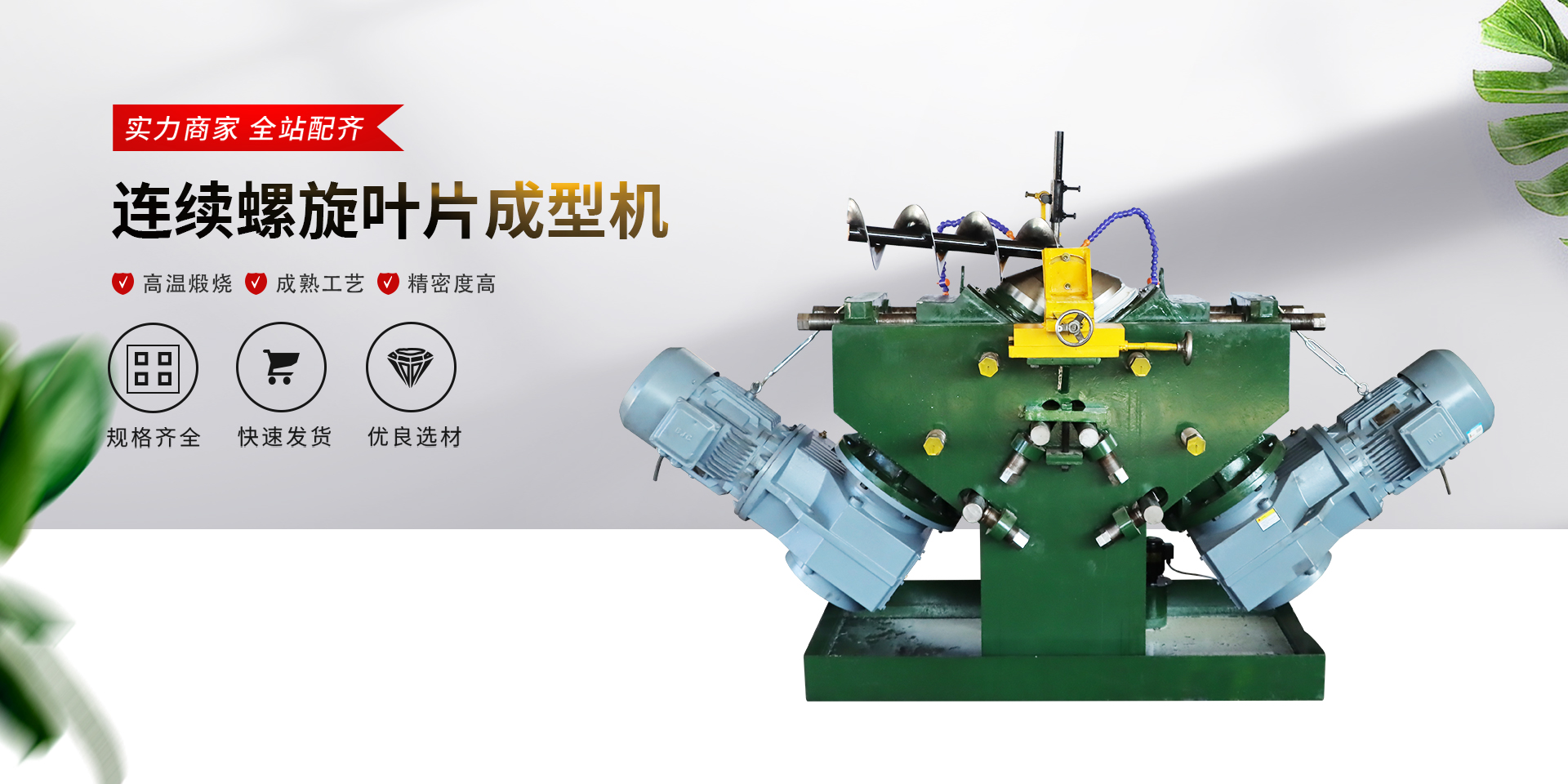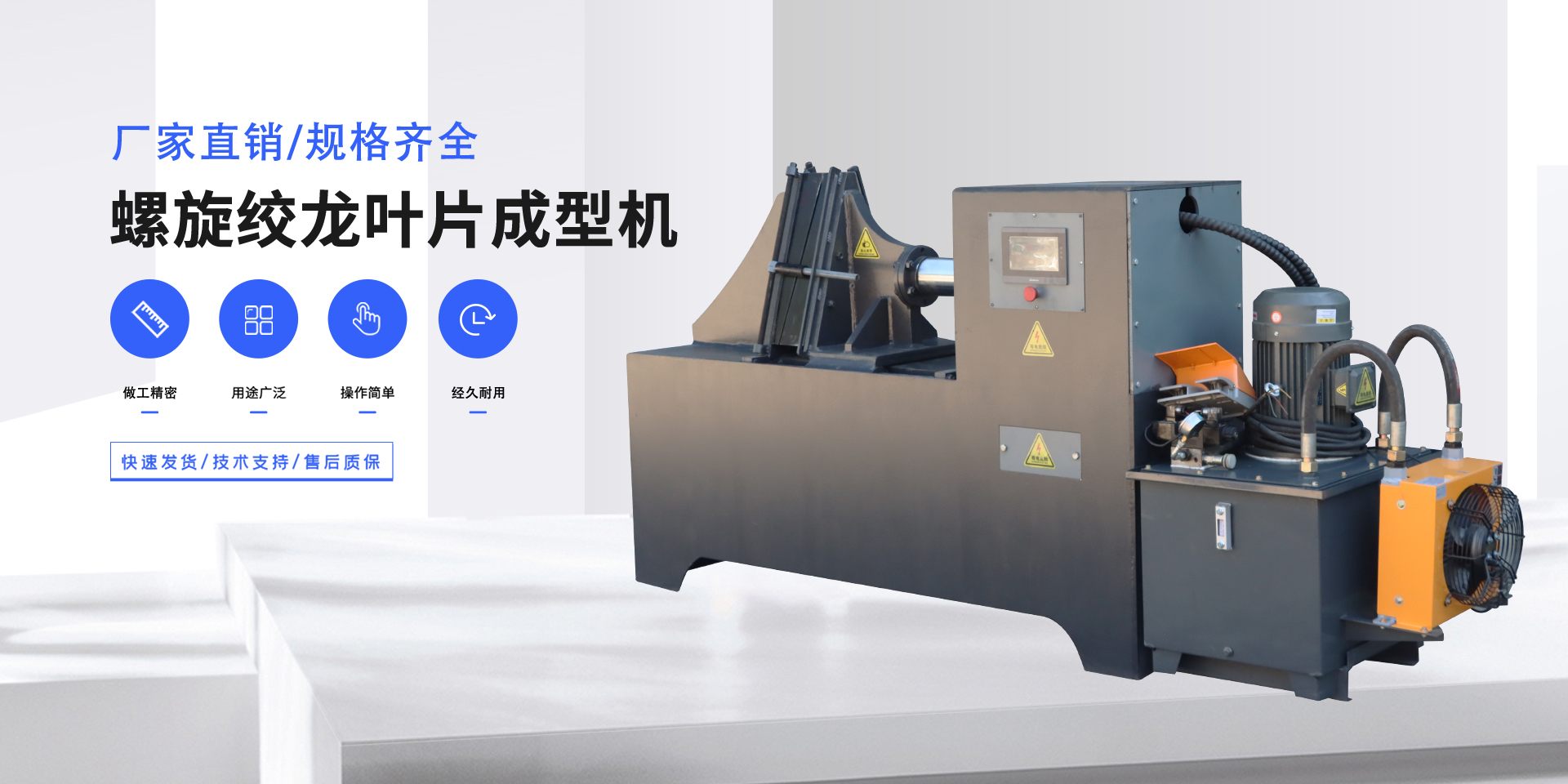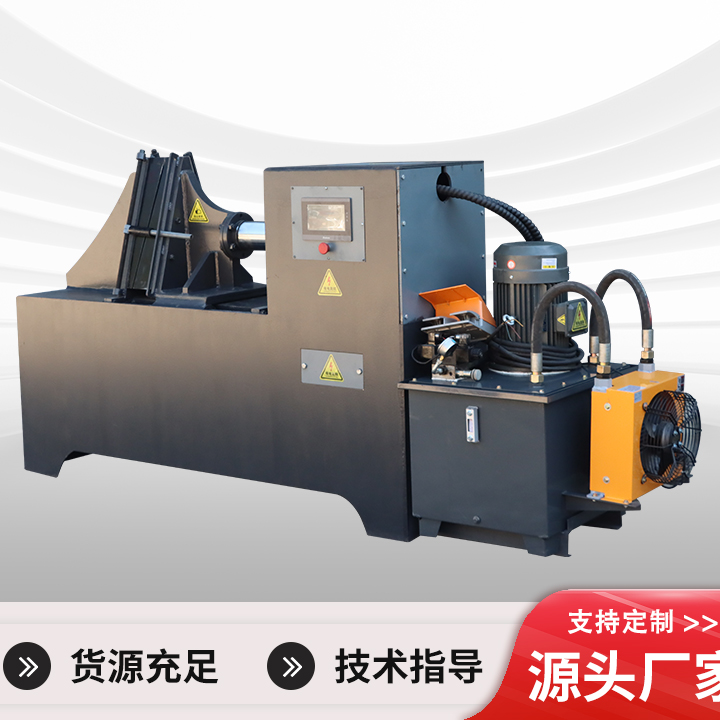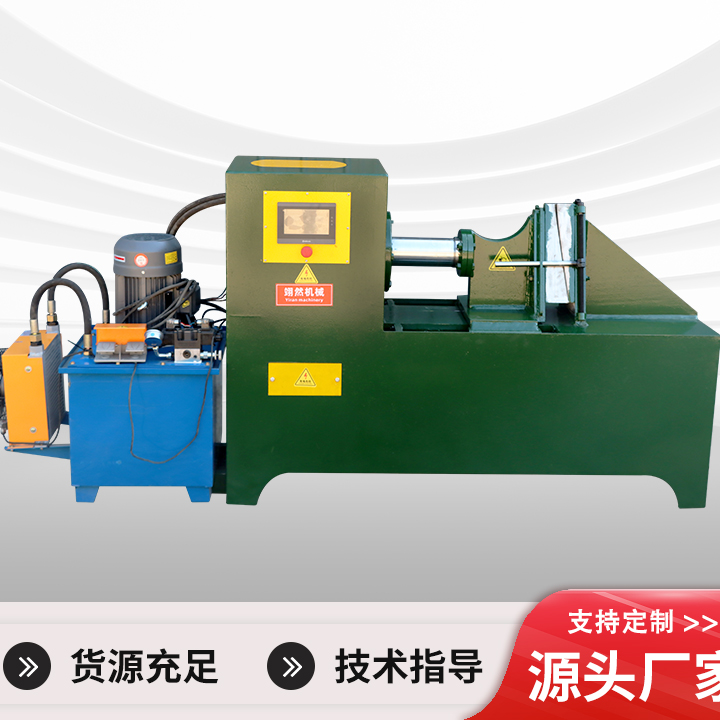

Spiral blades are widely used for material conveyance, reducing manual handling and improving efficiency. Common types of spiral blades, categorized by function and requirements, include continuous spiral blades, single-piece spiral blades, and uniform thickness spiral blades. Additionally, there are three forms of spiral blade formation and shaping methods: solid spiral surface, belt spiral surface, and blade spiral surface.
An Analysis of Types of Spiral Blades:
1. Common spiral blades include continuous spiral blades, single spiral blades, and uniform thickness spiral blades. Depending on different usage requirements, select the appropriate spiral blade. Spiral blades are installed in sealed pipes or semi-enclosed U-shaped channels, with one end equipped with power, thus forming a spiral conveyor.
2. Helical blades can also be made of different materials depending on their intended use. Common materials include plain carbon steel, stainless steel, and manganese steel. For ordinary materials such as wood chips, plastic granules, or powdery substances, standard continuous helical blades made of carbon steel are sufficient. However, for the transportation of minerals or hard particles, manganese steel should be used to enhance durability and extend its lifespan. In food processing equipment, considering food hygiene, stainless steel helical blades are recommended.
Section II: Spiral Blade Design and Manufacturing Method:
1. The spiral conveyors come in three types: solid spiral face, belt spiral face, and blade spiral face. The cold rolling mill is an excellent equipment for continuously rolling blades from strip steel, which can produce various specifications of blades by adjusting the positions (roll offset, feeding height, rolling pressure, guide wheels, etc.). Currently, the methods for manufacturing blades in China include single piece stamping and welding, extrusion, winding, and cold rolling.
2. Helical blades are primarily used for conveying materials with high viscosity and compressibility. This helical design not only effectively transports the material but also simultaneously performs mixing and blending functions during the conveying process. The helical conveyors come in three types of blades: solid helical, belt helical, and blade helical. They offer advantages such as good production efficiency, material savings, high blade quality, and good hardness.
3. Factors affecting rolling deformation include the material and thickness of the strip steel, the degree of offset of the rolling mill rolls, the feeding height, the rolling pressure of the rolls, the specifications of the guide wheels, the blade dimensions, and numerous other factors such as the rise in roll temperature during the rolling process.
Section 3: Classification of Spiral Blades
1. One method involves cold rolling forming, a process where two roller rolls of a cold rolling mill are used to shape the steel strip, resulting in helical blades. This method is superior and can produce blades of various models, sizes, and specifications without the need to change molds, making it a relatively excellent blade manufacturing process. However, it also has limitations, such as the blade thickness generally not exceeding 6mm, and the blade diameter (outer diameter minus inner diameter divided by 2) not exceeding 150mm.
Another method is the winding molding technique, which involves passing the material tape through a rotating machine and into a mold to form the blades according to the screw pitch designed in the mold. These blades feature uniform thickness and almost zero error between pitches, allowing for the production of 8-10 blades of varying thicknesses. However, there are limitations to the outer and inner diameters. The process is characterized by its simplicity and low technical content, making it suitable for mass production of single-model blades.
3. Another type of spiral blades is produced through the stamping forming method. These blades are developed based on the stretching forming blades, mainly through the use of hydraulic presses, where the stamping is performed according to the predetermined inner and outer diameters and pitch of the blades. This method typically compensates for the shortcomings of the previous two types of blades, enabling the production of blades with thick thicknesses and large pitches.


b2b.china9.net © Zhongshang 114 Hebei Network Technology Co., Ltd.Address: Room 6009, Oriental New World Center, No.118 East Zhongshan Road, Qiaoxi District, Shijiazhuang City, Hebei ProvincePlatform Service Hotline: 4006299930