




- AllProduct Category
-
Accessories
Pipe Spark Trap
Boiling Furnace Coal Injector
Humidifier
Aerodynamically Assisted Sifter
Hot Air Furnace
Desulfurization and Denitrification Equipment
Drying Machine
Dust Collector
Fly Ash Separator
Sandstone Powder Separator
Sifter



详情描述
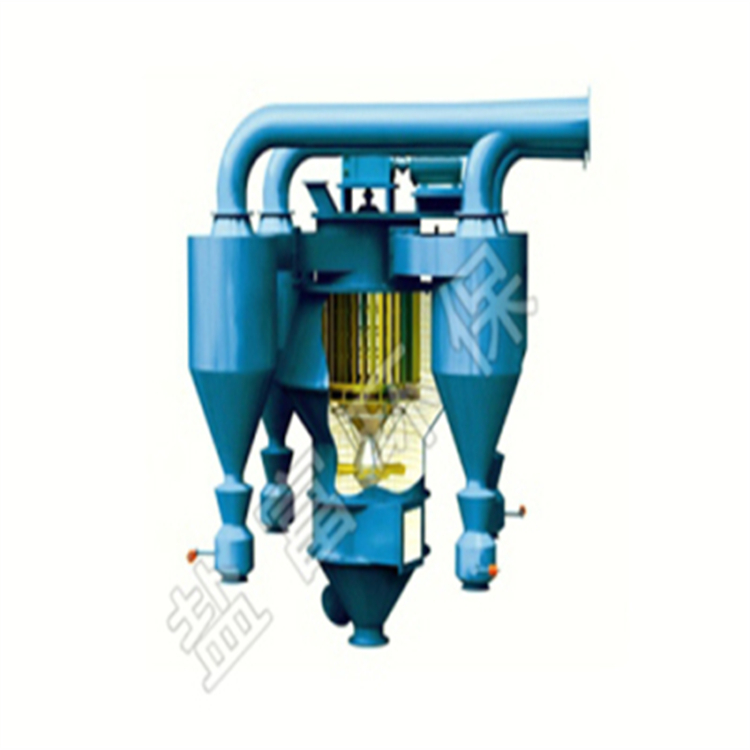
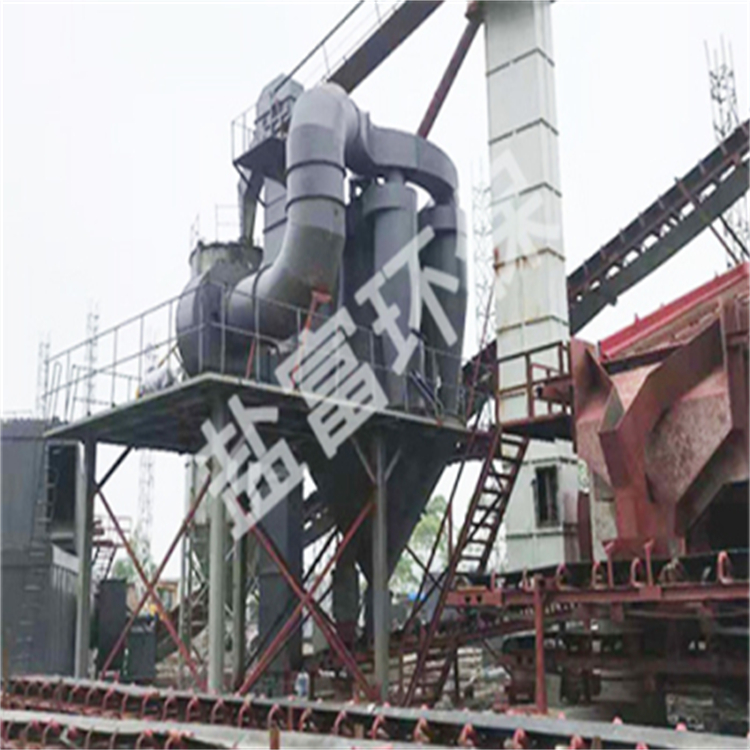
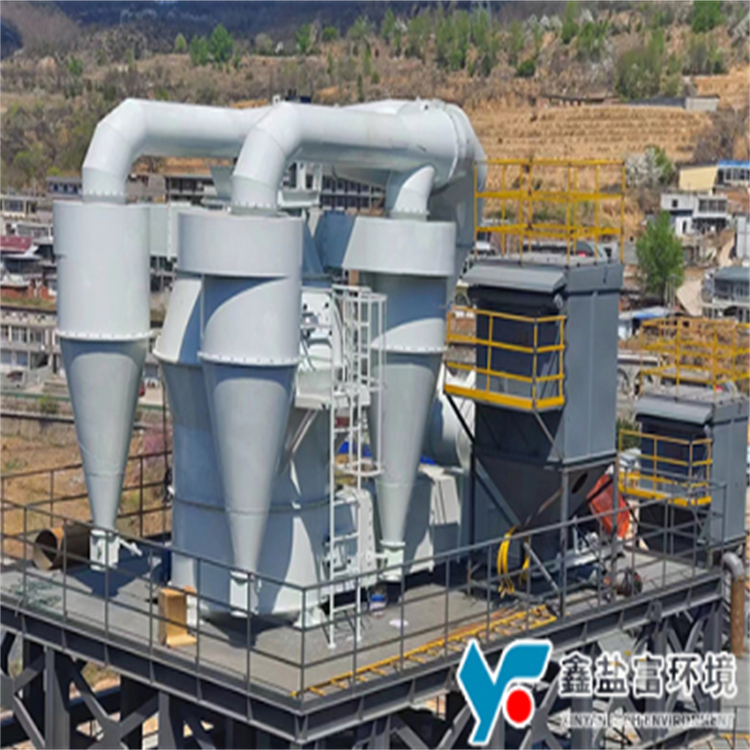
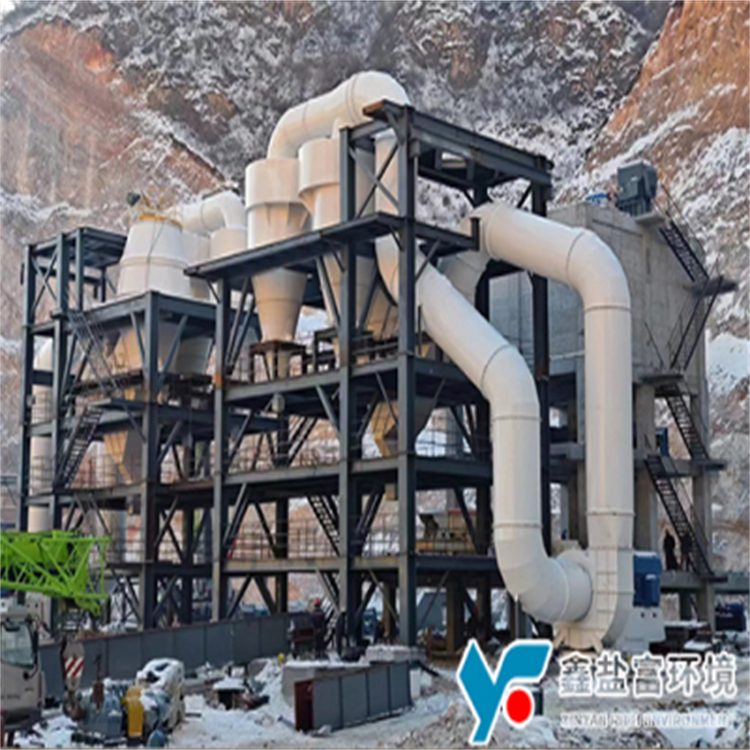
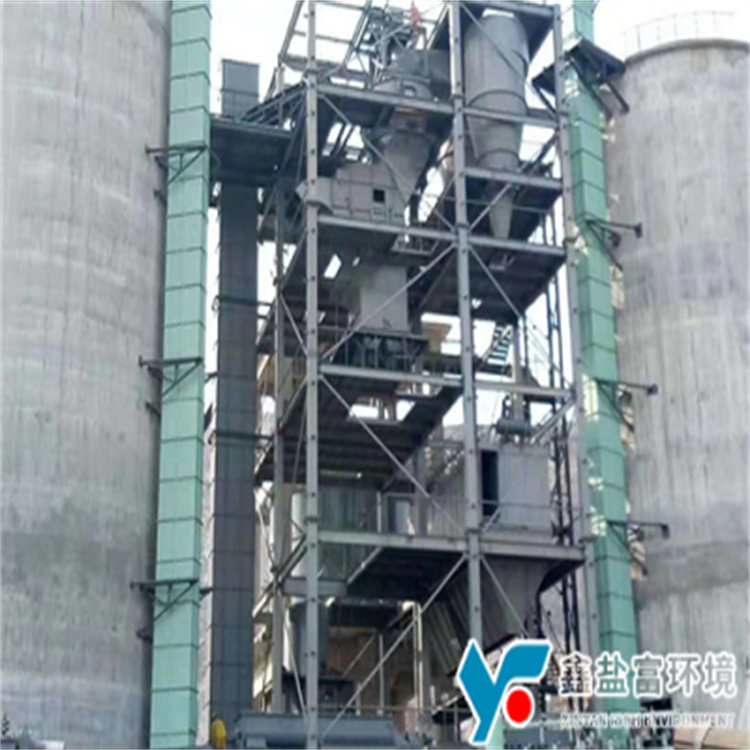
F涡流 - F eddy currentFly Ash SeparatorOur company has successfully developed a new type of grading equipment based on the introduction of advanced technology, through digestion, absorption, and independent innovation. It boasts high grading efficiency and a material-air ratio of 2.0~2.5 Kg/m³ of dry air. Compared to the current turbo grading machines, it has the following outstanding advantages:
1. Turbine classifier exhibits side wall effect: The current turbine classifier is merely an additional rotating turbine device placed in the middle of the cyclone chamber. The dusty gas containing mixed coal ash enters tangentially into the cyclone chamber, resulting in rapid rotation. Coarse particles are thrown against the wall and fall due to centrifugal force. However, due to the side wall effect, fine ash near the wall is also thrown against the wall by centrifugal force, mixing with the coarse ash, leading to inefficient fine ash separation.

2. Speed gradient exists in the airflow rotation: As the grading area is the annular region between the turbine periphery and the cylinder wall, the airflow enters only from one tangential inlet. Therefore, the gas velocity is higher in the inlet area, while it is lower away from the inlet, which results in an unstable flow field within the annular grading area, thereby affecting the grading efficiency.
3. Inability to Form Planar Vortex: The turbines in the current turbine grading machines are merely simple straight cage rotors, without horizontal baffles. The grading vanes are also made of flat steel, which results in the rotational airflow not being planar vortex but spiral airflow. Additionally, the airspeed of the intake at the top of the cage is faster, while the intake airspeed at the bottom is slower, thus affecting the grading efficiency.
4. The current turbo separator is designed to wash coarse ash with a secondary air entering tangentially at the bottom of the separator cylinder. However, if the wind speed of this secondary air is too high, it can easily lift a large amount of falling coarse ash, thus interfering with the material separation at the top of the anti-interference separation zone. If the wind speed is too low, it fails to clean the coarse ash effectively.
The YF fly ash dedicated separator completely overcomes the shortcomings of the turbine classifier, with its outstanding advantages lying in:
1. The designed straight cage rotor is a cage rotor composed of multi-layer horizontal partitions and vertical irregular grading blades. The horizontal partitions create a stable horizontal vortex in the grading area, while the irregular grading blades ensure that the grading airflow entering from the cage surface to the inside maintains the same velocity at any point, with a relative velocity difference of <5%. Consequently, the flow field in the grading area is uniform and stable, leading to a high grading accuracy.
2. A number of guide vanes with "concave" shaped grooves are evenly distributed in the intermediate section between the cage rotor and the external shell. The dusty gas must enter the annular classification space formed by the guide vanes and the cage rotor through several gaps of about 15mm along the tangential direction between the guide vanes. Due to the presence of the guide vanes, the edge wall effect is eliminated, significantly reducing the content of coarse ash and fine ash, and greatly improving the classification efficiency.
3. The coarse ash that falls into the coarse ash bin is washed by the upward airflow from the bottom, and the fine ash in the coarse ash is then recirculated into the classification area for further sorting.
4. Due to the uniform and stable flow field, the air flow rotation speed is high, resulting in strong centrifugal force and centripetal air suction. Therefore, the grading accuracy is very high, and the material-to-air ratio can reach 2.0 to 2.5, which is 2 to 3 times higher than that of a turbo grading machine (0.7 to 1.0). The air volume used for grading is only half that of a turbo grading machine, thus significantly reducing system energy consumption. An air classification system with a processing capacity of 60T/H consumes only 120KW, while a system with a capacity of 40T/H consumes only 100KW.
Technical Specifications:

询价单


