


- AllProduct Category
-
Accessories
Pipe Spark Trap
Boiling Furnace Coal Injector
Humidifier
Aerodynamically Assisted Sifter
Hot Air Furnace
Desulfurization and Denitrification Equipment
Drying Machine
Dust Collector
Fly Ash Separator
Sandstone Powder Separator
Sifter



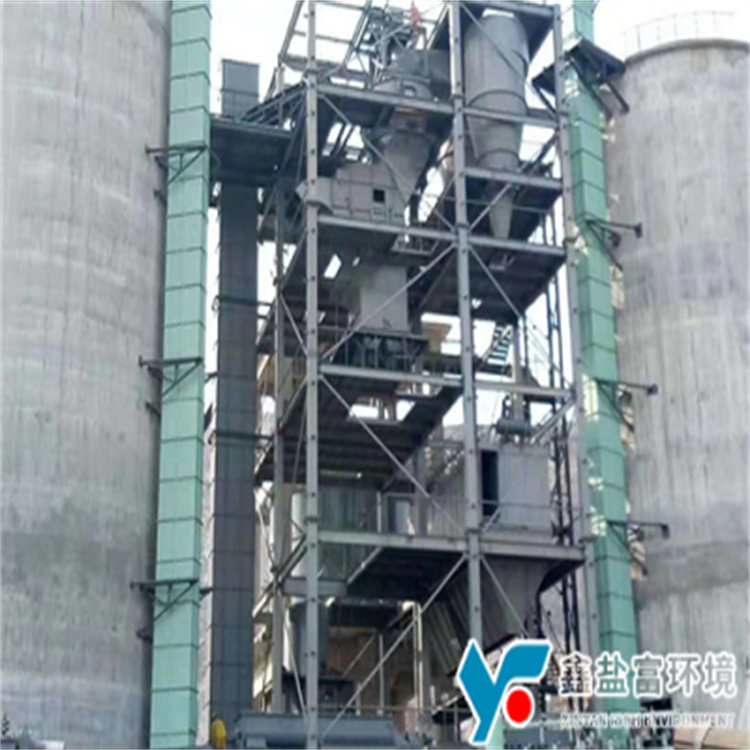
详情描述
【Material Particle Size】: ≤10mm 【Production Capacity】: 30-600t/h
Application Fields
Sand and gravel pits, mining operations, coal mining, concrete batching plants, dry powder mortar, quartz sand, etc.
Applicable Materials
Gravel, granite, basalt, iron ore, limestone, quartzite, diorite, construction waste, iron ore, gold ore, etc.
Artificial Sand MakingSifterProcess Flow Brief Introduction
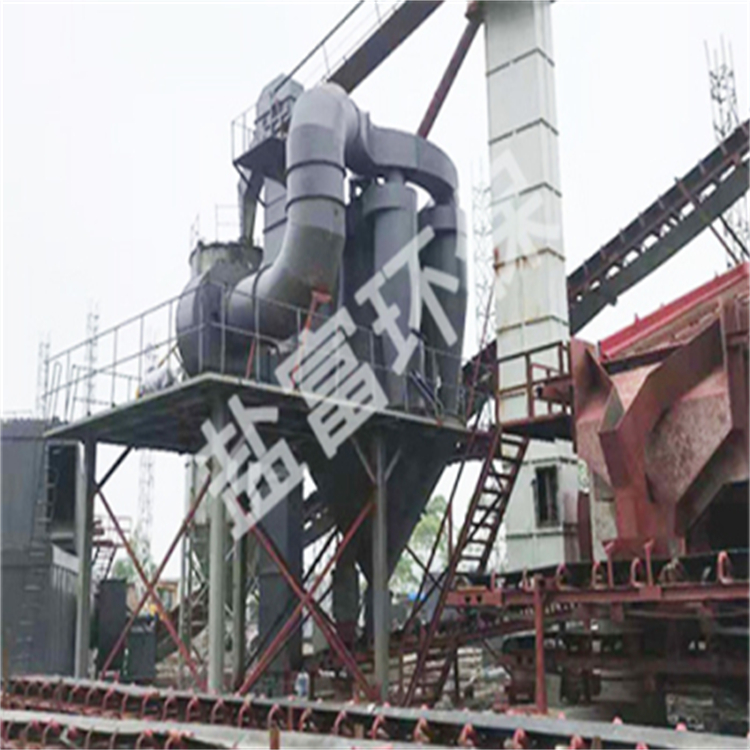
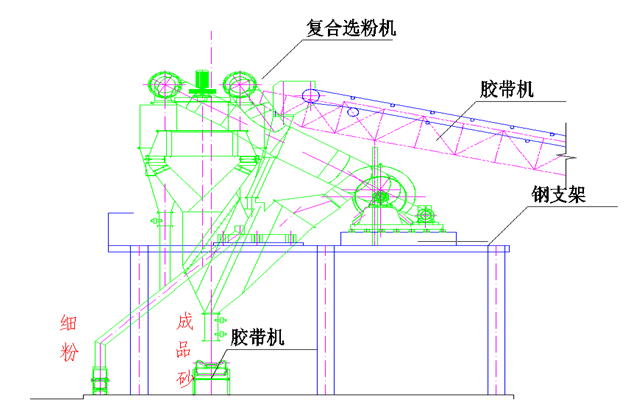
The dry sand production line consists of the following equipment: hopper, vibrating feeder, belt conveyor, sand making machine, vibrating screen, hoist, and compound type.Sand and gravel separatorComposed of material storage, etc.: Firstly, the crushed tailings are sent to the sand-making machine for crushing and shaping via a feeding machine. The products produced are then conveyed to a vibrating screen by a belt conveyor for separation of finished products and coarse particles. The material screened out is re-fed into the sand-making machine by a hoist for wind classification, separating the stone powder from the finished sand and storing them separately. The stone powder is stored in a silo, while the finished sand is kept in a stockpile.
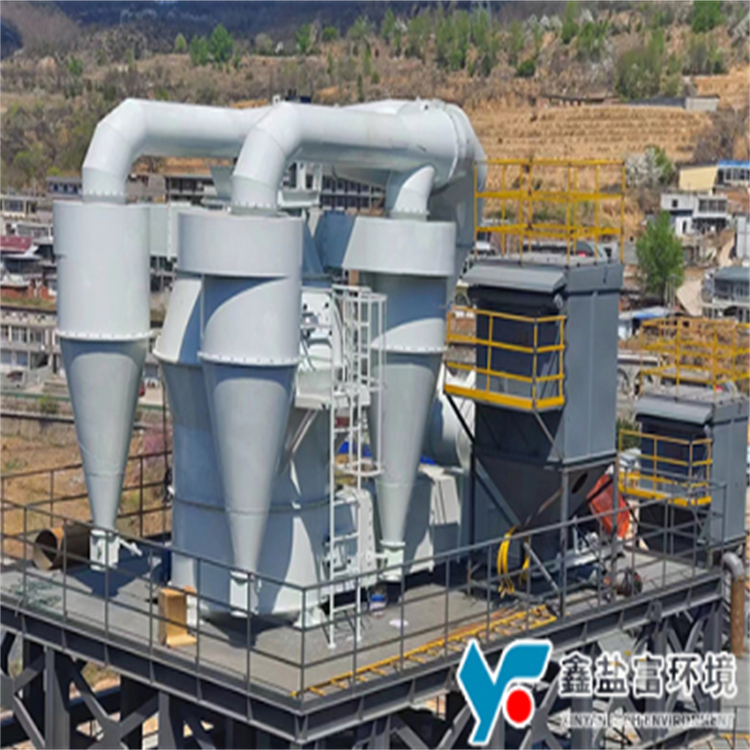
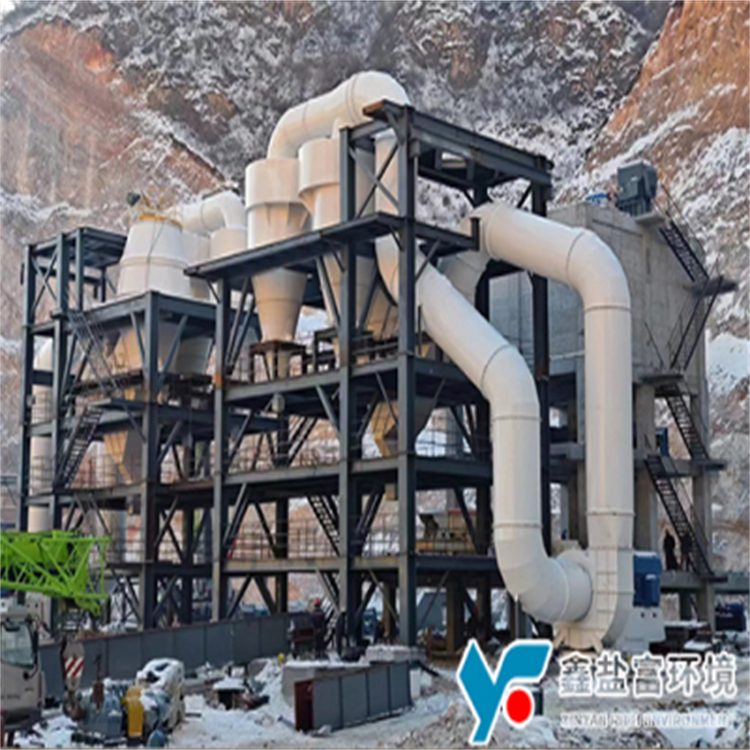
Two,Working Principle of Compound Separator Machine
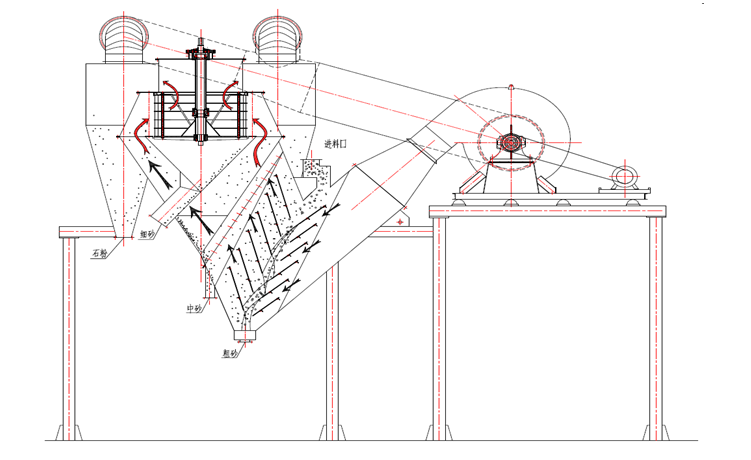
The raw material is fed into the machine through the feeding port using conveying equipment, then enters the disintegration area. Under the action of several groups of guide plates and impact plates, sand particles of different sizes fall at varying speeds, causing multiple relative friction between them. This process peels off the mud and stone particles from the sand surface, which are then quickly blown away by the wind, ensuring the sand is thoroughly cleaned.
Material entering the system is dispersed and stripped through multiple stages by dispersing plates, with the coarse and fine materials in the stream being blown away by the wind from the left. The coarse sand is discharged through the bottom coarse sand outlet. Materials suspended in the air flow enter between the multi-layer grading plates in the grading area, where the grading plates further remove relatively coarse materials suspended in the air flow, allowing the coarse materials to slide down the grading plates. These materials are then blown up again by the wind, repeatedly sorted, and finally, the fine powder is mixed with the coarse sand. The air flow carrying the material enters the medium material grading area, where, due to the deceleration of the air flow and deflection, the medium sand settles by gravity and impacts the wall of the separator, being discharged through the medium sand outlet. The air flow carrying the material enters the fine material grading area, where, under the action of the curved guide plates, the material rotates, creating both centrifugal and gravity settling effects. The fine sand falls into the lower fine sand collection cone and is discharged through the fine sand outlet. The powdered material enters the de-dusting area, where the slightly coarser material (fine sand) is ejected by the cage-type rotor. The fine sand impacts the curved guide plates and falls into the fine sand collection cone. The air flow containing the powder enters the cyclone for gas-solid separation, with the separated fine powder discharged through the powder outlet. The relatively clean air enters the fan through the exhaust pipe for recirculation.
III.Performance Features of YFSF Series Artificial Sand Selection Mill
Advanced sorting principle: The product features multiple grading systems. By employing aeronautical aerodynamics analysis to optimize the material flow field, it is tailored to the characteristics of sand and stone, significantly reducing the equipment's operating resistance, achieving high sorting efficiency, and demonstrating remarkable energy-saving and cost-reduction benefits. Superior to the traditional water-washing sand and stone sorting production process.
2. The V-shaped grading area has a simple structure, uses less material, has no electrically powered disintegration device, experiences minimal pressure difference loss, operates stably, and saves on electricity consumption.
3. High separation accuracy. The powder separator utilizes an eddy current straightener, where the airflow inside the straightener rises relative to the rotor without rotation. The material is repeatedly cleaned in the separation zone, resulting in high grading accuracy.
4. Simple operation. The cage rotor uses variable frequency stepless speed control. Wide adjustment range, easy and sensitive to regulate, reliable.
5. High grading efficiency. The "V" type discharging powder zone is equipped with multi-layer discharging and grading plates, which repeatedly disperse and blow away the powder, resulting in almost no fine powder in the discharged coarse powder. In the sedimentation grading zone, the powder outlet has an airflow that blows away the fine powder from the medium material, significantly reducing the fine powder content in the medium material. The grading rotor zone has added guide plates, making the grading more accurate and effective.
6. Wear-resistant parts require minimal maintenance and have a long service life. The main components of this classifier, which are prone to damage, are made of imported wear-resistant steel plate, effectively extending the service life. The entire machine has undergone dynamic balance correction, ensuring smooth operation across the full speed range.
7. The main shaft lower bearing seal employs a new design scheme, effectively addressing both major issues of bearing dust ingress and lubricating oil leakage, thereby significantly extending the bearing's service life.
8. When designing the de-dusting machine base, we employ the mechanical vibration reduction principle to ensure the vibration frequency of the sorting machine base does not form an integer multiple relationship with the inherent frequency of the sorting machine, fundamentally solving the long-standing resonance issue of the sorting machine.
9. The coarse, medium-fine, and fine sand pipes all feature dual-locked air valves, significantly reducing the system's air leakage rate and overcoming the previous defect of excessive dust during the operation of the de-dusting machine.
10. The system utilizes dual-locked air dampers and internal recirculating air to effectively reduce system air leakage and minimize dust emissions during operation.
询价单


