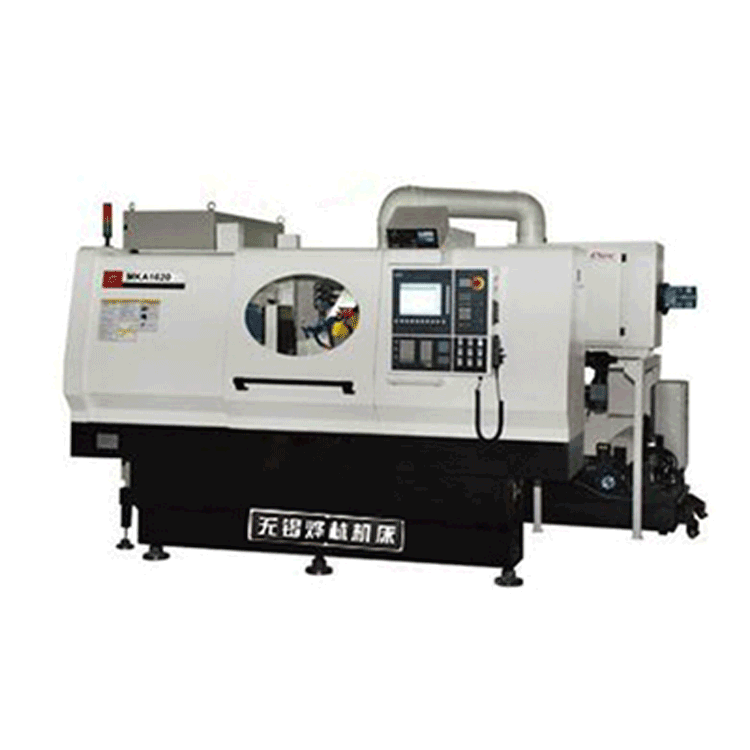
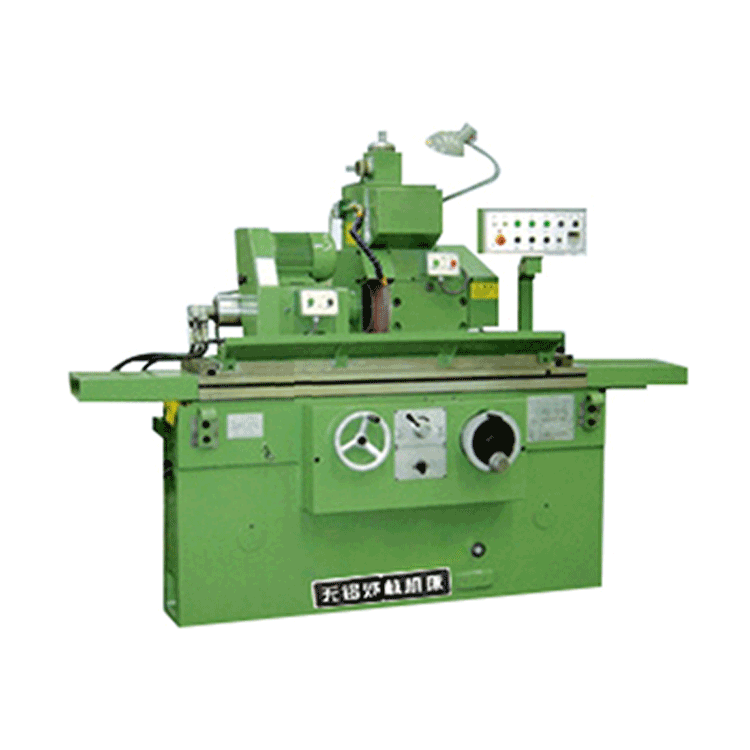
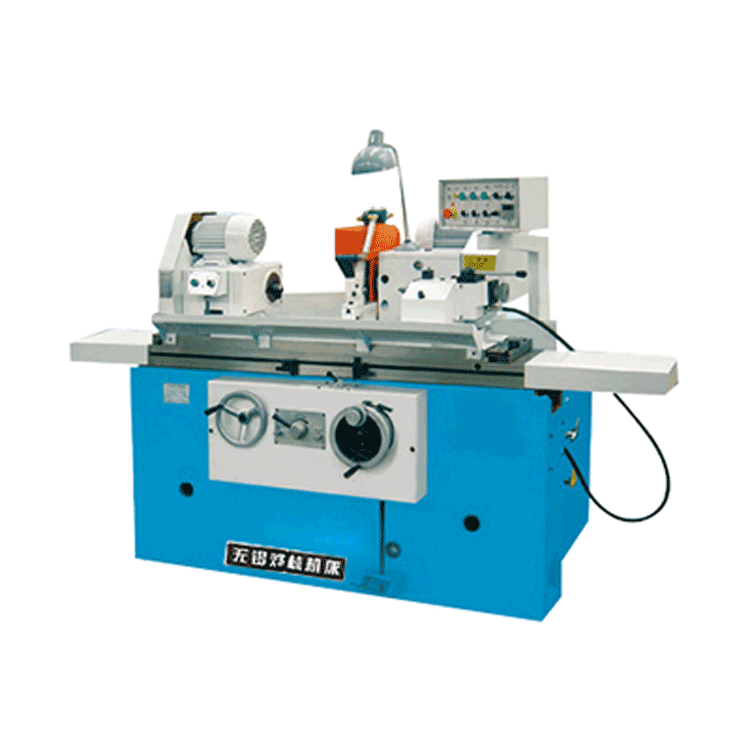
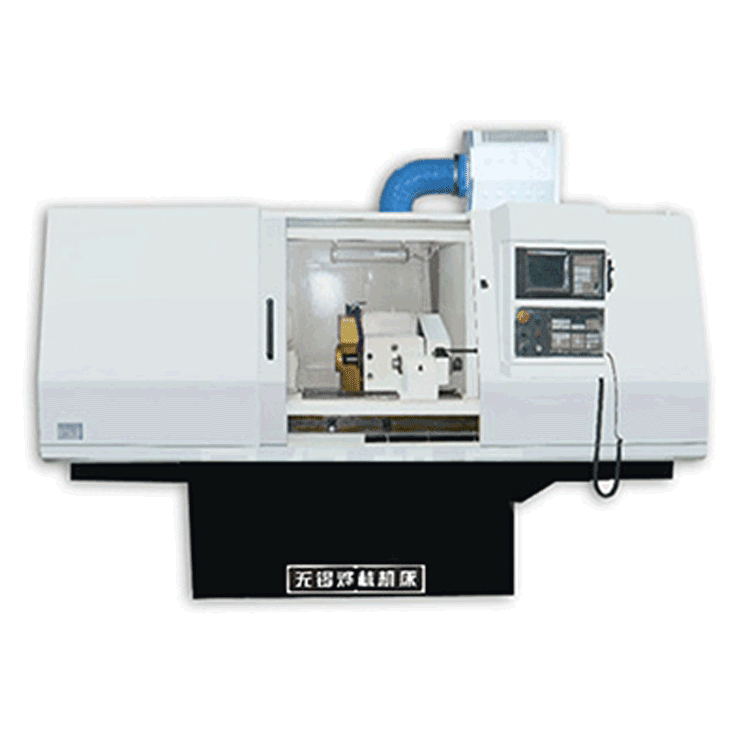
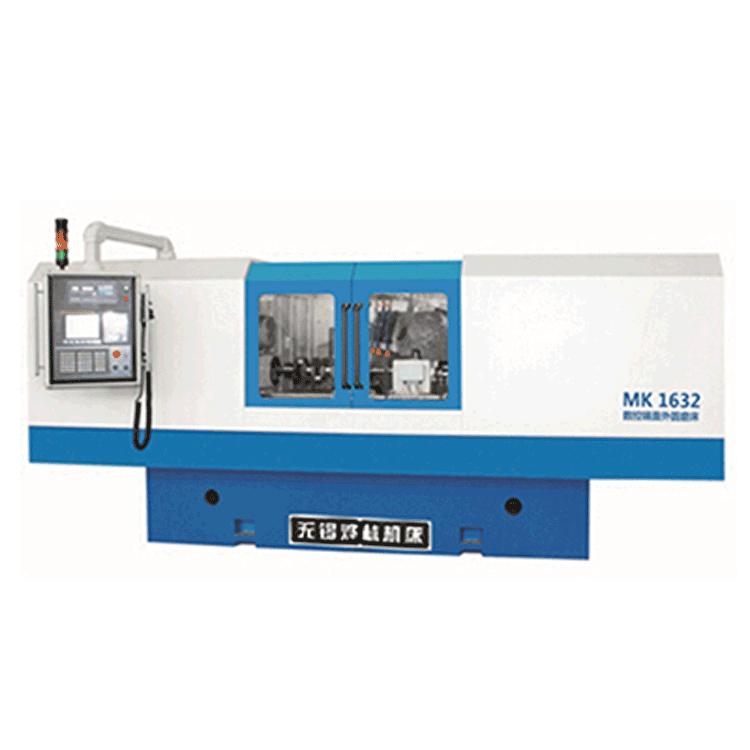
Primarily produce and research external cylindrical grind...

The stability of CNC external cylindrical grinding machines is a key factor ensuring high-precision grinding operations. Factors affecting the stability of machine tools are diverse, including the following aspects:
1. Machine Tool Structure and Rigidity: The structure and rigidity of a machine tool are critical factors in determining stability. An unstable structure or poor rigidity can lead to vibrations and deformation, thereby affecting processing accuracy. Choosing a high-quality, stable machine tool is essential.
2. spindle and bearings: The stability of the spindle directly affects the accuracy of grinding and the surface quality. Ensuring the design and maintenance of the spindle and bearings is crucial to minimize vibrations during the operation of the grinding machine.
3. Feeding System: The performance and accuracy of the feeding system significantly impact stability. Ensuring the precision of the feeding system control and the smooth movement of the feeding shaft are crucial.
4. Grinding Wheels and Sanding Heads: The selection and maintenance of grinding wheels and sanding heads are crucial for the quality and stability of grinding. Attention must be given to the balancing and assembly of the sanding wheels.
5. Tool Support and Workpiece Clamping: The stability of the tool support system and workpiece clamping system affects the accuracy of processing and the surface quality. Ensure that these systems securely and stably hold the tools and workpieces.
6. Grinding Fluid Cooling System: The cooling and lubricating properties of the grinding fluid are crucial for stability and grinding accuracy. Incorrect cooling and lubrication can lead to friction and thermal deformation during the machining process.
7. CNC Systems and Programming: The performance and programming accuracy of CNC systems greatly impact stability. Ensuring the correct operation and programming of CNC systems is crucial.
8. Environmental Conditions: Surrounding environmental factors, such as temperature, humidity, and vibration sources, can also affect the stability of CNC external cylindrical grinding machines. Stable temperature and humidity can reduce thermal deformation of the machine tool, while vibration sources may cause the machine tool to vibrate.
9. Maintenance and Upkeep: Regular maintenance and upkeep are crucial for ensuring the stability of machine tools. This includes lubrication, spindle and bearing inspections, and wheel balancing.
10. Process Parameters: Select appropriate process parameters, such as grinding speed, cutting depth, and feed rate, to ensure stable grinding operations.
11. Tool and Wheel Selection: Choosing the appropriate tool and wheel types to accommodate various grinding requirements enhances stability.
Considering these factors ensures that every aspect of the CNC external cylindrical grinder is in optimal condition, which can enhance stability and achieve high-precision external cylindrical grinding. This is crucial for producing high-quality parts and reducing waste rates.


b2b.china9.net © Zhongshang 114 Hebei Network Technology Co., Ltd.Address: Room 6009, Oriental New World Center, No.118 East Zhongshan Road, Qiaoxi District, Shijiazhuang City, Hebei ProvincePlatform Service Hotline: 4006299930