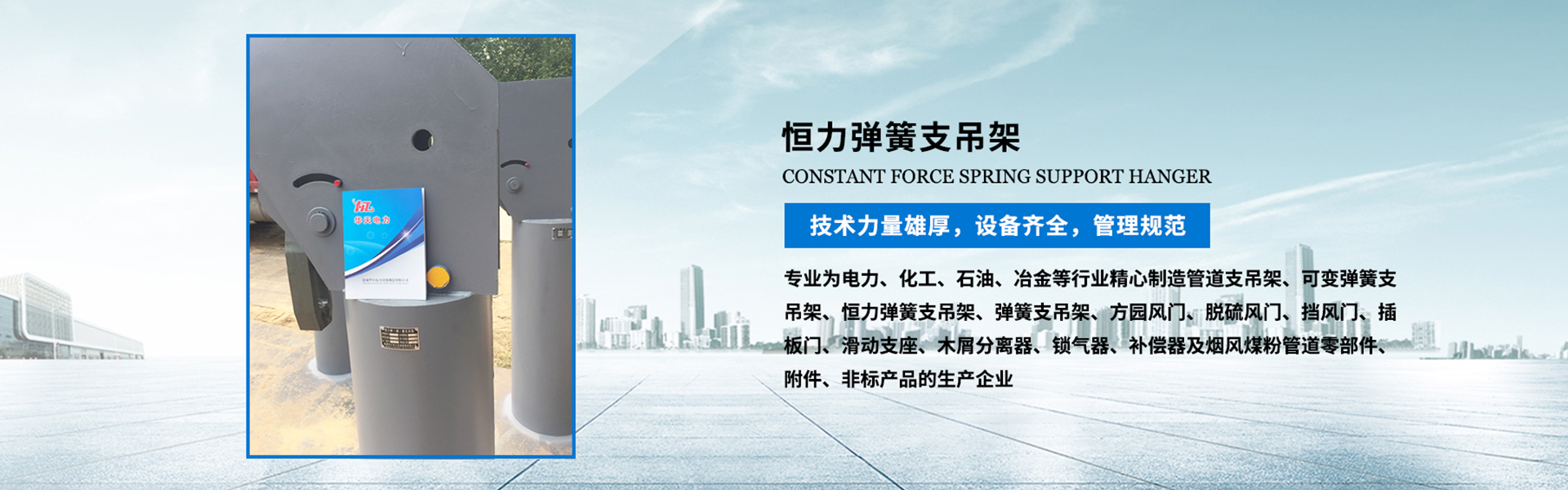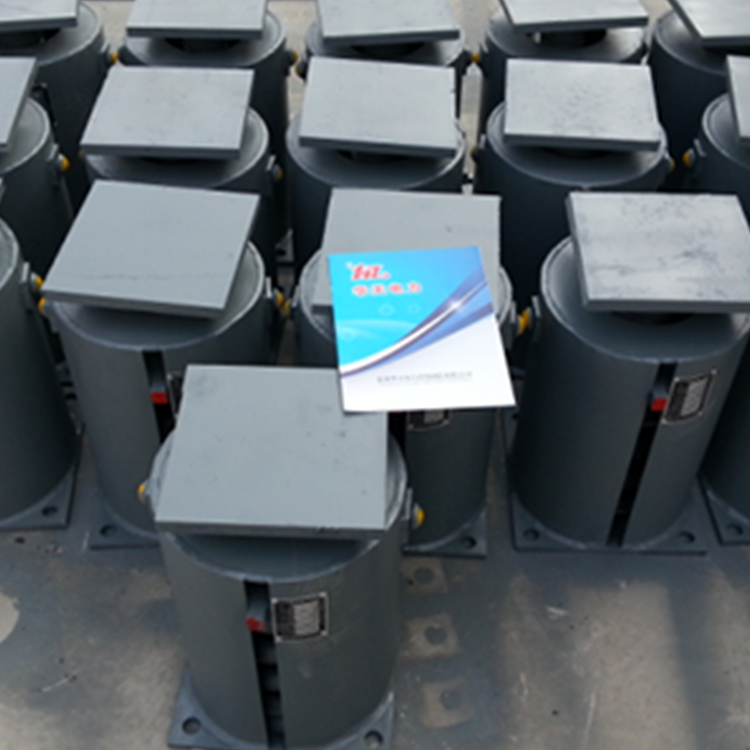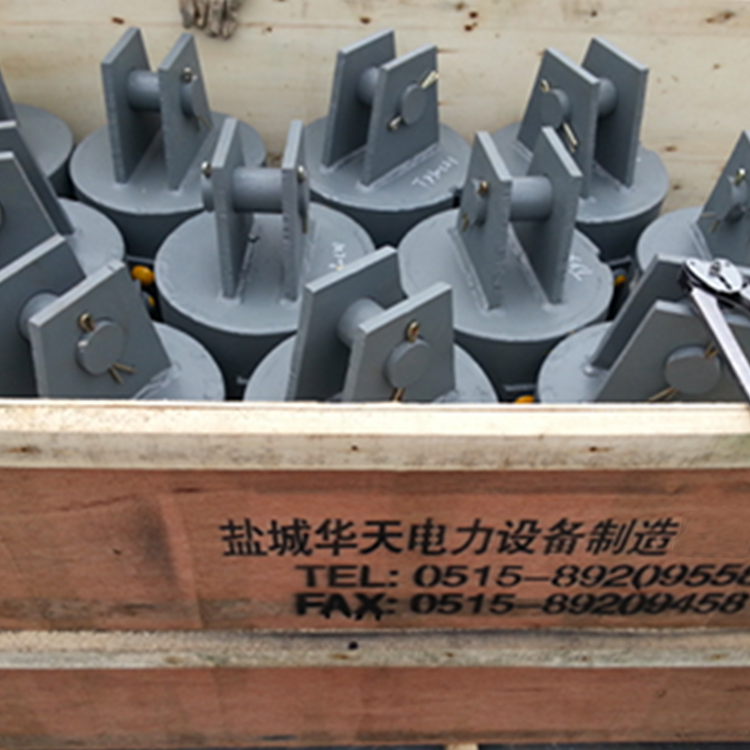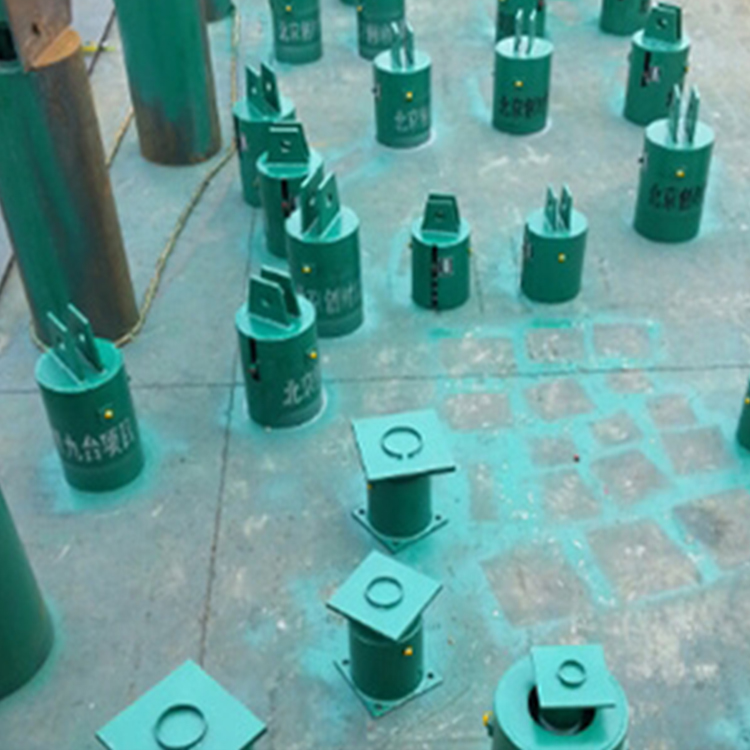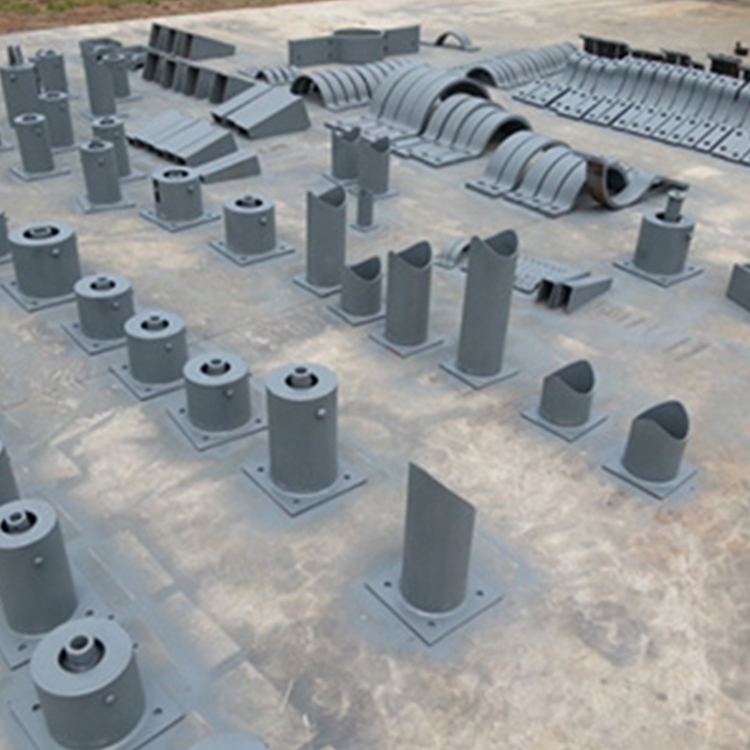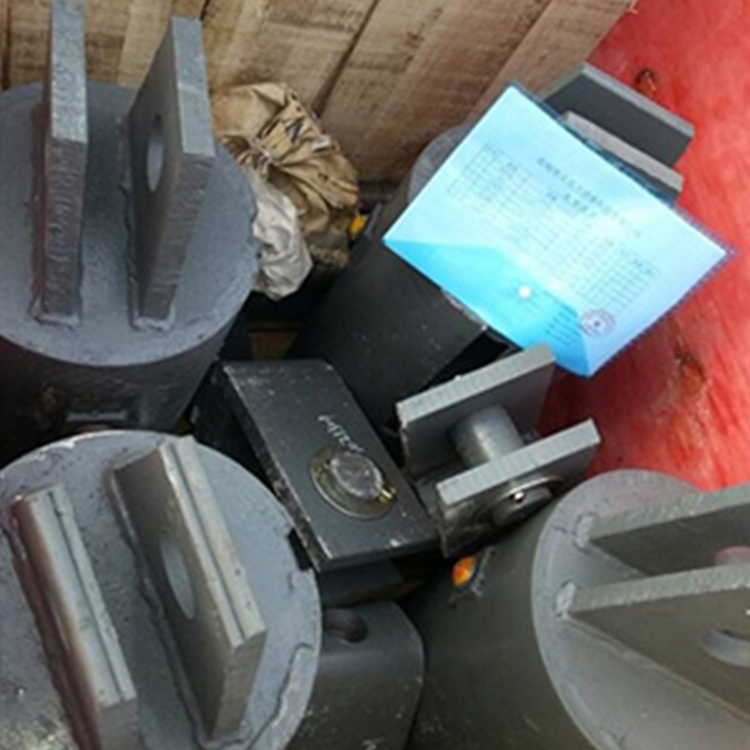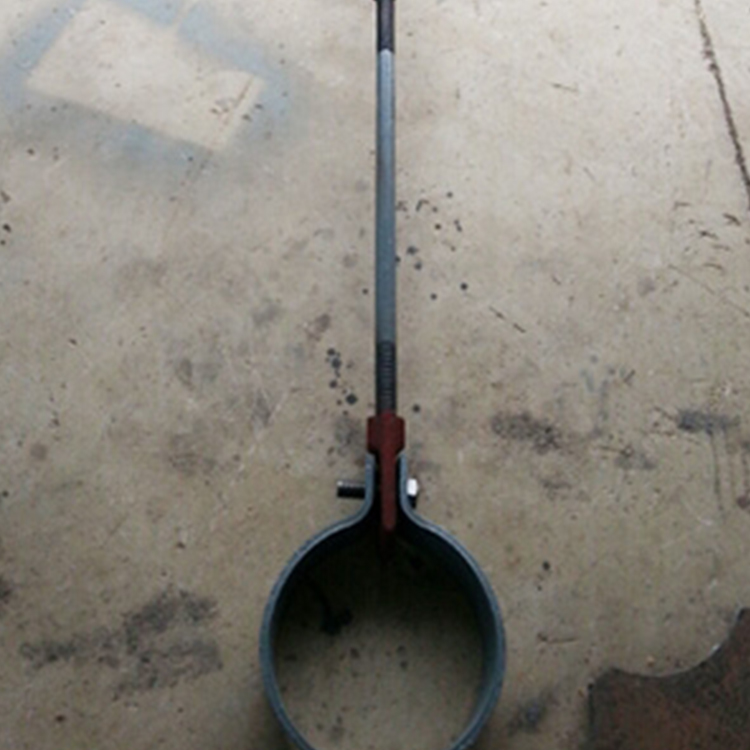
Spring suspension bracket
18094309588
Spring Hanger BracketHow long is the lifespan of the product?
Hengli Spring Support HangersLife Span Analysis
I. Introduction
Hengli Spring Hangers (shortened to "HengTiao") are essential equipment for reducing additional stress caused by thermal expansion, widely used in power plants, chemical industries, power stations, and oil systems. Properly understanding their service life is crucial for equipment safety, maintenance costs, and operational stability.
This article will systematically analyze the lifespan of Hengli spring suspension brackets by delving into technical indicators, standard requirements, factors affecting lifespan, and strategies for extending lifespan, aiding engineers, purchasers, and maintenance staff in gaining a more comprehensive understanding of this commonly used equipment.
What is a恒力Spring Hanger?
The HengDiao is a spring suspension bracket designed based on the principle of moment balance, which can continuously provide a fundamentally constant supporting force during the displacement of pipelines, thus avoiding the generation of additional bending stresses.
Technical features include:
All products undergo 100% overloading tests prior to shipment, ensuring they are at least twice the standard load.
Coating for rust prevention and guarantees no rust within 1 year of factory delivery.
Oil tank labels indicate model numbers, manufacturing dates, operating parameters, etc.
Spring Adjustment Range: ±10% to ±15% under Standard Load
These specifications ensure that the constant hoist can operate stably for a long time under proper installation, use, and maintenance conditions.
Section III: National and Industry Standards Related to Service Life
At present, the relevant standards at home and abroad mainly include:
The "Hengli Spring Hanger and Bracket Standard (NB/T 47038-2019)," covering aspects such as performance testing, overload testing, load constancy, processing, coating, and packaging.
GB/T 17116.1-2018 "Pipe Support and Hanger - Part 1: Technical Specifications" provides detailed regulations on materials, design, manufacturing, testing, inspection, and maintenance procedures.
The Industrial Metal Pipeline Installation and Construction Standard GB50235-2010 and the Quality Acceptance Standard GB50184-2011 impose strict requirements on on-site installation and spring adjustment, with numerous clauses emphasizing that proper installation directly impacts lifespan.
From a standard perspective, as long as production is compliant, installation is standardized, and regular maintenance is properly conducted, the design lifespan of Hengdiao products is typically over 20 years, with even 30 years being a normal expectation.
Four: Key Factors Affecting Service Life
Materials and processing quality
Spring materials (such as high-strength steel, alloy steel) have excellent fatigue resistance. If the load does not exceed the design range, their fatigue life can exceed one million cycles.
Precision in processing and quality of heat treatment affect the uniformity of hardness; inferior springs are more prone to "permanent deformation" or fatigue failure.
Installation Quality
Spring suspension brackets must be installed at the design elevation, locked in place after cold-state adjustment to prevent excessive installation errors.
The on-site installation should ensure that the guide bracket is flat with no sticking or jamming, and the eccentric installation value should be half the mean displacement.
If not installed properly, the spring is often used at the limit load or unlocked range, significantly reducing its lifespan.
3. Load and thermal expansion loads
The Hengli Spring Hanger should operate within the "Permitted Displacement Range" and "Design Load." Deviation from these conditions can easily lead to fatigue or creep failure.
4. Environment and Corrosion Protection
Moisture, corrosive agents, and temperature all influence corrosion rate. Factory-finished paint provides one year of rust resistance, but in harsh installation environments, a protective coating or stainless material is required to maintain longevity.
5. Maintenance and Upkeep
Without maintenance or missed inspections, oil loss in the spring accelerates fatigue accumulation, as well as rust on the adjusting bolts and loose locking pins.
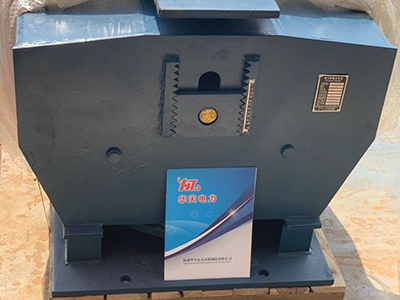
Section V: Expected Lifespan
Terms of Use Expected Lifespan Range
Operational Stability, Periodic Inspections and Maintenance - 25-30 Years
Complex operating conditions, occasional overloading ~15-20 years
Severe Environmental Corrosion, Lack of Maintenance: 5-10 Years
Under high design quality, the spring body completes one displacement cycle daily, totaling approximately 365 cycles per year, and 11,000 cycles over 30 years. Compared to its fatigue limit, the typical service life exceeds 100,000 cycles.
Six: Strategies for Extending Lifespan
Strictly adhere to production standards
Qualified springs must pass tests for hardness, dimensions, overload, constant force, load deviation, and lifespan, and be coated with a corrosion-resistant layer.
2. Professional and Precise Installation
Do not alter design parameters at your own discretion.
Follow construction specifications® for cold-state zeroing, maintain a locked, stationary position.
Biased installation and guide bracket synchronization adjustment
3. Regular Inspections and Maintenance
Establish ledger to prevent fatigue risks within a 10-year cycle.
Monitor coating damage, rust, bolt looseness, and lock pin status.
Apply paint, rust-proof oil, or replace springs as necessary.
4. Education and Training
Training installers and maintenance staff can significantly enhance lifespan through increased awareness.
Section 7: Fault Case Analysis
Creep Failure
Due to the effects of high-temperature conditions and long-term static loads, the spring has deformed and is unable to reset.
Fatigue Fracture
Multiple low-temperature thermal cycles, extensive fatigue crack propagation, necessitating replacement of parts.
Corrosion Locking or Bolt Shear
High humidity and neglect of maintenance, excessive rust on bolts, leading to stress concentration during use and subsequent fracture.
Improper installation
Improper cold state zeroing or insufficient thermal expansion allowance has led to frequent impacts and thread disengagement.
Section 8: Practical Tips
Select products that meet the NB/T 47038 & GB standards during procurement, check the certification and manufacturing date.
Document the "cold state zeroing value" and "hot state offset value."
Invest in periodic inspections; post-project launch at 6 months, 1 year, 3 years, and 5 years.
Focus on critical components: anti-corrosion coating, locking pin, and safety limit switch.
Monitor operating conditions: Recommended ambient temperature for factory use is <200°C; please specify for custom high-temperature material if exceeding this range.
Conclusion
The Helical Spring Support Hanger is a critical support equipment for long-term operation. With standard production, precise installation, and regular maintenance, its service life typically reaches 20-30 years, or even longer. In harsh environments or complex operating conditions, the lifespan may be reduced to around 10 years.
The key lies in: selecting the right product, fine-tuning installation, and regular maintenance—all three in sync. This ensures the full utilization of the constant tension hoist's lifespan performance benefits, safeguarding the long-term safe operation of the pipeline system.
Contact us

Service Hotline
18094309588
Company Telephone
18094309588

Address
Sheyang Economic and Technological Development Zone Industry
b2b.china9.net © Zhongshang 114 Hebei Network Technology Co., Ltd.Address: Room 6009, Oriental New World Center, No.118 East Zhongshan Road, Qiaoxi District, Shijiazhuang City, Hebei ProvincePlatform Service Hotline: 4006299930