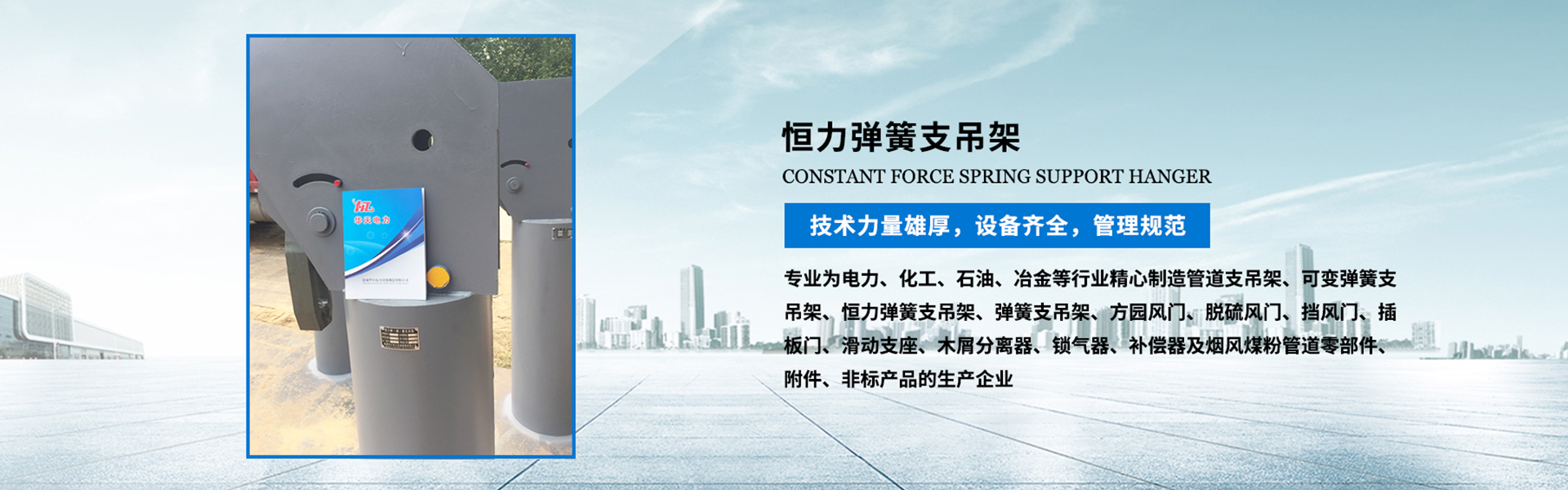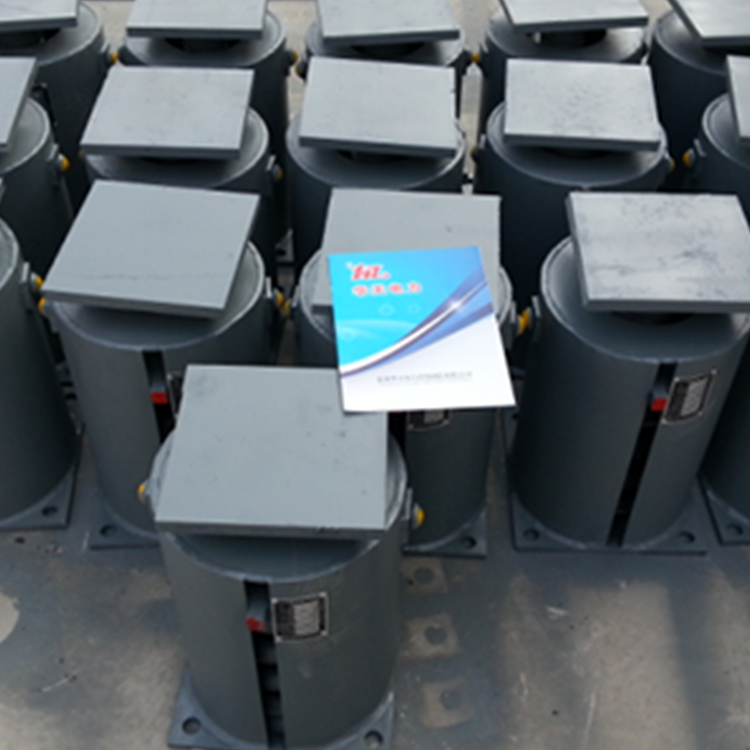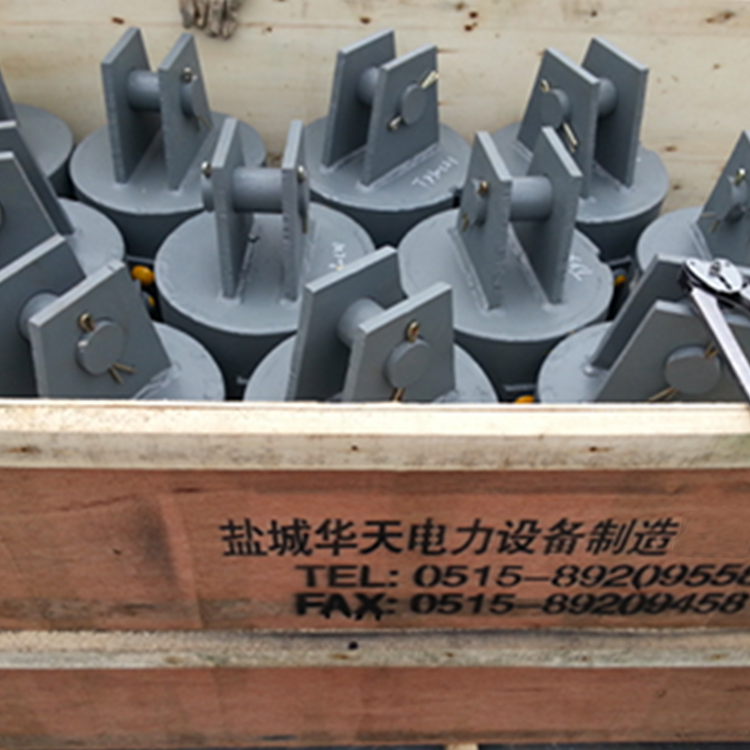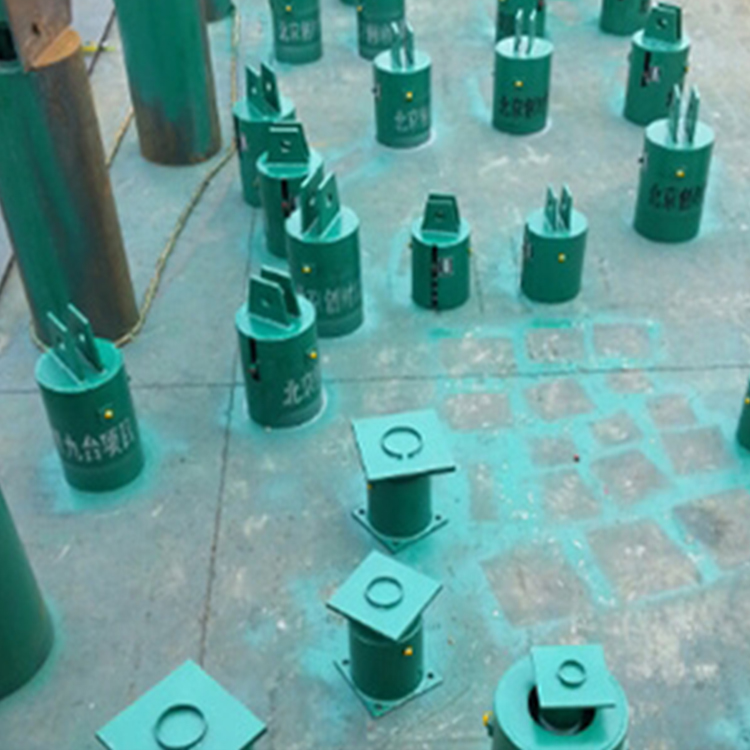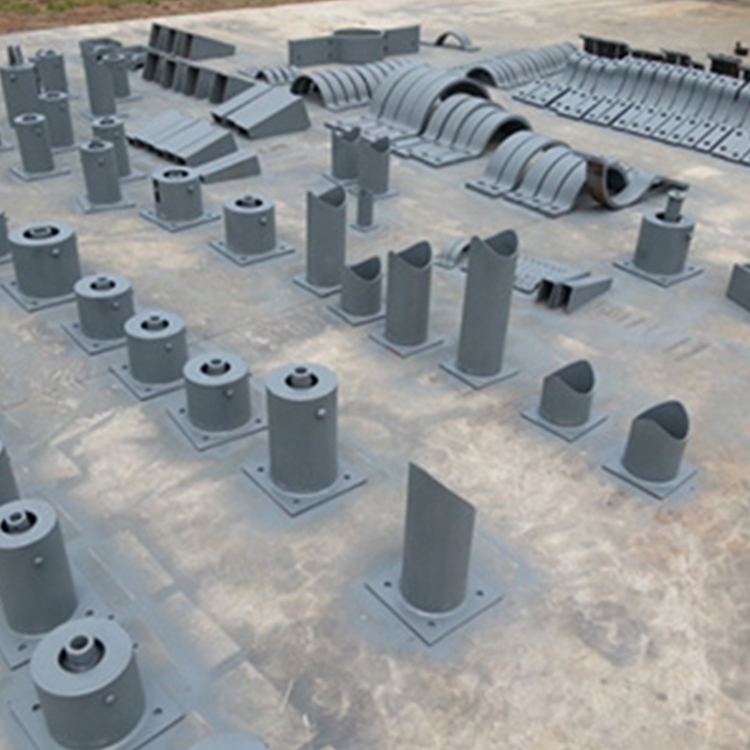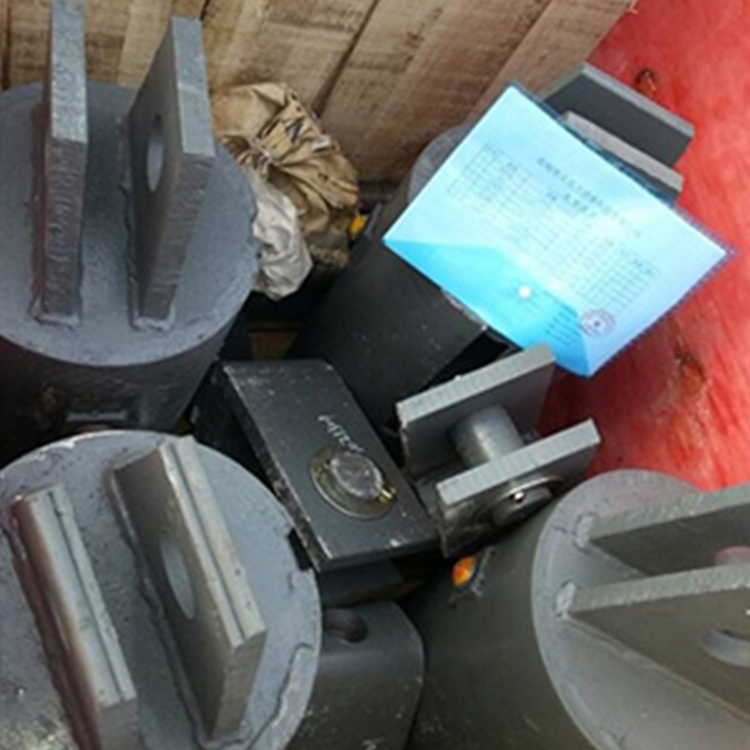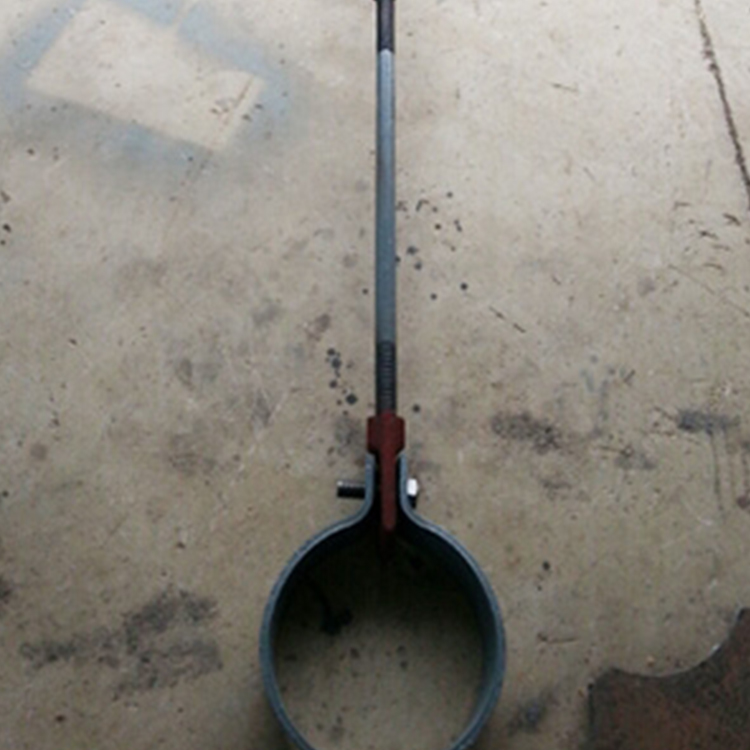
Spring suspension bracket
18094309588
Spring Support HangerWhat is the working principle?
The working principle of spring suspension brackets
Introduction
In modern industry, pipeline systems are widely used in sectors such as oil, chemicals, power, metallurgy, and nuclear energy. Due to the influence of factors like temperature, pressure, and vibration during the transportation of media, pipelines inevitably experience thermal expansion, cold contraction, or mechanical vibration. If these stresses are not properly buffered and absorbed, they can lead to pipeline破裂, bracket deformation, equipment damage, and even affect the safe operation of the entire system. To address this issue, spring supports and hangers have emerged.
A spring suspension bracket is a device that utilizes the flexible properties of springs to bear or compensate for pipeline displacement and load changes. It provides effective support or suspension for pipeline systems while buffering displacements caused by thermal expansion and contraction. This article will systematically introduce the classification, structure, working principle, and application advantages of spring suspension brackets, and deeply discuss their indispensable role in industrial systems.
Section II: Definition and Classification of Spring Hangers
1. Definition
A spring suspension bracket is a pipeline support device primarily using springs as the main load-bearing and buffering elements. It is mainly composed of a housing, springs, a load-bearing device, and a guiding mechanism, which can dynamically adjust to changes in load or displacement during the pipeline operation, ensuring the safe and stable operation of the pipeline system.
2. Categories
Based on their structural and operational differences, spring suspension brackets can be categorized into the following types:
Hengli Spring Support HangersMaintains consistent support force, unaffected by vertical displacement of the pipeline.
Variable Spring Hanger BracketThe bearing capacity varies with displacement, but the range of variation is within the controllable limits.
Hengli Hoist (Co.)**Instant Hanger and Variable Hanger are commonly used in pipeline systems with different precision requirements.
Combination Spring Hanger BracketMultiple spring units are connected in parallel to bear heavier loads.
Sliding Bracket: Combining with a sliding base, it is suitable for supporting horizontal pipes and allows for a certain degree of horizontal movement.
Section 3: Structural Composition of Spring Support Hangers
A typical spring suspension bracket is composed of the following main parts:
Spring Element
Primarily bears and adjusts loads.
Spiral cylindrical compression springs are commonly used, with the elastic coefficient designed based on the required load and displacement.
Shell or Frame
Used for securing springs and supporting the overall structure.
Welded or cast from steel plates, it boasts sufficient strength and rigidity.
Guiding Rod/Screw Mechanism
Control the extension and contraction direction of the spring to ensure it operates within the design path, avoiding eccentric forces.
Carrying Components (Hanging Rods, Brackets, etc.)
Connect the pipe and transfer the pipe load to the spring.
Adjustment Devices (Nuts, Bolts, Fasteners, etc.)
Used for presetting the initial spring height or load, with fine adjustments during operation.
Indicators and Rulers
Real-time display of spring extension and load-bearing capacity changes, facilitating monitoring and maintenance.
Section 4: Working Principle of Spring Hanger Bracket
The working principle of spring suspension hangers is primarily based on Hooke's Law (F = kx), where the load F on the spring is directly proportional to its deformation x, with k being the spring stiffness (elastic coefficient). In thermal pipeline systems, as the temperature changes cause the pipeline to elongate or shorten, spring suspension hangers absorb this displacement through their own elastic deformation and provide the corresponding counterforce, thereby protecting the pipeline from being over-stretched or compressed.
The working principle of the variable spring suspension bracket
In the initial installation state, the spring is pre-compressed to provide an initial supporting force. As the pipe temperature rises and thermal expansion causes vertical displacement, the spring suspension extends or compresses accordingly, with its load-bearing capacity varying with the displacement. However, the rate of change is controlled within an allowable range (typically not exceeding 25% of the load-bearing capacity). This structure is suitable for pipe supports with minimal displacement.
For example:
A variable suspension bracket design supports a force of 1000N, with a spring stiffness of 100N/mm. If thermal expansion causes the pipeline to move downward by 10mm, the load-bearing capacity increases to 1000N + 100N × 10mm = 2000N.
2. The working principle of Helispring suspension bracket
Hengli's support brackets utilize precise mechanical structures, such as levers and crank slider mechanisms, to provide a constant load-bearing capacity throughout the entire working displacement range. This constant force output is unaffected by spring deformation, making it highly suitable for systems with large displacements and sensitivity to force changes.
Principle of Lever Balance
By ingeniously designing the structure, the variable force provided by the spring is converted into a constant force output via a lever, thereby achieving a constant-force support effect.
Actual Significance:
The design can avoid sudden load changes caused by displacement, reducing stress concentration in pipelines.
Case Study Application
Case 1: Power Plant Steam Transmission Pipeline
In the high-temperature steam pipeline systems of power plants, temperature variations are substantial, with expansion displacements reaching hundreds of millimeters. The use of constant-force support hangers can effectively reduce stress concentration on welds and flanges. During installation, the neutral position corresponding to the preset temperature is set. As the temperature rises, the spring extends, but the provided support force remains unchanged.
Case 2: Chemical Plant Reactor Connecting Pipe
In situations where structural constraints are present and installation space is limited, the use of adjustable suspension and support systems is more economical and rational. For instance, when the space for brackets is restricted and the displacement does not exceed 20mm, adjustable suspension and support systems can meet the load requirements without the need for complex structural conversions.
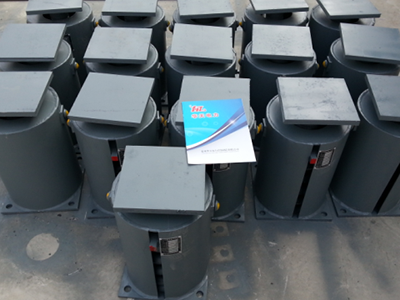
Six: Advantages of Spring Support Hangers
Compensation pipeline thermal displacement
Effectively absorbs axial and vertical displacements caused by thermal expansion and contraction, ensuring stable operation of the pipeline system.
Reduce Stress Concentration and Fatigue Damage
Reduce stress at pipeline and equipment interfaces to enhance the system's seismic and fatigue resistance performance.
Broad Adaptability
Suitable for various installation orientations (vertical, horizontal, diagonal) and complex working conditions.
Flexible Installation and Commissioning
The spring suspension brackets are equipped with adjustable devices, allowing for the adjustment of preload and position based on the actual conditions after installation.
Low maintenance costs
Simple structure, easy to maintain, with convenient spring component replacement and long service life.
Section 7: Usage and Maintenance Tips
Pre-installation debugging
Ensure the installation location matches the design drawings.
Set initial pre-tension, verify displacement scales.
Ensure the transport locking device is cleared before loading.
Routine operational inspections
Regularly inspect the spring's extension for normalcy.
ReviewConnectorsWhether loose or corroded;
Check if the indicator aligns with the actual displacement.
Replacement and Maintenance
Spring stiffness decreases after aging; they should be replaced regularly.
Parts such as guide sleeves and limit switches should be kept lubricated.
Corrosive gases present in the environment require anti-corrosion protection measures.
Trends
As industrial equipment evolves towards high temperatures, high pressures, heavy loads, and large displacements, spring supports and hangers are also developing towards intelligence, lightweighting, and modularization.
Intelligent Support and Hinge System: Monitors forces and displacements in real-time via sensors, integrates with SCADA systems for remote early warnings.
New Composite Material Springs: Such as glass fiber reinforced plastic springs, which enhance corrosion resistance and reduce structural weight.
Modular Design: Streamlines selection and installation processes, catering to customized requirements.
Conclusion
Spring suspension hangers serve as crucial flexible support components in modern pipeline systems, offering not only support but also effectively addressing complex working conditions such as displacement and stress, ensuring system safety. Their working principle is based on the energy-absorbing characteristics of spring deformation and achieves constant or variable force output through various structural forms. Proper selection and correct maintenance can significantly enhance the reliability and service life of pipeline systems. As industrial automation and intelligent manufacturing continue to advance, spring suspension hangers will also evolve in structural optimization, intelligent control, and material innovation, consistently providing solid support for a wide range of major projects.
Contact us

Service Hotline
18094309588
Company Telephone
18094309588

Address
Sheyang Economic and Technological Development Zone Industry
b2b.china9.net © Zhongshang 114 Hebei Network Technology Co., Ltd.Address: Room 6009, Oriental New World Center, No.118 East Zhongshan Road, Qiaoxi District, Shijiazhuang City, Hebei ProvincePlatform Service Hotline: 4006299930