






- AllProduct Category
-
Lithium-based Bentonite
Sodium Bentonite
Zeolite Powder
Pearlite
Sludge Remover
Tunnel Boring Machine Bentonite
Activated Clay
Feed Grade Bentonite
Drilling Mud Bentonite
Bentonite for Fertilizer
Metallurgical Pellet Bentonite
Coating Grade Bentonite




详情描述

Product Description:
Product Details
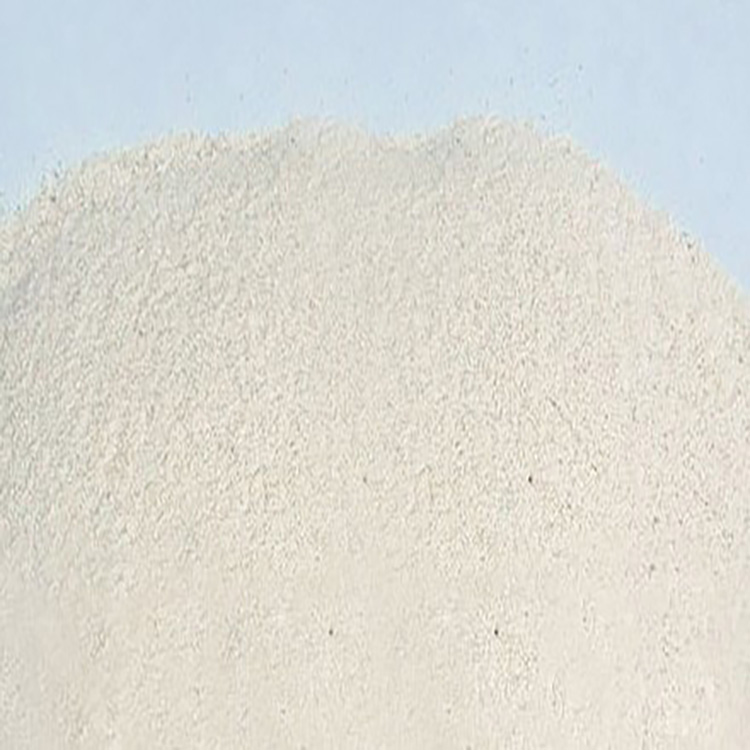
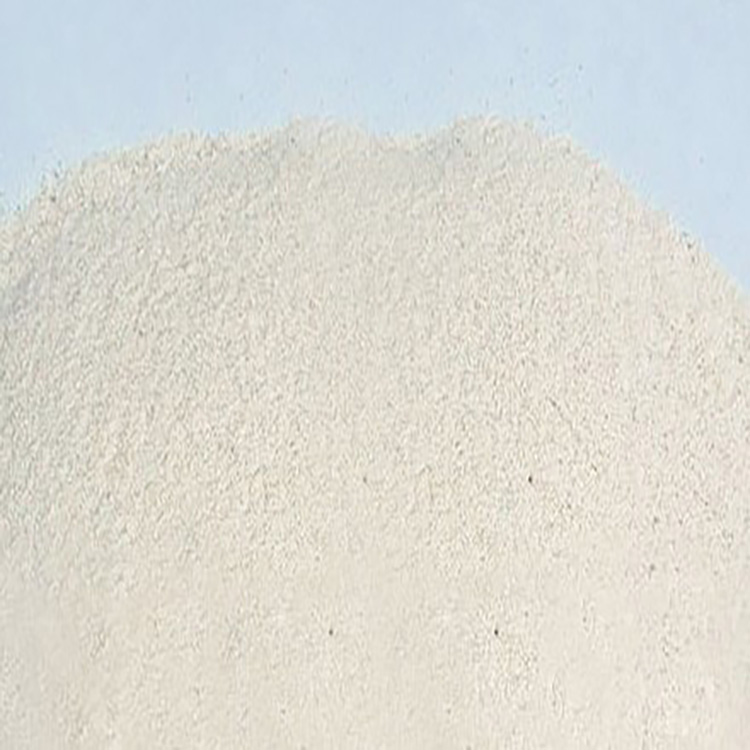
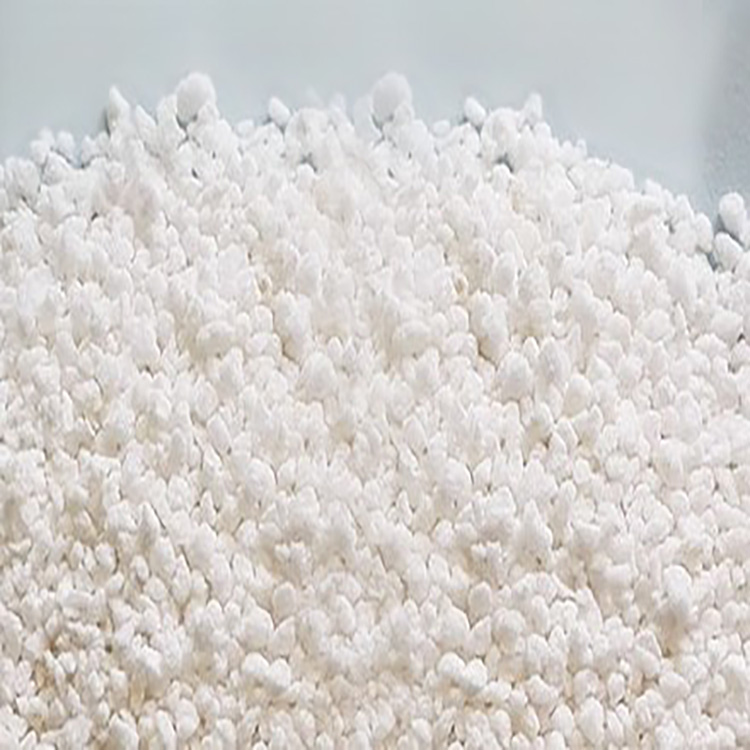
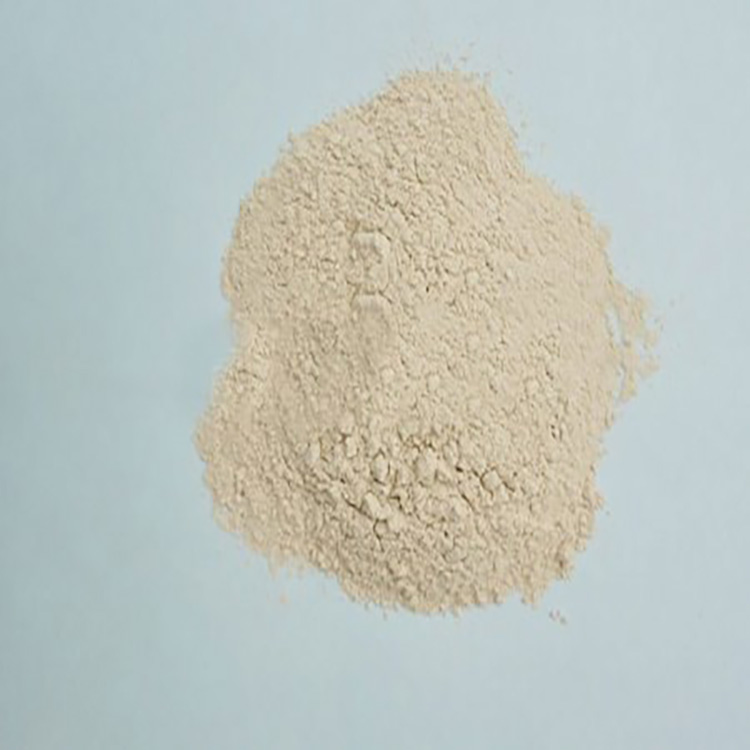
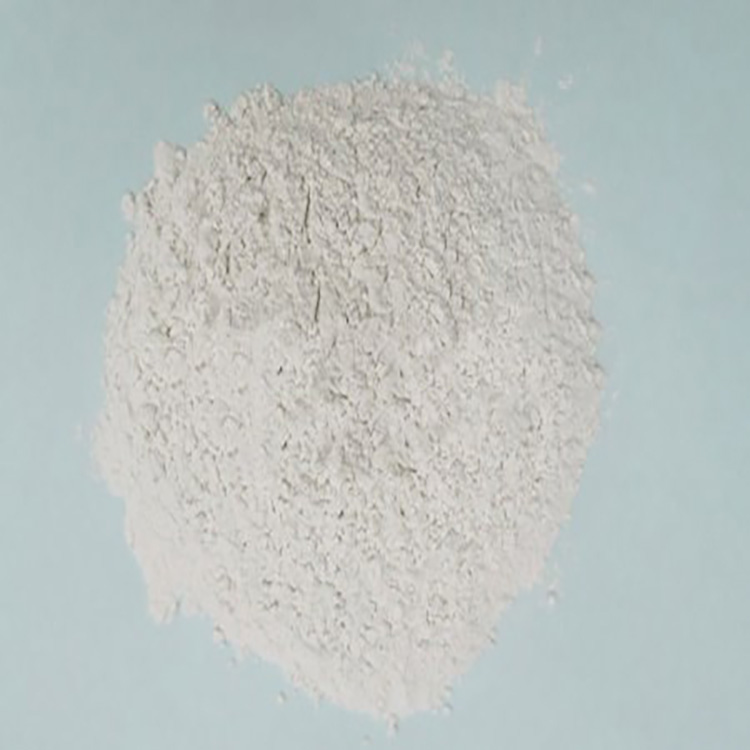
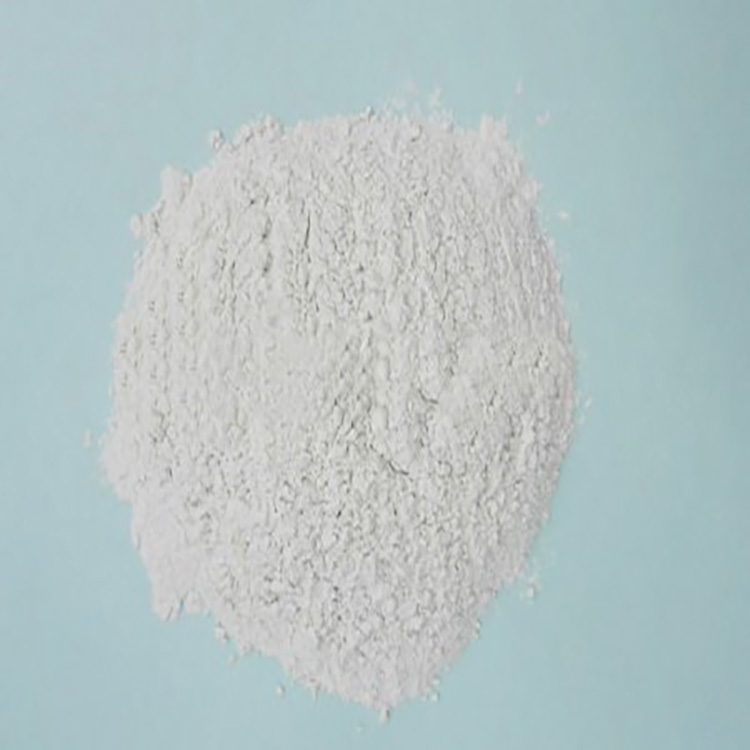
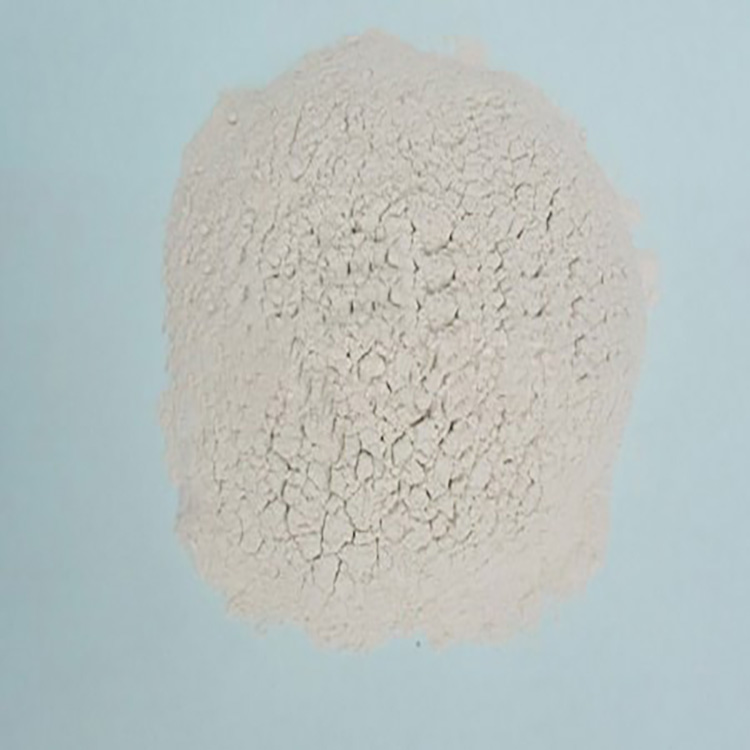
Zeolite powder, after losing its crystalline water, becomes loose and porous, akin to a porous sponge, with strong adsorption capabilities, able to absorb a large amount of substances (such as NH3, NH4+, CO2, H2S, etc.). By utilizing this property of zeolite powder, regular application to aquaculture water bodies can achieve ammonia removal and oxygenation, while also increasing the content of trace elements in the water, optimizing the aquaculture ecological environment, and promoting the growth and development of aquatic animals. The dosage is as follows:
1. Freshwater Aquaculture: During normal rearing, use 15-25g of zeolite powder per cubic meter of water body, alternating with quicklime for better net profits. Before winter water bodies freeze, use 25-35g of zeolite powder per cubic meter for safe wintering and to increase survival rates.
2. Aquaculture: 75-90g of zeolite powder per cubic meter of water body.
Aquaculture selects zeolite powder with specifications: purity ≥70%, ammonia adsorption value ≥100mg/100g; particle size above 100 mesh (for carrier use) or above 60 mesh (for water-spraying use).
In summary, there is a vast potential for the application of zeolite powder in the aquaculture industry, particularly in enhancing water quality where it should be aggressively promoted. This is to create a favorable aquatic farming environment and ultimately increase the yield of aquatic animals and improve the quality of their products.
3. For pond construction materials. Zeolite, with its numerous pores and strong adsorption capacity, allows for a modern approach in pond renovation. By discarding the traditional practice of solely using yellow sand at the bottom, the technique now involves laying a layer of yellow sand at the base and then sprinkling zeolite on top. This zeolite has both cation and anion exchange capabilities, as well as the ability to adsorb harmful substances in the water. This method ensures the pond water maintains a greenish or yellowish green color year-round, promoting rapid and healthy fish growth, thereby enhancing the economic benefits of fish farming.


