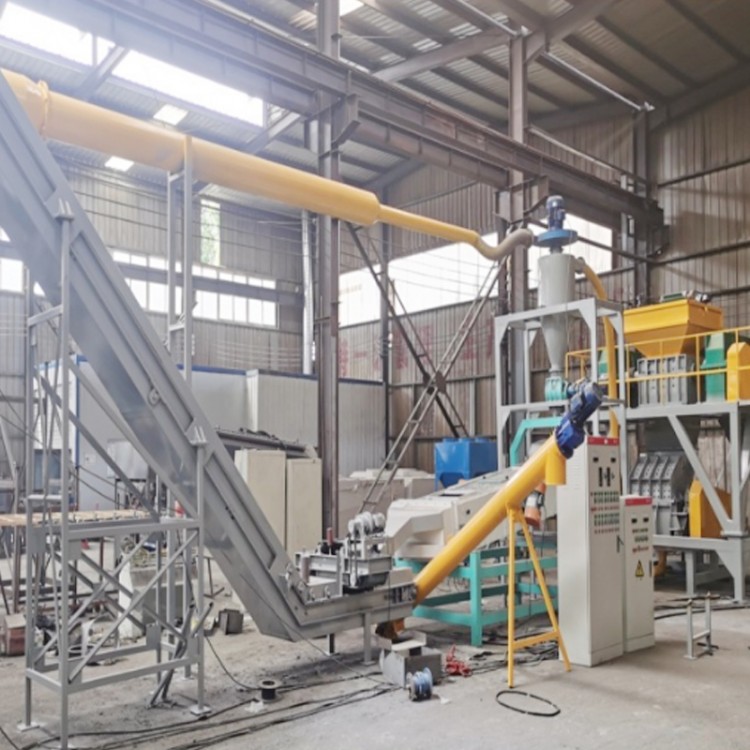
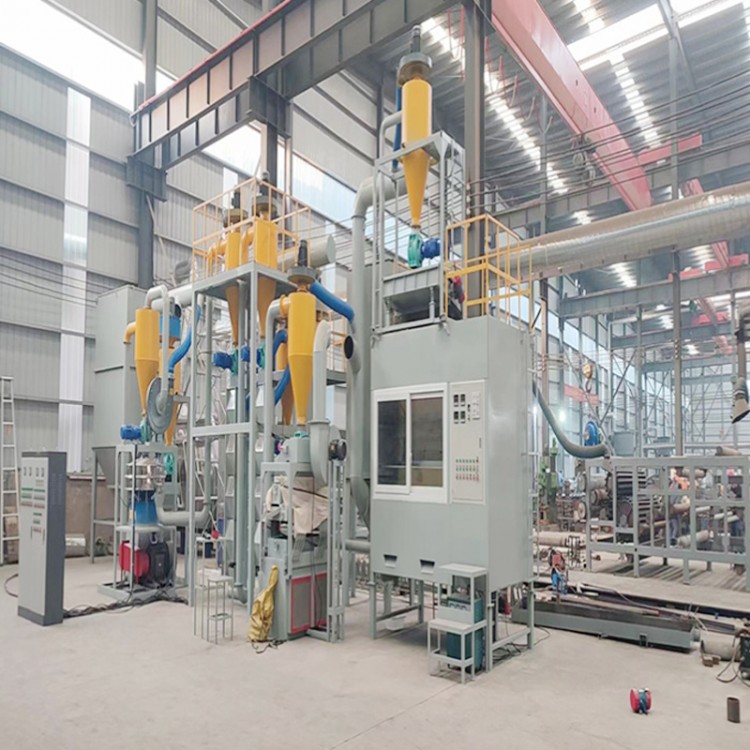
Photovoltaic panel recycling and processing equipment, li...

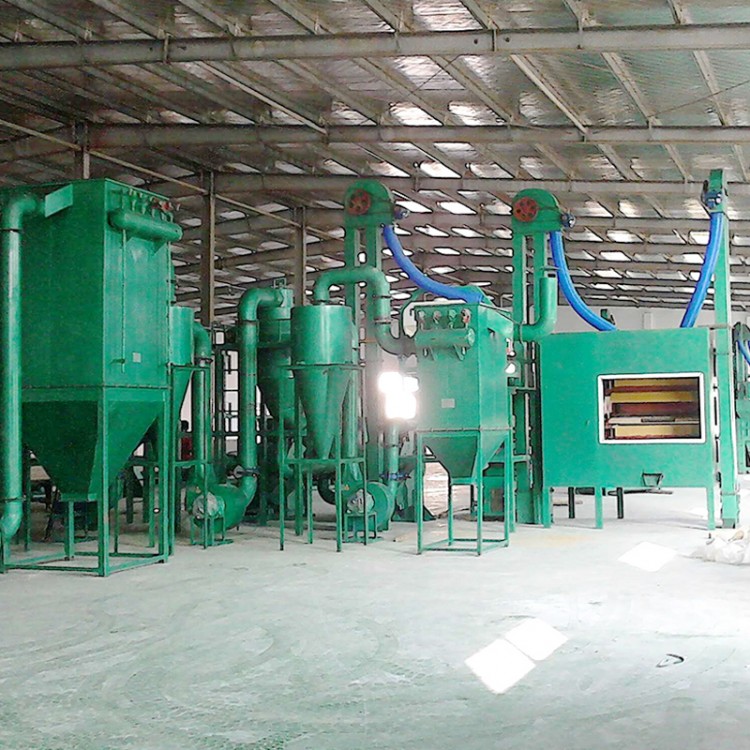
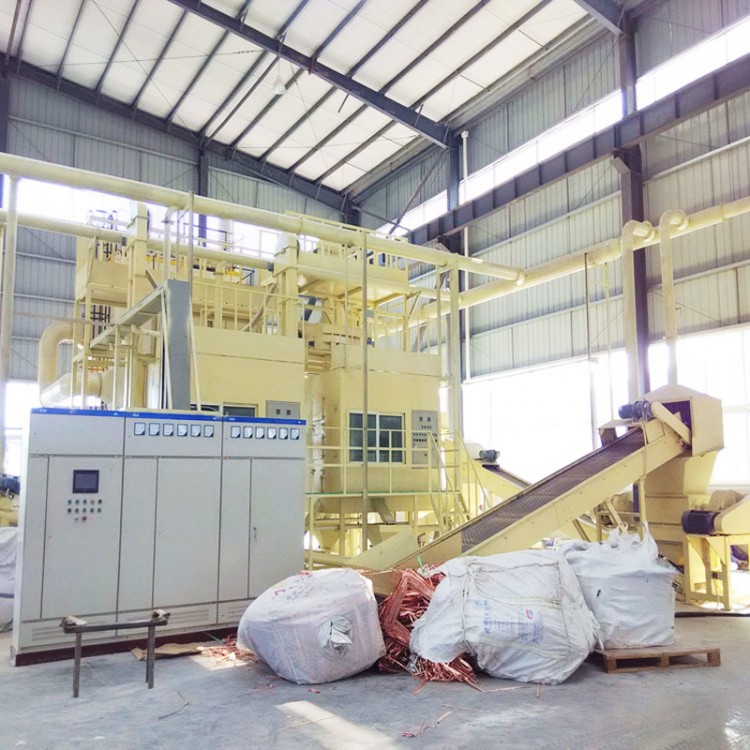
The Xingmao waste lithium battery crushing and recycling equipment mainly utilizes physical recycling, supplemented by waste treatment measures for "three wastes," balancing economic and environmental benefits. It achieves the utilization of valuable components while ensuring the harmless treatment of hazardous components. The entire recycling process is fully automated, featuring high efficiency and strong processing capability, with a handling capacity of up to __ per hour.500Kilograms, annual processing capacity reaches5000Tonnes of recycled lithium batteries, with the recovery rate of valuable components reaching90%Above.
The cobalt, lithium, copper, and plastics found in spent lithium batteries are valuable resources with high recyclability. Therefore, the scientific and effective disposal of spent lithium batteries not only yields significant environmental benefits but also offers good economic returns.
Detailed Introduction to Waste Lithium Battery Crushing and Recycling Equipment Processing Technology
Scraped lithium batteries are fed into a first-grade shredder via conveyors for shredding. The shredded material is then transported by conveyors into a secondary multi-blade crusher for further crushing. After the second crushing, the material enters a conveyor system equipped with a magnetic separator, which sorts out the iron from the material. The sorted material is conveyed to a airflow separator, where the separator paper between the positive and negative electrode sheets is separated by an induced draft fan and a cyclone feeder. The sorted positive and negative electrode sheets are then fed into a third-grade pulverizer for fine crushing, reducing the material to particles.20The crushed material is drawn into the cyclone separator by the vacuum system for dust filtration. It undergoes two air flow separations, allowing substances of different densities to segregate. Subsequently, the positive and negative pole materials, as well as copper, aluminum, nickel, and other materials, are obtained. All ultra-fine dust is collected in the pulse dust collector via the vacuum system. The filtered exhaust gas is then sent to the exhaust gas treatment equipment by the vacuum system for air purification, ensuring it meets national emission standards before being released into the atmosphere.
Process Flowchart of Waste Lithium Battery Crushing and Recycling EquipmentBattery waste, including cobalt, lithium, copper, and plastics, contains valuable resources with recyclable value. Therefore, scientifically and effectively treating and disposing of spent lithium batteries not only yields significant environmental benefits but also offers excellent economic returns. Lithium batteries are primarily composed of the outer shell, positive and negative electrodes, electrolyte, and separator. The positive electrode serves as a binder.PVDFCoating lithium cobalt oxide powder on both sides of the aluminum foil collector.;The anode structure is similar to the cathode, consisting of carbon powder bonded to the copper foil collectors on both sides. Currently, research on the resource recovery of spent lithium-ion batteries primarily focuses on the recycling of valuable cathode precious metals cobalt and lithium, with rare reports on the separation and recovery of anode materials. Copper in the anode of spent lithium-ion batteries(Content level35%Left and right)A widely used and important raw material in production, the carbon powder adhered to it can be used as an additive for plastics, rubbers, and more. Therefore, effectively separating the anode composition materials from waste lithium-ion batteries is instrumental in maximizing the resource utilization of such batteries and in mitigating their corresponding environmental impact. Common methods for the resource recovery of waste lithium-ion batteries include hydrometallurgy, pyrometallurgy, and mechanical physical methods. Compared to hydrometallurgy and pyrometallurgy, the mechanical physical method does not require chemical reagents and consumes less energy, making it an environmentally friendly approach.
Performance Parameters of Waste Lithium Battery Crushing and Recycling Equipment 1Equipment Production Capacity:0.2~1Tons/Hour
2Dimensions:26311 X 6121 X 6350mm
3Equipment Power: ≤129.25KW
4Power Supply: Three-phase AC380V/50Hz,200KVA。
5Processable waste battery sizes(mm):600 X 600
6Iron recycling rate(Weight%):≥ 99%
7Copper and aluminum recycling rates(Weight%):≥ 98%
8Polarity Material Recovery Rate(Weight%):≥ 99%
9Noise, dust leakage, and waste gas emissions comply with national standards and requirements.
10Facility Requirements: Factory height exceeding7Mi;Factory gate width exceeds4Rice, height greater than5Millet;Please provide the Chinese content to be translated.10Tonnes.
11Equipment Appearance and Color: According to the company standard.


b2b.china9.net © Zhongshang 114 Hebei Network Technology Co., Ltd.Address: Room 6009, Oriental New World Center, No.118 East Zhongshan Road, Qiaoxi District, Shijiazhuang City, Hebei ProvincePlatform Service Hotline: 4006299930