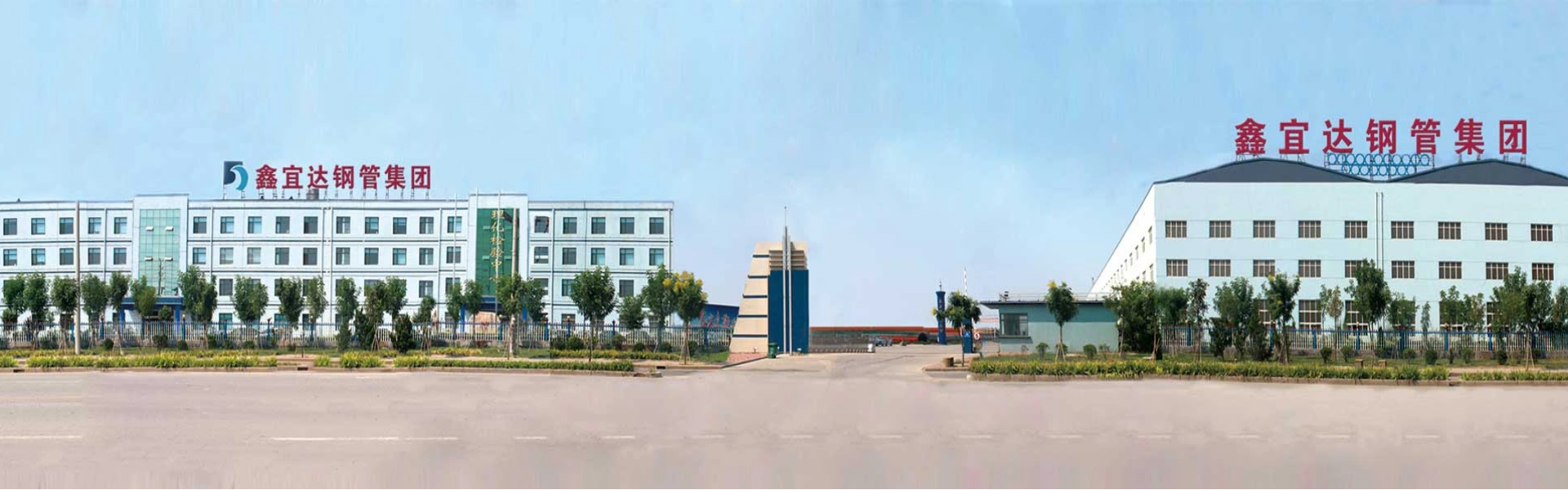
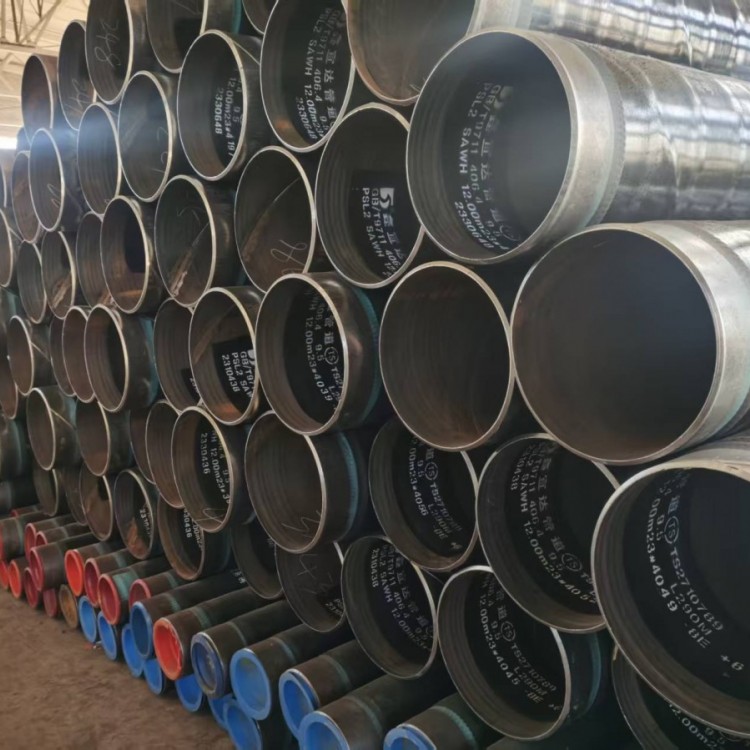
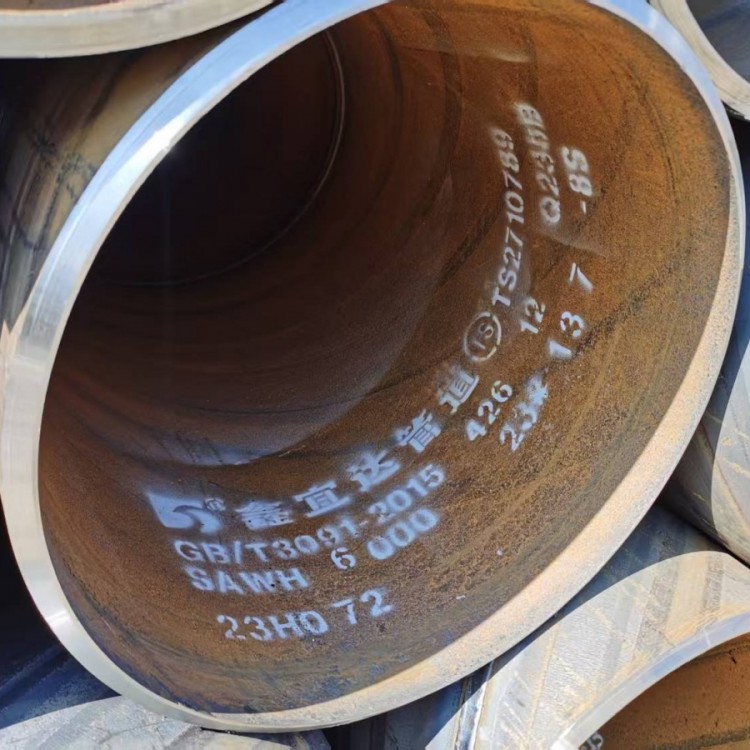
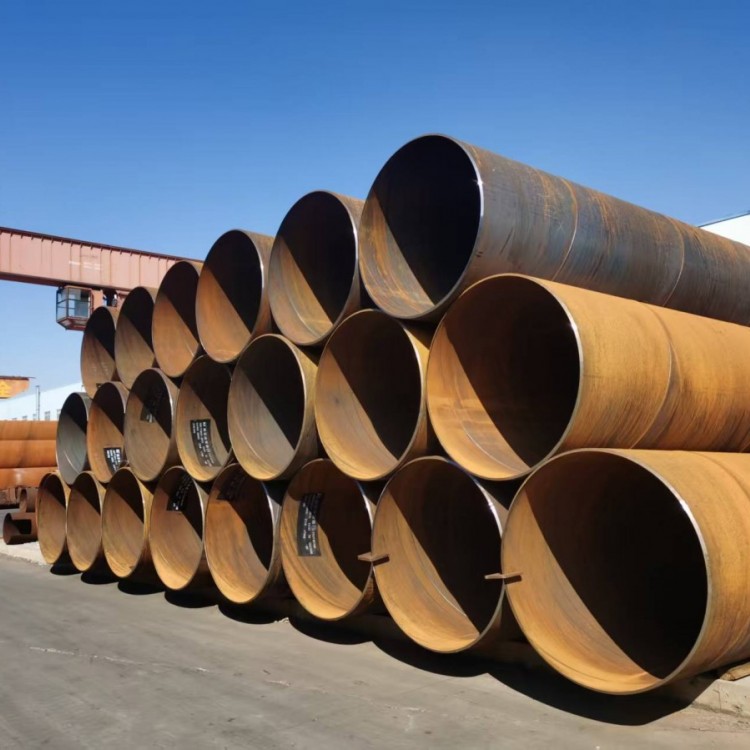
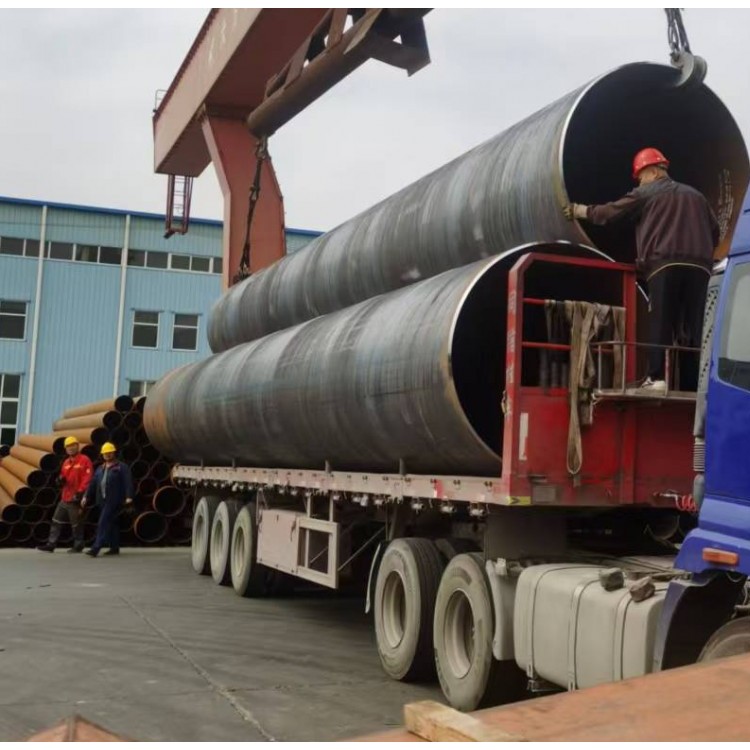
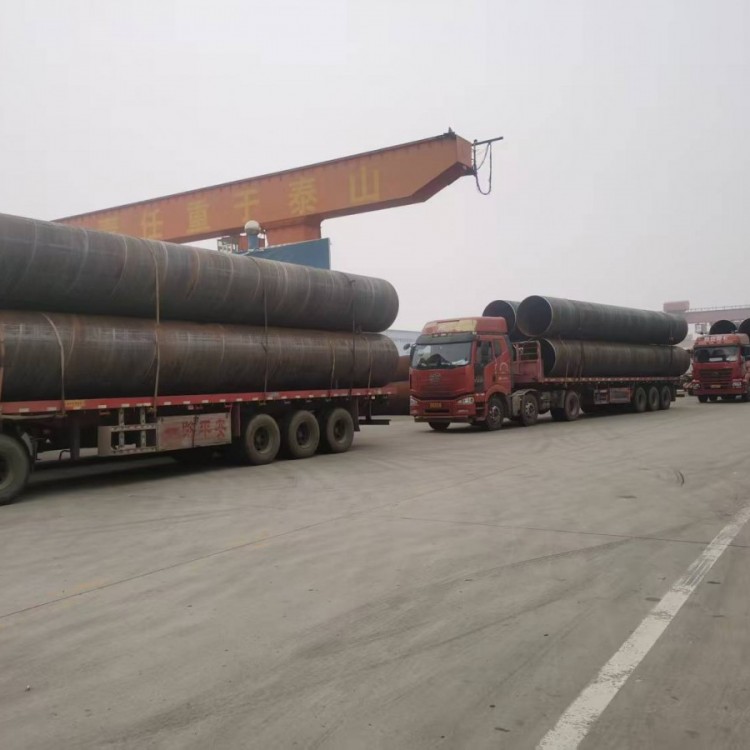
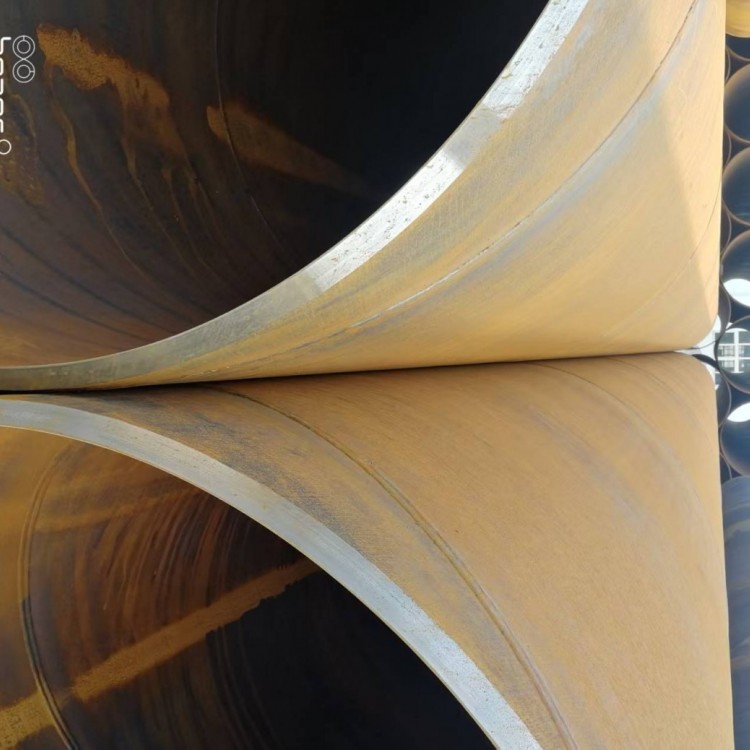
China National Petroleum Corporation, China Petrochemical Corporation, China National Offshore Oil Corporation, China National Energy Corporation, API, EU Network Certification Enterprise
13832731467
Last night, following the release of the Federal Reserve's meeting minutes, commodities like non-ferrous metals and precious metals, which are tied to the overseas market, experienced a significant drop at the opening of today's trading session. However, domestically, the black commodities sector, except for iron ore which was affected by the overseas market, wire rods, steel billets, and coal焦 still remained at high levels. So, what is the current fundamental situation for construction materials? Can the black commodities sector continue to rise?
Yesterday's night session saw the rebar and hot-rolled coil futures jump significantly higher at the opening, driven by the impact of the zzj meeting, once again challenging previous highs. However, the market quickly surged and then fell back in the morning session, with upward pressure remaining evident overall. In this scenario, how should steel traders make their choice: to cash in profits at higher levels, continue trading in warehouses, or believe in expectations?
Special attention is given to the recent issuance of 64.4 billion yuan in fiscal interest subsidies and grant funds by the Ministry of Finance for the pre-allocation of central fiscal subsidies for the scrappage and renewal of vehicles in 2024. May's Caixin China Manufacturing Purchasing Managers' Index (PMI).
Overall, there is currently a demand downturn and the anticipation of negative feedback from the raw materials sector, but the contradictions have not been exacerbated. Although there are data indicating support for improvement, it is not yet achieving the effects of previous macro expectations. The rebar experienced a rapid decline after touching 3820 on May 29th, and there are no signs of stabilization in the current trend. As June approaches, the combination of weak reality and strong expectations may be more evident in the steel price movement. This is due to, on one hand, the arrival of the rainy season in the south affecting steel demand, and on the other hand, the poor fundamentals and significant pressure in the iron ore market, which may lead to negative feedback effects. So, how will steel prices evolve? Will this correction lead to a trend of falling prices?
Great attention has been drawn to the fact that China's imported coal sea cargo volume reached 34.92 million tons in May, an increase of 6.86 million tons from the previous month, totaling 540 vessels. Among them, the coal shipment from Indonesia was 14.72 million tons, and the coal shipment from Australia was 8.09 million tons; the coal shipment from Russia was...
Overall, steel prices dropped by 20-40 yuan/ton this week, with short-term transactions showing slight improvement, but overall performance remained flat. Compared to the same period last year, the daily volume of building materials transactions decreased by over 30,000 tons, while the volume of section steel transactions remained relatively unchanged, clearly reflecting the still weak situation in the real estate industry. On a macro level, recent economic data have been mixed with both positive and negative trends, leading to increased concerns about economic fluctuations in the market. Small and micro-cap stocks have dragged down the market. In the medium to long term, policy easing and the situation of corporate supply and demand remain key factors.
The central bank reported that the yuan loans increased by 11.14 trillion yuan in the first five months. By sector, household loans rose by 889.1 billion yuan, with medium-to-long-term loans increasing by 859.8 billion yuan; corporate and institutional loans increased by 9.37 trillion yuan.
The overall market trend remains bearish, but the short-term direction is not very clear. Some might say, since the overall trend is bearish, we should continue to short. That logic is sound, and if we're short-term bearish, it's definitely fine. However, if we're looking at a long-term bearish stance, there are two scenarios to consider.
On the 2nd, the White House announced additional tariffs on Chinese products, with harbor cranes transitioning from being duty-free to a 25% tariff rate, sparking widespread opposition from ports across the United States. Current steel mill profits are weak, and some steel mills are planning blast furnace maintenance, which is expected to significantly impede short-term price increases for minerals. Profit margins for imported minerals may remain weak and stable.
As the central bank sends positive signals in the financial and monetary sector, macro policies are trending towards stability and support, however, the recovery of domestic real estate and infrastructure projects is falling short of expectations. In June, heavy truck sales plummeted significantly, and domestic order volumes continue to decline. Affected by the extreme heat in the north and heavy rain in the south, business operations are hindered, speculative demand from merchants is suppressed, and replenishment is primarily based on demand from end-users. How will the steel market evolve in the later stage?
In the first week of January, steel prices, divided by the New Year's Day holiday, as scheduled, transitioned from strong to weak. After the holiday, they dropped continuously for two days, with the futures steel losing over 70 yuan per ton, falling back into the 3250-3300 range.
The steel industry remains in a downturn in 2024, with upstream raw material prices high and downstream domestic steel consumption reaching a peak. Amidst overcapacity and supply-demand imbalances, steel prices continue to hover at low levels, squeezing profits for steel companies.
Contact us

Service Hotline
13832731467
Company Telephone
13832731467

WeChat Number
13832731467

Address
32 Shigang Road, Cangzhou Economic Development Zone
b2b.china9.net © Zhongshang 114 Hebei Network Technology Co., Ltd.Address: Room 6009, Oriental New World Center, No.118 East Zhongshan Road, Qiaoxi District, Shijiazhuang City, Hebei ProvincePlatform Service Hotline: 4006299930