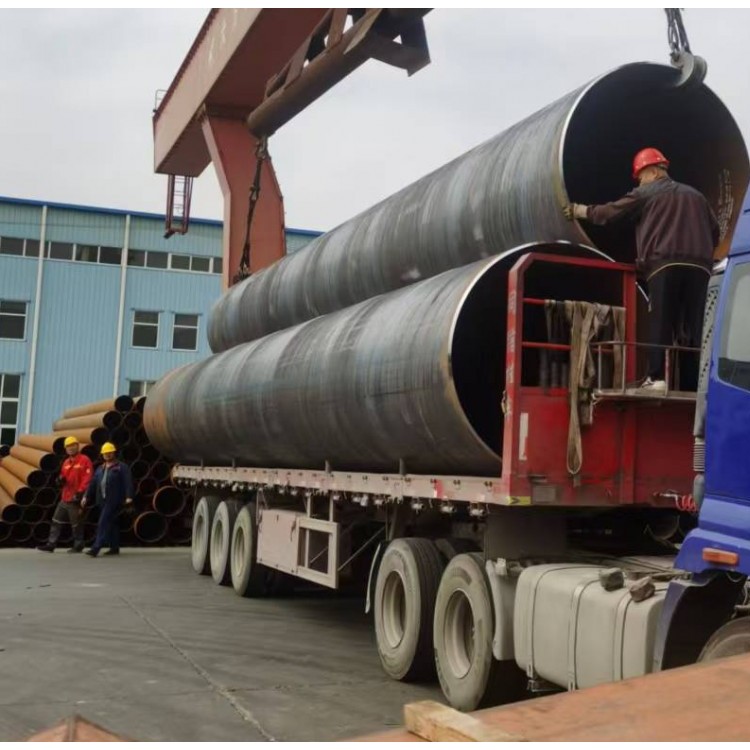
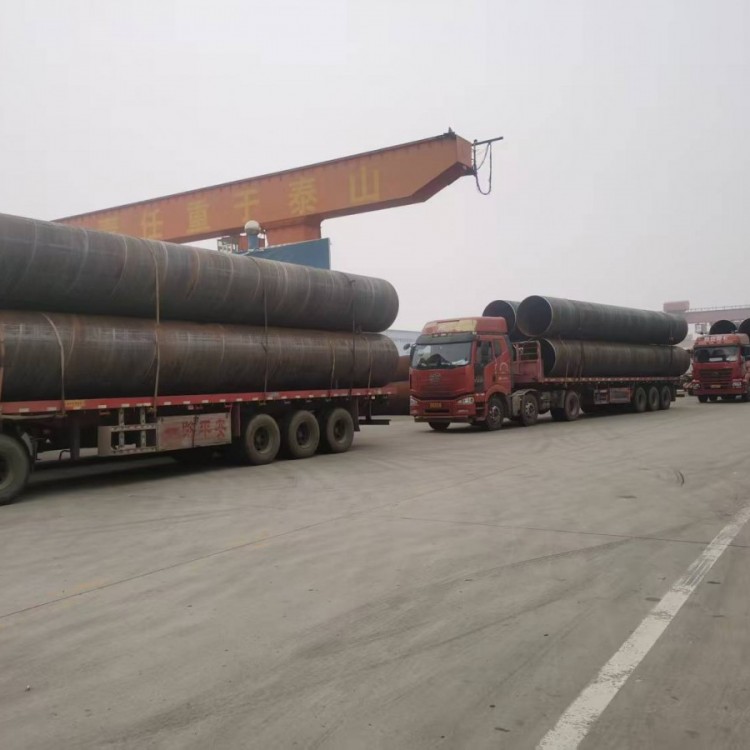
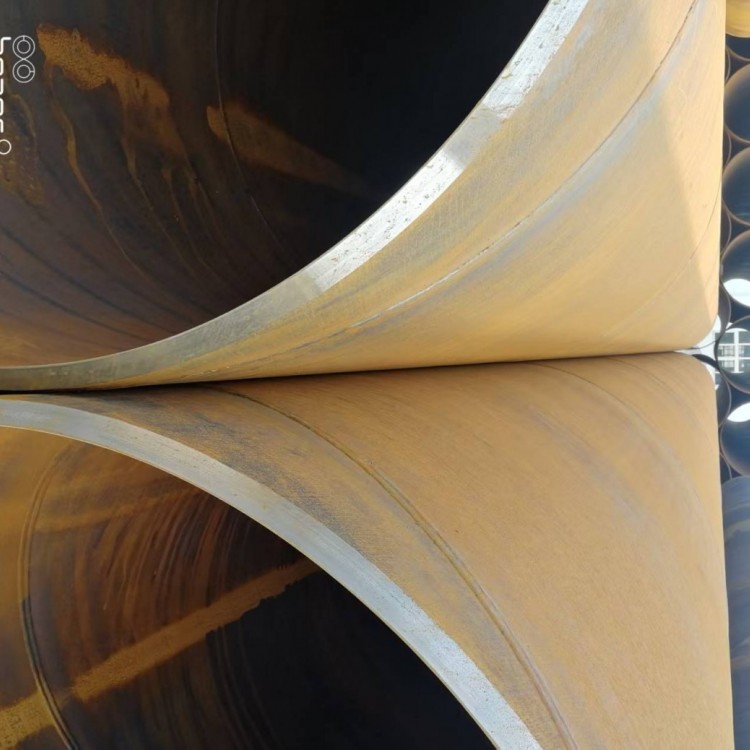
China National Petroleum Corporation, China Petrochemical Corporation, China National Offshore Oil Corporation, China National Energy Corporation, API, EU Network Certification Enterprise
13832731467
The steel industry remains in a downturn cycle in 2024, with upstream raw material prices high and downstream domestic steel consumption reaching its peak. Amidst overcapacity and an unbalanced supply-demand, steel prices continue to hover at low levels, continually squeezing the profits of steel companies.
Looking back at the steel market in 2024, prices started high and ended low, reflecting an overall downward trend. Initially, the first quarter continued the high-end price momentum from the end of 2023, but due to post-holiday inventory build-up and slower-than-expected demand from end-users, market prices did not rise after resuming operations. The second quarter saw prices continue to decline. Entering the third quarter, with the demand off-season and the transition between old and new national standards, the pressure to deplete inventory was significant, and prices continued to fall unilaterally. In the fourth quarter, as the "Golden September and October" approached and amid various macroeconomic stimuli, market prices bottomed out and began to recover.
Pessimists are right, but optimists move forward. As Romain Rolland said, "Spirit is light." Complaining about the darkness is better than standing still.
Looking ahead to 2025...
On one hand, from a demand perspective, the decline in demand is expected to narrow. On the other hand, from a supply perspective, production is poised to continue clearing out, with next year's production decline slightly lower than demand.
In the annual steel demand forecast report released on December 20th, the Metallurgical Planning Institute, utilizing a comprehensive prediction based on the steel consumption coefficient method and the downstream industry consumption method.China's steel demand is projected to reach 850 million tons in 2025, down 1.5% year-on-year. Based on consumption forecasting from downstream industries, China's steel consumption was approximately 870 million tons in 2024, and is expected to be around 853 million tons in 2025.
Industry experts believe that the real estate sector, which has been dragging down the Chinese economy, may still be a crucial area that hinders economic growth and steel demand in 2025. It is expected that steel consumption in real estate will likely see a decline of around 20 million tons in 2025. In terms of steel consumption in manufacturing, machinery is projected to grow by 3%, automobiles by 1.5%, shipbuilding by 6.4%, home appliances by 2.8%, and new energy by 5.5%.
Additionally, these individuals anticipate that the average price of iron ore will further decline to $95 or below by 2025, with the average price of coking coal and coke expected to drop by 10% or more in the same year.In the steel sector, according to the steel cost matrix estimation table, the price range for rebars is approximately 2800-3600 yuan/ton, while hot-rolled steel is around 3000-3800 yuan/ton. Liquidity will also have a significant impact on steel prices, with improved liquidity boosting prices and supporting steel prices. Additionally, a stock market rebound is favorable for steel price recovery.
For the price trend forecast of the black industry chain in 2025, GF Futures believes,
Under the expectation of reduced demand, raw material supply is loose, and there is a possibility of cost collapse. If demand is high in the first half and low in the second half of 2025, coupled with the release of new iron ore production capacity being low in the first half and high in the second half, low inventory supports price elasticity, potentially showing a trend of high in the first half and low in the second half. The expected fluctuation range for the main futures contract of rebar is 2600~3600 yuan/ton; for hot rolled coil, it is 2700~3700 yuan/ton.
Minmetals Futures believes that the black sector will oscillate between "weak reality" and "strong expectations" in 2025. Amidst the continuation of declining terminal demand, expectations will lead to further contraction in crude steel profits, thereby prompting a passive reduction in crude steel production. The reduction in crude steel production will suppress demand for raw materials. With the marginal easing of raw material supply, raw material prices will face downward pressure, causing steel costs to loosen and driving the steel price center lower.
In detail, iron ore prices are expected to fluctuate between $80 per ton and $110 per ton, while coking coal prices may oscillate within a range of 1,400 yuan to 2,700 yuan per ton. Based on this, and considering the trend of raw material prices and cost calculations for finished products, it is projected that the cost range for rebar in 2025 will fluctuate between 2,800 yuan and 3,700 yuan per ton, with the cost range for hot-rolled steel expected to be between 2,900 yuan and 3,800 yuan per ton. Overall, the trend of finished product prices will be influenced by factors such as crude steel production, changes in raw material prices, and demand expectations, presenting a dual constraint structure of weak real demand and cost support.
While emphasizing, Minmetals Futures points out that the price of finished products often fluctuates due to the tug-of-war between actual demand and expectations. It is predicted that steel prices in 2025 will adjust within a downward trend, with the price center potentially shifting downwards gradually. Close attention should be paid to the following key factors:Firstly, whether policies in the real estate and infrastructure sectors exceed expectations and alter the demand landscape for steel; secondly, changes in the external interest rate environment, fluctuations in raw material prices, and export tariffs will also have a profound impact on manufacturing demand and exports. Risk factors: significant improvement in finished product terminal demand and unexpected stimulus policies (upside risk); falling raw material prices, changes in macro policies, and increased export tariffs (downside risk).
Industry analysis indicates that as we step into 2025, the steel market is fraught with complexity, driven by multiple factors such as supply and demand, policies, and macro-environmental interactions. The "strict control of incremental supply" policy continues to exert its influence, making it unlikely for new real estate projects to see improvement. Local government debt is focused on debt resolution, and although infrastructure projects are guided by the "two new and two heavy" directions, overall domestic demand remains pessimistic. On the export front, conditions are worsening, with anti-dumping and countervailing duty investigations already causing significant trouble. Expectations of a downturn in overseas economies further weaken external demand. The policy changes post-Trump's presidency have also cast a shadow over indirect steel exports, highlighting the pressure on the demand side.
The aforementioned platform indicates that if the crude steel production can decrease as scheduled in 2025, the decline in the average raw material price will drive down the steelmaking costs. Considering the weak demand expectations for crude steel next year, under the anticipation of a dual-weakening supply and demand, the average steel prices next year may continue to be lower than this year, and the steelmaking profit margins may see a slight recovery. Taking Shanghai as an example, the average price of Shanghai螺纹HRB400E Φ20 may decrease by 6.0% to 3,350 yuan/ton, down about 6.0% year-on-year; while the average price of Shanghai hot rolled steel 4.75mm may decrease by 7.4% to 3,400 yuan/ton, down about 7.4% year-on-year.
The steel industry faces numerous challenges and potential pitfalls in the future. Amidst a persistently depressed market environment, balancing resource allocation and development direction amidst the industry's multifaceted challenges has become a profound issue for rescuing the overall economy. Whether 2025 will be a year of industrial prosperity or a harsh winter for the steel industry remains to be observed and deeply contemplated.
The market widely expects the overall price center of the black series in 2025 to decline. Taking rebar as an example, the annual operating range is likely to be locked between 2700-3700. However, even so, it's challenging to grasp the rhythm of the year, identifying which months will be highs and which will be lows, requiring analysis from multiple dimensions such as macroeconomics and the industry.
Contact us

Service Hotline
13832731467
Company Telephone
13832731467

WeChat Number
13832731467

Address
32 Shigang Road, Cangzhou Economic Development Zone
b2b.china9.net © Zhongshang 114 Hebei Network Technology Co., Ltd.Address: Room 6009, Oriental New World Center, No.118 East Zhongshan Road, Qiaoxi District, Shijiazhuang City, Hebei ProvincePlatform Service Hotline: 4006299930