
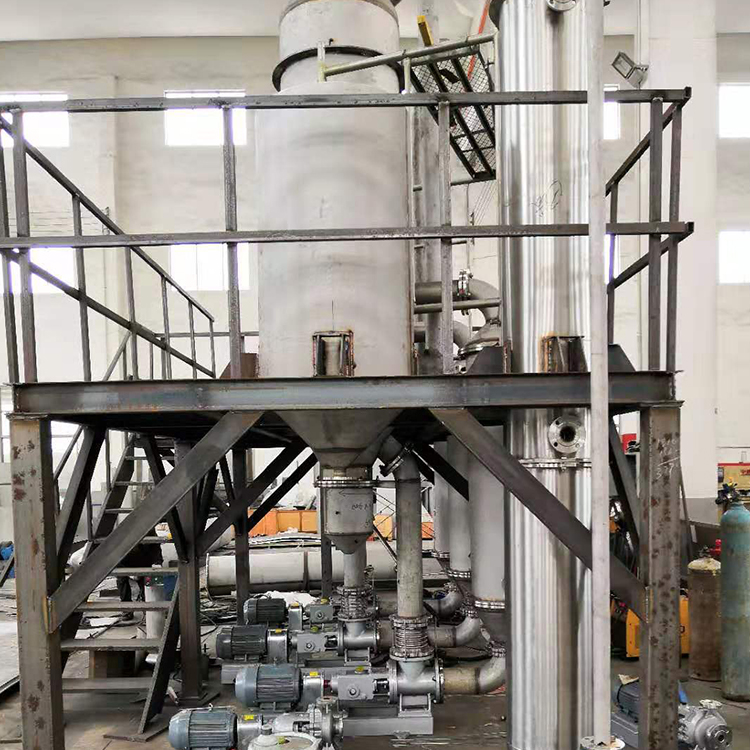
 MVR Evaporator Manufacturer
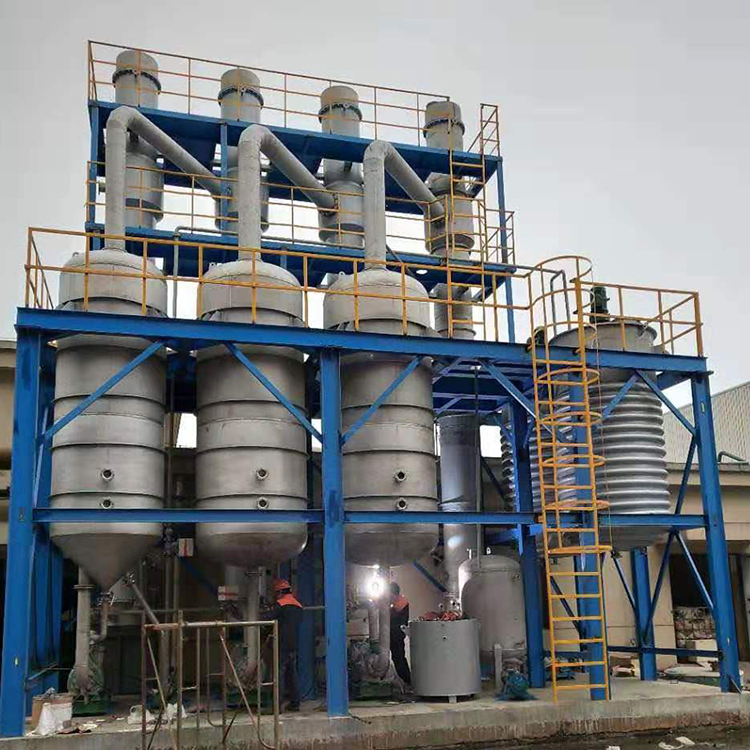 Low-temperature crystallization evaporator
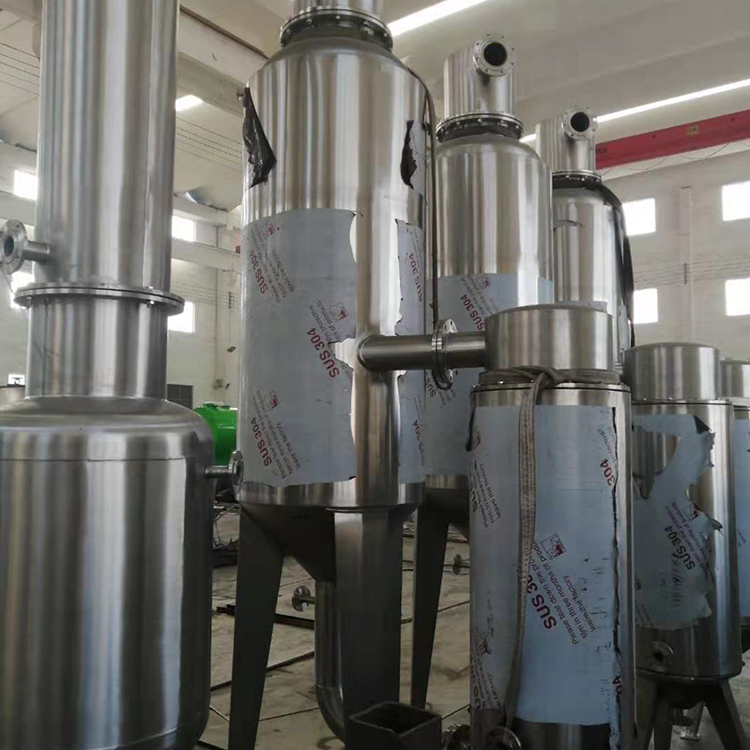 Triple-effect wastewater evaporator, Manufacturer of triple-effect evaporators
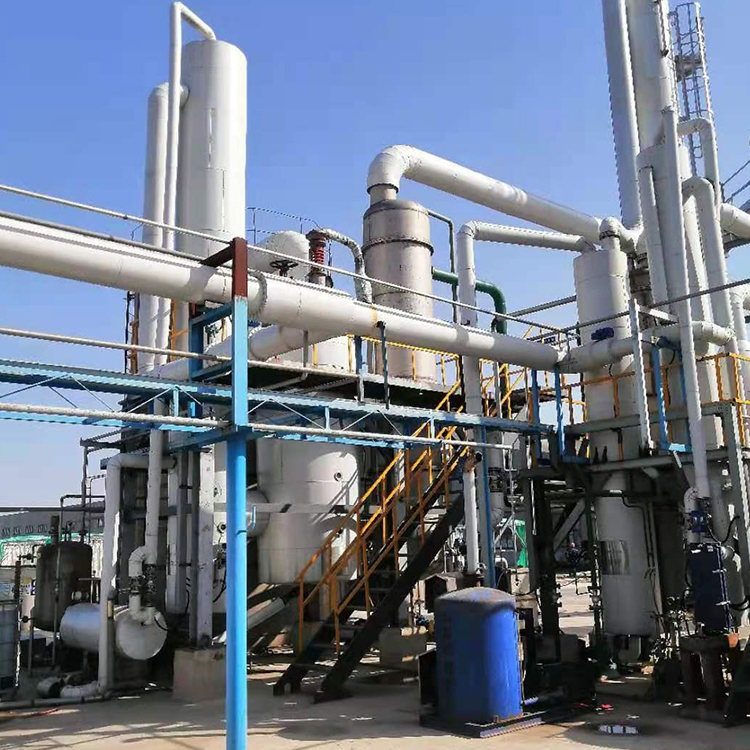 Multi-effect Falling Film Evaporator
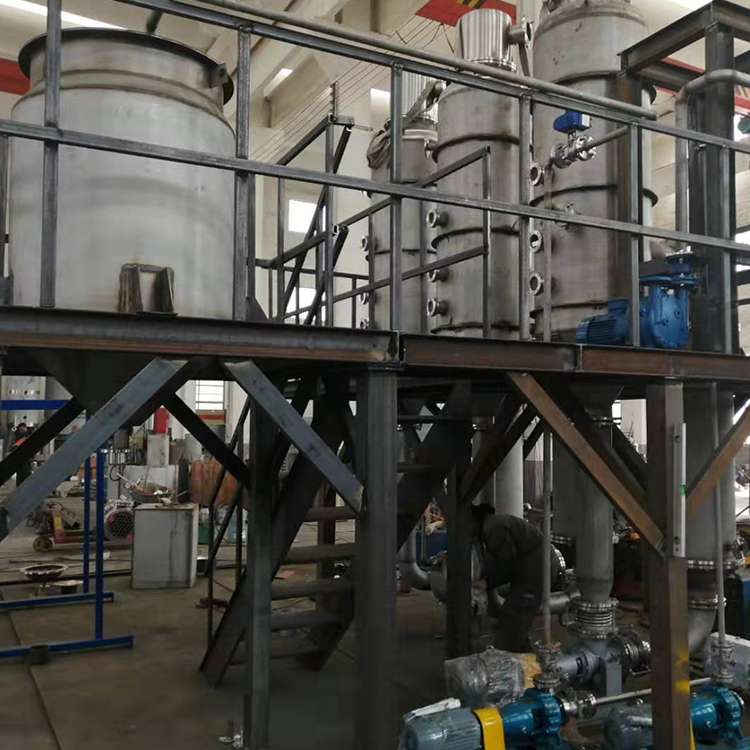 Forced Circulation Evaporator, Three-effect Forced Circulation Evaporator Structure
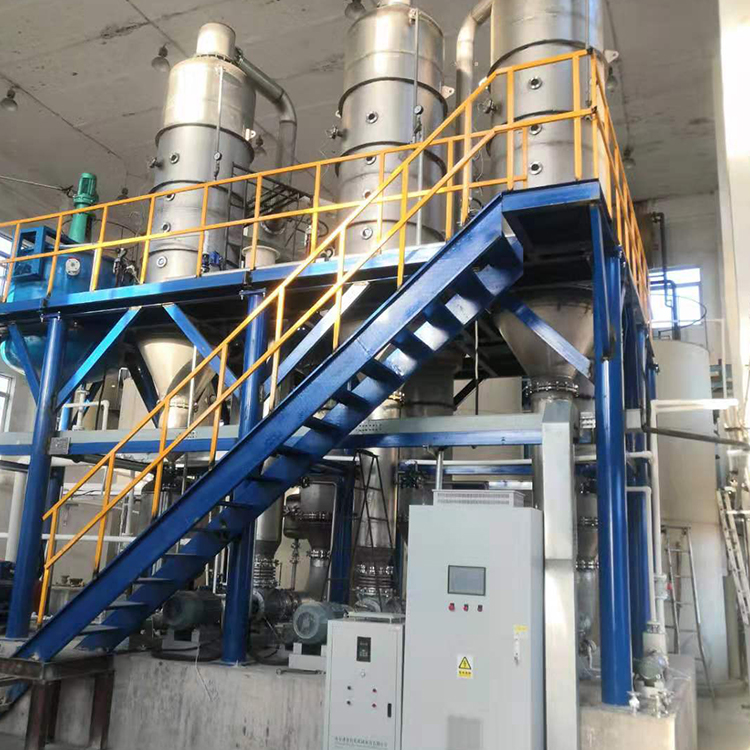 Salt Containing Wastewater Evaporator - Evaporator Type
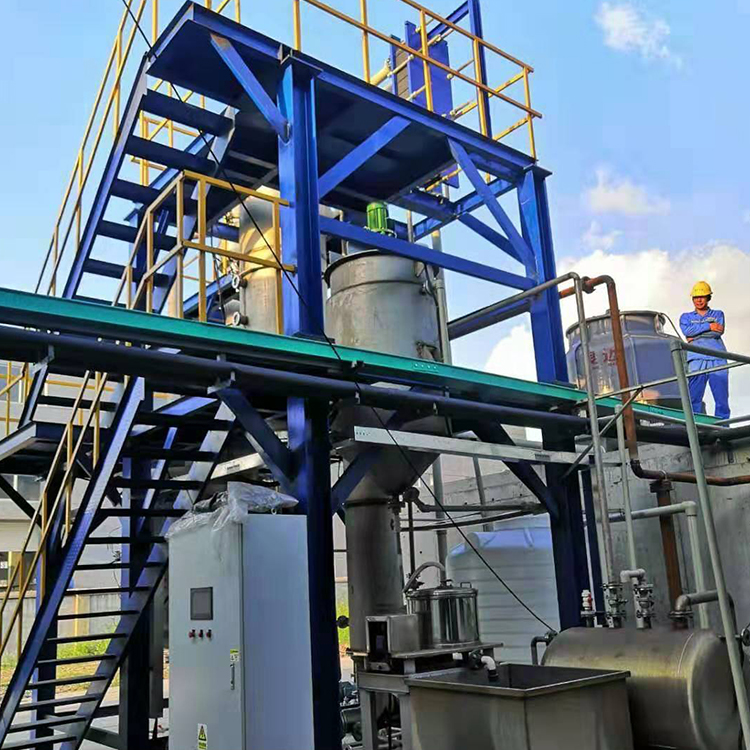 Multi-effect evaporator equipment
Product Details



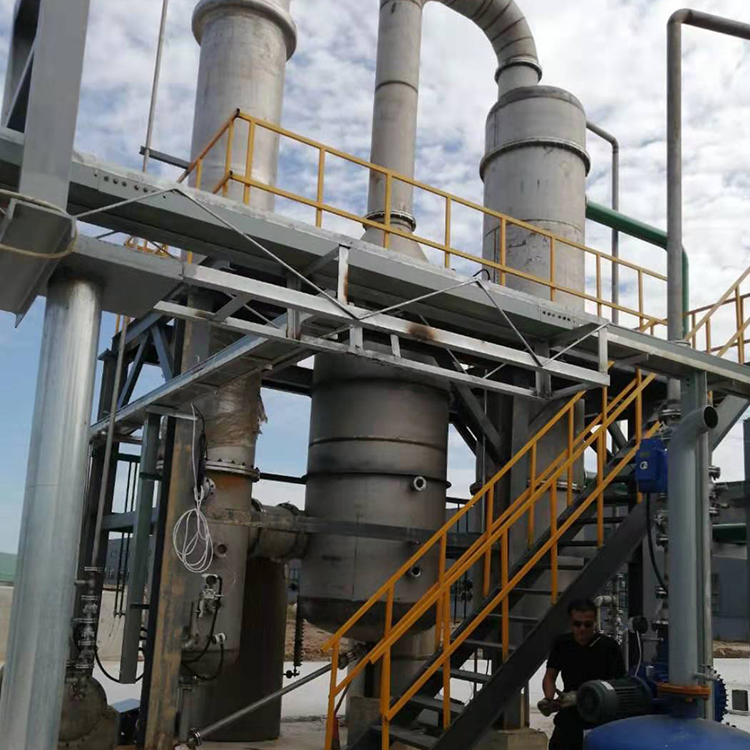
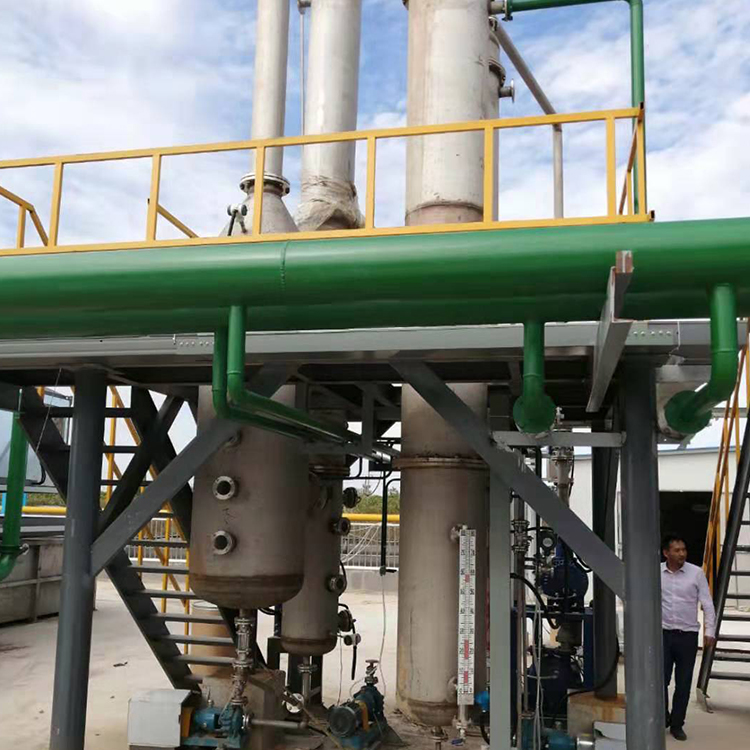
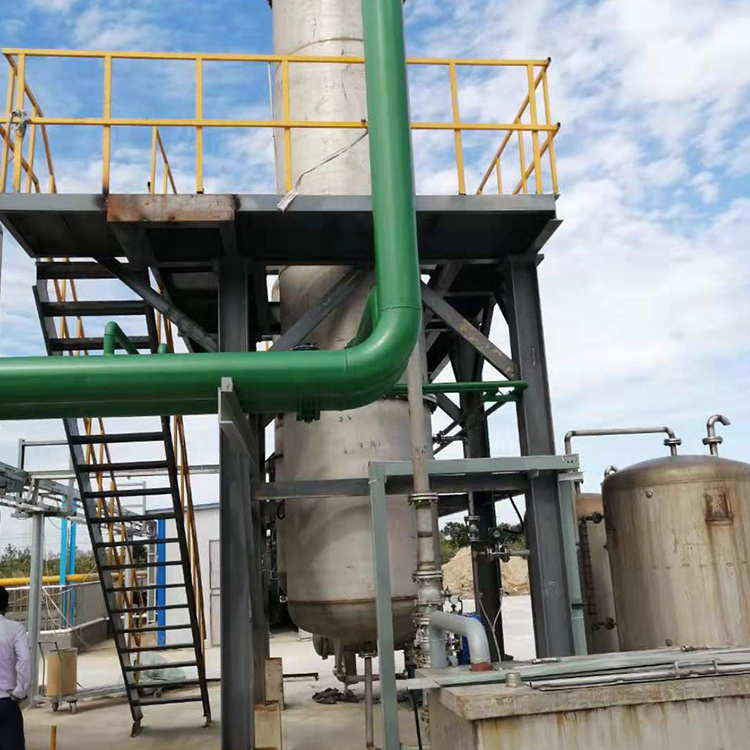
产品Price 150000.00/
最小起订Quantity: 供货总Quantity:


Does customization support? |
|
Specs |
Complete |
Shipment Time |
Based on product specifications |
Application Scope 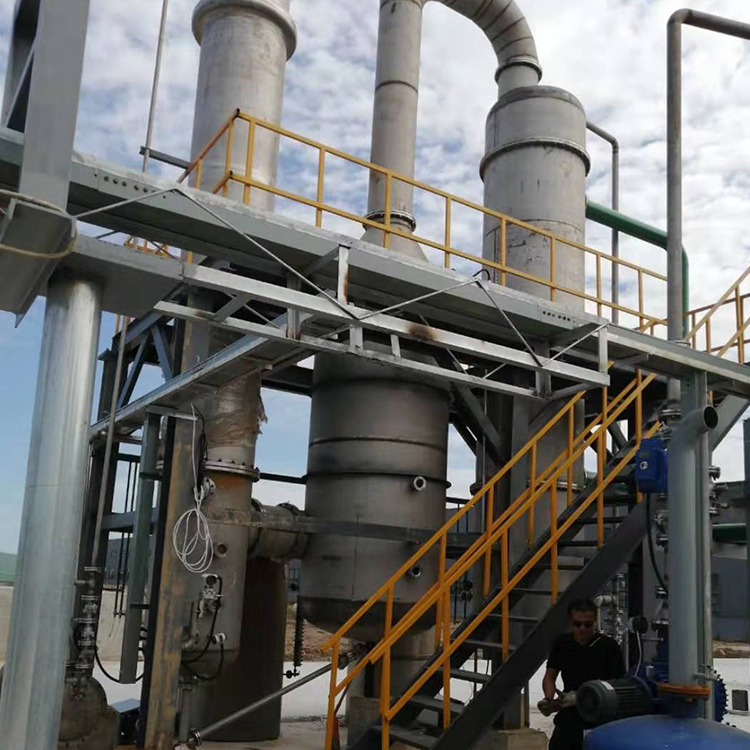
Wastewaters come in a variety of types, each with unique characteristics and numerous treatment methods. Our wastewater or effluent treatment approach is tailored to the characteristics of the liquid material, utilizing① Multi-effect evaporation process or ② Multi-effect evaporation + drying process or ③ Multi-effect evaporation + crystallization process for wastewater treatment, ensuring the separated water meets national discharge standards and the moisture content of the dried solids is below 20%. The challenge in wastewater treatment is to achieve national discharge standards for treated water while also reducing treatment costs.
We can propose a comprehensive performance optimization process plan, tailored to the specific parameters of the wastewater or sewage provided by the customer, which ensures both compliance with discharge standards and economic efficiency, resulting in equipment that meets the customer's satisfaction.
This device is mainly used for the evaporation and crystallization of solutions with precipitated crystals, widely applied in the chemical industry, metallurgical industry smelting, acid pickling wastewater from large steel mills, and wet flue gas desulfurization wastewater treatment in power plants.(Sodium chloride, phenylacetic acid, sodium sulfate, ammonium chloride, glycine; barium chloride, zinc sulfate, calcium chloride, ammonium sulfate, sodium hydroxide).
Section 2: Working Principle
The liquid is heated and its temperature rises as it exchanges heat with steam outside the heat exchanger tubes in the heater. Under the action of the circulating pump, the material rises to the evaporative separator, where it evaporates due to the decrease in static pressure. The evaporation produces secondary steam that overflows from the liquid, concentrating the material and causing crystallization to grow. The supersaturated material enters the forced circulation pump and, under the pump's action, enters the heat exchanger. This cycle of evaporation and crystallization continues, achieving separation between substances and purifying chemical substances to obtain chemical products.
Section 3: Equipment Composition
This equipment consists of a heater, forced circulation pump, evaporator separator, crystallizer, condenser, various material pumps, condensate pumps, vacuum pump, operating platform, electrical instrument control cabinet, and internal pipeline valves, etc.
IV. Key Features
1. Depending on the material's characteristics and the evaporation volume, single-effect or multi-effect evaporator units can be designed.
2. Our unique crystallizer design ensures continuous feeding and discharging, with the evaporator's forced circulation forming the best match. Its internal structure effectively and rapidly separates crystals from clear liquid.
3. The entire process is carried out under vacuum conditions, with relatively low temperatures, fast evaporation rates, low energy consumption, high concentration, and easy flow and evaporation of thickened liquid materials, making it less prone to scaling. It is one of the advanced evaporation and crystallization equipment combined with evaporation, which is currently internationally recognized.

Phone Consultation