
 Hebei BWFRP Fiber Reinforced Pultrusion Cable Protection Pipe Manufacturer Xuanchi Brand Pultruded Power Pipe
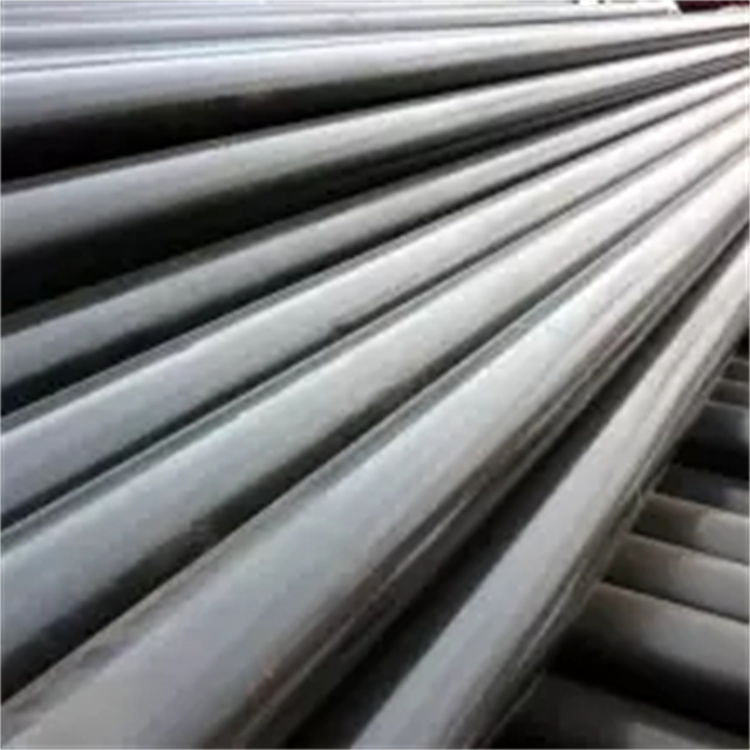 Hebei Xuanchi Brand PE Direct-Buried Power Pipe Manufacturer, PE Conduit Pipe
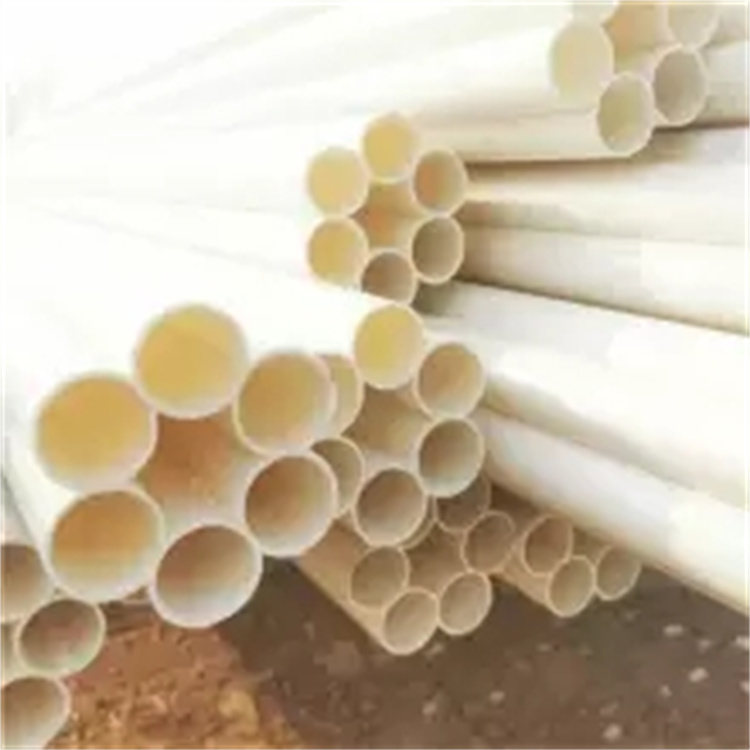 Hebei Xuanchi Brand PVC Low-Voltage Communication Pipe Manufacturer - 92 Four-Hole PVC Grating Pipe Specifications
Product Details

Manufacturing and selling MPP power pipes, CPVC power pipes, PE wiring pipes,...



产品Price 6.00/Rice
最小起订Quantity:1 Rice 供货总Quantity: 9999 Rice


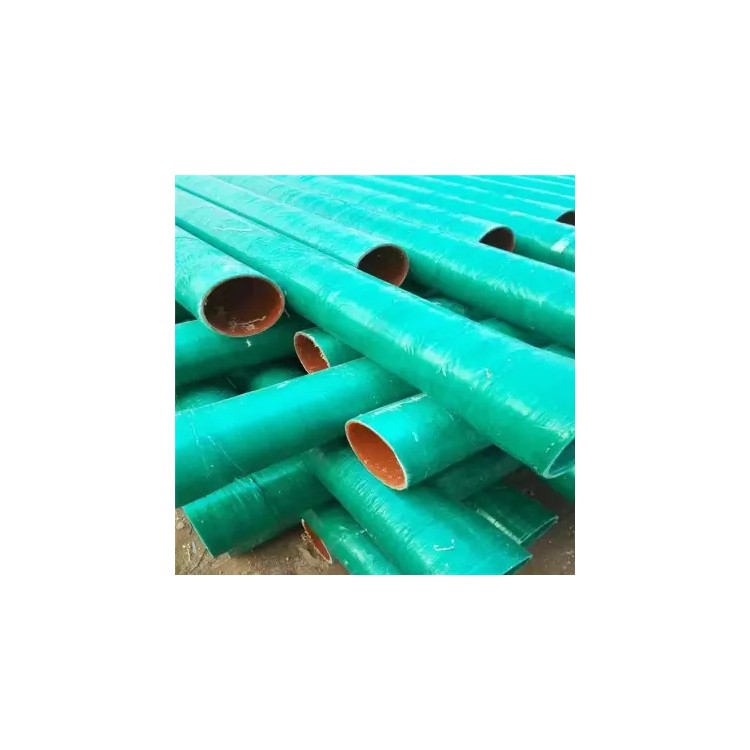 Hebei Xuanchi Brand Glass Steel Pipe Manufacturer DN185 Glass Fiber Reinforced Plastic Pipe Specification
¥14.00
Hebei Xuanchi Brand Glass Steel Pipe Manufacturer DN185 Glass Fiber Reinforced Plastic Pipe Specification
¥14.00
 Hebei Xuanchi 185 Fiberglass Pipe Manufacturer, 185 Fiberglass Reinforced Plastic Cable Protection Pipe
¥22.00
Hebei Xuanchi 185 Fiberglass Pipe Manufacturer, 185 Fiberglass Reinforced Plastic Cable Protection Pipe
¥22.00
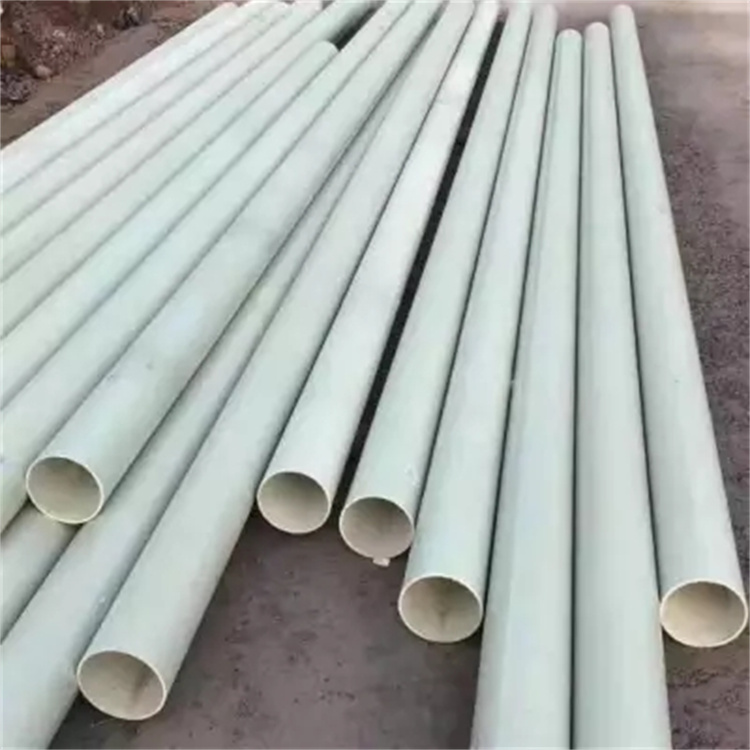 Shandong BWFR Pultrusion Wrapping Power Pipe Manufacturer DN110 Pultruded Cable Protection Pipe
¥19.00
Shandong BWFR Pultrusion Wrapping Power Pipe Manufacturer DN110 Pultruded Cable Protection Pipe
¥19.00
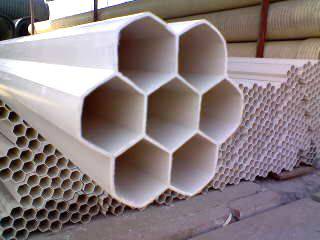
PEPorous plum blossom pipe is a type ofPEA plum blossom-shaped communication pipe material primarily composed of particles, with other formulations, formed through molds, also known as plum blossom pipe and honeycomb pipe. This pipe material features a smooth inner wall, allowing direct laying of optical cables, which saves labor time. It boasts a reasonable structure, high utility value, and long lifespan. It is mainly used for cable sheath protection in communication cables for advantages, mobile, China Telecom, China Unicom, China Netcom, and broadcasting and television.1 The trench for pipeline burial should be as straight as possible according to design requirements and construction procedures. If the bottom of the trench is uneven, a layer of fine sand can be laid. Before burying the pipe, the trench should be cleared of hard materials. When beginning pipe laying, pre-allocate the porous pipe.10-15CM should be left in the manhole for cable passage. The riser pipe at the end of the manhole should be sealed off. It is strictly prohibited to mix mud, sand, or foreign objects into the pipe during burial.〈2 For pipe connections, place the pipe sections with the reinforcing ribs facing up, clean the outer surface of the end pipe section, then insert the end of the coupling into the pipe, and place a thick piece of wood on the end face. Hammer the wood to ensure the pipe sections are properly inserted. At the other end of the coupling, insert the second pipe section and secure it. Continue this process to the next manhole. In actual construction, the total length of the pipe sections may not match the distance between manholes. In this case, measure the actual length of the manhole and cut the pipe sections with a hacksaw, ensuring a clean and even cut. After the joints are completed, the end that extends into the manhole should be sealed with a pipe plug to prevent foreign objects from entering.3 For the first-time users of this product, do not backfill soil immediately after laying the section between two manholes. Test the hole with a cable passer for one or two holes, and after a successful insertion, proceed with the next section. This will provide greater peace of mind.4 After the pipes are laid, first backfill with fine sand or fine soil up to the level of the buried pipe, ensuring the pipe is not suspended. Then, backfill with other soil. Do not throw large stones or large dry soil blocks towards the pipe.5 When the pipeline passes through areas affected by externalIn areas with severe force damage, encase the junction parts with cement concrete to ensure safety.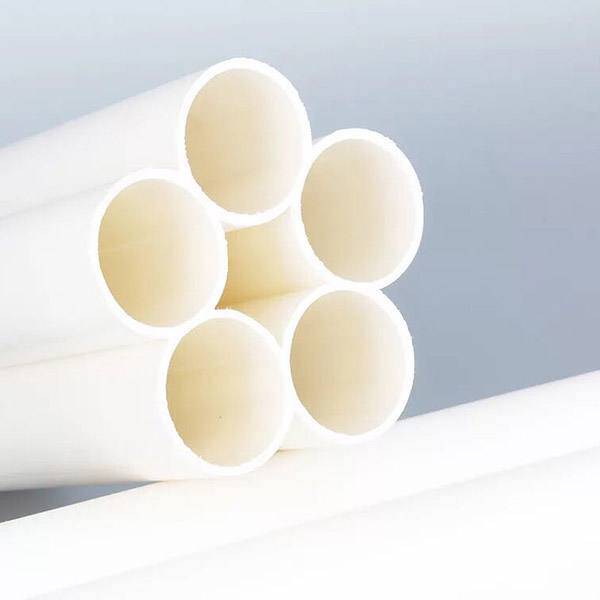

Phone Consultation
QQ Service