
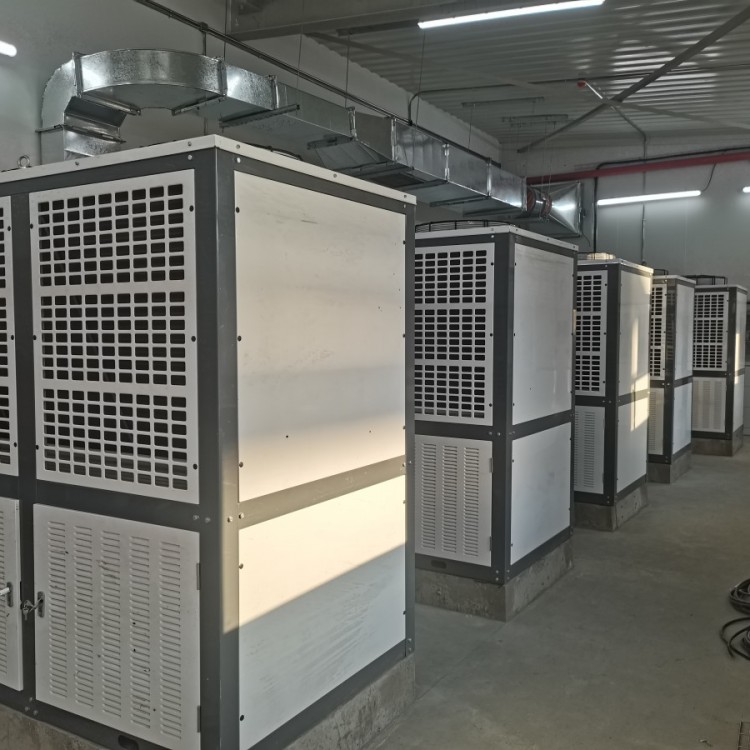
 Industrial Cold Storage
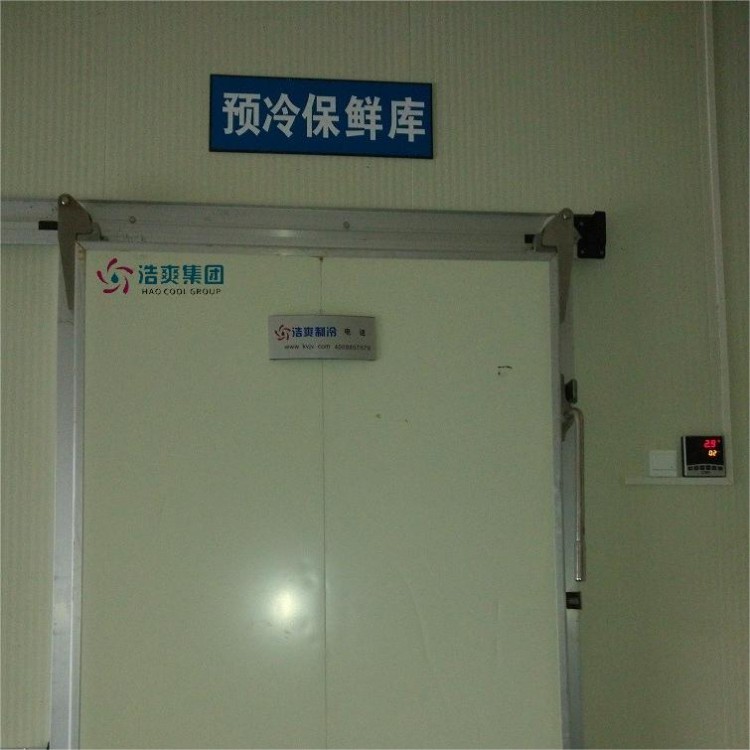 Refrigerated Storage Facility
 Quick-freeze cold storage design
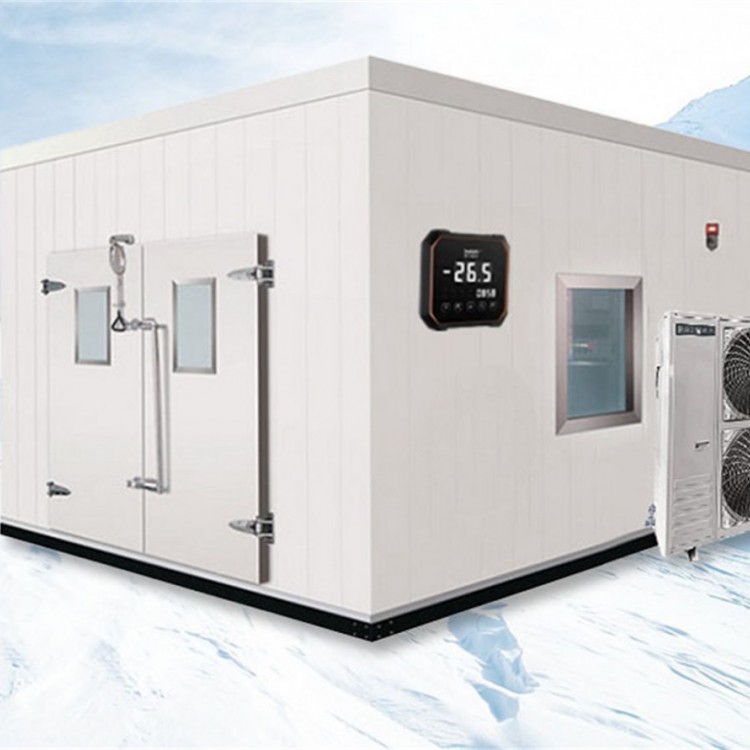 Vaccine Refrigeration Unit
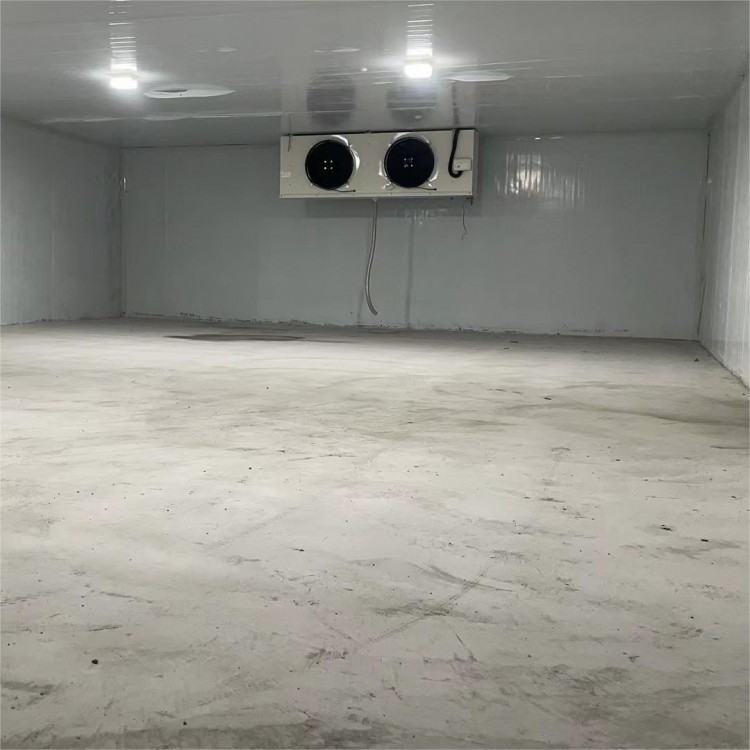 Food Service Refrigerated Storage
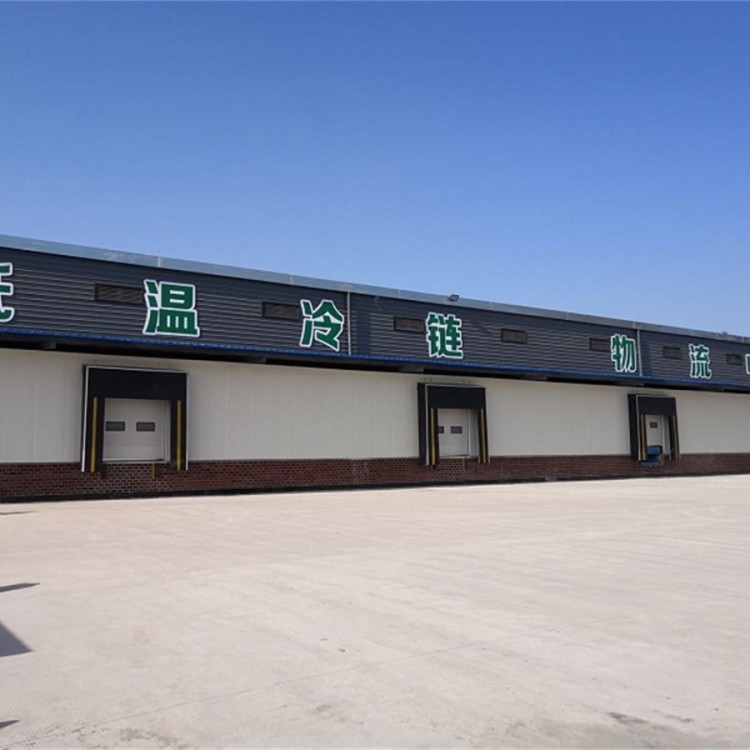 Quick-freeze cold storage
Product Details

Installation, commissioning, maintenance, and technical consulting services f...


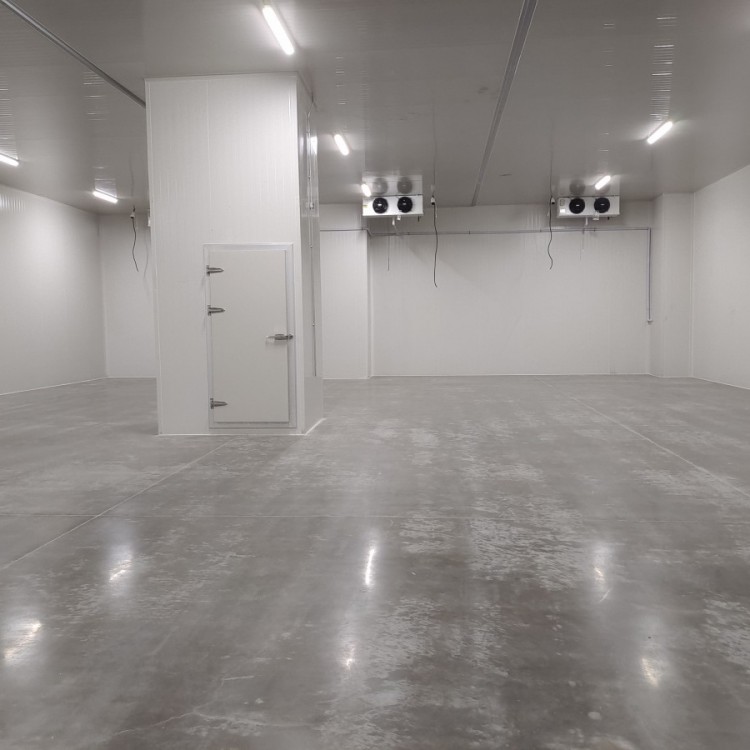


产品Price Negotiable
最小起订Quantity: 供货总Quantity:


Origin |
|
Sales Range |
National |
Transportation Services |
Truck Transportation Vehicles |
One, Variety Selection Hard and crisp flesh varieties are more durable than soft flesh varieties. Those with large berries, thick skins, thick wax coating on the skin, and long fruit bristles are more durable than those with smaller berries, thinner skins, and shorter fruit bristles. Therefore, it is advisable to choose Giant Peak and Global Red for storage. Section II: Harvesting Standards Select for harvesting on clear mornings after dew has dried, and if medium rain or watering occurs before harvesting, delay by one week. Choose mature grape clusters with uniform berry and cluster size, and even coloration, and discard any diseased, damaged, or malformed fruits. To prevent the entry of pathogens into the storage facility, apply a fungicide once to the grapes before harvesting. Note: The following grapes are not suitable for storage: 1. Ripe grapes that are under-ripe, with sugar content below 14% (soluble solids between 15% to 16%), and those with soft tips or water bottle disease. 2. Pre-harvest irrigation or grapes picked during heavy rain. 3. Grapes heavily affected by downy mildew and other berry cluster diseases. 4. Badly rotten fruits, green fruits, and significantly unevenly sized berry clusters. 5. Grapes affected by natural disasters such as frost, flooding, and hail. Section 3: Warehouse Disinfection One week prior to inventory, disinfect the ceiling and ground around the storage room with 0.5% potassium permanganate. Three days before inventory, place 2 kg of sulfur in every 20 tons of storage for fumigation. Four: Pre-cooling for Inventory Storage Plastic周转boxes for harvesting 20 kg of grapes at a time, placed in a cool, shaded area after picking during the day, then quickly pre-cooled in the evening before being stored. The temperature should be dropped to -1℃ as soon as possible. Quick pre-cooling can rapidly reduce the respiration intensity and ethylene release in the stored grapes. It is advisable to limit the pre-cooling time for grapes like Giant Peak to 12 hours to prevent desiccation and shelling. For small packaged grapes stored in保鲜 bags, open the bag when entering the storage, to dissipate the heat and moisture brought from the field. Seal the bag after pre-cooling, and ensure a pre-cooling room is available. V. Storage and Preservation After pre-cooling, the grapes are stacked into a high pile of approximately 3 tons (i.e., 150 boxes of 20 kg each). In between each box of grapes, 10 packages of preservatives are placed, and two sheets of保鲜 paper are placed on top of the boxes. The pile is then covered with a plastic film, sealing it tightly to create a self-contained unit for each pile, forming a small environment. The preservatives release a preserving gas that evenly fills the entire space. The larger space provides a buffering and regulating effect, making the grapes less susceptible to pesticide damage. As the grapes' respiration produces carbon dioxide and water vapor, which are confined within the plastic film, they do not escape, reducing the intensity of aerobic respiration to a more reasonable level. Due to the heat of respiration, the temperature inside the film is higher than outside, causing most of the released water vapor to condense into ice on the inner surface of the film, not on the fruit surface. This keeps the grapes clean, preserves the fruit powder, and makes it difficult for pathogens to侵入. The relative humidity inside the film is maintained well, reducing the loss of moisture from the grape berries and extending storage time. Section 6: Storage Duration Management 1. After all the grapes are stored in the warehouse, place a small amount of sulfur between the stacks, close the warehouse door, light it, and fumigate to kill any pathogens brought in during storage. Since the warehouse is temperature-controlled automatically, the managers will no longer enter the warehouse in the early stage. The temperature is regulated through the thermostat to maintain -2 to 0°C. The temperature inside the plastic film can vary by about 1°C from the warehouse temperature. 2. During the mid-storage period, if the temperature and warehouse temperature are both basically qualified, perform 1 ventilation and air exchange. After the exchange, fumigate with sulfur and then close the warehouse door. 3. Two months after the grapes are stored, combine aeration with the replacement of the保鲜膜 (cling film). Replace the cling film without disturbing the grapes, then stack and cover them with a film. Additionally, check the grapes' preservation condition at the same time. This method is simple in material sourcing, cost-effective, and reusable. Through several years of preservation practice, the preservation time can reach 8 months with a preservation rate of over 95%, making it valuable for the promotion of simple grape storage.

Phone Consultation