
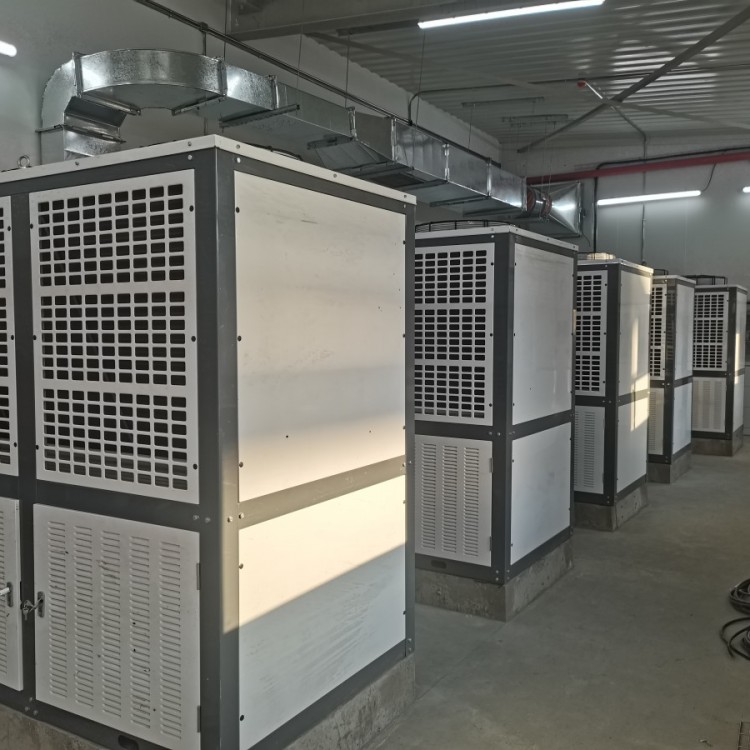
 Industrial Cold Storage
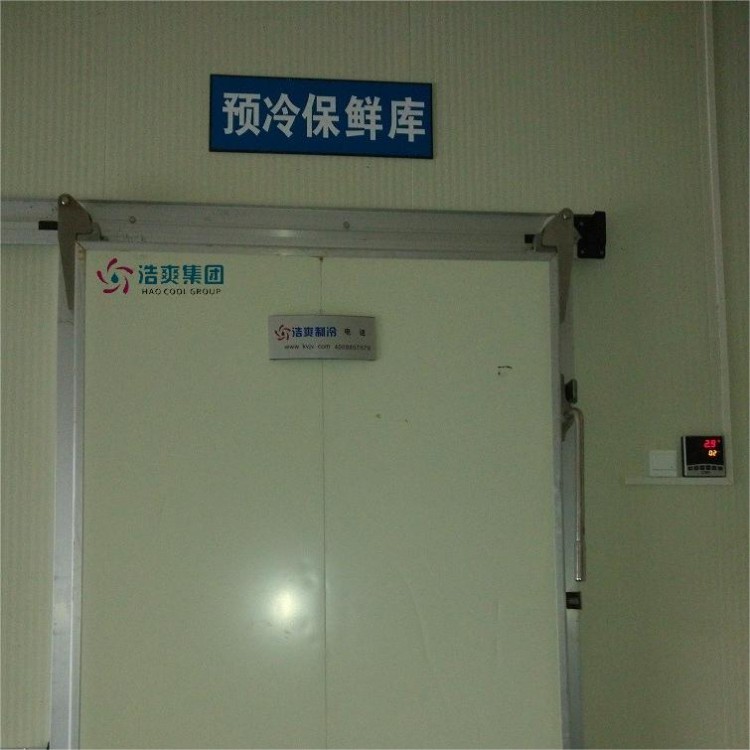 Refrigerated Storage Facility
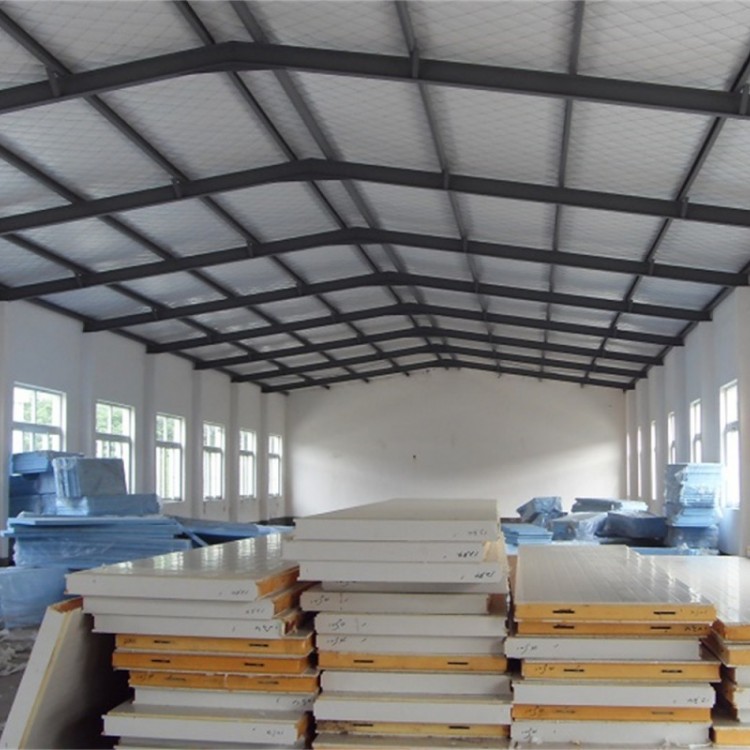 Quick-freeze cold storage design
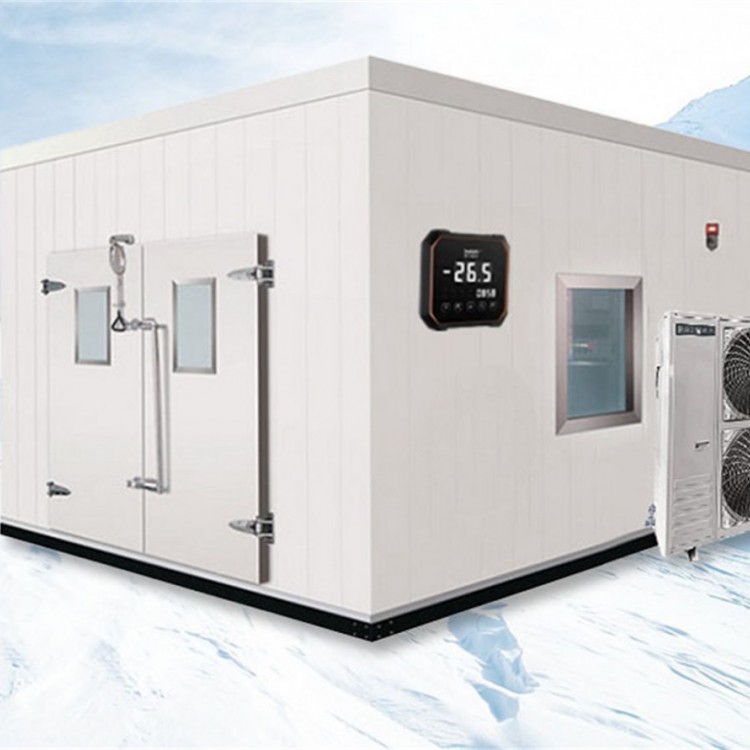 Vaccine Refrigeration Unit
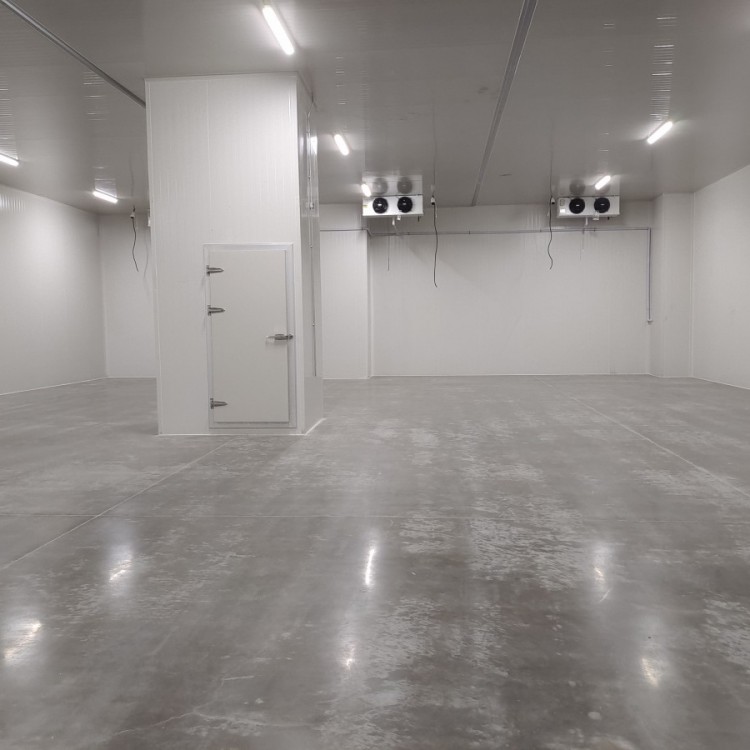 Vegetable and Fruit Refrigerated Storage Warehouse
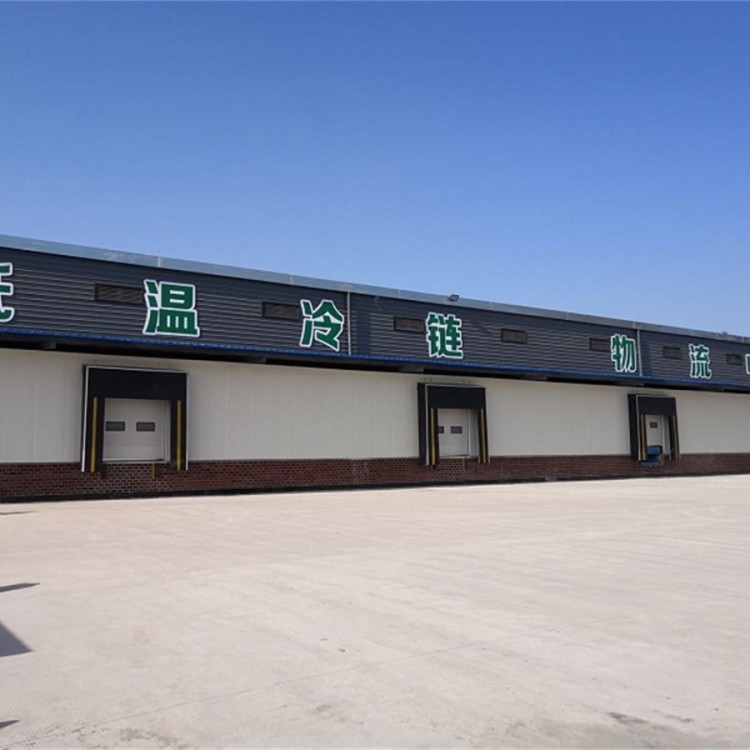 Quick-freeze cold storage
Product Details

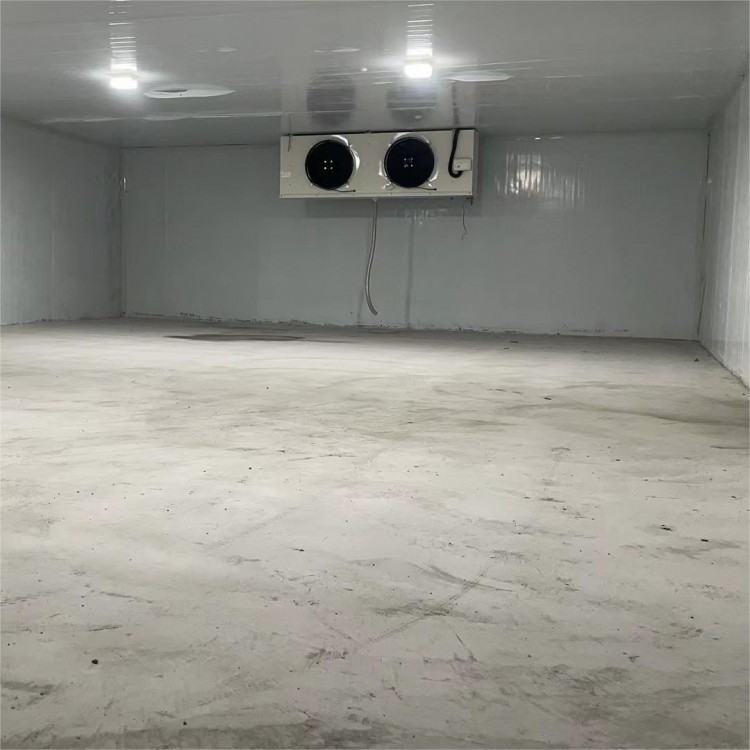
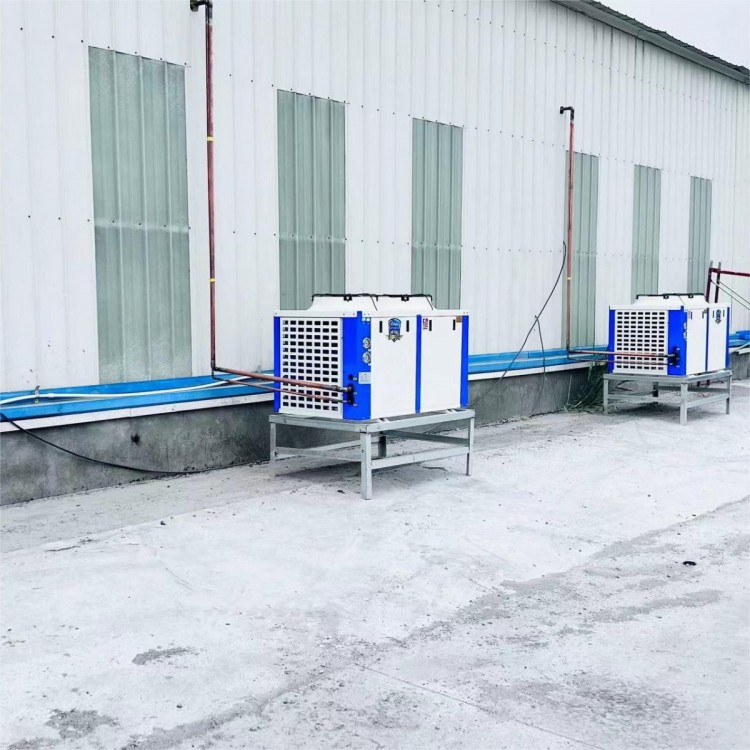
Installation, commissioning, maintenance, and technical consulting services f...


产品Price Negotiable
最小起订Quantity: 供货总Quantity:


Origin |
|
Sales Scope |
National |
Transportation Services |
Truck Transportation Vehicles |
Food cold storage (fresh produce cold storage) is primarily used for the constant temperature storage of dry goods, dairy products, meats, poultry eggs, seafood, fruits, vegetables, wines, cold drinks, and frozen foods. It is widely applicable in food factories, dairy plants, canteens, fruit and vegetable warehouses, poultry and egg warehouses, hotels, restaurants, supermarkets, and more. The cold storage utilizes a liquid with an extremely low boiling point as a refrigerant, which evaporates under low pressure and mechanical control, absorbing heat from the storage area to achieve cooling and temperature reduction, thereby preserving the food. Food is the cornerstone of the people, a crucial industry vital to the national economy and people's livelihood. Promoting the development of the food cold chain plays a significant role in boosting rural economy and expanding foreign trade. Refrigerated Storage Building Structural Requirements The load-bearing structure of small food preservation cold storage is generally beam-and-slab construction, while large multi-story food preservation cold storage often employs cast-in-place reinforced concrete slab-on-grade structures. The design of the cold storage's protective wall structure, in addition to meeting strength and stability requirements, should also maintain the continuity of the refrigeration layer and the airtight layer, ensuring compliance with building thermal requirements. The roof structure of the cold storage is exposed to direct sunlight for a long time, and affected by temperature changes, it may undergo expansion or contraction deformation. Prefabricated components are recommended to adjust the deformation between components, thereby reducing the total deformation. To prevent adverse effects on the walls due to roof expansion and contraction, a sliding contact surface can be designed between the roof structure and the walls. Construction cost of fresh food cold storage How much does it cost to build a fresh produce cold storage is a question of great concern. The price of fresh produce cold storage is simply a cost estimate provided by merchants based on the customer's equipment configuration requirements, plus their desired profit margin. Naturally, the price varies depending on the different unit configurations. For a small cafeteria cold storage of 2.4*3.2*3m in size, 380V voltage, capable of freezing seafood and meat, insulated with 15cm thick polyurethane, equipped with a 3P semi-hermetic unit and a Copeland Bitzer compressor, the cost is typically under 30,000 yuan. Build a 80-cubic-meter flash-freezing storage facility at -30°C, capable of storing 4-5 tons of meat, equipped with a 30P refrigeration compressor, freezing time of 10-12 hours, power consumption of 24 degrees per hour, with a price around 280,000. For instance, a 100×4m vegetable and fruit preservation warehouse can store 50 to 60 tons of produce. It comes with two 8P refrigeration compressors as standard, and the price is around 110,000 without considering logistics. Refrigeration Process: Involves two steps - pre-cooling and refrigeration Pre-cooling Prior to refrigeration or freezing, food should be rapidly cooled from its original temperature (e.g., within 24 hours after harvest for fruits and vegetables, or after slaughtering for livestock and poultry) to the predetermined temperature, promptly inhibiting the biochemical reactions of the food itself and the proliferation of microorganisms. Common cooling methods include: 1) Air cooling, where cold air is blown through tunnels containing the food or forced into food packaging boxes with air vents using a pressure difference of 1300-2000 Pa to accelerate product cooling. The temperature, relative humidity, and airflow are determined by the type of food, generally avoiding freezing, with relative humidity usually between 90-95%. 2) Water cooling, using water as the heat transfer medium and large-capacity pumps to spray near 0℃ cold water onto the product. Due to water's much higher thermal capacity, heat transfer efficiency is high, allowing most foods to cool in 10-15 minutes. Sea water cooling for fish is fast, uniform, and extends storage life. 3) Indirect cooling, suitable for liquid foods like milk, egg yolks, and fruit juices. Heat exchangers used include tube-type, sleeve-type, scraper-type, and plate-type. 4) Vacuum cooling, utilizing the principle that lowering atmospheric pressure accelerates water evaporation and that the latent heat of evaporation can lower food temperature. Foods are placed in an enclosed room, and a vacuum unit is used to reduce pressure to 660 Pa. At this pressure, the boiling point of water is 1℃, causing the surface water of the food to evaporate and vaporize, with each kilogram of water evaporating absorbing approximately 2460 kJ of heat, resulting in a decrease in food temperature. For every 5℃ decrease in temperature, the water content in the food decreases by about 1%, or a 1% weight loss. Vacuum cooling is suitable for leafy vegetables with a large surface area, as well as asparagus, celery, and sprouts; for fruits with a small surface area/volume ratio or those with a waxy surface, where water evaporation is difficult, it is not recommended. Refrigerated Storage temperature, relative humidity of the air, and air flow are crucial factors for refrigeration. In practical application, the specific conditions of these three factors are determined by the type of food, the length of storage, and whether the food is packaged. 1) Storage temperature, particularly the temperature of the food itself, is a crucial factor for Kuhua Refrigeration. For fruits, vegetables, and shell eggs, temperatures near the freezing point are ideal. However, tropical and subtropical fruits and vegetables have their respective low storage temperatures for Kuhua Refrigeration. For instance, the low storage temperatures for bananas, pineapples, lemons, green tomatoes, cucumbers, and eggplants are 13°C, 7°C, 12°C, 12°C, 7°C, and 7°C, respectively. Temperatures below this can cause cold damage, such as disease spots, internal discoloration, and skin rot, eventually leading to decay. The freezing temperature required for frozen meat and poultry is generally around -18°C. 2) High humidity can cause condensation on the surface of chilled foods, potentially leading to spoilage of fruits and vegetables or mold on meat and poultry; low humidity speeds up evaporation, leading to surface drying of the food, increased air cell size in shell eggs, and weight loss. 3) In cold storage, forced ventilation should be ensured to carry away the respiration heat of fruits and vegetables through the circulating air, maintaining uniform temperature across all sections of the storage. Low airflow is insufficient to achieve this, while high airflow accelerates the evaporation of food moisture, especially when the relative humidity is low, which has a greater impact. If the food is packaged with materials of low vapor permeability, the airflow and relative humidity have no effect on the moisture evaporation of the fruits and vegetables.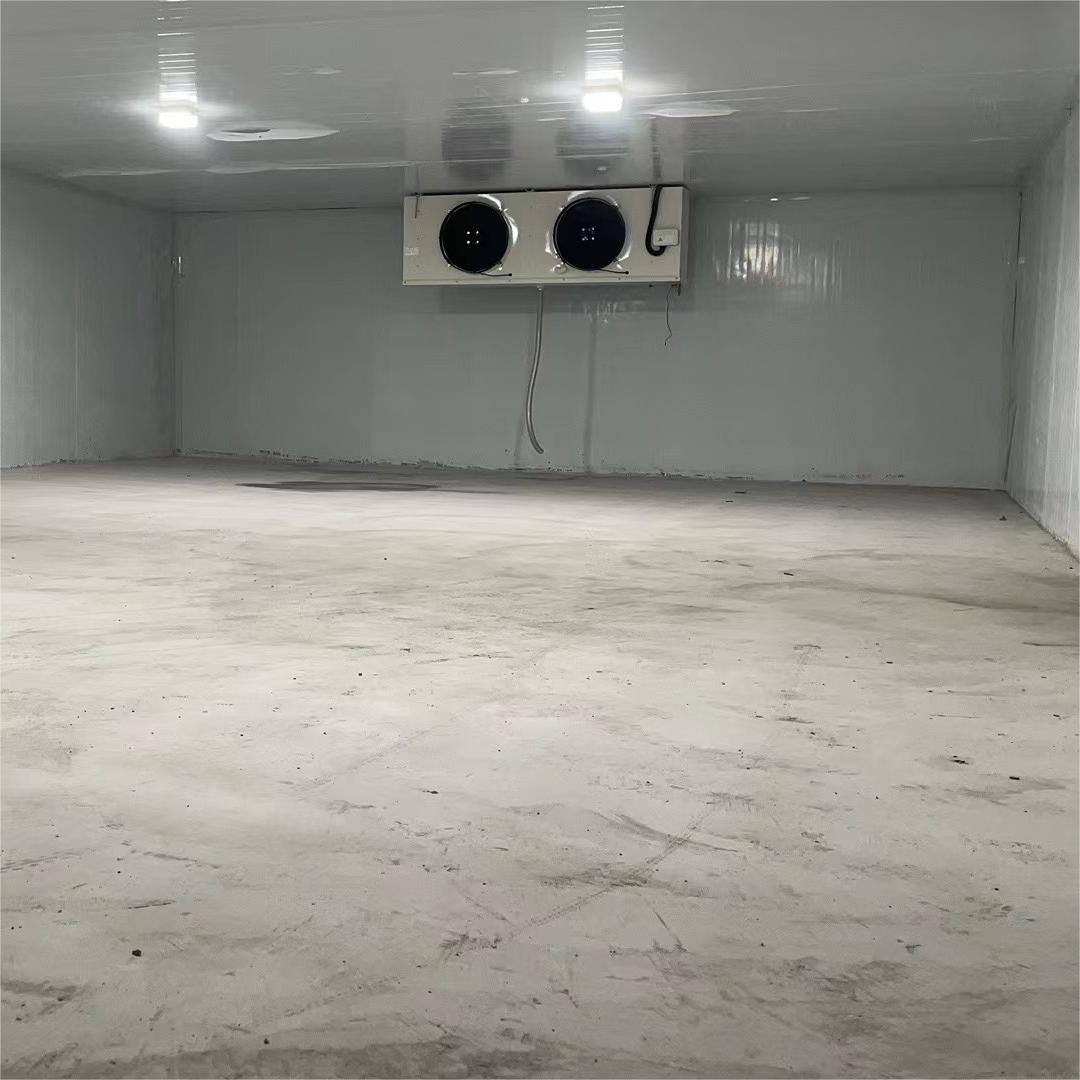

Phone Consultation