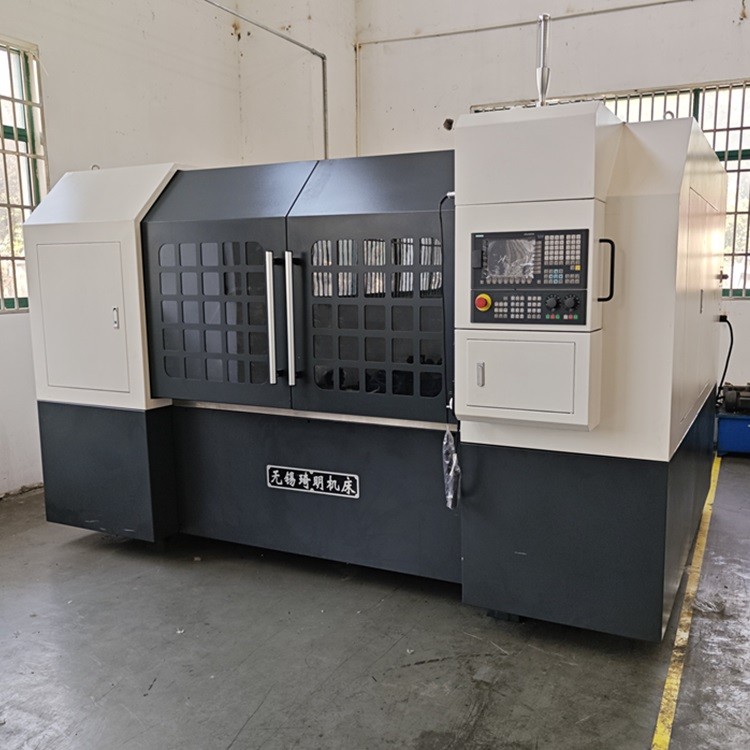
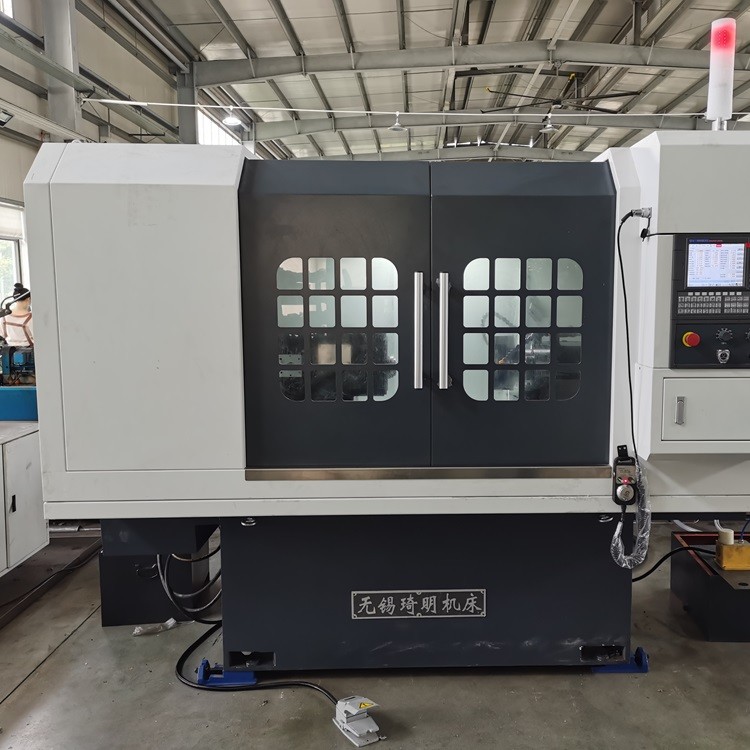
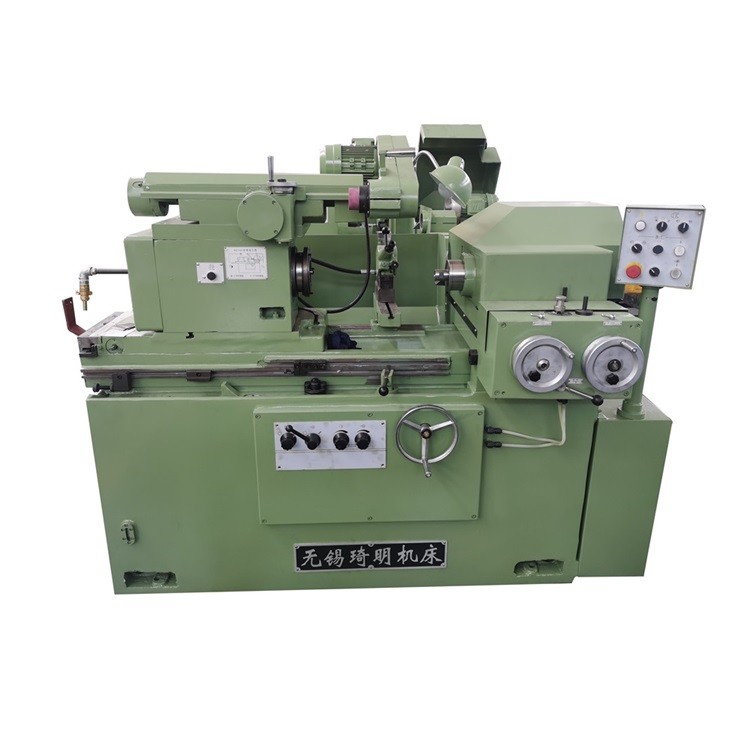
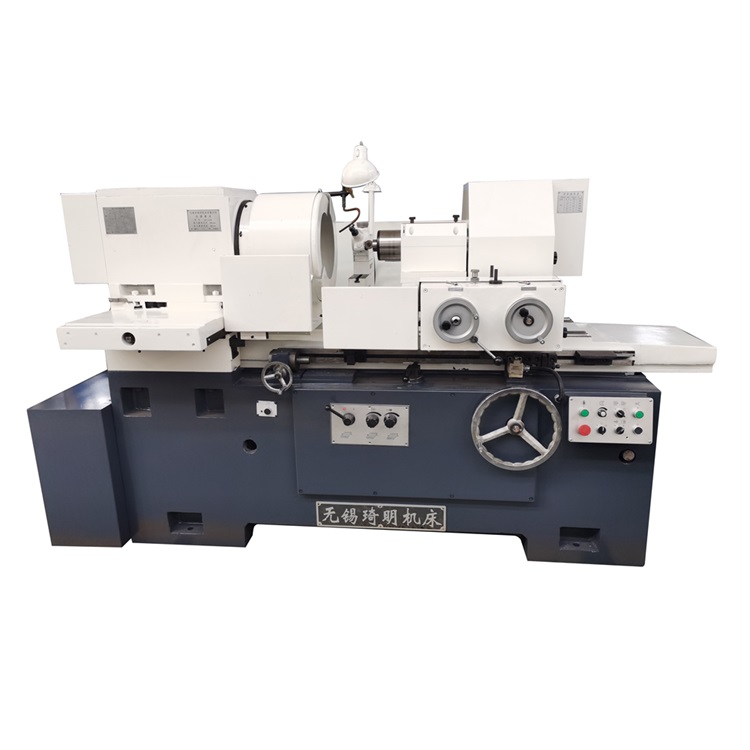
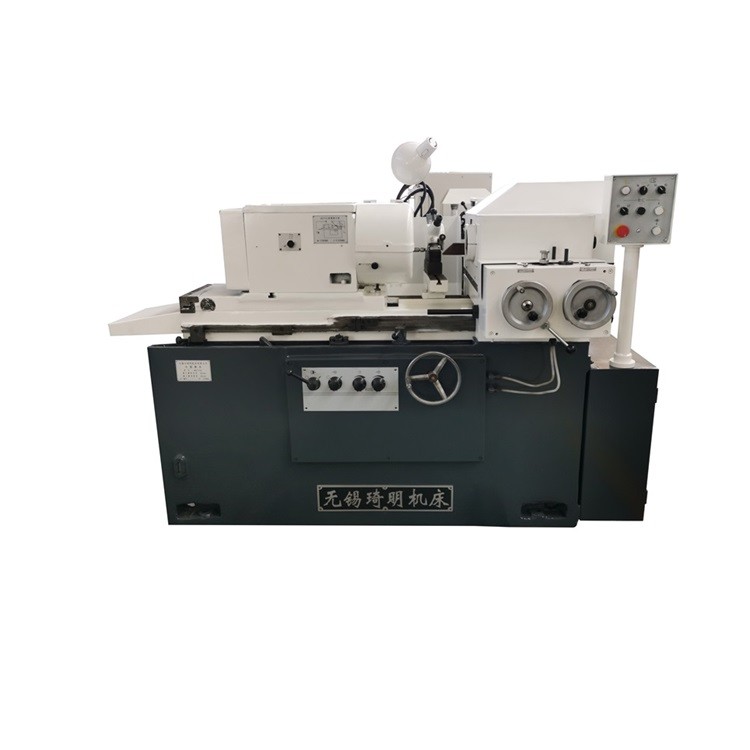
When selecting equipment, factors such as processing requirements, production volume, and investment budget should be considered. For large-scale production, machines with high levels of automation should be chosen; for varied small-batch production, the flexibility of the machine tools is crucial. Additionally, the potential for future product upgrades should be taken into account, opting for expandable machinery.
Performance evaluation requires a comprehensive consideration of machine tools' accuracy, rigidity, reliability, and other indicators. Actual performance can be assessed through trial machining samples. Additionally, factors such as energy consumption and floor space should be examined to select the most suitable model for the enterprise's needs.
The procurement process includes stages such as requirement analysis, proposal formulation, bidding and evaluation, and contract signing. Special attention must be given to the drafting of technical agreements, clearly defining the technical specifications and acceptance criteria for the machine tools. Additionally, consider after-sales service and training as additional value-added services.
Cost analysis for machine tools should consider not only the purchase price but also the operational and maintenance costs. While energy-efficient machines may have a higher initial purchase price, they could be more economical in the long run. Consider the reliability and ease of maintenance of the machine tools, and choose the option with the lowest overall cost of ownership.