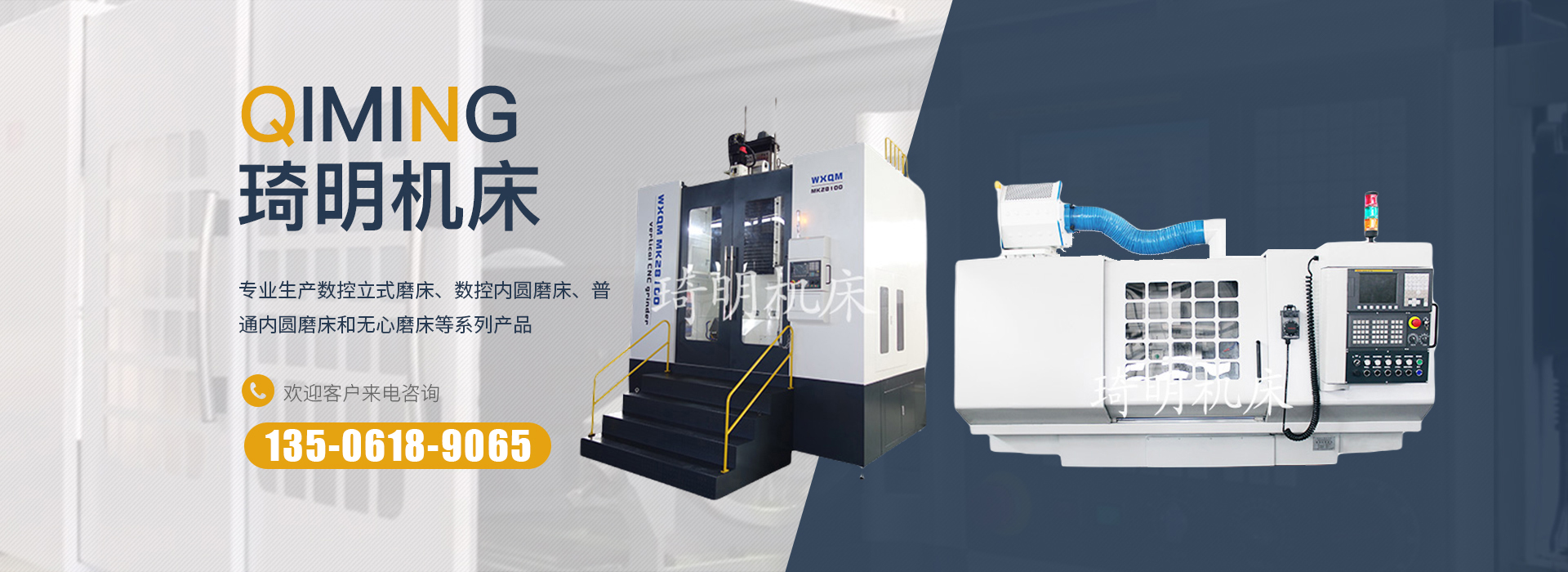
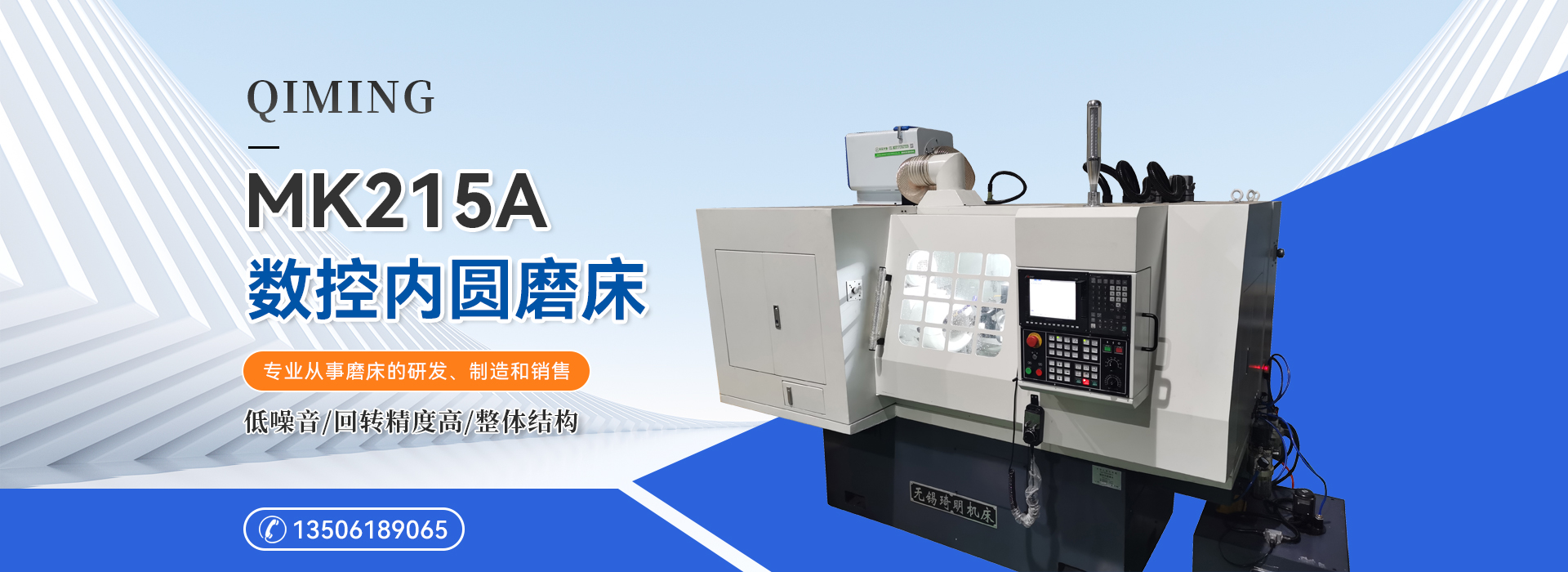
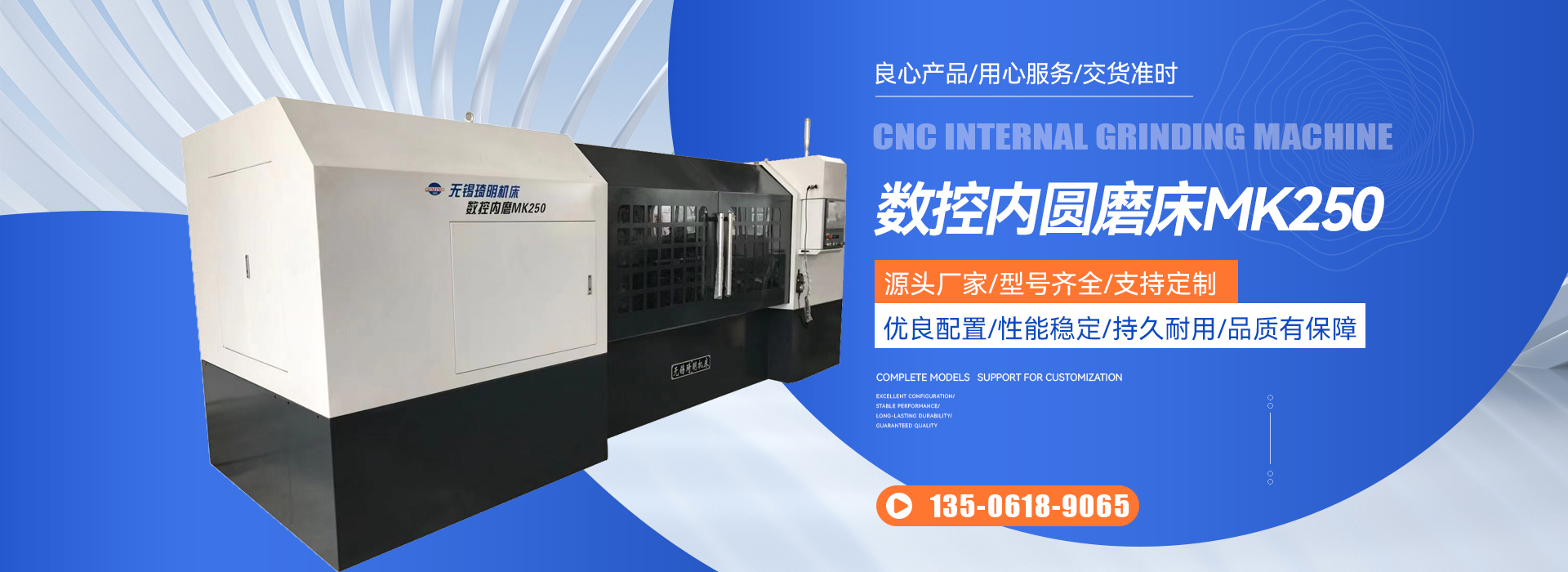
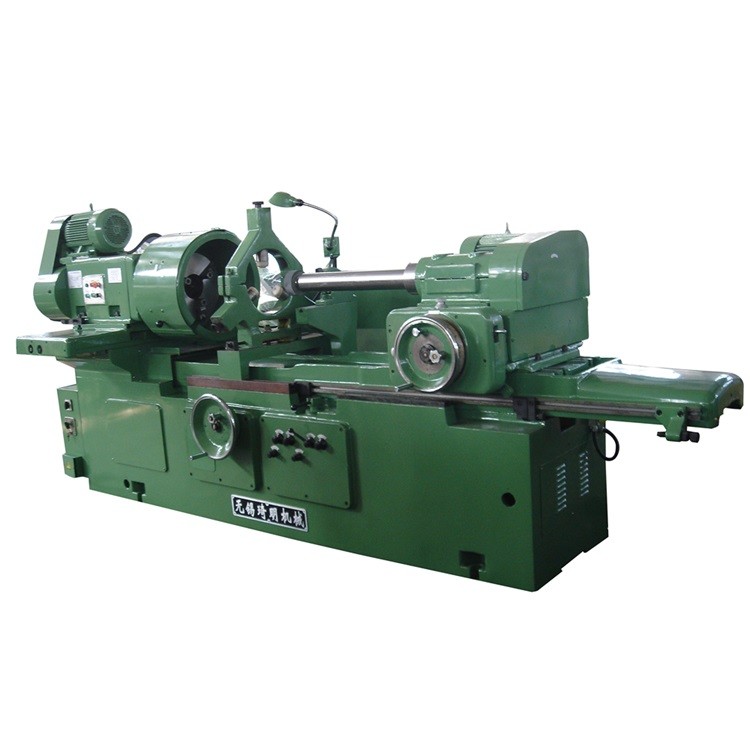
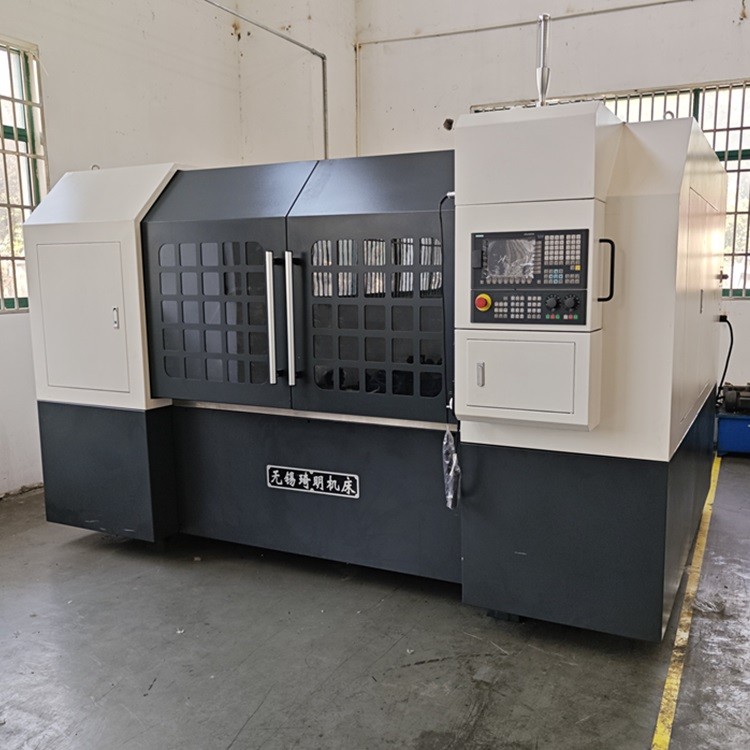
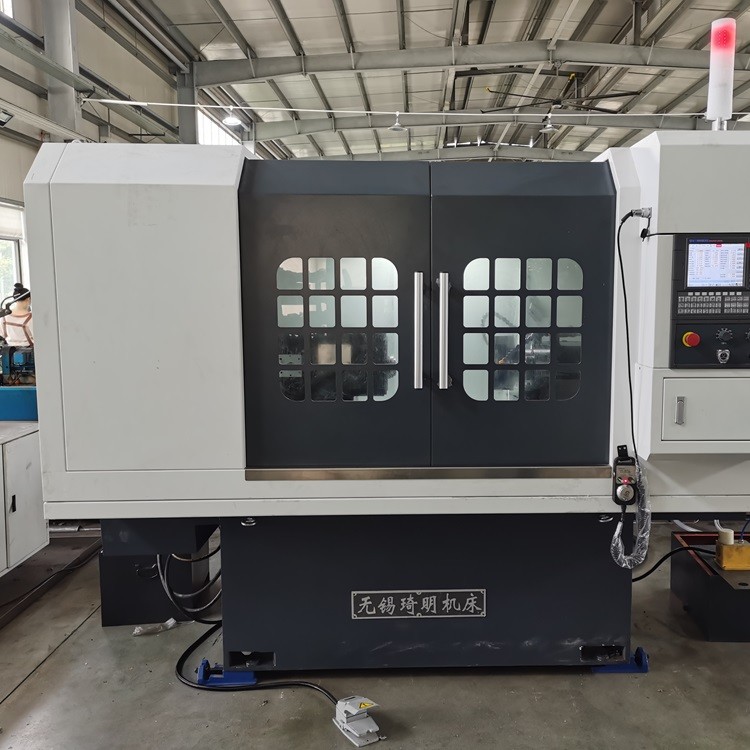
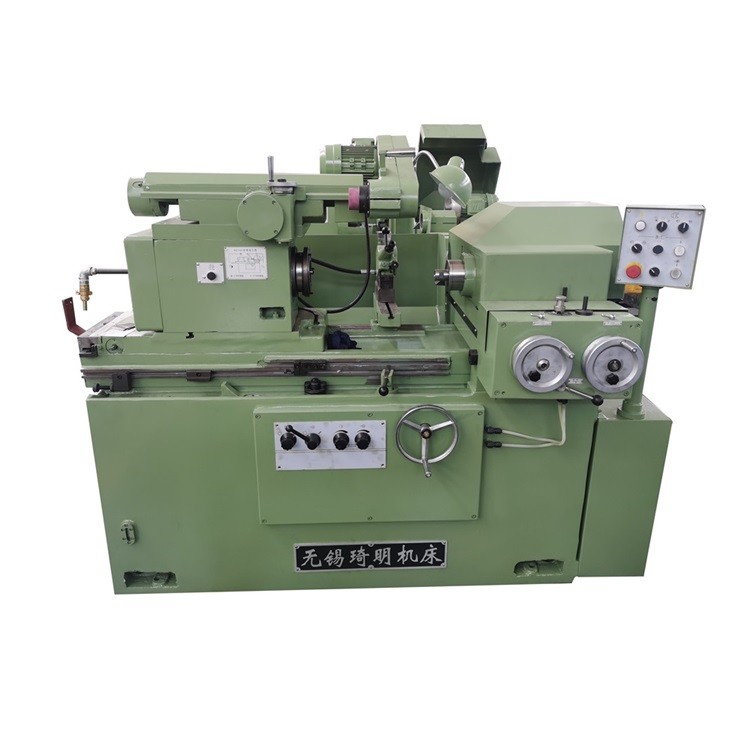
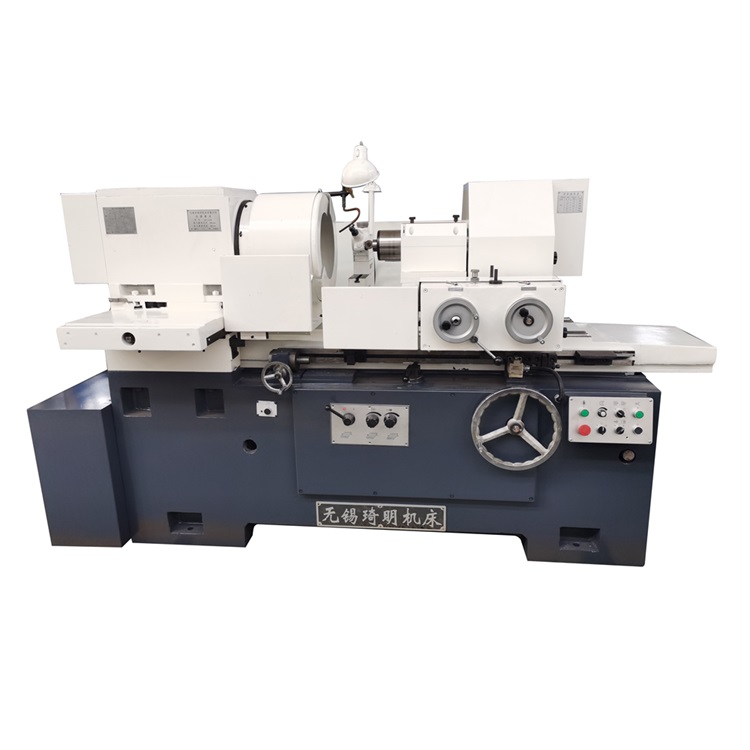
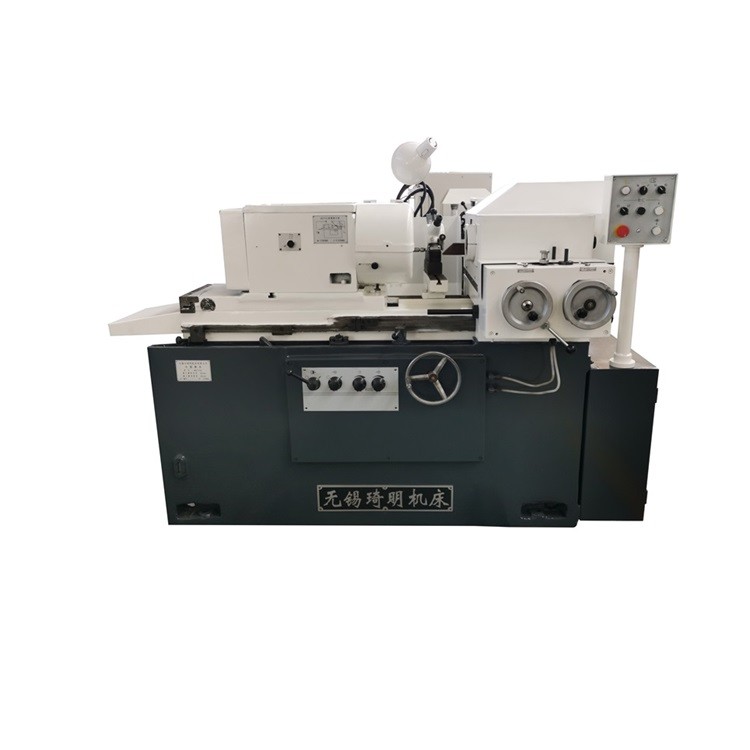
The internal grinding machine, a crucial piece of equipment in the modern precision manufacturing field, plays an indispensable role in the mechanical processing industry. This specialized precision machine tool for processing the inner surface of workpieces can achieve micrometer and even nanometer-level precision, making it one of the core devices ensuring the quality of mechanical components.
In the field of mechanical manufacturing, the internal cylindrical grinder finds extensive application. From cylinder sleeve processing for automotive engines to the manufacture of precision components in the aerospace industry, from the production of hydraulic components to mold making, internal cylindrical grinders play a crucial role. Particularly in the processing of key components such as high-precision bearings, gears, and hydraulic cylinders, internal cylindrical grinders are indispensable machining equipment.
As modern industry's demand for part precision continues to rise, the technology of internal grinding machines is also advancing. The new internal grinding machines not only offer higher processing precision but also achieve intelligent and automated development. The application of CNC technology enables these machines to complete more complex processing tasks, and the introduction of on-line inspection systems further enhances the stability of processing quality.
I. Core Technology Analysis of Internal Circular Grinding Machines
The structure design of the inner circular grinding machine embodies the essence of precision mechanical manufacturing. The machine tool body is made of high-rigidity cast iron, precision machined and aged treated to ensure stability for long-term use. The spindle system utilizes high-precision rolling bearings or liquid hydrostatic bearings, paired with precise pre-tensioning devices, achieving exceptional rotational accuracy. The feed system typically employs ball screw or linear motor drives, complemented by high-resolution encoders, to achieve micron-level precise control.
Accuracy control is the core technology of internal cylindrical grinding machines. Modern internal cylindrical grinding machines commonly use closed-loop control systems, which monitor the processing accuracy in real-time through precise measurement devices like laser interferometers. The application of temperature compensation systems effectively reduces the impact of thermal deformation on processing accuracy, while active vibration control technology further enhances the surface quality of the processed parts.
The development of CNC systems has brought revolutionary advancements to internal grinding machines. Modern CNC internal grinding machines commonly use multi-axis linkage control, enabling precise processing of complex contours. An intelligent processing parameter optimization system can automatically select the optimal processing parameters based on the material of the workpiece and processing requirements, significantly enhancing processing efficiency and quality.
Section II: Machining Technology and Applications of Internal Cylindrical Grinding Machines
The internal grinding process must be meticulously designed based on the workpiece material, dimensional accuracy, and surface quality requirements. It typically involves multiple steps, including rough grinding, semi-finishing, and finishing, each requiring the selection of appropriate abrasive grain size, cutting parameters, and cooling methods. For high-precision components, stress relief and dimensional stabilization treatments after machining must also be considered.
In the automotive manufacturing sector, internal grinding machines are primarily used for processing critical components such as engine cylinder blocks and transmission cases. In the aerospace industry, they are employed for machining precision parts like engine blade tenons and hydraulic actuator cylinders. In mold making, internal grinding machines are utilized to process the cavities and guide holes of precision molds.
With the continuous emergence of new materials, the processing technology of internal grinding machines is also constantly innovating. For instance, the internal grinding technique for ceramic matrix composites and the ultrasonic-assisted grinding technique for hard alloy have significantly expanded the application scope of internal grinding machines.
III. Future Development Trends of Internal Cylindrical Grinding Machines
Intelligence is a key direction for the development of internal grinding machines. Future internal grinding machines will be equipped with more advanced sensor systems and artificial intelligence algorithms, enabling autonomous decision-making and optimization in the machining process. The application of adaptive control technology will allow machine tools to automatically compensate for machining errors, ensuring the stability of machining quality.
The green manufacturing concept is driving innovation in internal cylindrical grinding technology. The new internal cylindrical grinders feature more efficient drive systems and cooling filtration devices, significantly reducing energy consumption and environmental pollution. The application of dry grinding technology has reduced the use of cutting fluids, while the in-line dressing technology for abrasive wheels extends their lifespan.
The advancement in ultra-precision machining technology has set higher standards for internal grinding machines. The emergence of nano-precision internal grinding machines has made it possible to process ultra-precision parts such as optical components and semiconductor devices. The application of new materials and processes, such as ceramic bearing spindles and magnetic suspension guideways, will further enhance the processing capabilities of internal grinding machines.
Internal grinding machines, as core equipment in precision manufacturing, directly impact a nation's manufacturing level. With the continuous application of new technologies, internal grinding machines will play an even more significant role in the precision manufacturing field. In the future, internal grinding machines will evolve towards higher precision, efficiency, and intelligence, providing stronger technical support for modern manufacturing. Manufacturing enterprises should closely monitor the development trends of internal grinding machine technology, timely update equipment and technology, to maintain a competitive edge in the market.