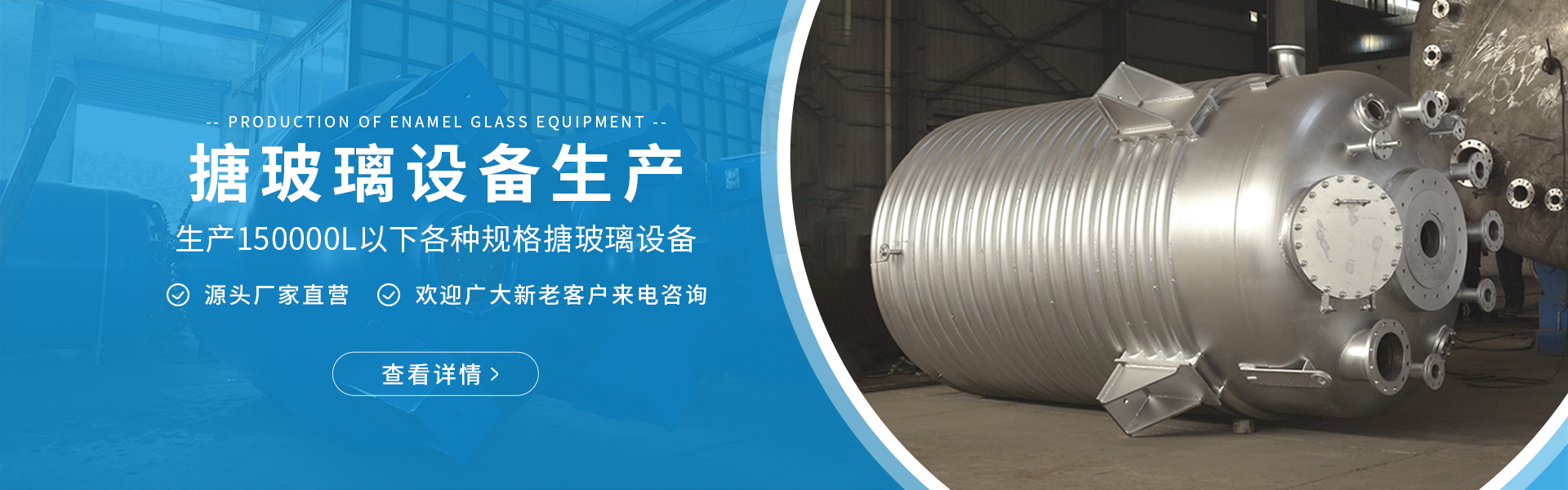
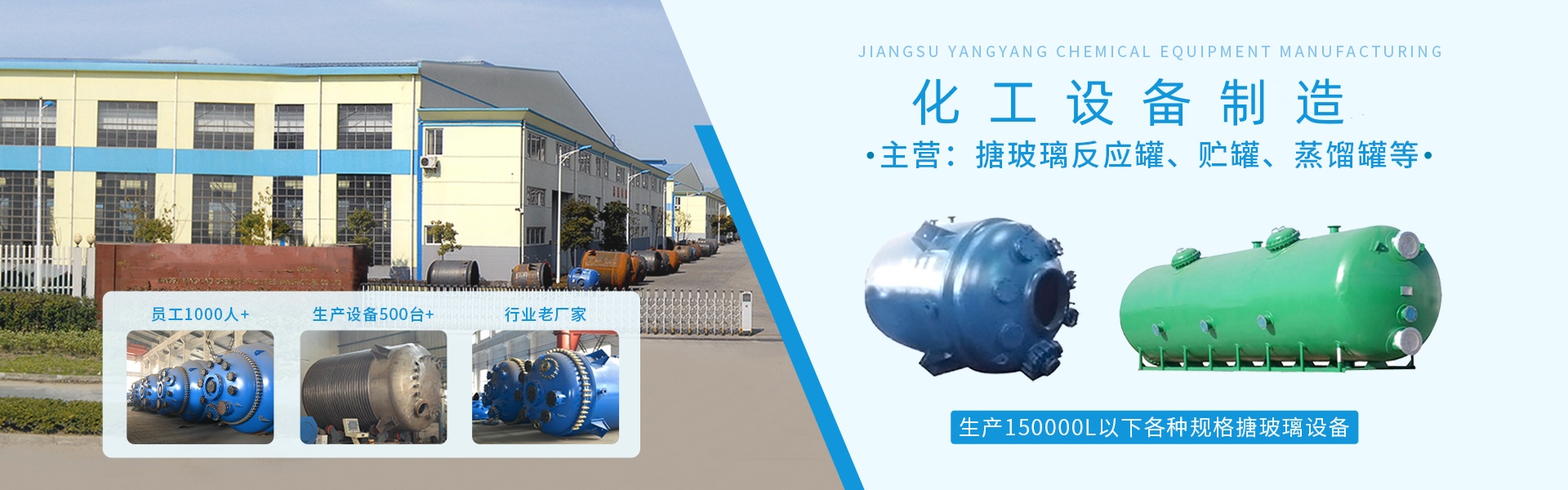
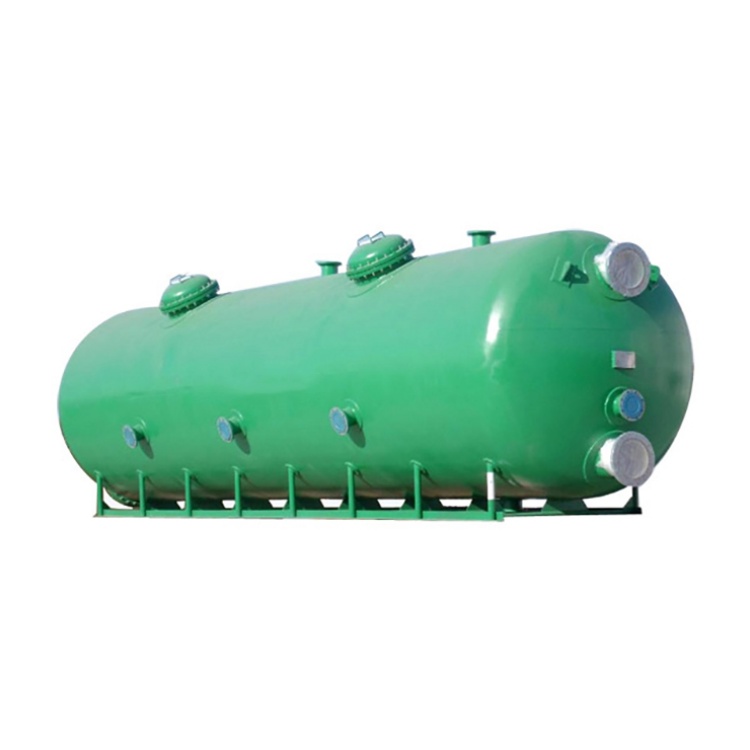
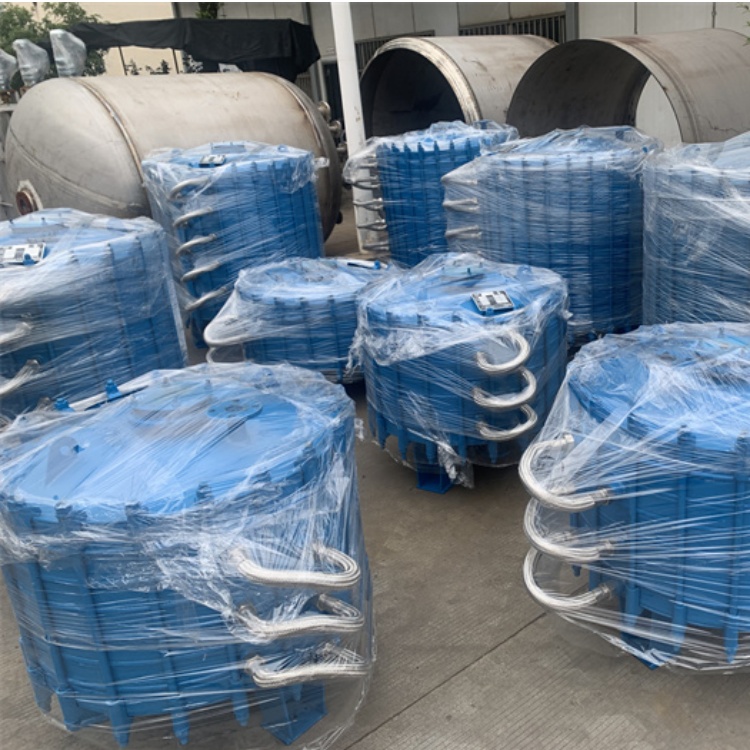
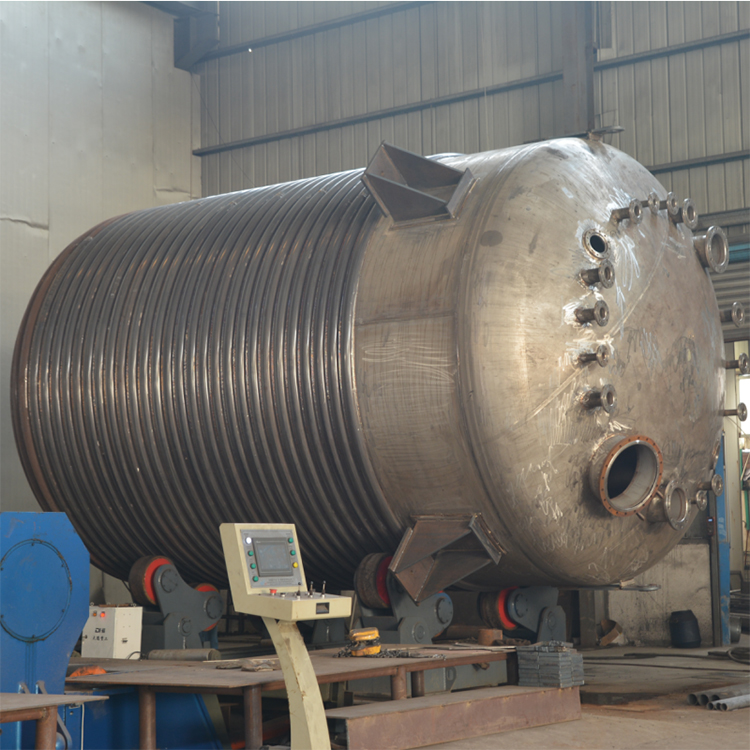
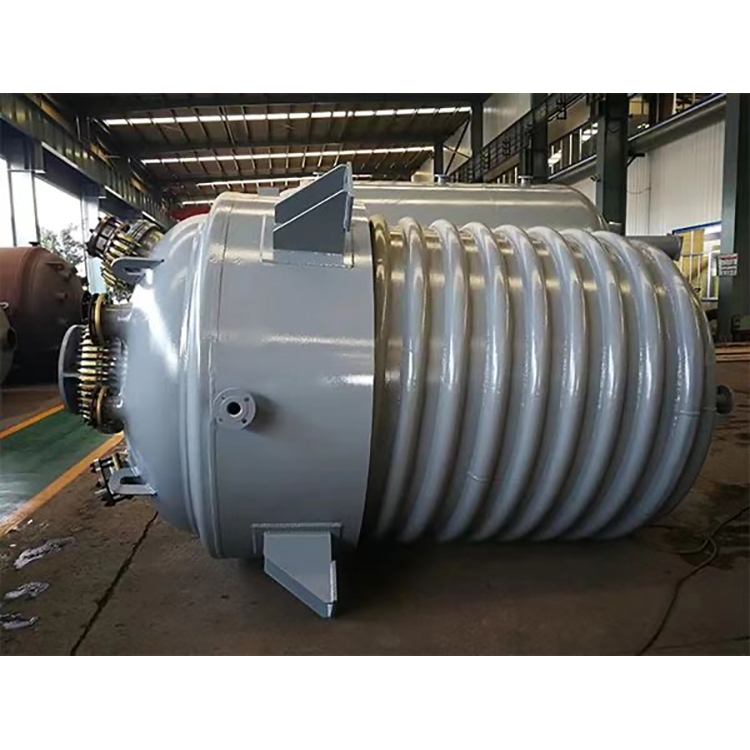
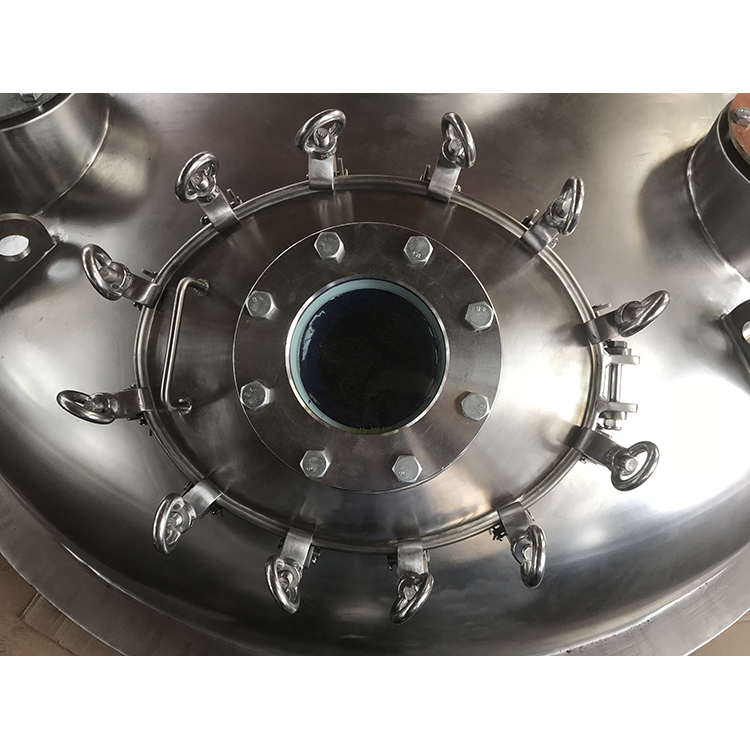
Glass-lined reactor vessel
18852688885
Preparation Before Driving:
Operators must undergo safety and job training, familiarize themselves with the structure and performance of the equipment, and master the equipment and process operation procedures.
2. Inspected the cleanliness of the enamel-lined reactor, the stirrer, and the rotating parts. Auxiliary pumps, indicator instruments, safety valves, pipelines, and valves all meet safety requirements. Checked if the pipeline valve switching states align with the material transportation direction requirements of the process. Ball valves should generally be fully open or fully closed to prevent damage to the internal seals.
3. The dual operation and review process involves checking the chemical properties, quantity, and compatibility of the process materials in the high-level hopper with the equipment's material and capacity. It also involves understanding the requirements for corrosion resistance and nitrogen gas protection. The heating, cooling, and stirring speeds are inspected to ensure they meet the required specifications.
4. Ensure that there is no oil shortage in the reducer, base bearing, and oil seal box of the reactor, and that the cooling water for the pump is flowing smoothly.
5. After a long period of shutdown and maintenance, the mixing equipment should be reconfirmed for the integrity of the transmission parts, including the rotation section or the point motor. Check that the mixing shaft rotates clockwise, avoiding any reverse rotation.
6. Connect to vacuum and recheck the system's sealing condition. When the system uses glass-lined vessels for cooling, it is necessary to drain the circulating water between the cooling jacket to a water pressure of 0.15 MPa (gauge pressure) during vacuum extraction to prevent deformation and damage to the cooling glass during the vacuum process.
After the above inspections are normal, vacuum suction or pump feeding may commence. It is mandatory to strictly adhere to the process requirements, add materials in the specified sequence, and do not alter the order of addition. The amount of material added must not exceed the process specifications.
8. Additives of flammable and explosive liquids (or dust) should be properly grounded to prevent static electricity according to relevant regulations; for other solid materials, it is imperative to avoid adding metallic or hard particles into glass-lined reactors to prevent damage to the enamel surface.
Section 2: Mixing Operation:
1. After the material is fed, reposition the valves to the appropriate open/close positions, and then start the mixing. Initially, enhance monitoring of the mixing operation; any significant noise or vibration indicates an abnormality and requires immediate emergency stop. If solid powders are added to the reaction kettle, wait until they are fully dissolved before starting the mixing.
2. Prior to heating, the condenser's circulating water must be turned on for the glazed reactor.
3. First, open the bypass drain valve, then gradually open the steam valve. After draining the accumulated water, the bypass valve is equipped with a drain separator to perform drainage, preheating the jacket.
4. Heating and temperature increase operations should be conducted as much as possible under stirring conditions. First, slowly open the steam cutoff valve and introduce steam through the steam cutoff valve to reach 0.1 Mpa (gauge pressure). Maintain this for 15 minutes, then gradually increase the pressure and temperature, with a preferred pressure increase rate of 0.1 Mpa every 10 minutes. The pressure inside the jacket must not exceed the specified value, and the temperature rise must also meet the process requirements.
5. During the addition and insulation processes, it is essential to frequently check the reaction kettle temperature and pressure. Comprehensive observation of the added materials and the condition of the material inside the enamelled reaction kettle should be made, and appropriate records should be kept. In the event of abnormal temperatures, pressures, or material interfaces in the enamelled reaction kettle, timely measures should be taken to maintain normal reaction conditions and prevent equipment or personal accidents.
When removing materials from the reaction kettle, stirring must be stopped for at least 2 minutes and ensure there are no other safety hazards before proceeding. Avoid using easily removable, hard metal containers to insert into the glass-lined reaction kettle for sampling to prevent scratching the glass surface.
7. During operation, the reactor must strictly adhere to the process operation procedures, and it is strictly prohibited to exceed temperature, pressure, or operate at overcapacity. In the event of any abnormal conditions such as exceeding temperature, pressure, or overcapacity, immediate corresponding measures must be taken in accordance with the process specifications. It is strictly prohibited to allow the reactor to exceed the prescribed liquid level for reaction.
Ensure regular checks of equipment operation, and promptly stop and inspect in case of any anomalies.
Contact us

Service Hotline
18852688885
Company Telephone
18852688885

Address
Jiangsu Province, Jingjiang Economic and Technological Development Zone, Su Yuan Heat Circuit
b2b.china9.net © Zhongshang 114 Hebei Network Technology Co., Ltd.Address: Room 6009, Oriental New World Center, No.118 East Zhongshan Road, Qiaoxi District, Shijiazhuang City, Hebei ProvincePlatform Service Hotline: 4006299930