


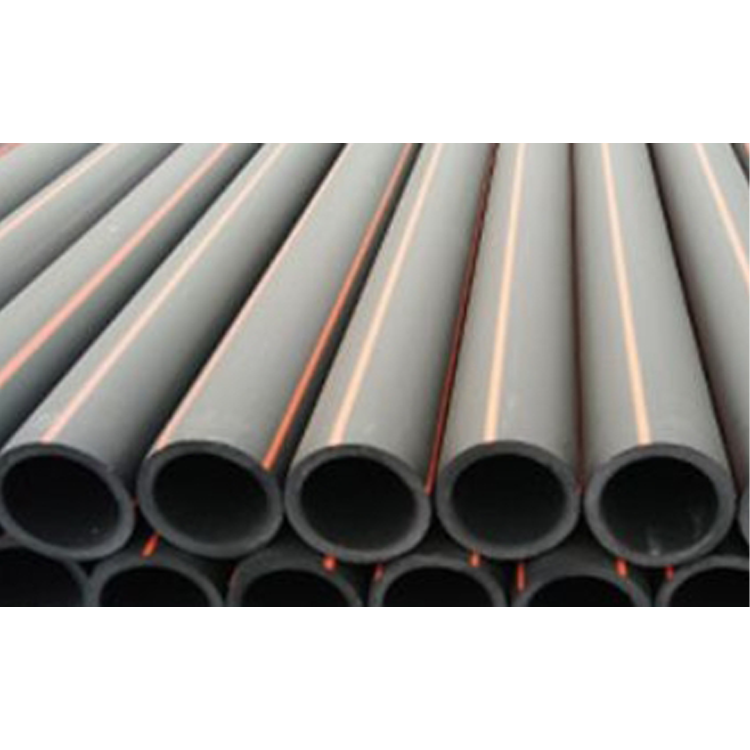
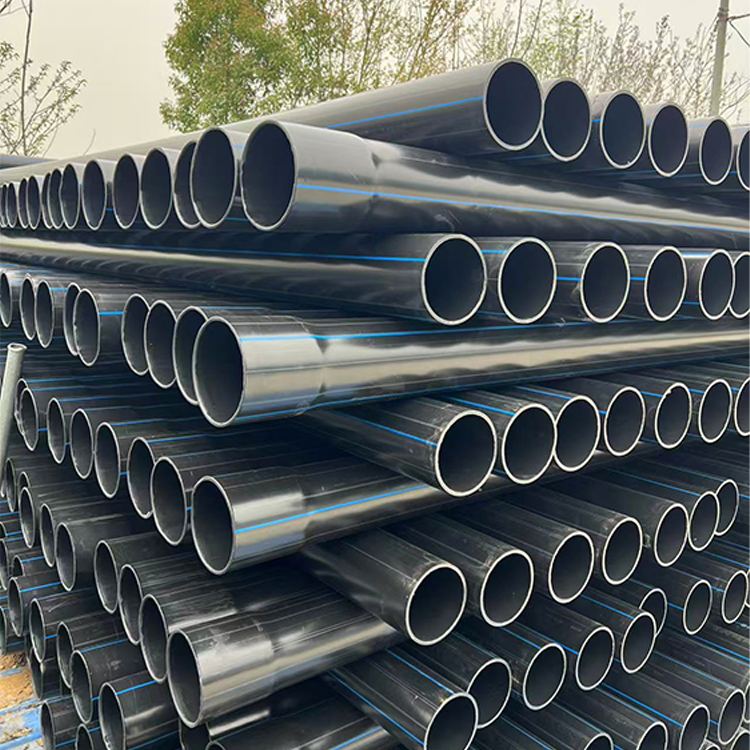

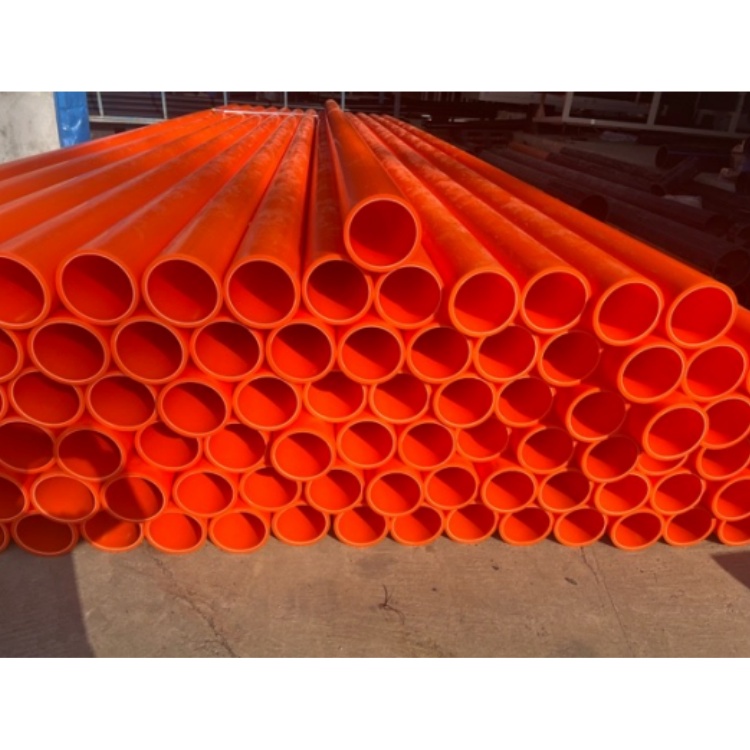
 MPP Power Pipe
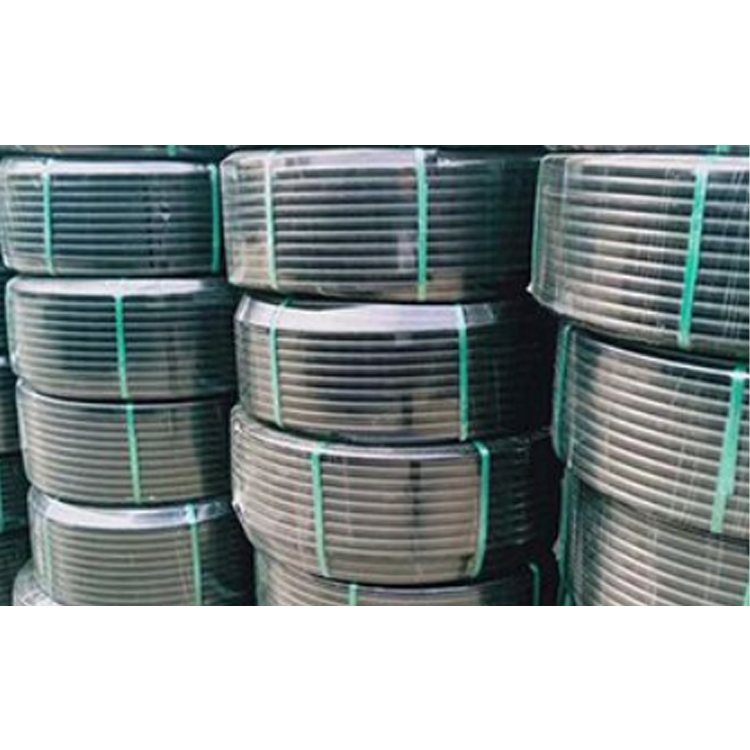 Polyethylene (PE) Conduit
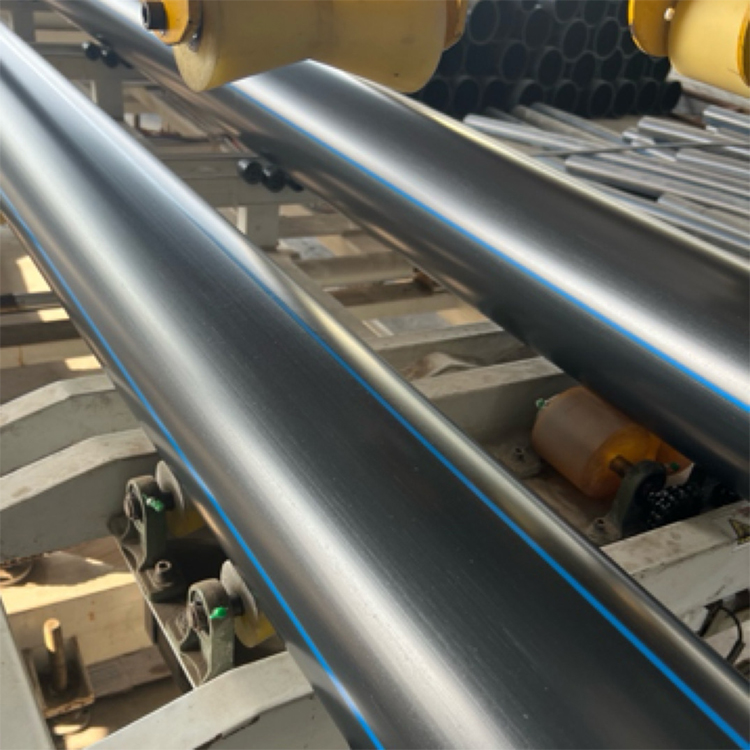 PE agricultural irrigation pipe
 PE Fittings
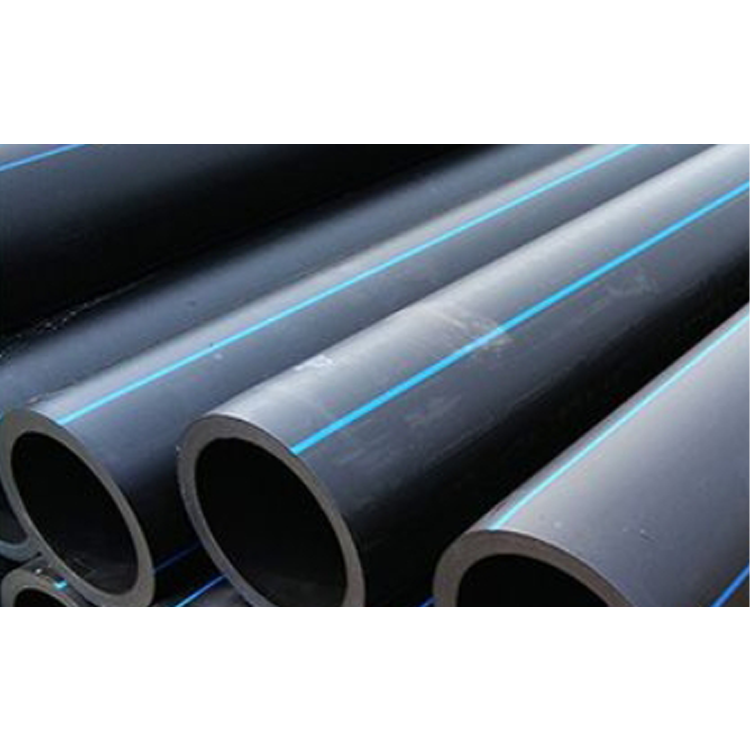 PE irrigation pipe
Siphon drainage pipe principle:
A simple device that uses liquid gravity and atmospheric pressure to overcome a higher obstacle and reach a lower destination. First, place the short wall of the siphon tube filled with liquid into the storage tank. Then, open the valve 3 at the outlet of the long arm, causing the liquid to flow out of the tube due to gravity, creating a vacuum at the top of the tube. Simultaneously, the liquid in the storage tank is forced into the short arm due to atmospheric pressure. This causes the liquid to flow continuously and automatically until the liquid level in the tank drops to the siphon tube's inlet. Filling the siphon tube with liquid is primarily done manually, but a vacuum pump can also be used. Close valves 3 and 5 first, allowing the liquid to be drawn up through valve 4 until both arms are filled. Once the liquid rises to the observation cover, close valve 4 and open valve 3, and the siphon will begin to function, allowing the liquid to pour out. To stop the transfer, open valve 5 to allow the siphon tube to communicate with the atmosphere, thereby ceasing the siphon action.
Application:
Siphon tubes include; siphon hoses, spherical bladders. Their features are: after cutting the siphon hose in half, connect one end of the spherical bladder to one segment of the siphon hose, and the other end of the spherical bladder to the other segment of the siphon hose, positioning the spherical bladder in the middle of the entire siphon tube. To siphon, insert one end of the siphon tube into the liquid, bend the other end of the hose outside the liquid into a dead bend to form a seal, then squeeze the bladder to expel air from the hose through the liquid end. Release the bladder, and the air pressure naturally pushes the liquid into the hose, creating the siphon effect. This method is not only more convenient than using the mouth to blow and suck but also avoids the risk of mouth contact with the hose, offering greater protection for ourselves.
Siphon effect:
Siphon action is caused by the gravitational attraction between liquid molecules and the difference in potential energy, which utilizes the pressure difference of a water column to lift water up and then flow back down. Due to different atmospheric pressures at the water surfaces of the tube openings, water flows from the side with higher pressure to the side with lower pressure until both sides have equal atmospheric pressure, and the water levels inside the container become the same height, at which point the flow stops. By utilizing the siphon phenomenon, water inside the container can be quickly drained out.
The siphon is an ancient human invention; as early as the 1st century BC, people had already created a peculiar siphon.
In fact, the siphon effect is not solely due to atmospheric pressure; it can also occur in a vacuum. The force that causes the liquid to rise is the cohesive force between the liquid molecules. During the siphon effect, since more liquid flows out of the tube than into it, the gravitational imbalance on either side causes the liquid to continue flowing in one direction. As the liquid enters the tube, the pressure decreases with height. If the tube through which the liquid rises is very tall, the pressure drops to the point where bubbles (formed by air or other gas components) are created inside the tube. The height at which the siphon tube operates is determined by the formation of these bubbles, as they break the liquid flow, reducing the intermolecular forces between the gas molecules at the ends of the bubble to zero, thus disrupting the siphon effect. Therefore, the tube must be filled with water. Under normal atmospheric pressure, the siphon tube works better than in a vacuum, as the atmospheric pressure on both ends of the tube increases the internal pressure of the siphon tube.
