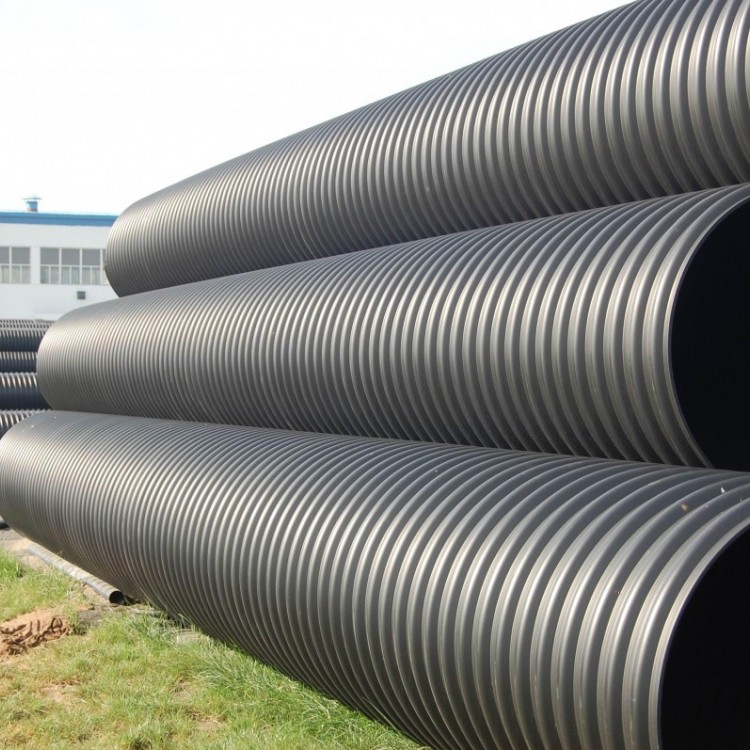
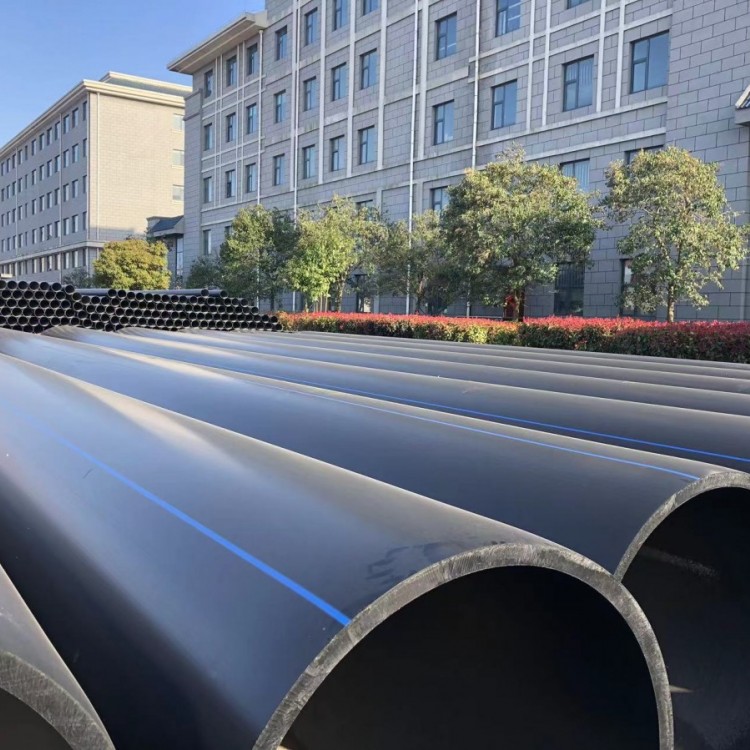
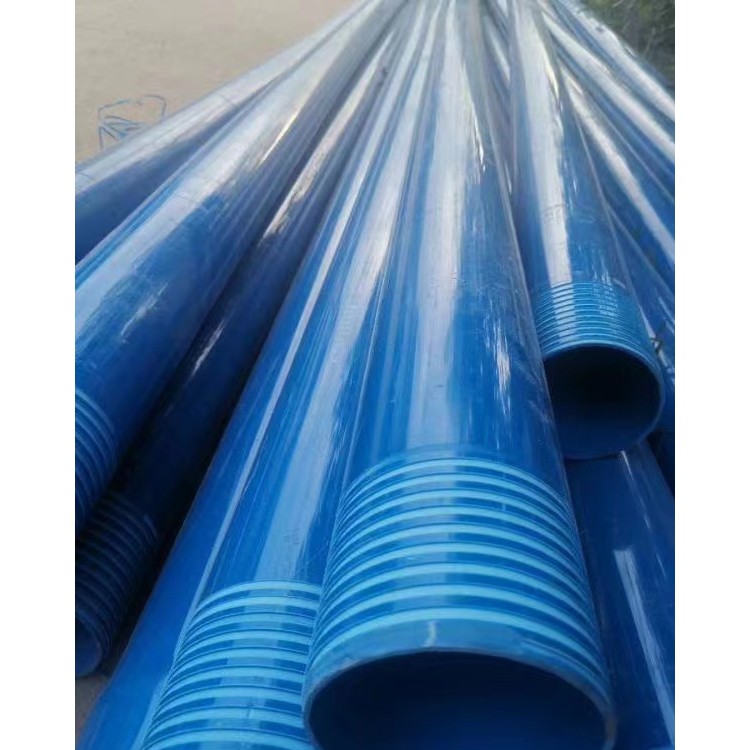
Polyethylene (PE) Water Supply Pipes, PE Agricultural Irrigation Pipes, PE Drainage Pipes, HDPE Double-Wall Corrugated Pipes, PE Spiral Corrugated Steel-Reinforced Pipes
18954955533
Raw Materials:
● Material Quality Variations: The primary raw material for PE pipes is polyethylene. High-quality polyethylene is extracted from crude oil, offering good performance and high purity, resulting in reliable PE pipes with a higher price point. However, some manufacturers may use recycled materials or substandard raw materials, which are cheaper but may not meet standards in terms of performance and hygiene, making the pipes more affordable. For instance, PE pipes produced with recycled materials may significantly compromise their corrosion resistance and pressure-bearing capacity.
● Raw Material Price Fluctuations: The price of polyethylene is significantly affected by oil prices. When oil prices rise, the cost of polyethylene raw materials increases, leading to higher production costs and prices for PE pipes; conversely, when oil prices fall, the prices of PE pipes also tend to decrease.
2. Production Process:
Investment in Equipment and Technology: Advanced production equipment and technology ensure the quality and efficiency of PE pipe production. However, purchasing, maintaining, and developing technology require substantial financial investment. Large,正规 manufacturers typically use advanced production equipment and technology, resulting in PE pipes with stable quality and excellent performance, though at a higher price. Smaller manufacturers, possibly due to financial constraints, may utilize older equipment and technology, leading to lower production efficiency and less guaranteed product quality, thus offering lower prices.
● Production Process Control: Strict control over the production process ensures that the performance indicators of PE pipes meet standard requirements. For instance, during the extrusion molding process, the control of parameters such as temperature, pressure, and speed guarantees uniform wall thickness and high dimensional accuracy of the pipes. Regular manufacturers will closely monitor and inspect the production process, whereas some unregulated factories may lack effective control during production, leading to inconsistent product quality and varying prices.
3. Product Quality and Performance:
Quality Standards Discrepancies: PE pipes that meet national standards have strict requirements in various performance indicators, such as pressure resistance, corrosion resistance, and aging resistance. Genuine manufacturers produce according to the standards and conduct rigorous quality inspections to ensure the product quality meets the required standards. However, some small manufacturers may produce PE pipes that fail to meet national quality standards to cut costs, but their prices might be lower to attract price-sensitive customers who are not as concerned about quality.
● Performance Variations: PE pipes vary in performance requirements depending on their intended use. For instance, water supply pipes need to have good hygiene and pressure resistance, while gas pipes require excellent airtightness and corrosion resistance. Some manufacturers produce PE pipes with specific performance features tailored to different applications and customer needs, with prices increasing accordingly as performance improves.
4. Brand and Market Positioning:
Brand Effect: Renowned PE pipe manufacturers with well-known brands generally enjoy high market recognition and good reputations, ensuring better product quality and after-sales service. Consumers have a high level of trust in these brands, willing to pay premium prices for their products. In contrast, smaller or lesser-known brands may resort to low-price strategies to compete in the market, resulting in relatively lower prices.
● Market Positioning: Different manufacturers have varying market positioning. Some focus on the high-end market, producing high-quality, high-performance PE pipes at a higher price point. Others concentrate on the mid-to-low end market, attracting customers with their price advantage, offering products at relatively lower prices.
5. Transportation and After-Sales Service:
● Transportation Costs: The cost of transporting P.E. pipes is also one of the factors affecting the price. If the manufacturer is far from the procurement location, higher transportation fees will increase the product's price accordingly. Some large manufacturers may have a well-developed logistics distribution system to reduce transportation costs, but for some small manufacturers, transportation costs may account for a significant portion.
● After-Sales Service: Providing after-sales service requires manufacturers to invest in human resources, materials, and financial resources. Genuine manufacturers offer comprehensive after-sales support, including product quality guarantees, installation guidance, and technical consultation. These service costs are reflected in the product pricing. However, some smaller manufacturers may allocate less to after-sales service, resulting in lower prices but higher risks after purchase.
Contact us

Service Hotline
18954955533
Company Telephone
18954955533

Address
Jinan Linyi Economic and Technological Development Zone Industrial Park, Shandong Province
b2b.china9.net © Zhongshang 114 Hebei Network Technology Co., Ltd.Address: Room 6009, Oriental New World Center, No.118 East Zhongshan Road, Qiaoxi District, Shijiazhuang City, Hebei ProvincePlatform Service Hotline: 4006299930