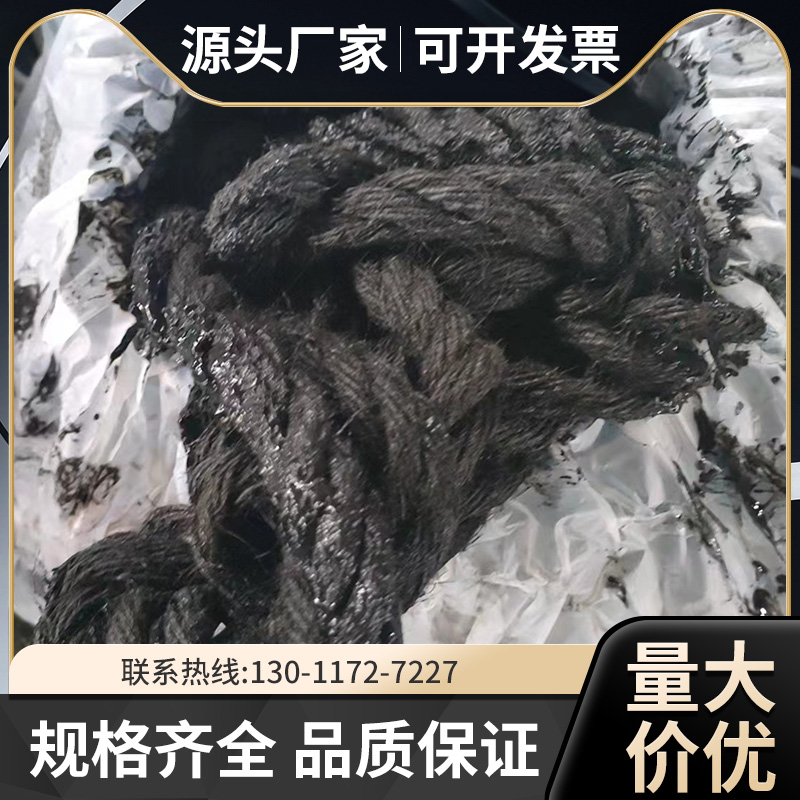



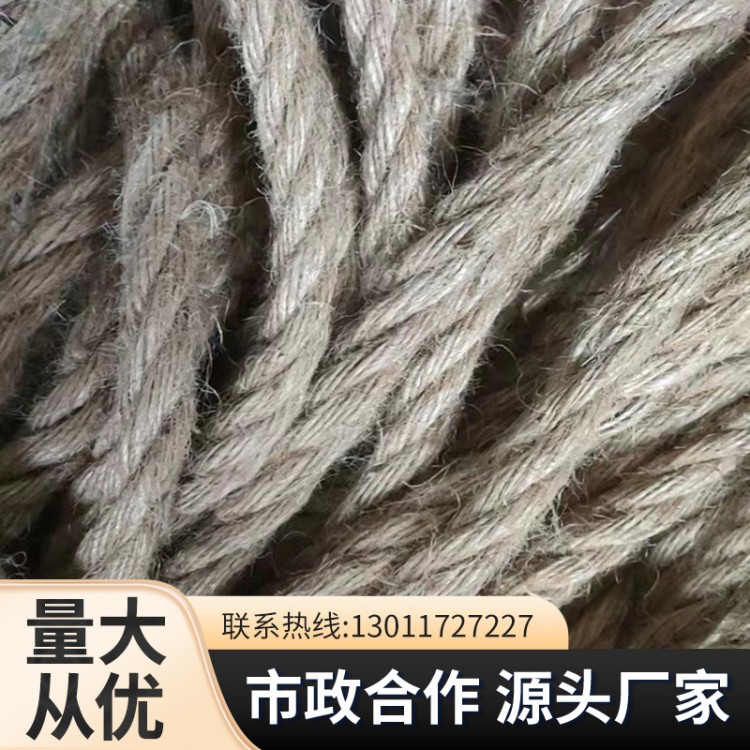
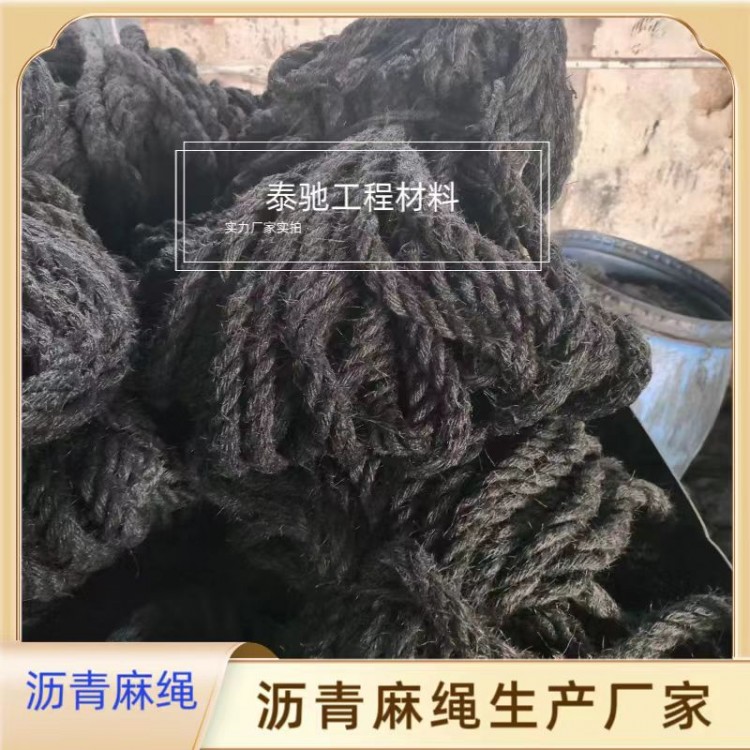
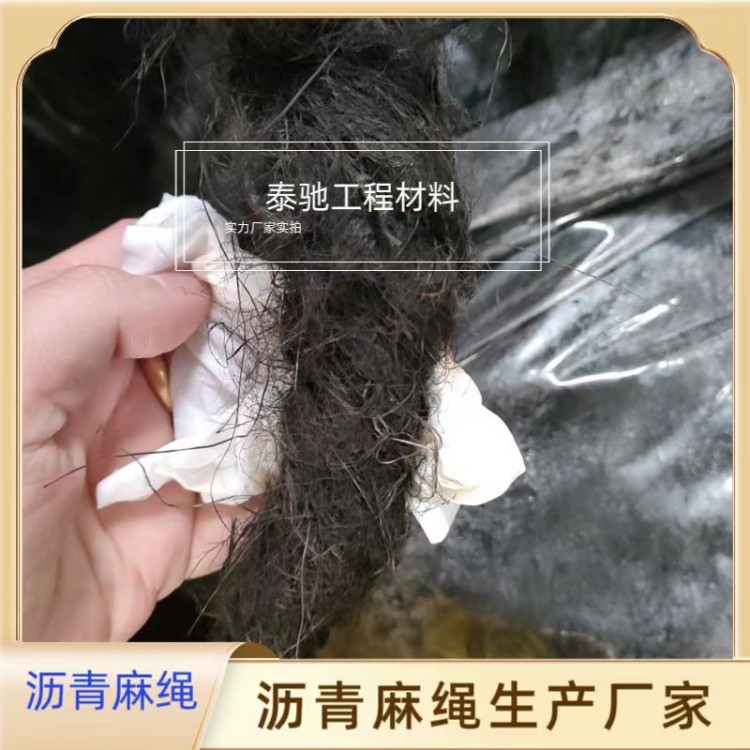



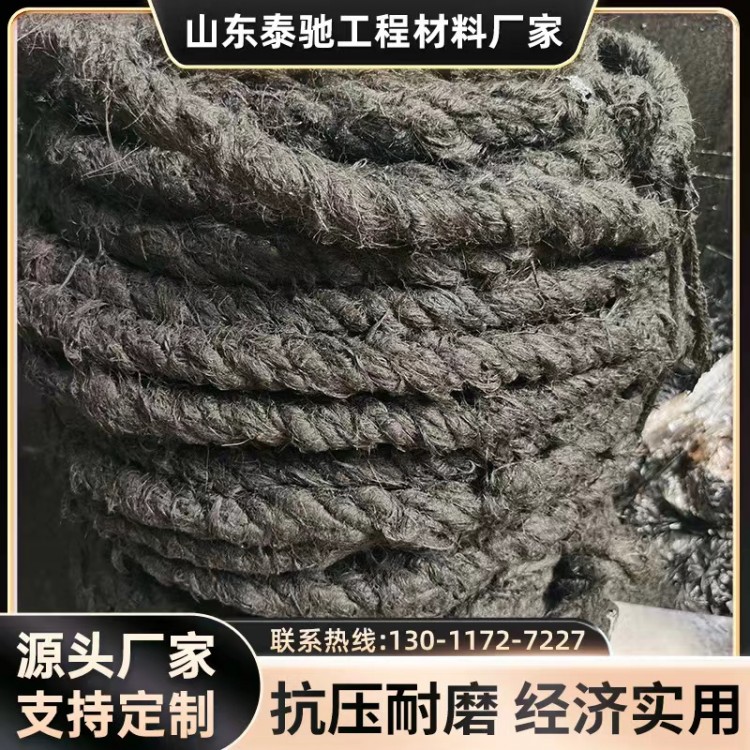
 Rope made of asphalt hemp
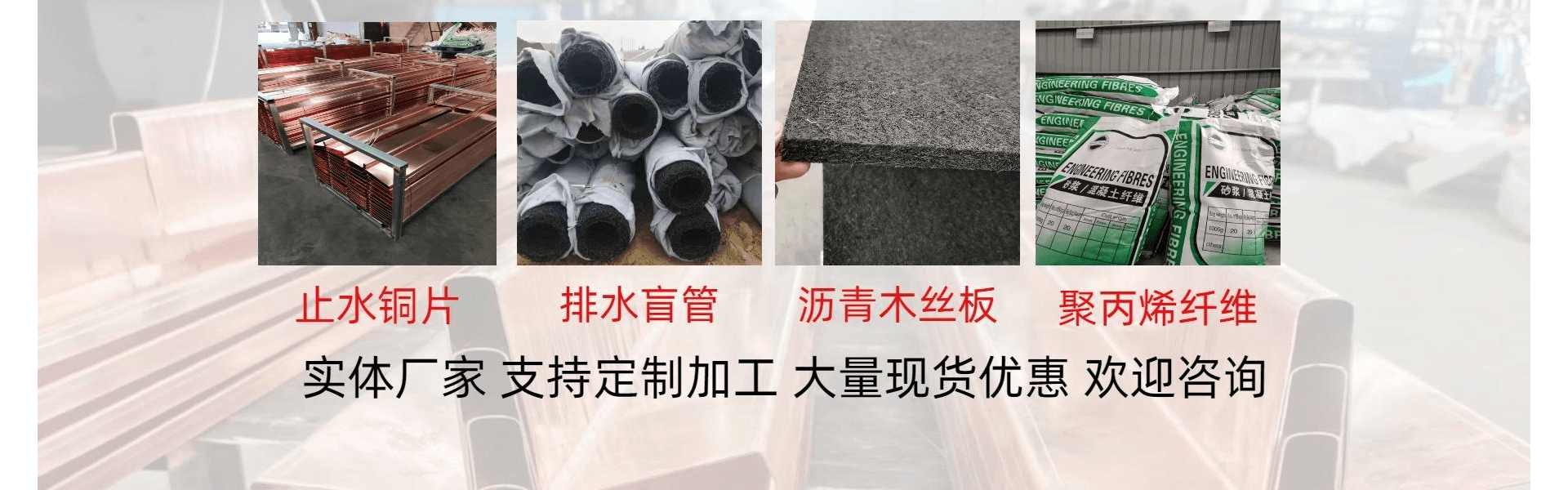
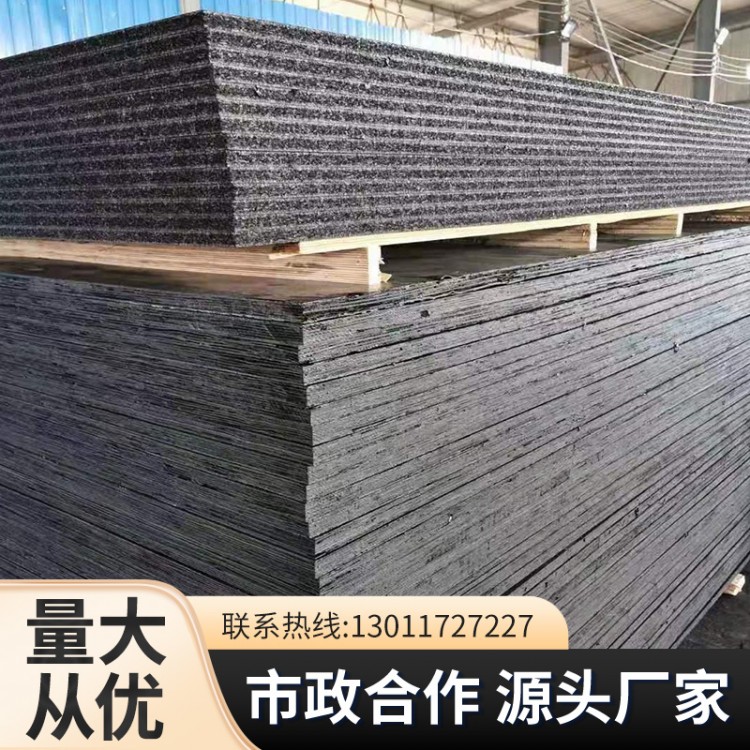 Asphalt fiberboard
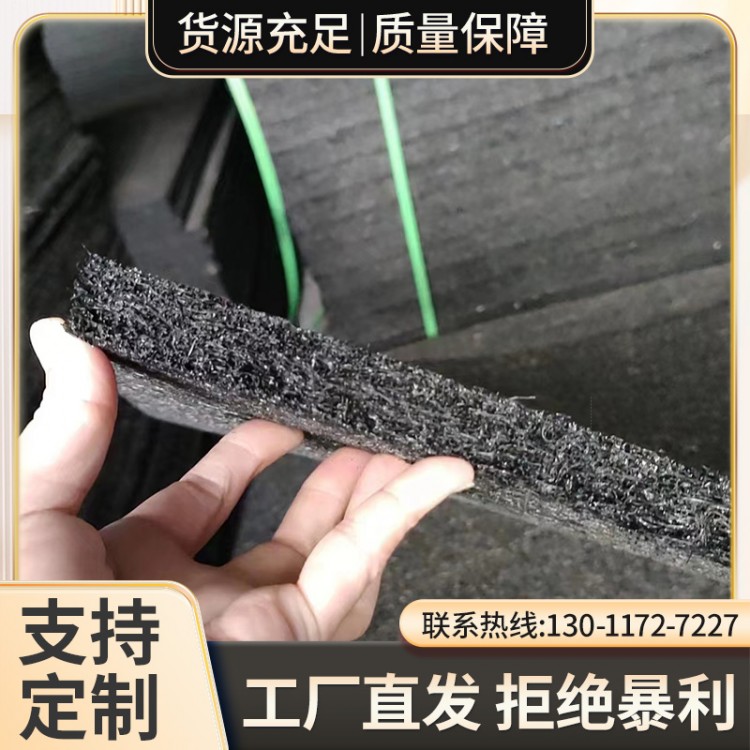 Asphalt wood chip board
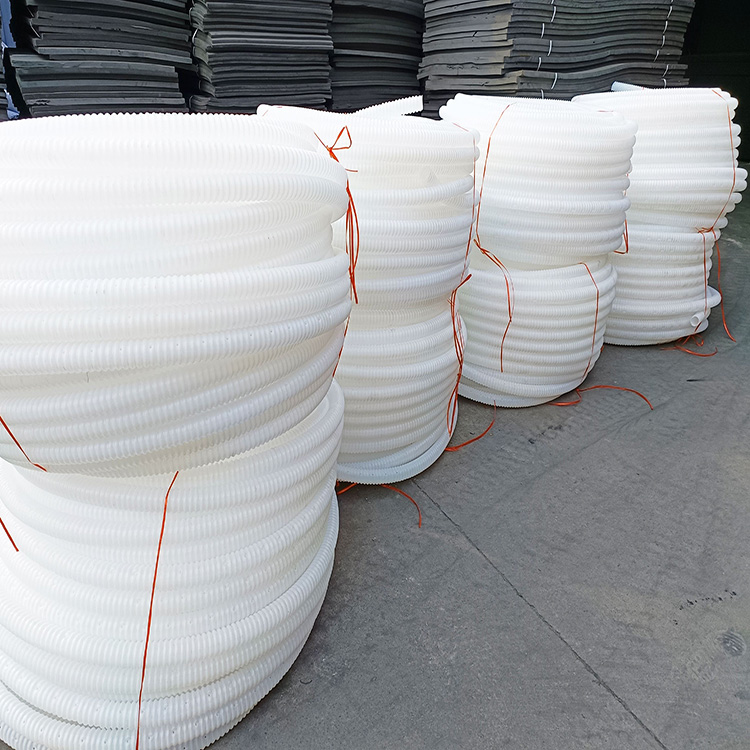
 Hose
Hose
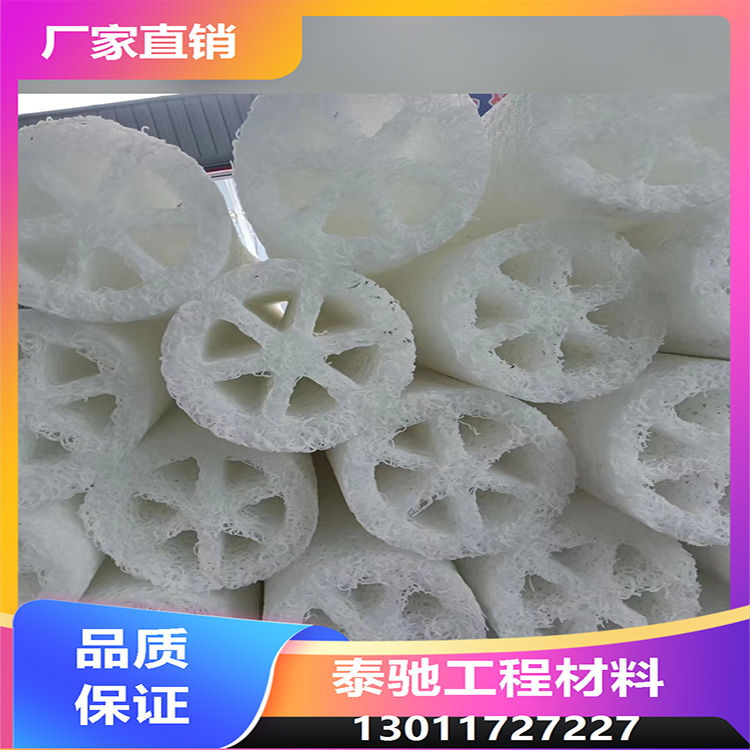
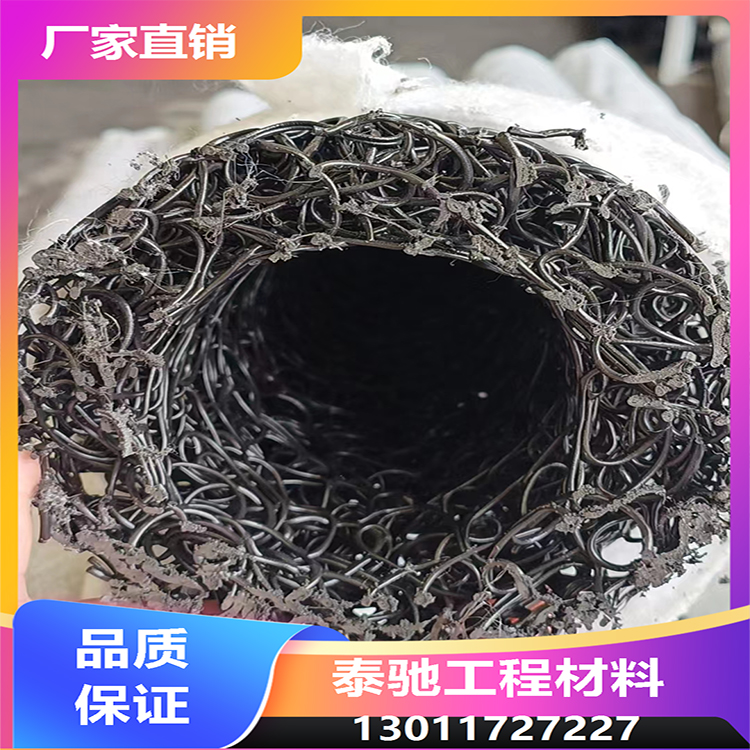 Blind Tube
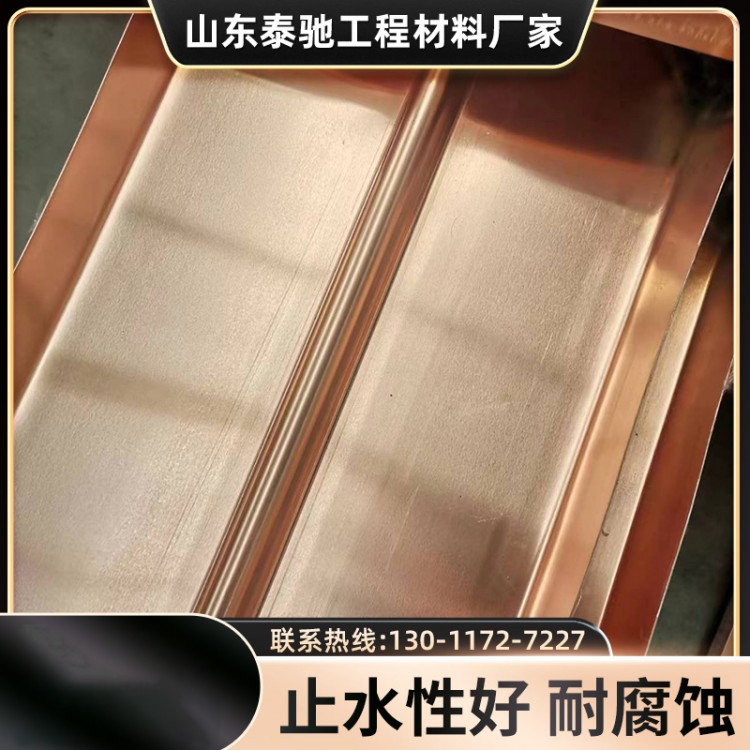 Copper waterstop sheet
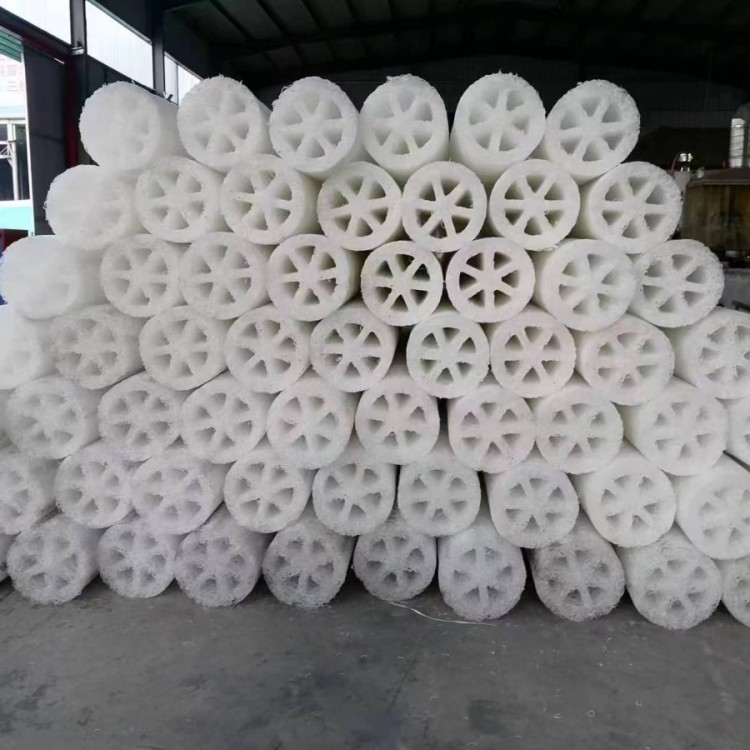 Blind Tube
Bitumen sisal rope, construction characteristics and functions of sisal fibers
Bitumen hemp rope, also known as bitumen hemp cord, is a convenient and quick material for filling and waterproofing, widely favored for its simplicity in application and affordability. Made from jute that has been soaked in bitumen for a long time, it offers superior anti-corrosion properties and is commonly used for filling construction joints and concrete joints.
Rope fiber, asphalt fiber, asphalt rope, and asphalt fiber wadding are used to create materials with waterproof properties known as oil-soaked rope fiber. They serve as filling, waterproofing, and corrosion-resistant agents in expansion joints. These asphalt rope fiber, asphalt rope, and asphalt fiber wadding are obtained by heating asphalt to dissolve it, then mixing it with rope fiber to create a uniform blend, used as filling materials for road joints and expansion joints.
Production Process
Soak sisal rope and sisal fibers in an emulsified asphalt pond for 24 hours, then add antioxidant foaming agents, preservatives, and other materials to act as filling, waterproofing, and anti-corrosion in expansion joints and settlement joints. The general process for asphalt sisal fibers, asphalt sisal strips, and asphalt sisal wadding is: clean and dry the deformation joints, fill with oil sisal fibers, pour emulsified asphalt, and then remove excess asphalt after curing and cooling.
Cautionary Notes
Prior to asphalt fiberfill installation, ensure all debris and standing water within the expansion joints are thoroughly cleared, followed by filling the joints with asphalt fiberfill.