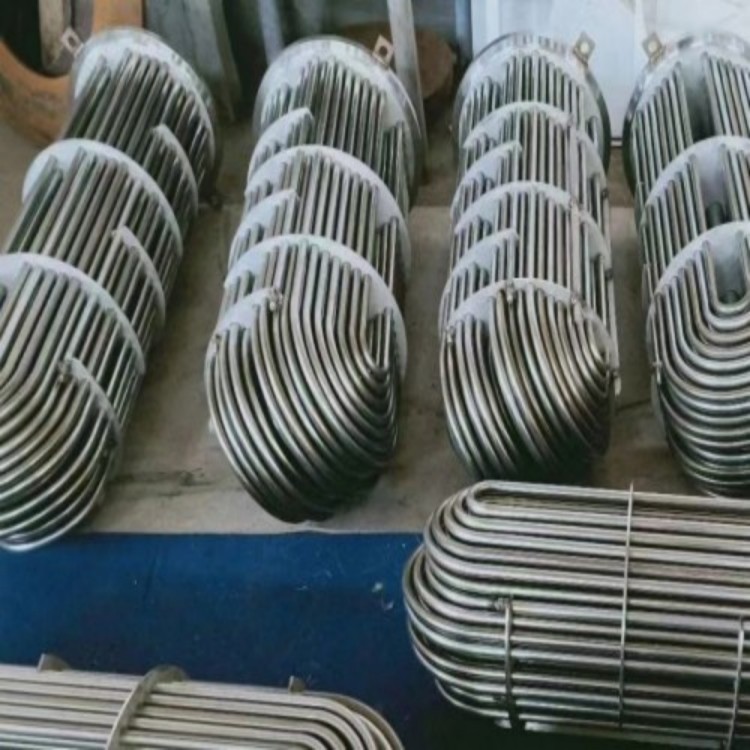
Stainless Steel Equipment: Reactors, Heat Exchangers, Ver...

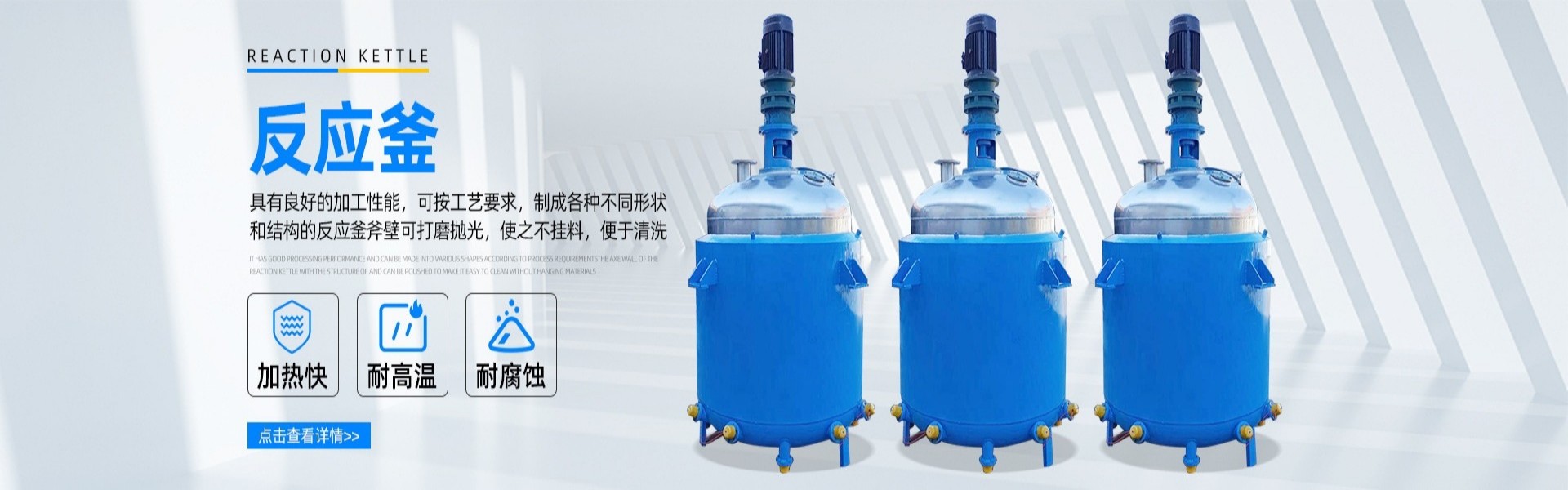
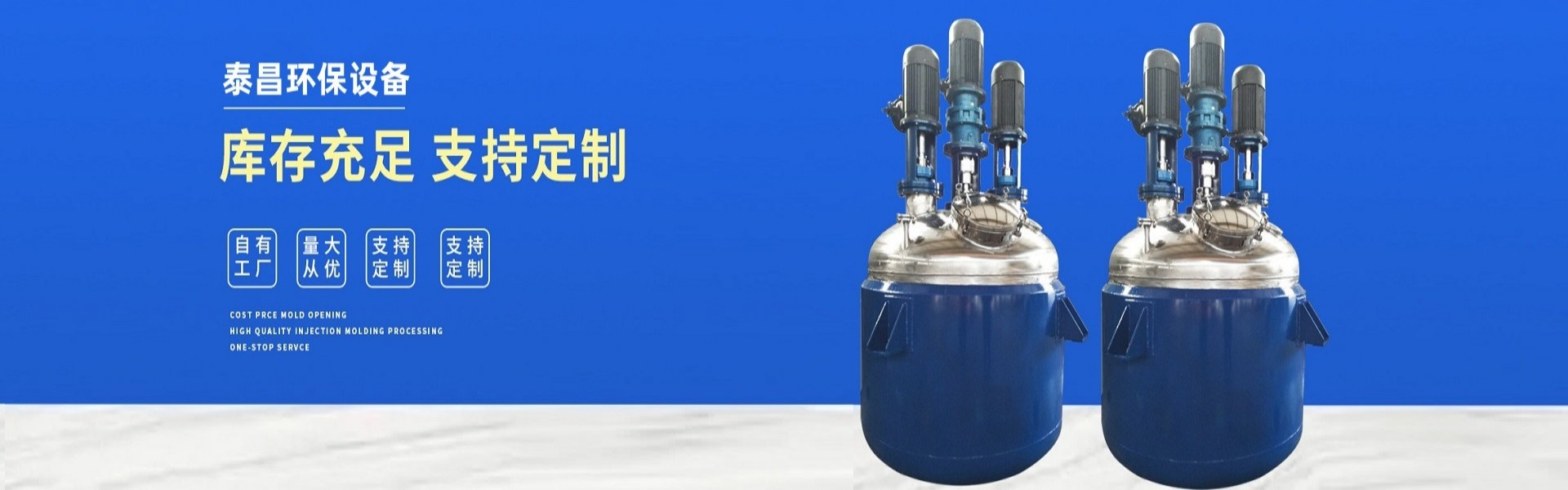
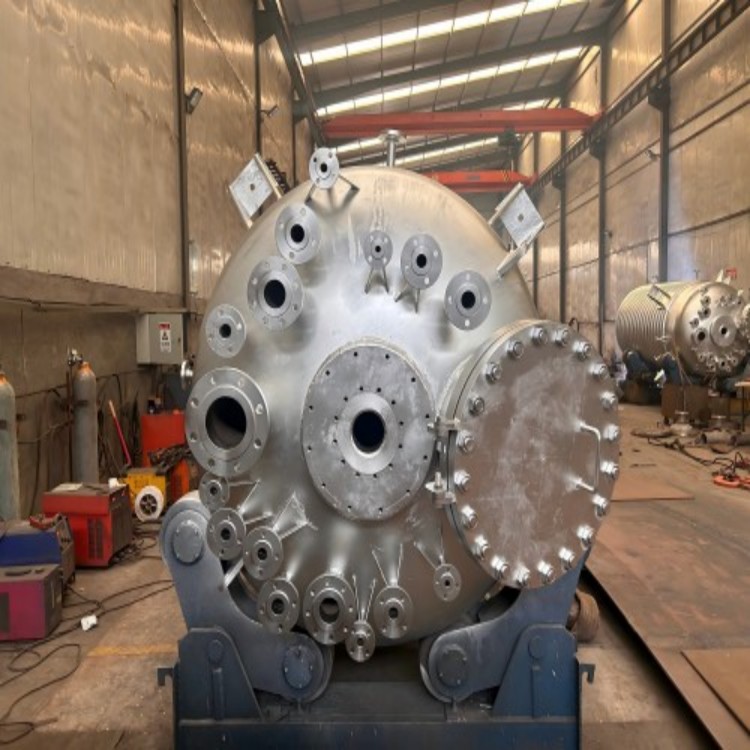
When using a stainless steel reaction kettle, it is essential to close the valve for the cold medium inlet, drain the remaining cold medium from inside the kettle and the jacket, then input the material, start the stirrer, and subsequently open the steam valve and electrical heating power source. After reaching the required temperature, the steam valve and electrical heating power source should be closed first, followed by turning off the stirrer after 2 to 3 minutes. After the processing is complete, drain the remaining condensate from the kettle and jacket, and promptly rinse with warm water to remove sticky material. Then, clean the interior of the container with 40°C to 50°C alkaline water and rinse with clean water. Special attention must be paid to not opening the steam valve and electrical heating power source when the kettle is empty (without the heat-absorbing medium). Pay particular attention to the steam pressure and ensure it does not exceed the rated working pressure. Regular maintenance of the stainless steel reaction kettle involves monitoring the entire unit and the reducer's operation. If the reducer lubricating oil is insufficient, it should be replenished immediately. The electric heating medium oil should be replaced every six months. Safety valves, pressure gauges, distillation holes, electric heating rods, electrical instruments, and other components on the jacket and kettle lid should be inspected regularly. If any issues arise, they should be replaced or repaired promptly. When the equipment is not in use, it should be cleaned with warm water on the inside and outside of the container. Regularly wipe the kettle body to keep the exterior clean and the interior bright, achieving durability. The reaction kettle is an indispensable anti-corrosion equipment in the chemical industry. During use, mechanical impacts, rapid temperature changes, and other factors often cause enamel chipping, cracking, bubbles, pores, and other surface damage, which are strictly prohibited in enamel equipment. If such phenomena occur, they must be repaired. The on-site repair agent for high polymer composite materials is a two-component composite material based on high polymer polymers, alloy steel powder, or wear-resistant ceramic powder, mixed with a curing agent. Compared to ordinary resin-type repair agents, high polymer composite materials rely on their own denser high polymer structure, which provides stronger bonding strength and excellent corrosion and anti-corrosion properties. High polymers can even penetrate into the metal, forming a tighter high polymer composite material protective layer. The repair process is as follows: surface cleaning → rust removal → alcohol cleaning → apply base layer repair agent → apply top layer repair agent → curing → use.


b2b.china9.net © Zhongshang 114 Hebei Network Technology Co., Ltd.Address: Room 6009, Oriental New World Center, No.118 East Zhongshan Road, Qiaoxi District, Shijiazhuang City, Hebei ProvincePlatform Service Hotline: 4006299930