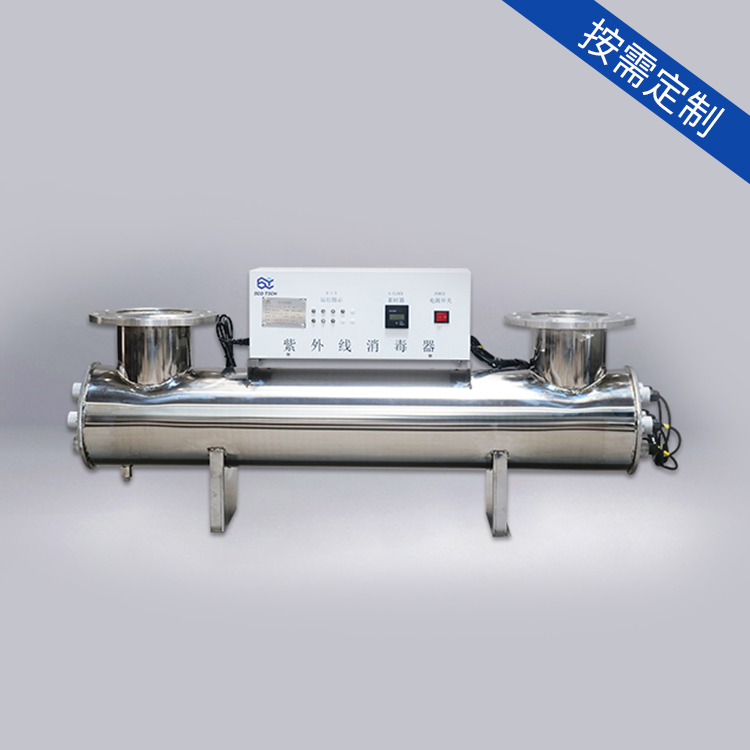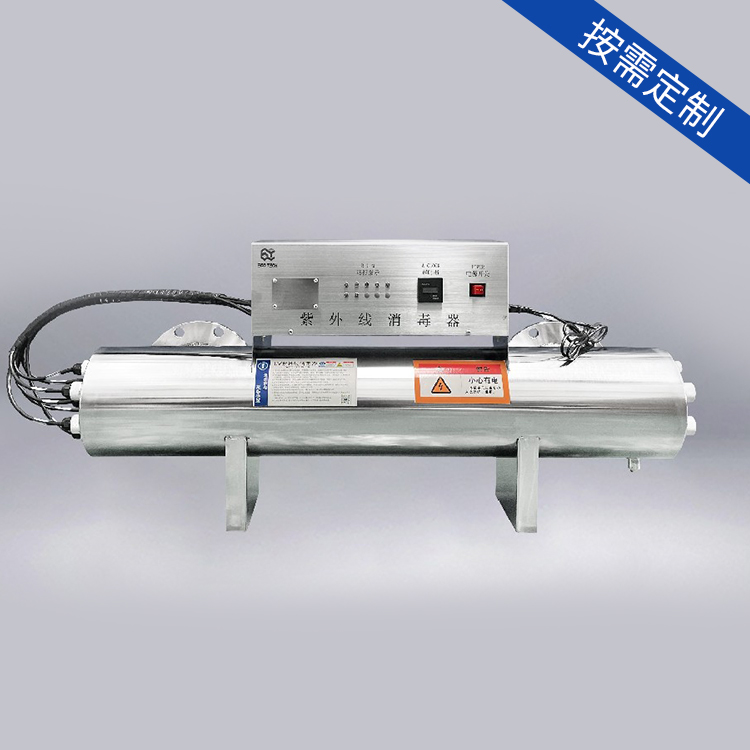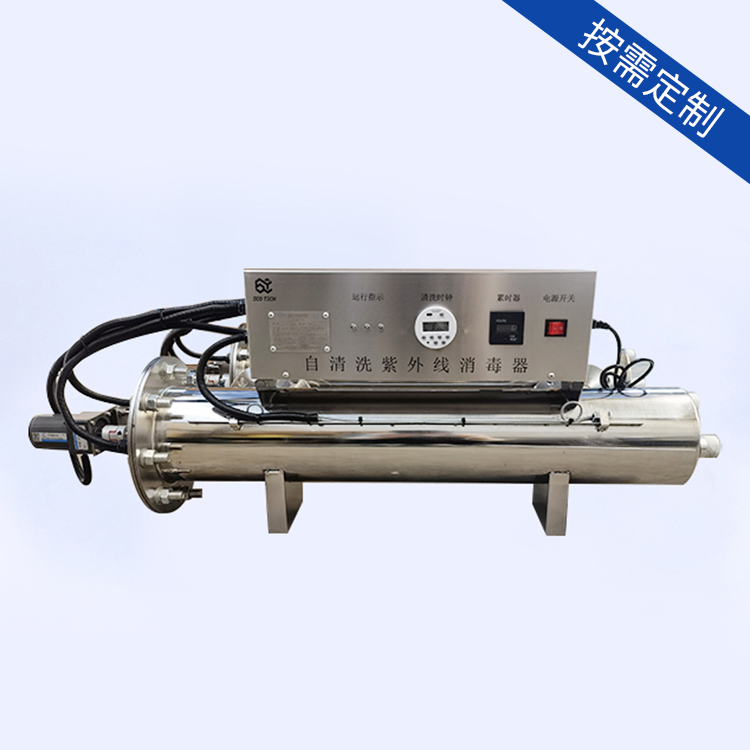
Ultraviolet Disinfection Units, Tank Self-Cleaning Disinf...

After years of development, ultraviolet disinfection systems have been widely used in drinking water, food, beverages, electronic products, chemicals, wastewater treatment, and other fields. Utilizing high-intensity, odorless UV sterilization lamps, and the special stainless steel inner walls that simplify the process, the pre-treated water is exposed to ample UV radiation during passage. The irradiation offers excellent sterilization benefits. Moreover, it boasts the advantages of simplicity, convenience, broad-spectrum effectiveness, no secondary pollution, ease of management, and automation.
Many users have reported that the efficiency of the UV sterilizers is too low. This is actually related to many factors. Let's take a look at what we can do about it.
Addressing the issue of photoreactivation.
To achieve concealed outflow, the channel is designed to minimize or prevent the visibility of treated water before it enters the pipeline. Additionally, dark containers containing test water samples are used, and they are promptly sent for inspection to avoid factors such as storage conditions or testing time affecting the results.
Enhance Transparency:
We have adjusted the front-end processing technology to reduce the SS quality concentration of water in the ultraviolet disinfection unit. We have also shifted from ultraviolet disinfection to ozonation for decolorization, which in turn lowered the incoming water's colorimetric value to ensure SS levels remain below 10 mg/L. We've refined the front-end technology to strictly control the usage of PAM and other chemicals, and installed defoaming devices at the inlet of the external disinfection unit to decrease foam content in the water and enhance its light transmission rate.
High UV dose
By extending the contact time or increasing the number of UV tubes within the system to boost the UV dose. Generally, the volume of a reactor is difficult to alter; however, the intensity of UV can be increased by adding more UV lamps or by increasing the power of the UV lamps.
4. Miscellaneous:
Arc treatment of the inner edge of the rectangular reactor optimizes its hydraulic conditions and reduces short-circuiting phenomena. Currently, UV sterilizers have evolved into a mature and reliable disinfection technology, widely used in various fields both domestically and internationally, serving as an alternative to traditional chemicals. As a mainstream sterilization technique, wastewater treated with UV sterilization can effectively be recycled for reuse, suitable for irrigation in farmlands, forests, and lawns, thereby avoiding the consumption of chemical substances. To mitigate plant damage caused by toxins, groundwater replenishment can prevent microorganisms from adapting to chemical disinfectants and re-spreading, causing soil blockage.


b2b.china9.net © Zhongshang 114 Hebei Network Technology Co., Ltd.Address: Room 6009, Oriental New World Center, No.118 East Zhongshan Road, Qiaoxi District, Shijiazhuang City, Hebei ProvincePlatform Service Hotline: 4006299930