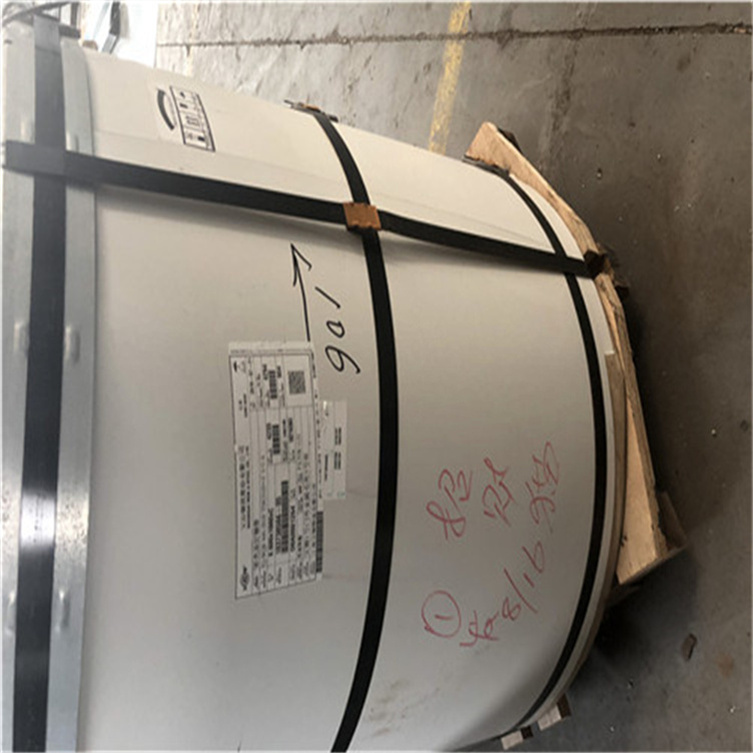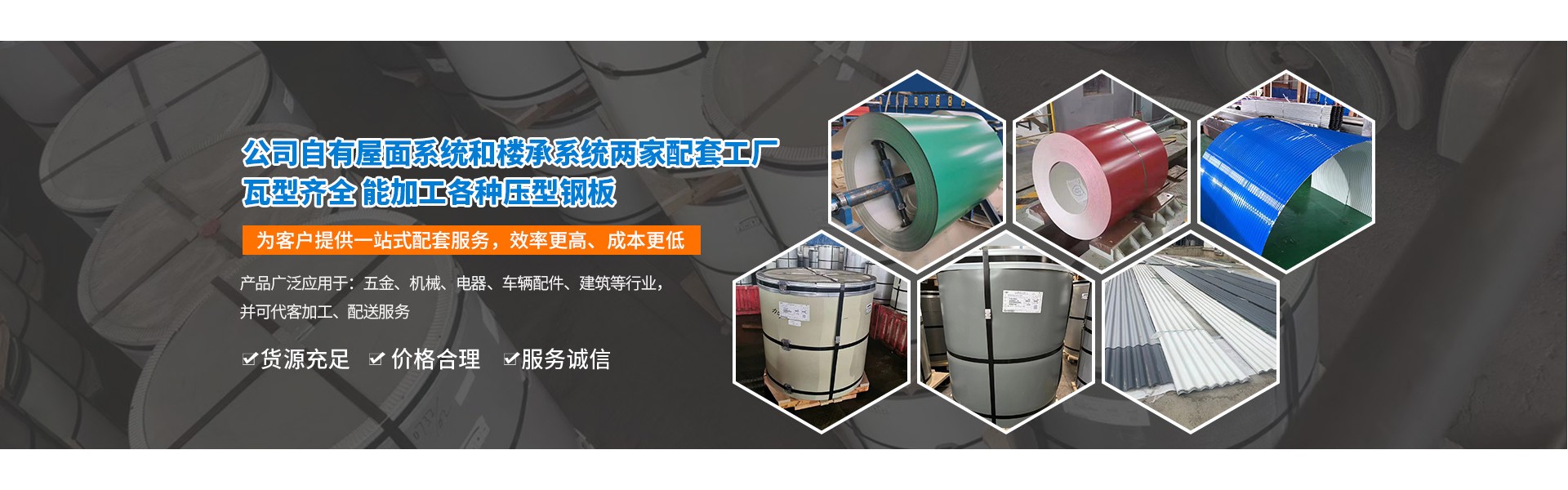

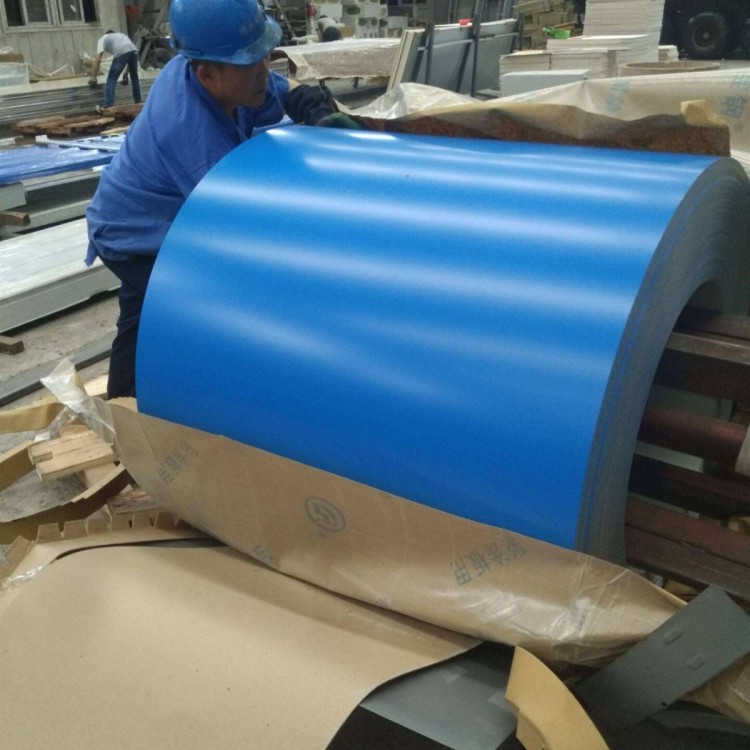
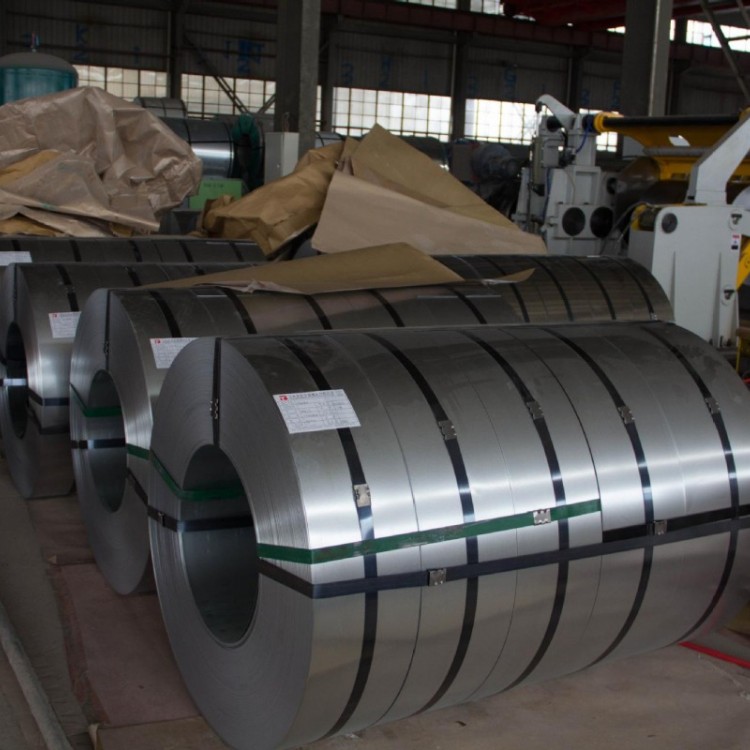
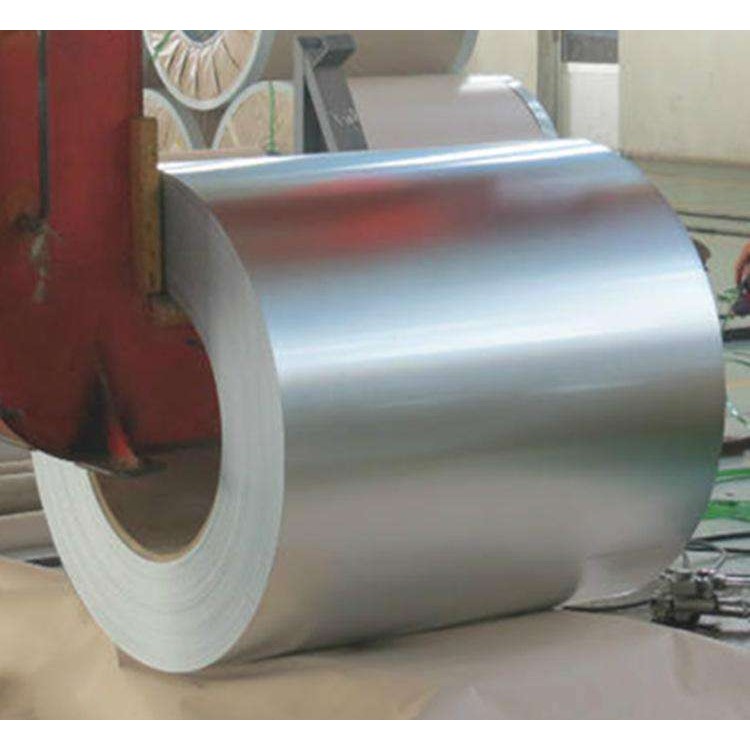
Color-coated board is a board or sheet material used for painting and graffiti, typically made of wood, plastic, or metal. It features a smooth surface that can be drawn on with colored pencils, oil paints, watercolors, or markers to create patterns and images. Commonly used in children's art, education, and entertainment activities, it is also suitable for artists' creative work and copying practice. It is easy to wipe clean and reusable, allowing for multiple creations and modifications. Color-coated board is widely used in schools, kindergartens, art studios, and homes.
Corrosion prevention mechanism of organic coated steel plate
The protective role of organic coatings on metals includes acting as a barrier to isolate the protected metal from environmental aggressors such as water, oxygen, carbon dioxide, and ions, preventing them from reaching the coating/substrate interface and corroding the metal. This is a fundamental function shared by all coatings. For anti-corrosion coatings, they should also interrupt the corrosion current. Additionally, organic coatings can serve as reservoirs for corrosion inhibitors, which are dispersed or dissolved within the coating and slowly released to inhibit corrosion over a long period at the coating/substrate interface.
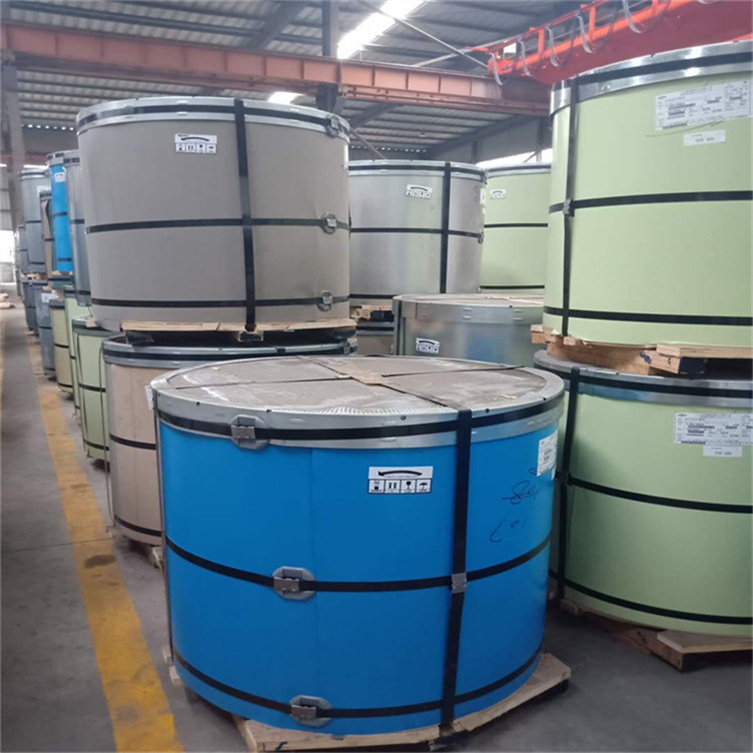
When selecting primers, two key factors are crucial: first, the adhesion between the primer, topcoat, and substrate, and second, the primer's contribution to the majority of the coating's corrosion resistance. From this perspective, epoxy resins are the top choice. If flexibility and UV resistance are considered, polyurethane primers can also be an option.
For the backside coating, the correct choice is to use a two-layer structure if the color coated steel plate is used as a single sheet, consisting of one layer of backside primer and one layer of backside finish paint. The primer should be the same type as the front, and the finish paint should be a single layer of light color polyester (such as white). If the color coated steel plate is used as a composite or sandwich panel, a layer of adhesive and corrosion-resistant epoxy resin is sufficient for the backside coating.
Currently, there are still many functional color-coated steel sheets, such as antibacterial, antistatic, heat-insulating, and self-cleaning coatings. The development of these products is aimed at meeting user needs, but sometimes it cannot balance other performance aspects of the color-coated products. Therefore, when selecting functional color-coated steel sheets, users must clearly define their true requirements.
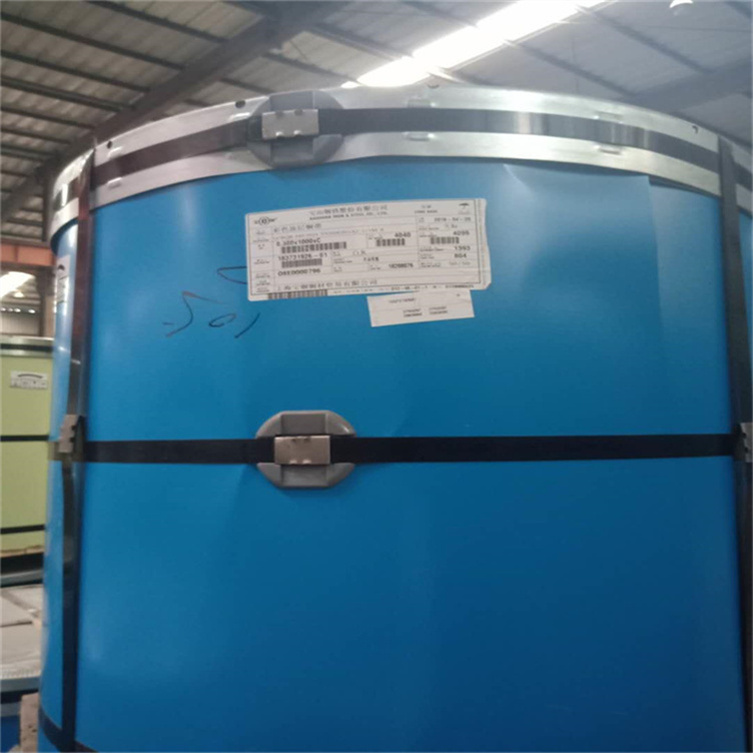
PVC Plastic Solvent (PVC Plastisol)
PVC resin boasts excellent water and chemical resistance, typically applied with high solid content, with a coating thickness ranging from 100 to 300 μm. It can provide a smooth PVC coating or embossed coating with a light pressure pattern. As a thermoplastic resin, the PVC coating offers good protection for steel plates due to its high film thickness. However, it has relatively poor heat resistance. It was widely used in Europe in the early days but is now used less frequently due to its relatively poor environmental properties.
PVDF
Due to the strong bond energy between the chemical bonds of PVDF, the coating exhibits excellent corrosion resistance and color retention. It is a product category in the construction industry's colored steel plate coatings. With its high molecular weight and straight-chain structure, it also boasts outstanding mechanical properties, resistance to UV radiation, and heat resistance, in addition to its chemical resistance. Under normal environmental conditions, its corrosion resistance can last for up to 20 to 25 years.
Polyurethane
A new type of topcoat developed in recent years boasts excellent comprehensive performance, at a high price, and is currently being promoted.
Acrylic Acid Resin
High performance, expensive, used only in specific fields (such as container use).