A comprehensive mid-to-large scale producer specializing ...

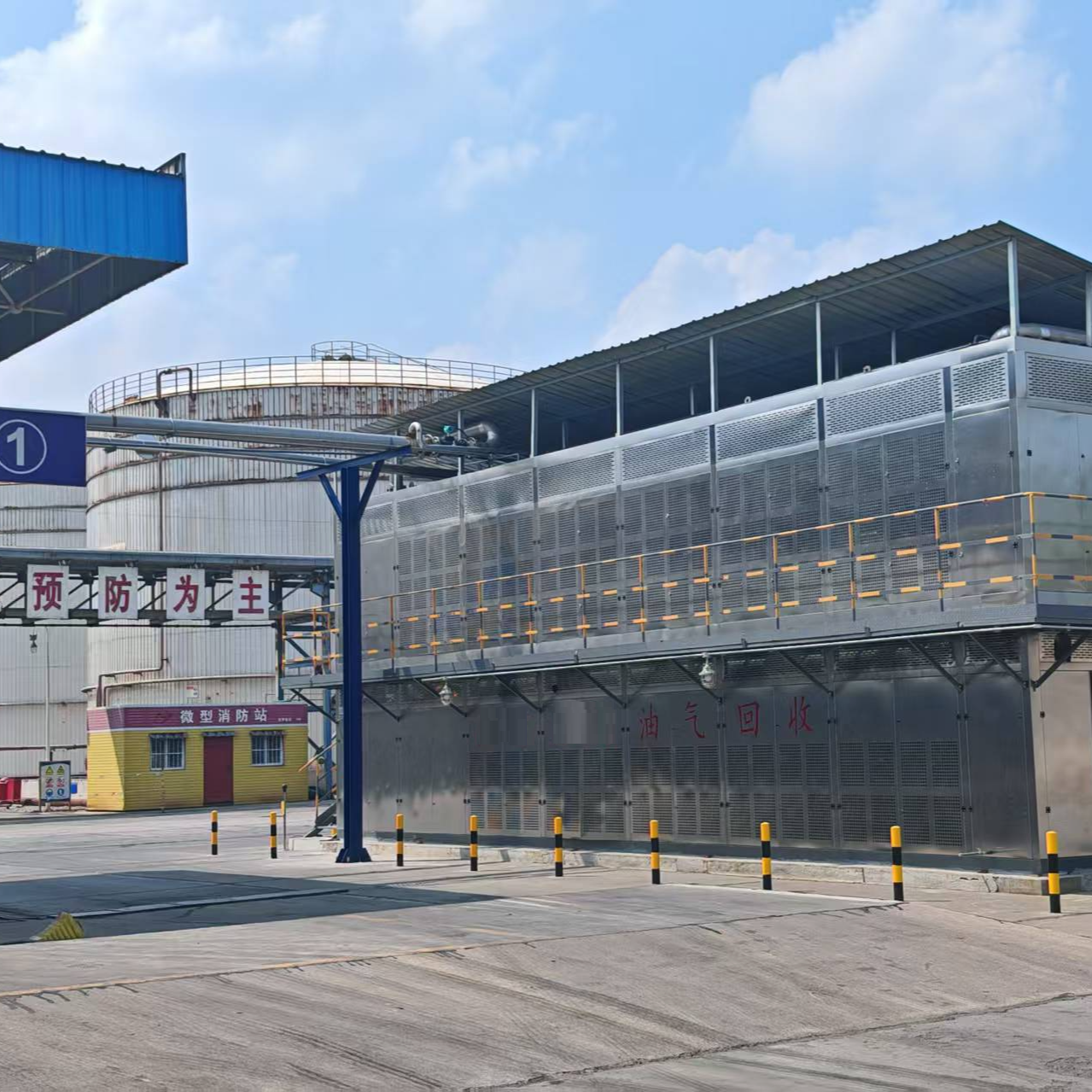
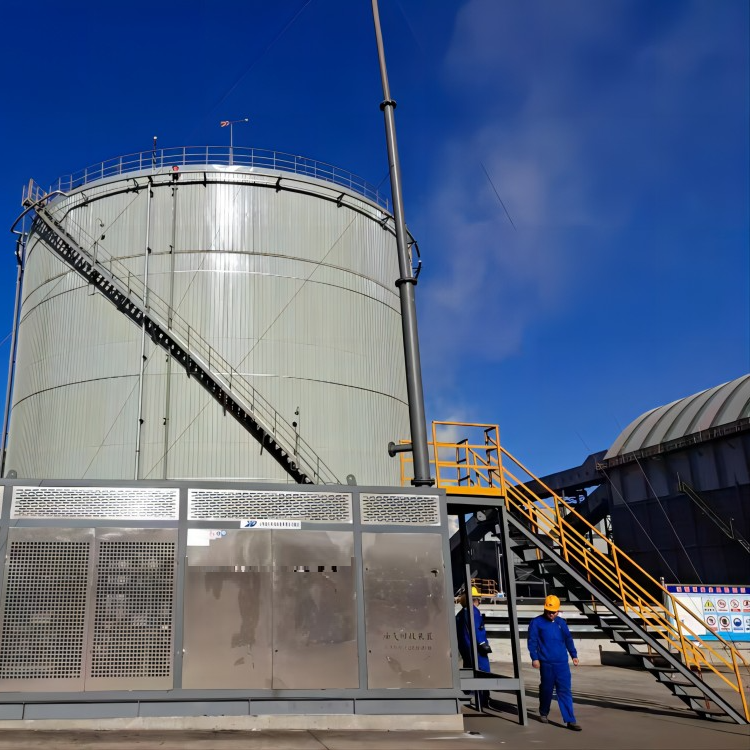
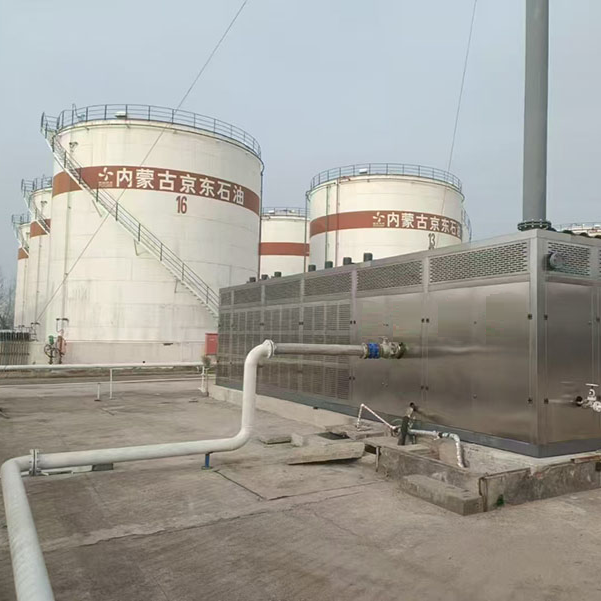
Petroleum is a volatile substance, and without proper recovery, the amount of volatile organic compounds (VOCs) emitted in each environmental occurrence is substantial. This volatile emissions lead to waste and environmental pollution, posing a double threat. Therefore, we must ensure effective VOC recovery at every stage where emissions occur, re-collecting these recovered VOCs. There are various methods for VOC recovery, including absorption, adsorption, and condensation, each with its own advantages. Current VOC recovery systems typically employ a combination of these methods. For example, systems using the principle of condensation combined with pressure swing adsorption have the following characteristics. Condensation utilizes refrigeration technology to transfer the heat of the VOCs, achieving a direct conversion from the gaseous phase to the liquid phase. By leveraging the vapor pressure differences of hydrocarbon substances at different temperatures, cooling the VOCs can cause some hydrocarbon vapors to reach a supersaturated state, which then condenses into a liquid, enabling VOC recovery. Generally, a multi-stage continuous cooling method is used to lower the temperature of the VOCs, allowing them to condense into a liquid for recovery. The temperature of the condensation unit is determined based on the composition of the volatile gases, the required recovery rate, and the concentration limits of organic compounds in the exhaust gases released into the atmosphere. Typically, pre-cooling and mechanical refrigeration are used to achieve condensation. The pre-cooling stage is designed to reduce the operating energy consumption of the recovery unit by lowering the temperature of the incoming gas from the ambient temperature to around 5°C, causing most of the water vapor in the gas to condense into water and remove moisture. After pre-cooling, the VOCs enter the shallow cooling stage, where the gas temperature can be cooled to around -35°C, allowing 70-80% of the hydrocarbon components to liquefy. After leaving the shallow cooling stage, the VOCs enter the deep cooling stage, where they can be cooled to around -70°C, enabling the recovery of over 95% of the VOCs. The remaining gas after condensation at -70°C still contains a small amount of hydrocarbon components and does not meet the standard emission limits. To achieve compliance with emission standards using only condensation, the temperature would need to be reduced to around -110°C, which would only increase the recovery by 3-4% but would require an additional 30% of energy consumption, making it highly inefficient. Therefore, for the remaining gas after -70°C, the pressure swing adsorption process is used, introducing it to an activated carbon adsorption unit for adsorption. After enrichment and concentration, the gas is then condensed and recovered. When the adsorber becomes saturated, a vacuum pump is used to evacuate the adsorber, reducing the pressure inside and disrupting the adsorption equilibrium, allowing the VOCs adsorbed in the adsorber to be released. These are then sent through the vacuum pump to the condensation process for further condensation and recovery. In reality, VOCs emissions have two states: low flow rate and high concentration (flow rates below 2000 m³/h, concentrations above 500 g/m³), and high flow rate and low concentration (flow rates from 2000 to tens of thousands of m³/h, concentrations in the order of grams per cubic meter or lower). For the former emission state, a "condensation + adsorption" process is used, first condensing and recovering the VOCs. For the latter emission state, a "adsorption + condensation" process is used, first using an adsorbent to concentrate the hydrocarbon components, allowing a large volume of air to be emitted, and then desorbing the concentrated hydrocarbons to obtain enriched organic gas, which is then condensed and recovered. Since the storage and transportation of petroleum generally fall into the former emission state and treatment method, commonly referred to as VOC recovery, we will mainly introduce the "condensation + adsorption" process here, which uses pressure swing adsorption for adsorption, hence also known as the "condensation + pressure swing adsorption" process. As technology continues to evolve, the recovery efficiency of VOC recovery equipment is also improving. The above is an introduction to the condensation and adsorption process. VOC recovery refers to the collection of volatile gasoline vapors during the loading and unloading of gasoline and refueling vehicles, reducing VOC pollution through methods such as absorption, adsorption, or condensation, or converting VOCs from a gaseous state to a liquid state and then back to gasoline, thereby achieving the goal of recovery and utilization. 1. Components include the oil storage tank, activated carbon tank, carbon electromagnetic valve, VOC pipeline, etc. 2. The working process includes the ECU, cleaning electromagnetic valve, intake manifold, and the intake of fuel vapor. When the fuel vapor in the fuel tank exceeds a certain pressure, the one-way valve is ejected into the activated carbon tank through the steam pipe, where the activated carbon absorbs the fuel vapor in the tank. During engine operation, an electromagnetic valve controlled by the ECU is installed in the intake pipe between the activated carbon tank and the intake manifold. Based on the signals from the throttle position sensor, coolant temperature sensor, and air temperature sensor, the ECU controls the opening and closing of the electromagnetic valve, which in turn controls the opening and closing of the intake channel between the activated carbon tank and the intake manifold. When the engine is idling or the temperature is low, the electromagnetic valve is de-energized, and the intake channel is closed, preventing the fuel vapor in the activated carbon tank from being inhaled into the intake manifold.


b2b.china9.net © Zhongshang 114 Hebei Network Technology Co., Ltd.Address: Room 6009, Oriental New World Center, No.118 East Zhongshan Road, Qiaoxi District, Shijiazhuang City, Hebei ProvincePlatform Service Hotline: 4006299930