

Product Details

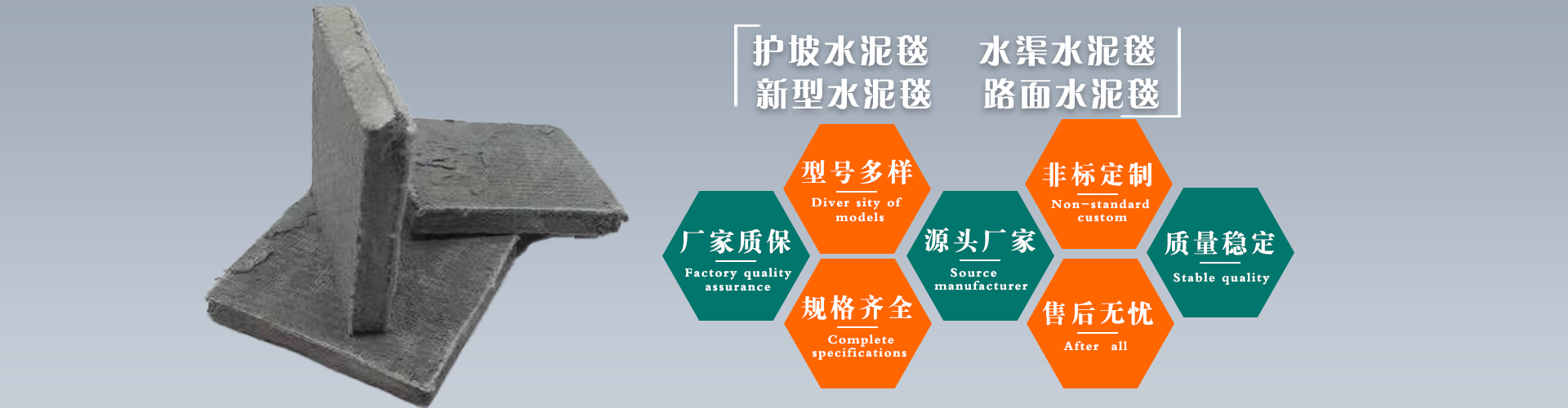
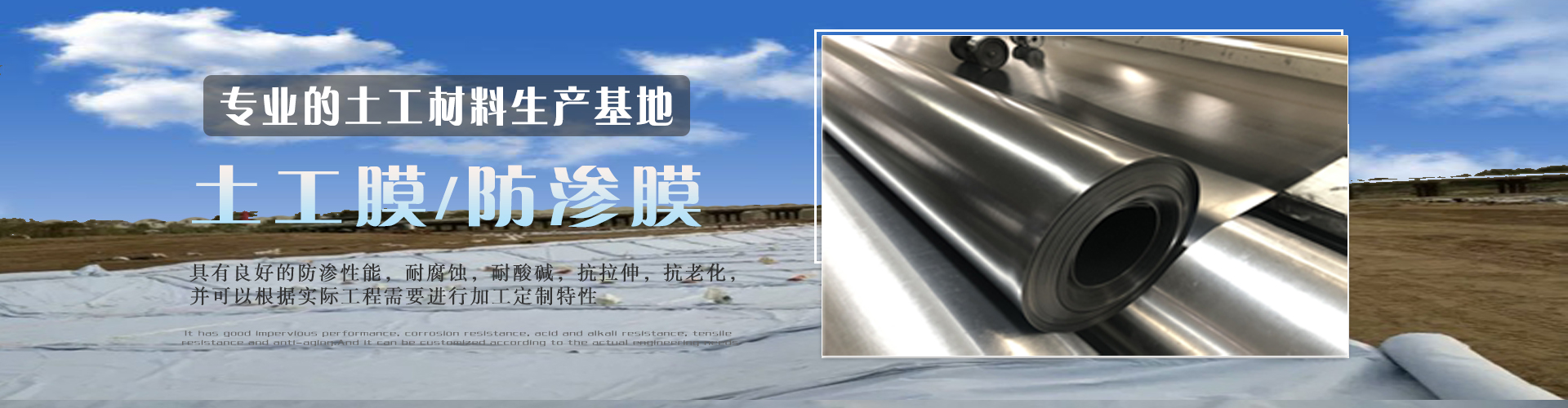
Cement Mat, Geotextile, HDPE Membrane, Composite Geomembrane, Drainage Mesh, Short Fiber Geotextile, Bentonite Waterproof Mat, Eco Bags, etc.



价 格Negotiable
最小起订0 square meter库存0 square meter
 Business Card
Negotiable

Negotiable

Negotiable

Negotiable
 Aquaculture Leak-Proof Membrane
Negotiable
Aquaculture Leak-Proof Membrane
Negotiable
 Cement Mat
Negotiable
Cement Mat
Negotiable
 Polypropylene Geotextile
Negotiable
Polypropylene Geotextile
Negotiable
 Bentonite Waterproof Mat
¥3.00/square meter
Bentonite Waterproof Mat
¥3.00/square meter
 Cement Mat
Negotiable
Cement Mat
Negotiable
 Bentonite Waterproof Mat
¥3.00/square meter
Bentonite Waterproof Mat
¥3.00/square meter
 Geotextile membrane for waste cov
Negotiable
Geotextile membrane for waste cov
Negotiable
 Cement Mat
Negotiable
Cement Mat
Negotiable
 Bentonite Waterproof Mat
¥3.00/square meter
Bentonite Waterproof Mat
¥3.00/square meter
 HDPE double-column embossed geote
Negotiable
HDPE double-column embossed geote
Negotiable
Phone:18053450611
The composite drainage mesh is made of double-sided bonded geotextile over a three-dimensional geogrid, combining the geotextile (filtering function) with the geogrid (drainage and protection). It offers "filtering-drainage-protection" benefits. The three-dimensional structure of the core in the composite drainage mesh can withstand high compressive loads throughout its use while maintaining considerable thickness, providing excellent water permeability.
Function characteristics:
1. Laid between the subgrade and sub-base, it is designed to drain water accumulated between these layers, block capillary water, and effectively integrate into the edge drainage system. This structure automatically shortens the drainage path of the subgrade, significantly reducing the drainage time, and allows for the use of less material (such as material with more fine particles and lower permeability). It can extend the service life of the road.
2. Laying a drainage mesh at the subgrade level prevents fine materials from entering the subgrade (also serving as a barrier). The granular subgrade will only slightly penetrate the upper part of the geotextile. In this way, the composite geotextile drainage mesh also has a potential function to limit the lateral movement of the granular subgrade, similar to the reinforcing effect of geotextile grids. Generally, the tensile strength and rigidity of the composite geotextile drainage mesh are comparable to many geotextile grids used for foundation reinforcement, and this limiting effect will enhance the supporting capacity of the foundation.
3. Once roads age and develop cracks, most rainwater infiltrates into the cross-section. In such cases, directly laying the drainage grid beneath the road surface instead of a permeable subgrade can be effective. The drainage grid can collect water before it enters the subgrade/substrate. Moreover, a film can be wrapped at the bottom of the drainage grid to further prevent water from entering the subgrade. For rigid road systems, this structure allows for roads to be designed with a higher drainage coefficient Cd. Another aspect of this structure is that it may enable concrete to hydrate uniformly (research on this point is ongoing). Regardless of whether it's a rigid or flexible road system, this structure can extend the lifespan of the road.
4. Under northern climatic conditions, laying a drainage network can help alleviate the effects of frost heave. If the freezing depth is significant, the geotextile can be placed in a shallower position within the subgrade, acting as a capillary action barrier. Additionally, it is often necessary to replace the granular subgrade with one that is less prone to frost heave, extending downwards to the freezing depth. The frost-heaving-prone backfill soil can be directly placed on the drainage network until reaching the ground surface line of the foundation. In this case, the system can be connected to the drainage outlet, ensuring the groundwater level is at or below this depth. This can potentially limit the growth of ice crystals, and in cold regions, no restrictions on traffic loads are needed during the spring thaw.

Phone Consultation