

Product Details




价 格Negotiable
最小起订0 Piece库存0 Piece
 Business Card
Negotiable

Negotiable

Negotiable

Negotiable
 Portable Extendable Paint Spray B
Negotiable
Portable Extendable Paint Spray B
Negotiable
 Dry Spray Paint Cabinet
Negotiable
Dry Spray Paint Cabinet
Negotiable
 Catalytic Combustion Equipment
Negotiable
Catalytic Combustion Equipment
Negotiable
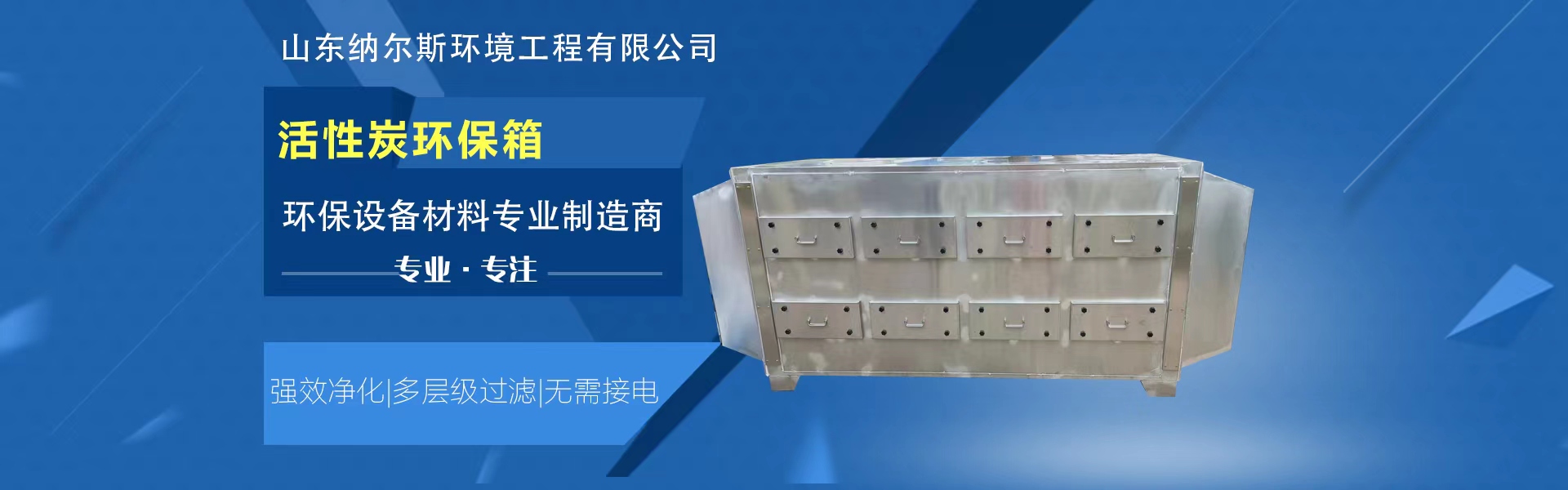
 Activated Carbon Adsorption Box
Negotiable
Activated Carbon Adsorption Box
Negotiable
 Catalytic Combustion Equipment
Negotiable
Photocatalytic equipment
Negotiable
Catalytic Combustion Equipment
Negotiable
Photocatalytic equipment
Negotiable
 Central Dust Removal Equipment
Negotiable
Central Dust Removal Equipment
Negotiable
 High-temperature curing room
Negotiable
High-temperature curing room
Negotiable
 Plastic Pellet Recycling Machine
Negotiable
Plastic Pellet Recycling Machine
Negotiable
 Portable Extendable Paint Spray B
Negotiable
Portable Extendable Paint Spray B
Negotiable
The working principle of the photo-oxygen catalytic exhaust gas purification equipment: Under the action of visible light from the outside or ultraviolet light inside the equipment, a catalytic oxidation process occurs. The photo-catalytic oxidation reaction uses nano-TiO2 (titanium dioxide) and air as catalysts, with light as energy, to break down organic matter into CO2 and H2O. During the photo-catalytic oxidation process, under the illumination of ultraviolet light at 253.7nm, the nano-TiO2 catalytic plate absorbs light energy and simultaneously generates electron and hole jumps. The strong combination of these jumps produces electron-hole pairs, which generally react with surface adsorbed H2O and O2 to form highly reactive hydroxyl radicals (OH-) and superoxide ion radicals (O2-, O-). This process can directly oxidize various harmful gases and other TVOC organic compounds in the air into small molecules like H2O and CO2. Since the oxidizing agents used are H2O and O2 from the air, no secondary pollution is produced.For example, using the ultraviolet light beam at 185nm to break down oxygen molecules in the air into free oxygen, or reactive oxygen. Since the free oxygen carries an unbalanced number of positive and negative electrons, it needs to bond with oxygen molecules, thereby producing ozone. UV + O2 + O- + O* (reactive oxygen) = O + O2 + O3 (ozone). As is well known, ozone has a strong oxidative effect on organic matter, providing immediate purification effects on industrial waste gases and other small molecules. After being processed by a photo-oxygen catalytic waste gas purification unit, organic waste gases can be decomposed into H2O and CO2, achieving an efficiency of 85% or more in organic waste gas treatment.

Phone Consultation