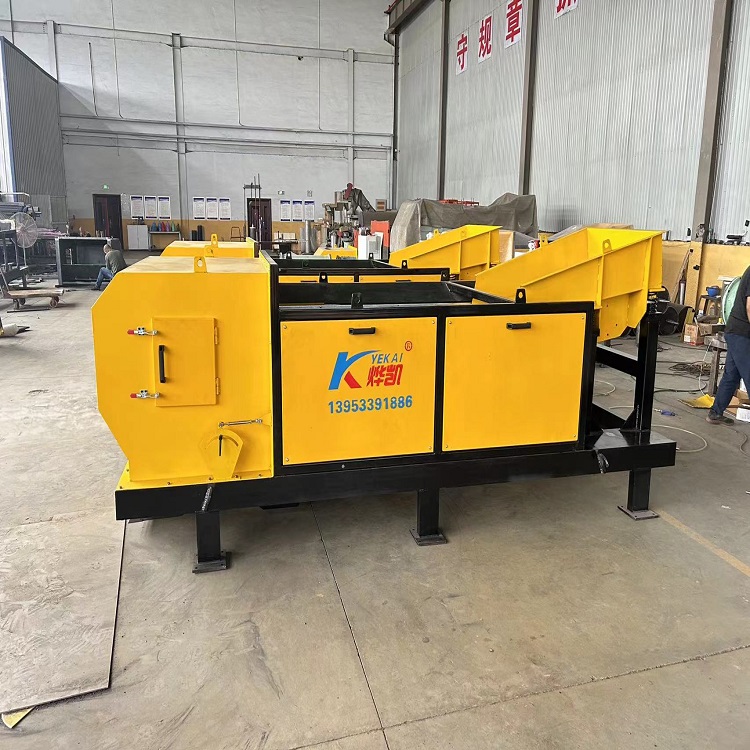
Eddy Current Separator, Iron Remover, Magnetic Separator

Magnetic BracketCoercivity and thermal stability are two critical parameters that measure its performance.
Coercivity
coercivity refers to the strength required to demagnetize magnetic materials by a magnetic field. It is a parameter that measures the ability of magnetic materials to retain magnetism. Magnetic materials with high coercivity can better maintain their magnetic properties when subjected to external magnetic field interference. In the application of magnetic frames, high coercivity means that the magnetic frame can better retain its original magnetic properties when exposed to external magnetic field interference, thereby improving the product's stability and service life.
2. Thermal Stability
Thermal resistance refers to the ability of magnetic materials to maintain their magnetic properties in high-temperature environments. Different application scenarios may have varying requirements for the thermal resistance of magnetic brackets. For example, magnetic brackets used in automotive motors or generators need to have high thermal resistance, as these devices generate a significant amount of heat during operation. High-thermal-resistance magnetic brackets can maintain their magnetic and structural stability in high-temperature environments, making them less prone to demagnetization or deformation.
When selecting magnetic holders, it's crucial to choose appropriate magnetic materials and designs based on the actual application scenario, considering the requirements for coercivity and heat resistance. For instance, magnetic holders used in high-temperature or strong magnetic field environments should be made of materials with high heat resistance and coercivity to ensure stable performance under harsh conditions.


b2b.china9.net © Zhongshang 114 Hebei Network Technology Co., Ltd.Address: Room 6009, Oriental New World Center, No.118 East Zhongshan Road, Qiaoxi District, Shijiazhuang City, Hebei ProvincePlatform Service Hotline: 4006299930