

- AllProduct Category
-
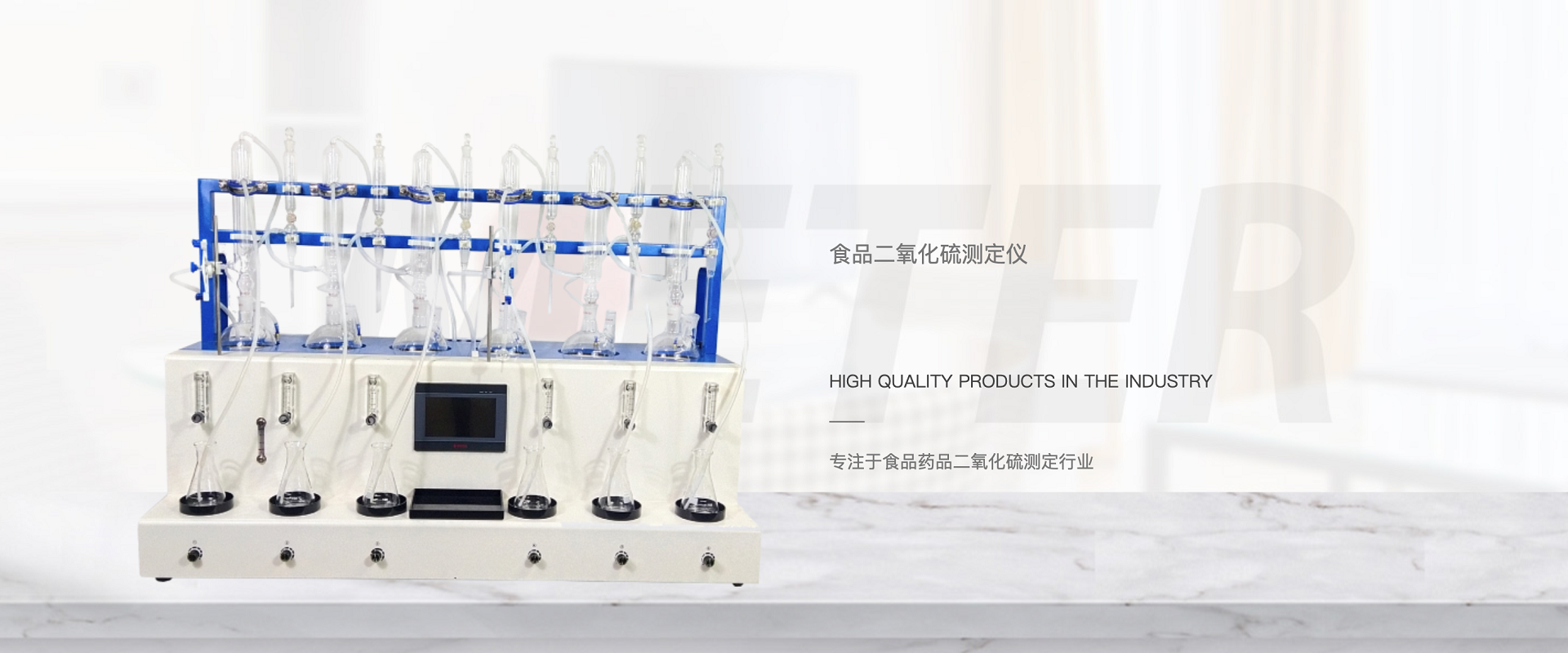
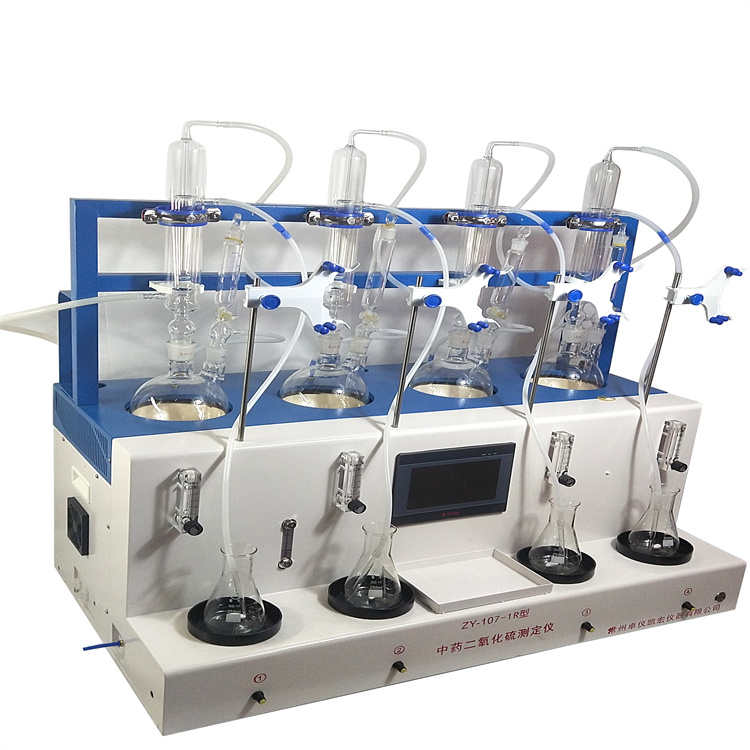
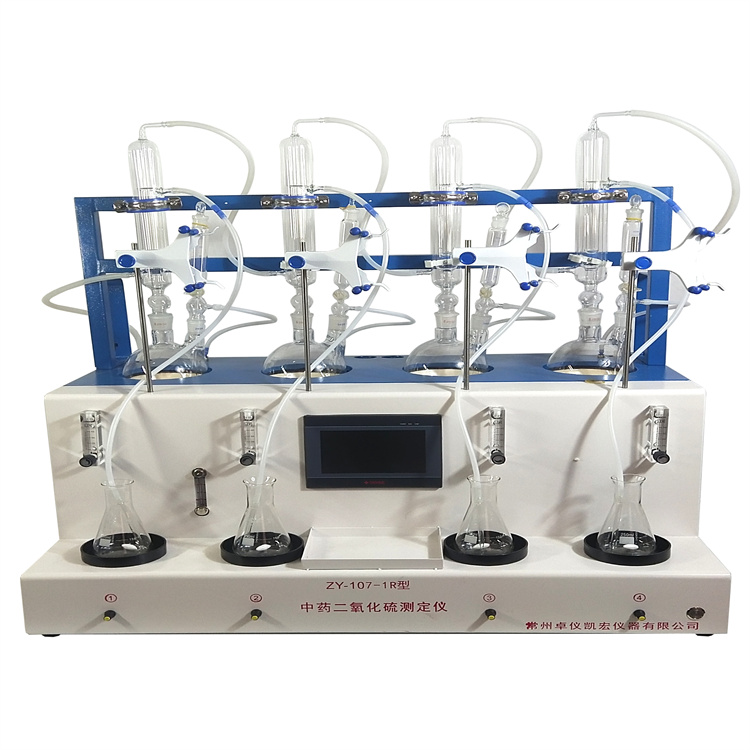
Herbal Sulfur Dioxide Analyzer
Carbonized Monolithic Muffle Furnace
Nitrogen Generator
Oxidation Blowing Instrument
Condensation Recirculation Extractor
Concentrated Acid Neutralizer
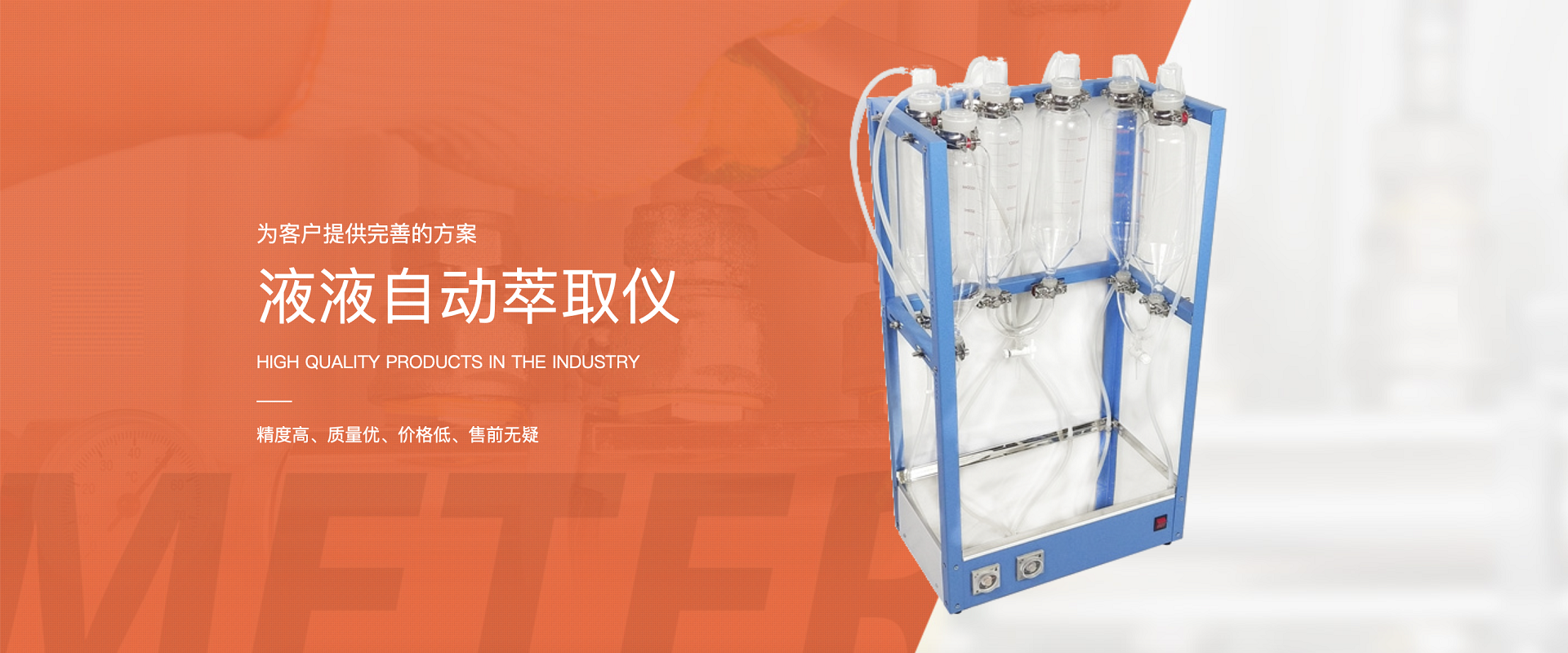
Liquid-Liquid Extraction Apparatus
Intelligent Integrated Distillation Unit
COD Dissolver





详情描述
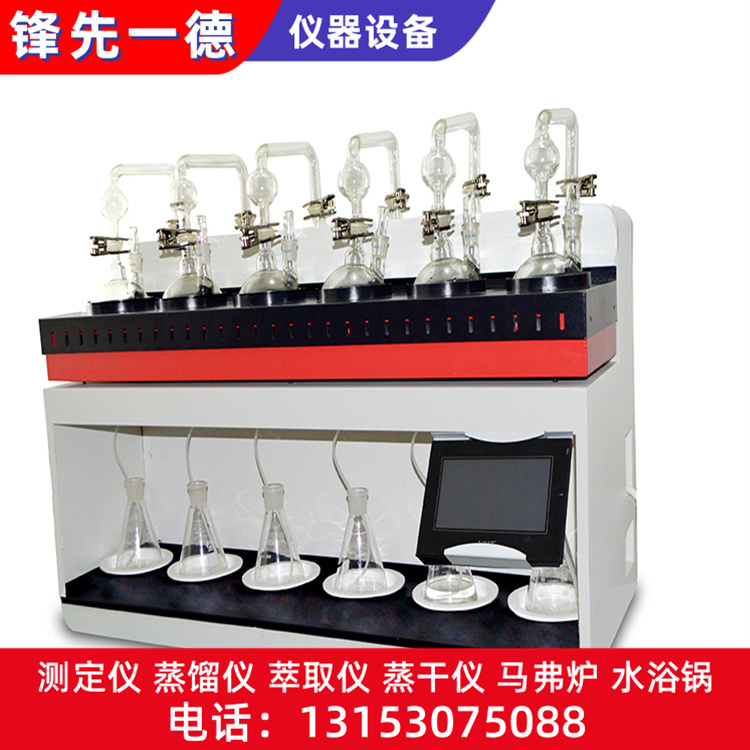
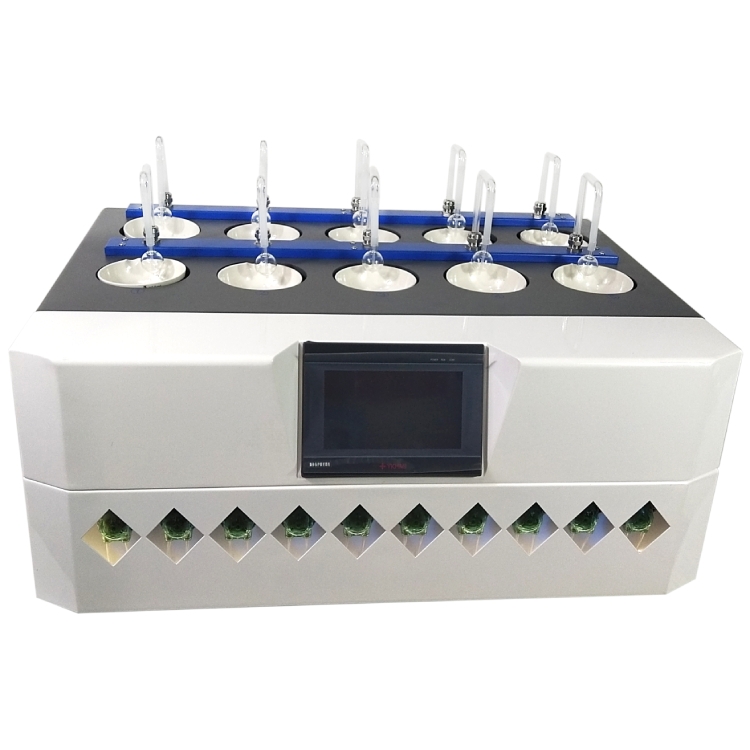
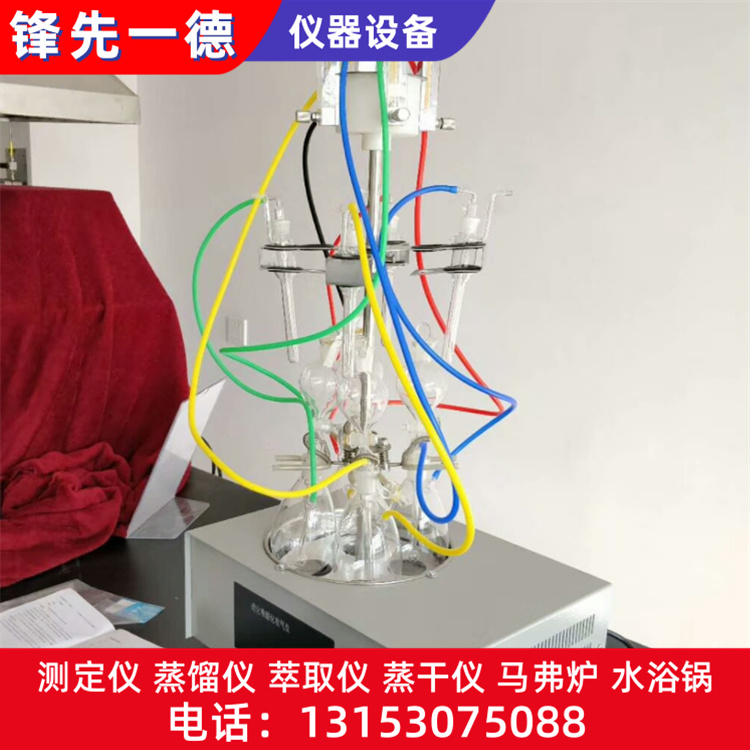
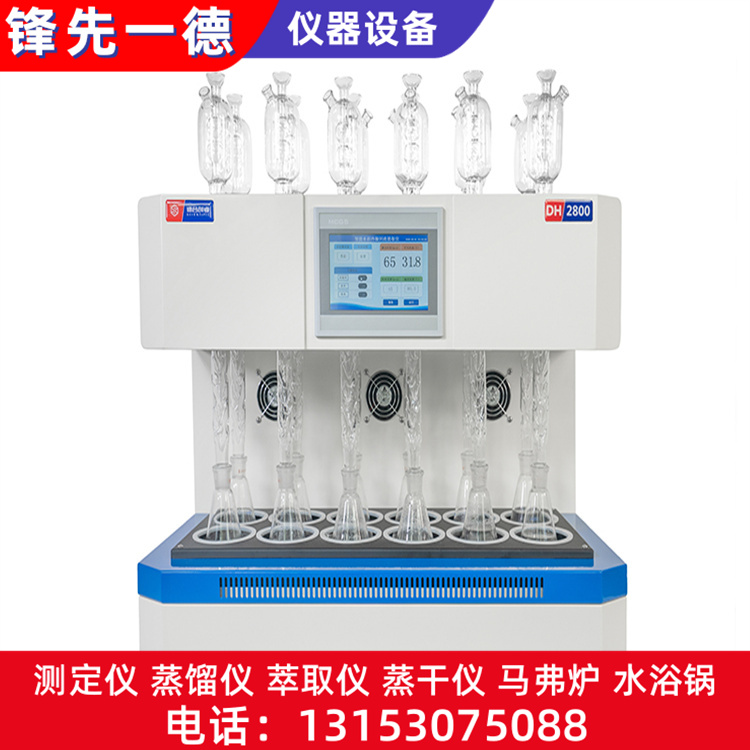
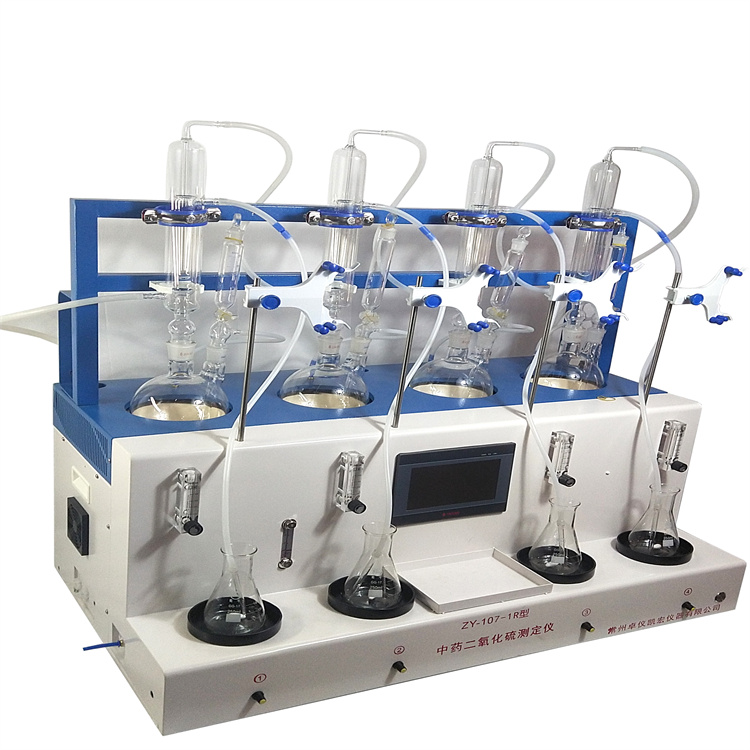
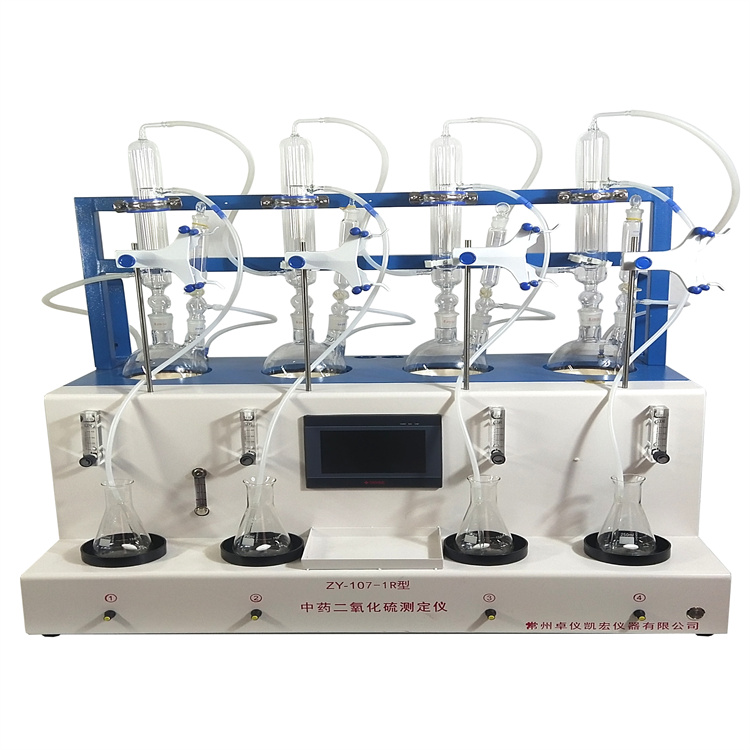
WithGB5009.34-2022 "Determination of Sulfur Dioxide in Food"The new national standard has been issued, and the methods for measuring sulfur dioxide in food and traditional Chinese medicinal materials in the "Chinese Pharmacopoeia" are roughly the same.Feng Xian Yi De InstrumentsDeveloped in accordance with the new national standards and pharmacopoeia methods,FX-3L460 Model FX-3Z660 model | FX-4W680 modelSpecialized testing equipment.
Product Features
Heating Method:Simultaneously performs heating, distillation reflux, cooling, nitrogen blowing control, magnetic stirring, and collection operations.
Heating Method: Automatic far-infrared ceramic heating management system.Energy-saving and environmentally friendly, with excellent waterproofing and resistance to acid and alkali corrosion.
Cooling Method: Integrated design with an in-built compressor, automatically completes internal recirculation of cooling water, no need for an external chiller.
Condenser Tube Design: Standardized回流 Condenser Tube for domestic use.
Control System: Automatic temperature rise technology, featuring adjustable micro-boil and full-boil heating modes; automatic timing from 0 to 999 minutes.
Reagent Addition: AvailableOptional accessoriesThe high-precision reagent dosing pump automatically adds reagents without manual operation.
Nitrogen Control: Rotameter controlled, range: 200-2000ml/min.
* Sample quantity:One-time production1-4/6 sets of samples, each channel can be controlled independently.
Comparison of the New and Old National Standards for the Determination of Sulfur Dioxide in Food (Method) | ||
GB5009.34-2016 | GB5009.34-2022 (New National Standard) | |
Testing Method |
Titration method | Titration method changed to: Acid-Base Titration, with the addition of Spectrophotometry and Ion Chromatography methods. |
Scope of Inspection | This standard specifies the method for determining the total sulfur dioxide in foodstuffs such as dried fruits, preserved vegetables, rice noodles, vermicelli, sugar, edible mushrooms, and wine. | One method is the acid-base titration, suitable for the determination of sulfur dioxide in food. |
Sample Preparation | 5G Uniform SampleDown to 0.001g, the sampling amount can be determined based on the content level; liquid samples can be directly aspirated 5.00mL to 10.00mL; add 250ml of water; add 10ml of hydrochloric acid. | Collect solid or semi-liquid specimens20g to 100g (to 0.01g, sample size depends on the concentration); take liquid sample 20mL (g) to 200mL (g); add 20-500ml of water; add 10mL of 6mol/L hydrochloric acid. |
Is Nitrogen Filling Available for Distillation? | No | Nitrogen Filling and Distillation, Flow Rate:0.2-2.0L/min |
Absorbent liquid | 25mL Lead Acetate Absorption Solution | 50mL 3% Hydrogen Peroxide Solution (Type 1) |
Distillation Method | Gather200ml distillate, redistill for 1 minute, and rinse the inserted absorption device with a small amount of distilled water. | The solution in the flask is heated to boiling and maintained at a gentle boil.1.5h。 |
Titration method | Add sequentially to the removed iodine bottle:10mL hydrochloric acid, 1mL starch indicator solution; after shaking well, titrate with standard iodine solution until the solution turns blue and remains so for 30 seconds without fading. Conduct a blank test simultaneously. | Cool the absorbent solution, then shake well. Add to the absorbent solution3 drops of a 2.5 mg/mL methyl red ethanol solution indicator, titrated with sodium hydroxide standard solution (0.01 mol/L) to a yellow color that does not fade after 20 seconds, while simultaneously conducting a blank test. |
Detection Limit and Quantitative Limit | When picking upAt 5g solid sample, the method's Limit of Detection (LOD) is 3.0mg/kg and the Limit of Quantitation (LOQ) is 10.0mg/kg; for 10mL liquid samples, the method's LOD is 1.5mg/L and the LOQ is 5.0mg/L. | |
询价单

