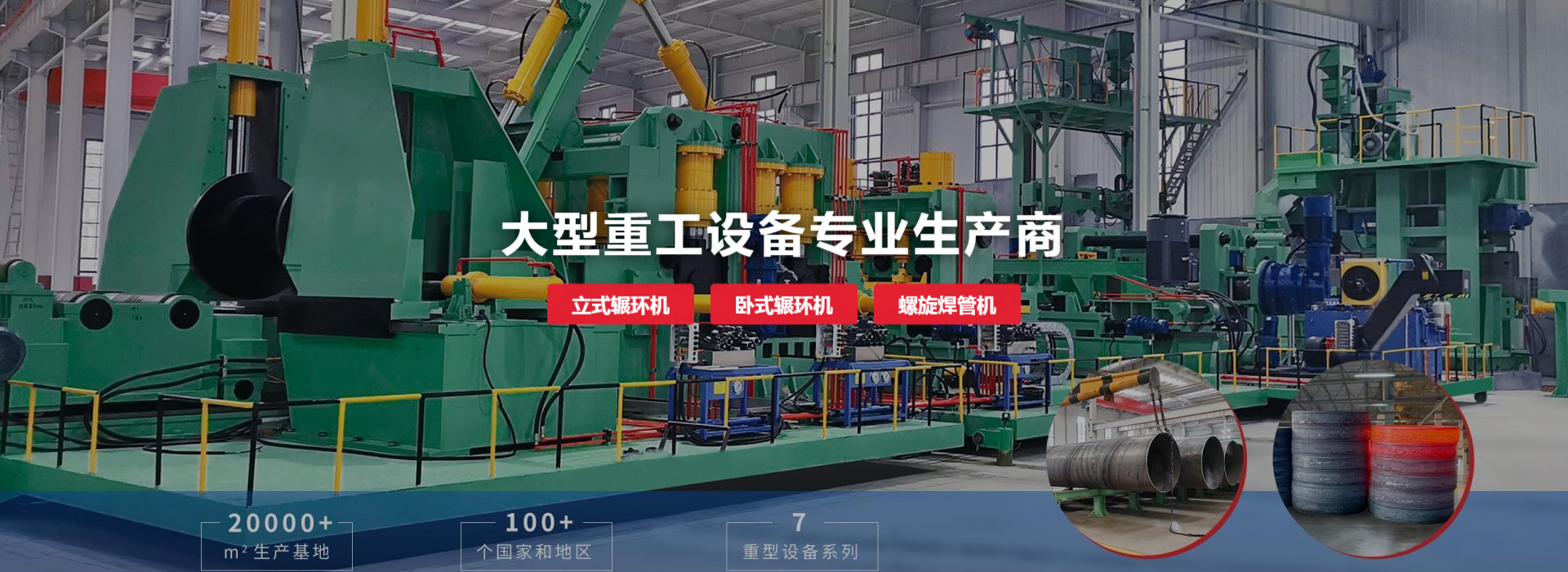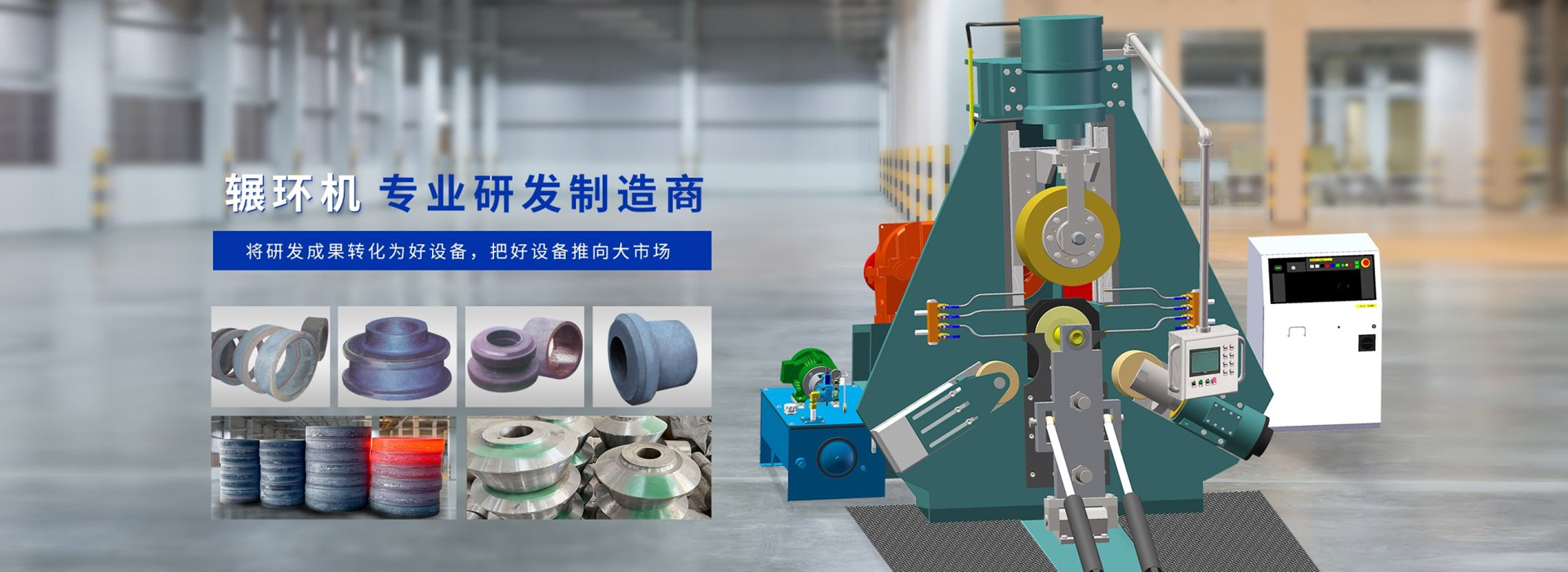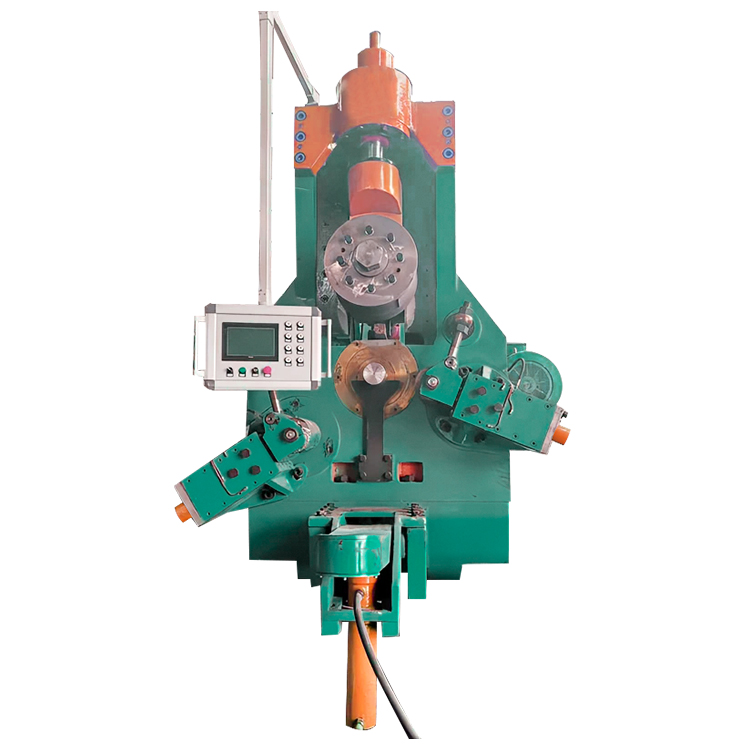
Heavy-duty machinery, rolling rings machines, spiral weld...

Forging is a process that alters the mechanical properties and internal structure of metal forgings through plastic deformation, enhancing the components' load-bearing and shock-resistant capabilities. In the structure of aircraft fuselages and engines, critical load-bearing and power transmission components typically require forging. In aeroengines, aero forgings are currently primarily used in the four major components: fans, compressors, turbines, and combustion chambers, where they serve essential functions such as containment, connection, support, and sealing, making them crucial parts.
Forging, compared to casting, effectively eliminates issues such as pores and crystalline precipitation. The metallic materials used in forging inherently contain defects like pores, shrinkage cavities, and dendritic crystals due to the manufacturing process. Under the action of pressure equipment and tools, the billet or ingot undergoes local or complete plastic deformation, resulting in excellent shape and size stability, uniform microstructure, reasonable fiber structure, and superior comprehensive mechanical properties compared to before processing.
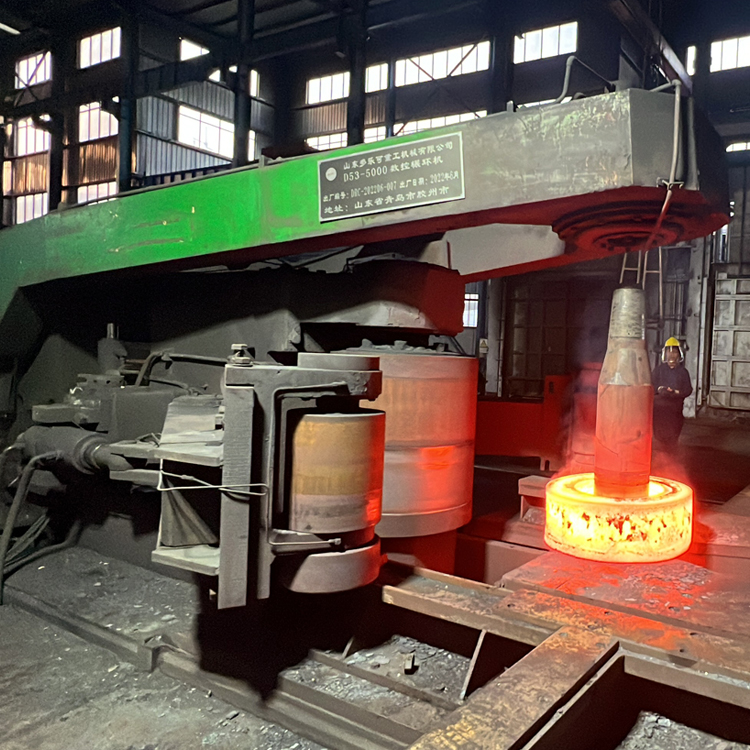
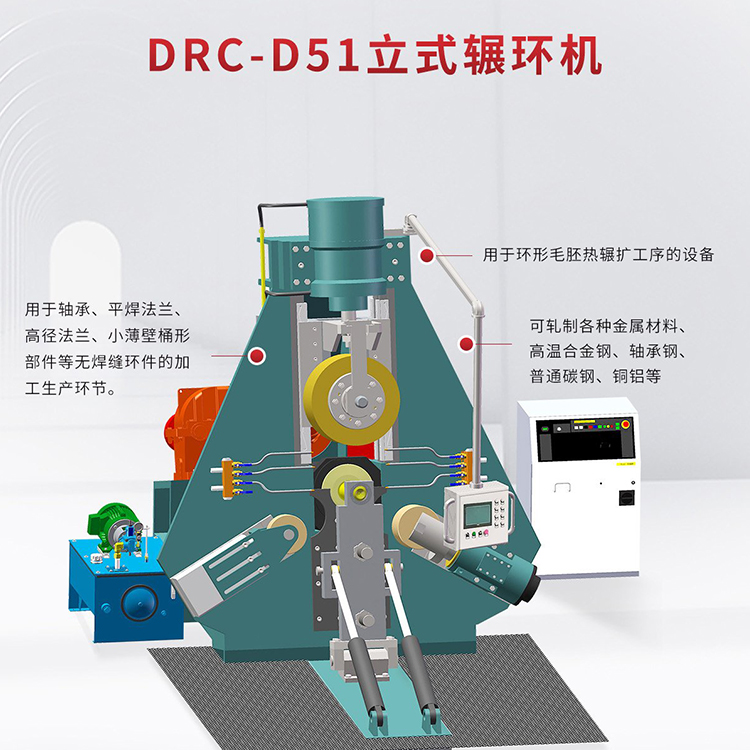
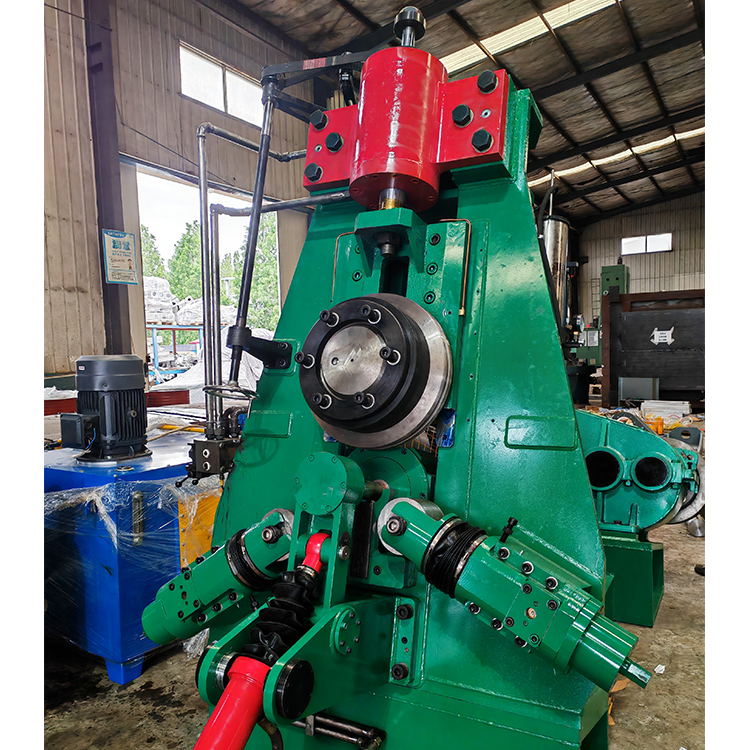
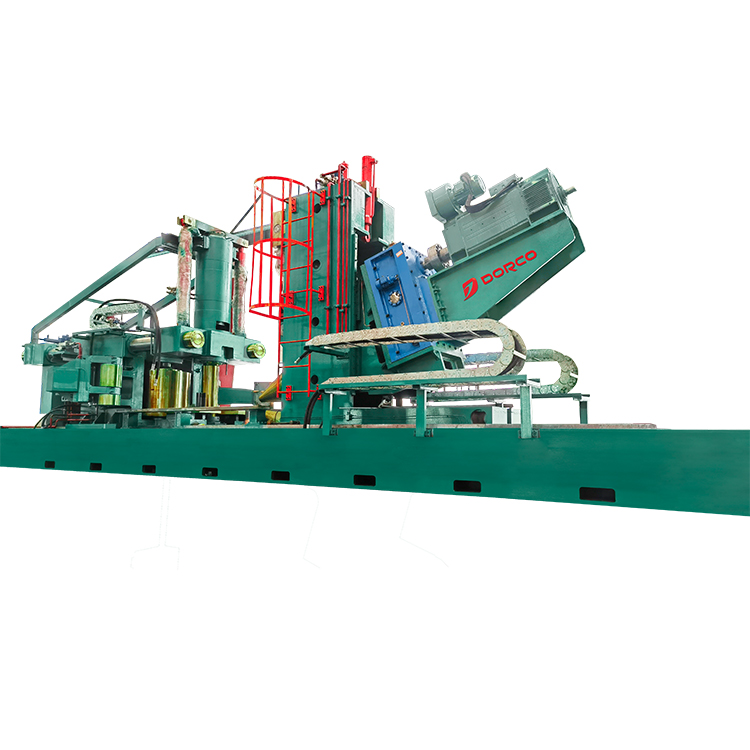
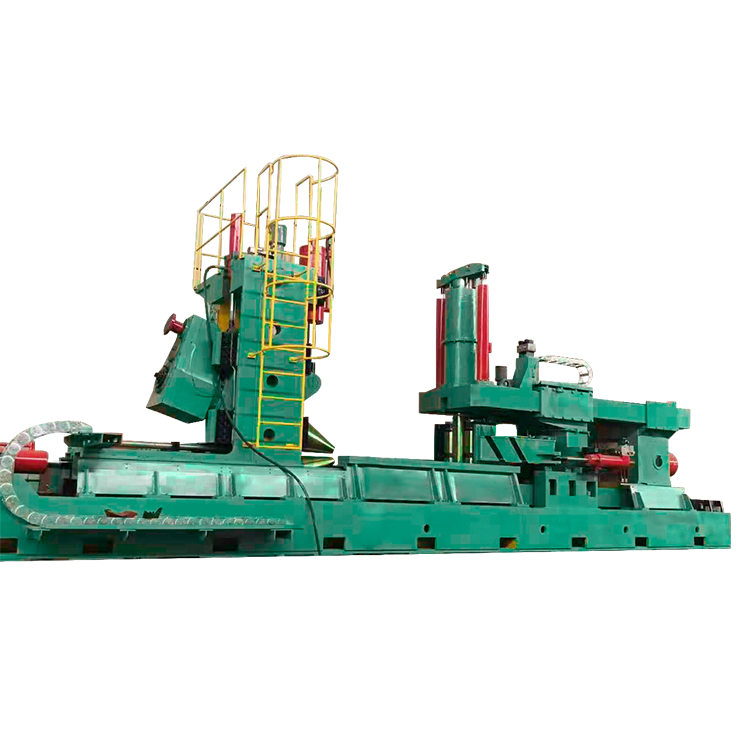
Forging can be categorized into free forging, die forging, and ring rolling, with ring rolling technology becoming the primary method for producing ultra-large ring forgings. Ring rolling is an advanced technique that utilizes ring rolling machines to induce continuous local plastic deformation in ring components. This method significantly reduces equipment tonnage and investment, featuring minimal vibration and impact, energy and material savings, high production efficiency, and low production costs. As a result, with the extensive deployment of ring rolling machines, ring rolling technology has been widely adopted.


b2b.china9.net © Zhongshang 114 Hebei Network Technology Co., Ltd.Address: Room 6009, Oriental New World Center, No.118 East Zhongshan Road, Qiaoxi District, Shijiazhuang City, Hebei ProvincePlatform Service Hotline: 4006299930