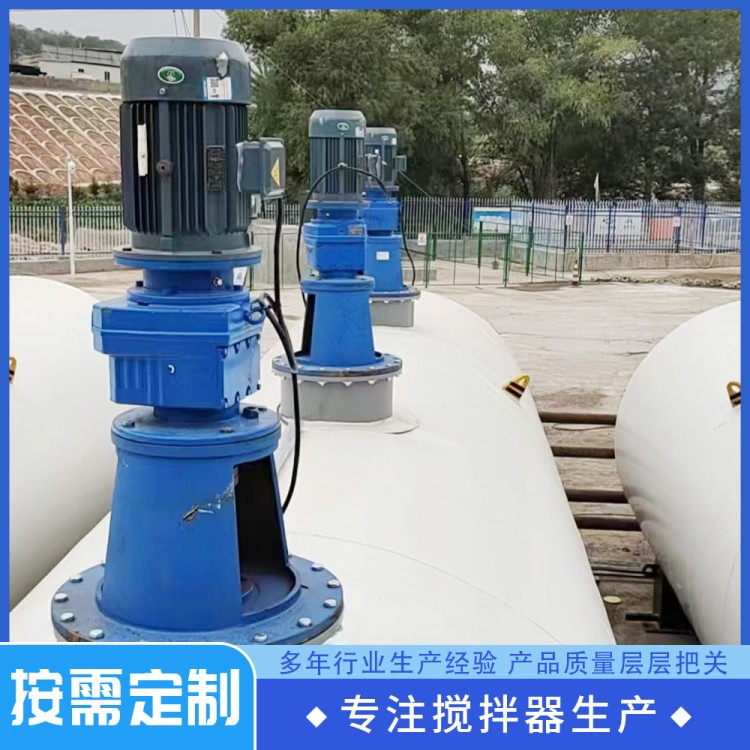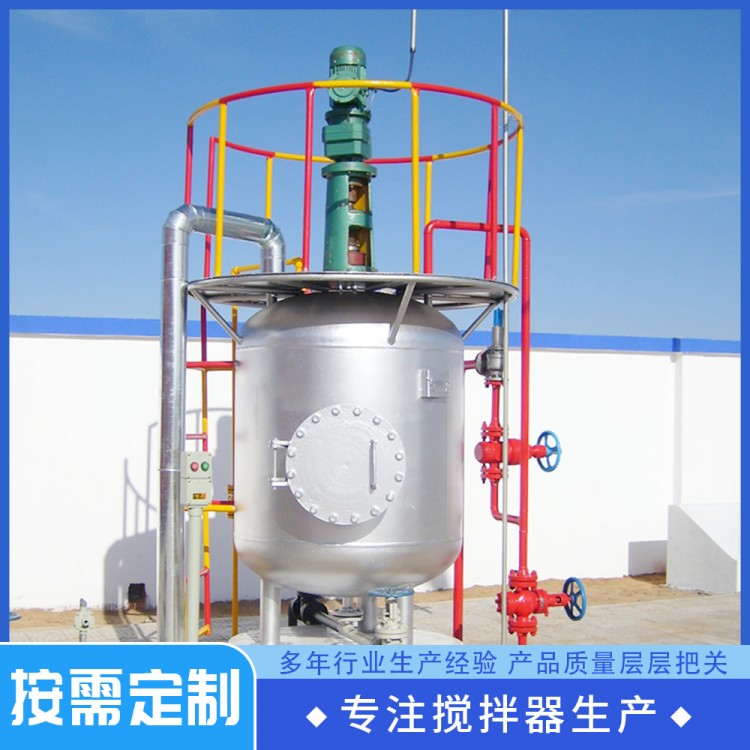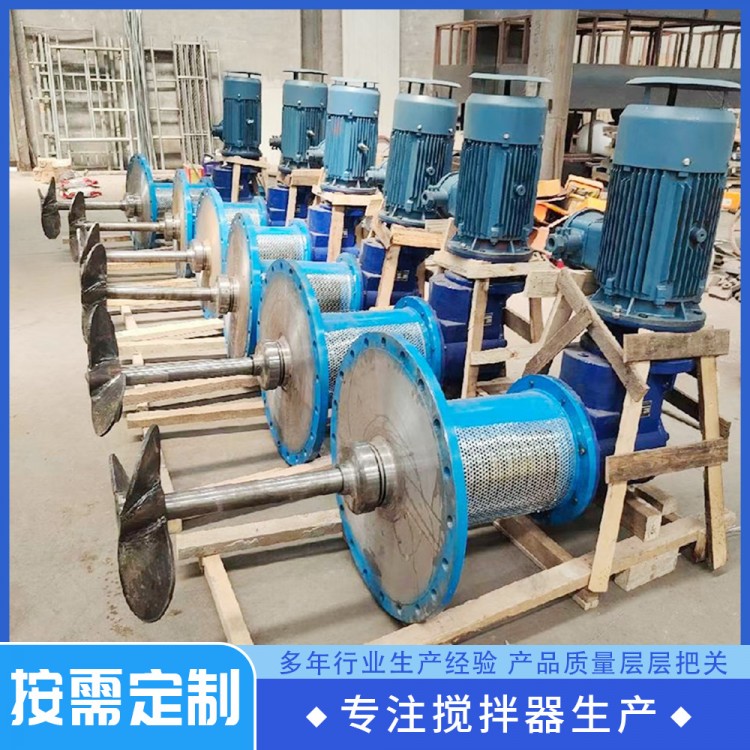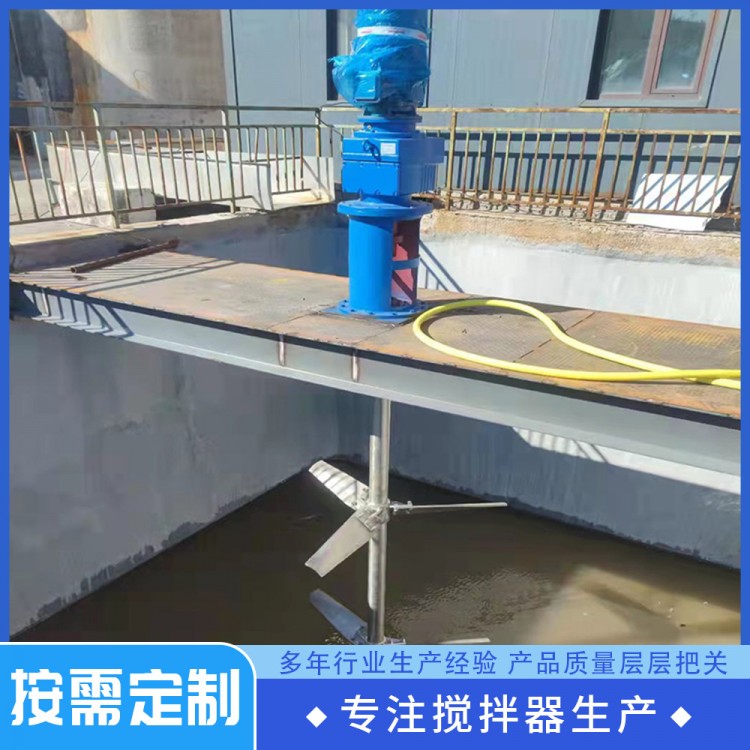
Mixers, Stainless Steel Mixers, Vertical Mixers, Custom M...


Product Recommendation
Are you familiar with mixers? Do you know how they mix?
In fact, there are three flow states within a blender: laminar, transitional, and turbulent. The primary parameter that determines these states is viscosity. Viscosity refers to a fluid's resistance to flow, defined as the shear stress required per unit area when a liquid flows at a rate of 1 cm/s. This is known as kinematic viscosity, measured in Pascals (Pa). During the blending process, it is generally considered that fluids with a viscosity less than 5 Pa/s are low-viscosity, such as water, oil, sauce, lubricating oil, and low-viscosity emulsions. Fluids with a viscosity between 5-50 Pa/s are medium-viscosity, like inks. Fluids with a viscosity between 50-500 Pa/s are high-viscosity, such as chewing gum, plasticizers, and solid fuels. Viscosities above 500 Pa/s are ultra-high-viscosity, such as plastic melts and organosilicones. For low-viscosity media, a blender with a small diameter and high speed can drive the circulation of the surrounding fluid to distant areas. However, for high-viscosity media, the blender must directly propel the fluid. Therefore, when selecting the blending method for a blender, one should judge based on various factors, and only by choosing a more suitable blending method can the efficiency of use be maximized, thereby driving the operation of the entire equipment.


b2b.china9.net © Zhongshang 114 Hebei Network Technology Co., Ltd.Address: Room 6009, Oriental New World Center, No.118 East Zhongshan Road, Qiaoxi District, Shijiazhuang City, Hebei ProvincePlatform Service Hotline: 4006299930