



- AllProduct Category
-
UV Curing Repair
Non-Dig Pipeline Replacement and Repair
Industry News
FIPP Thermoplastic Molding
Municipal Pipeline Cleaning and Maintenance
Local Resin Repair
Helical Winding





详情描述
Principles of Concrete Drainage Pipe Damage
Concrete drainage pipes have excellent load-bearing capacity and have been widely used in the construction of municipal drainage systems. However, with the continuous changes in residents' living habits and dietary structures, the increase in organic matter content of urban wastewater, and the unreasonable methods and structures of wastewater drainage and facilities, harmful gases produced under microbial action lead to the corrosion and neutralization of concrete in the pipes. As time goes on, this damaged condition worsens, resulting in the wall of the cement pipes being corroded to the point of peeling off completely, the soil layer above the pipe walls gradually collapsing due to the loss of support, and the falling soil and rocks accumulating in the pipes. In severe cases, this can cause pipe blockages and even ground subsidence, affecting the personal safety of others.
Application of trenchless pipe bursting technology
Considering the disadvantages of traditional excavation and repair methods, such as road surface excavation and traffic disruptions, our technical team, combining on-site conditions and past construction experience, has researched and developed a new, non-excavation pipeline construction technique—Fracture Pipe Method. The Fracture Pipe Method is a non-excavation technique that uses a sealed locking connection between parent and child pipes to expand and repair. This method is currently economical and reasonable, as it operates without excavation, utilizing adjacent manholes to transport a short section of specially machined polyethylene (PE) pipe into the manhole for connection. Meanwhile, a silent hydraulic traction device is used to drag it to the desired location, replacing the original reinforced concrete pipeline with PE water supply solid wall pipes, thereby repairing the damaged pipeline.
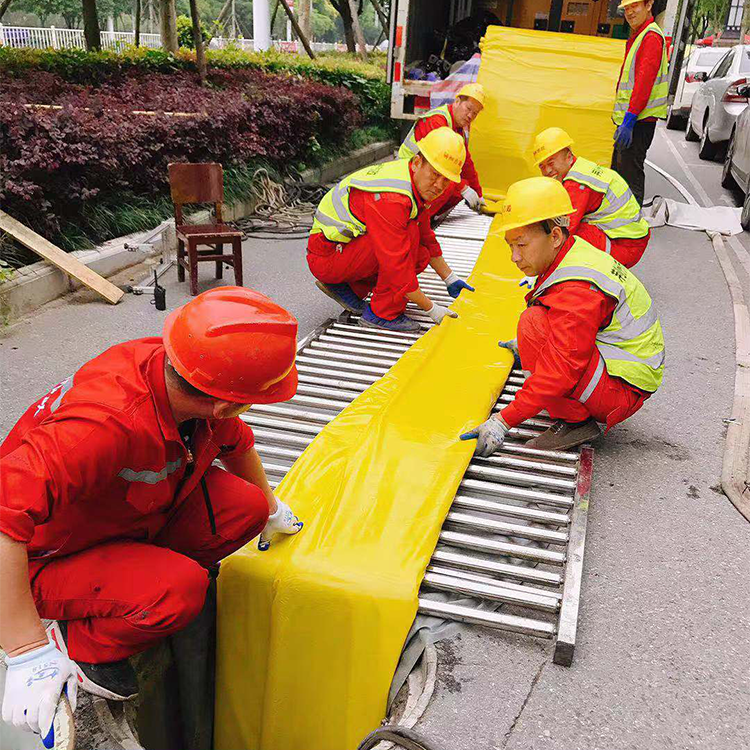
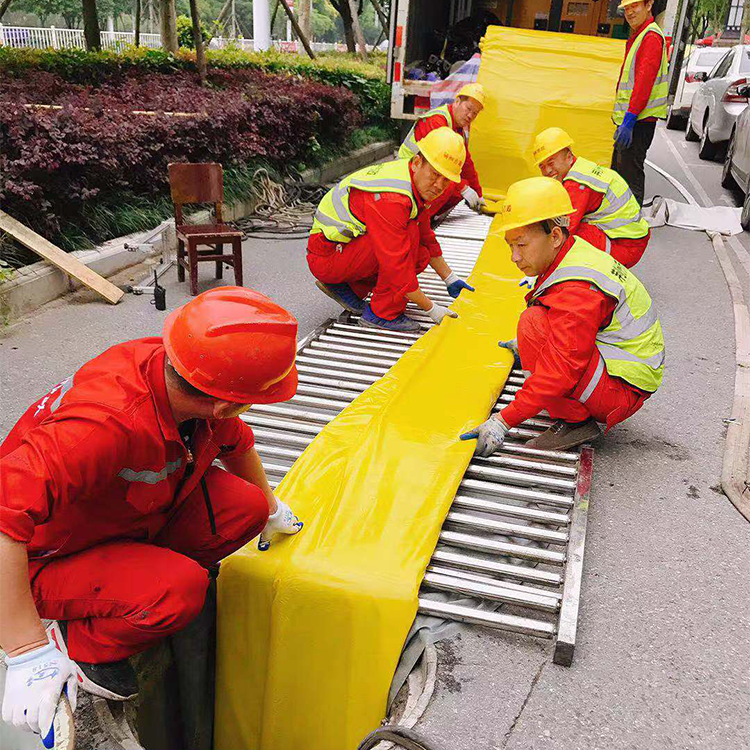
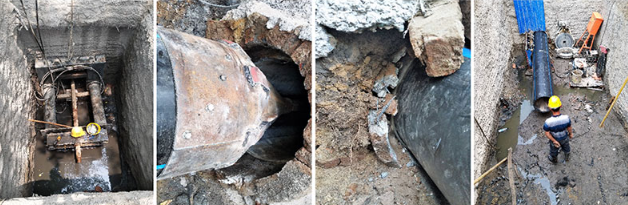
Construction sites for trenchless pipe bursting repair techniques resemble the following images.
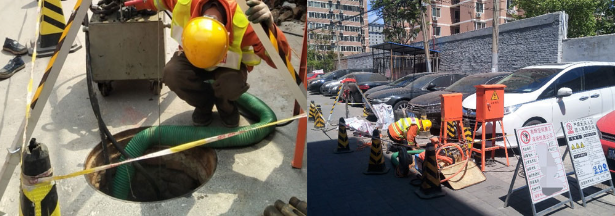
2. The piping material used in the split-tube method for replacing old pipes is widely applied in water supply and gas sectors. Made of polyethylene plastic, it is more durable than drainage pipes like cement and clay tiles due to its excellent chemical stability. Moreover, the inner surface of the replaced pipeline becomes smoother, significantly reducing the accumulation of debris.
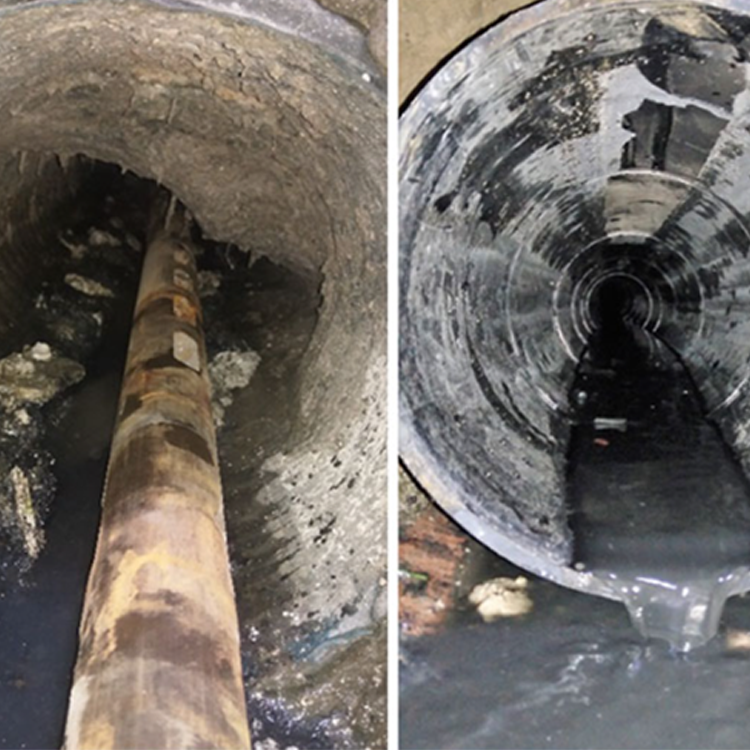
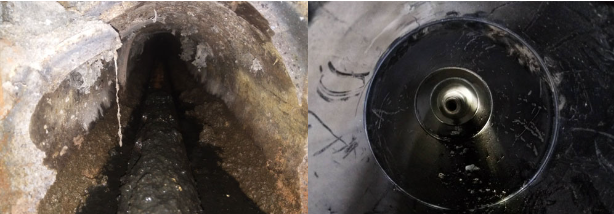
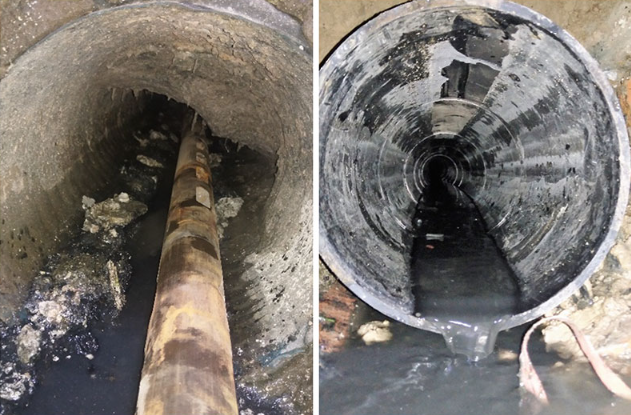
The internal photo of the PE plastic pipe after being replaced by the split tube method, after two years of use, is shown as follows. From the image, it can be observed that even after two years of use, only a small amount of sediment has accumulated at the bottom of the pipe. This is sufficient to demonstrate the superior characteristics of PE plastic pipes compared to ordinary cement pipes.

3. The pipe material connection method used in the construction technology of the split pipe method employs a more convenient mother and daughter lock扣 technique than the hot melt method. The design of the mother and daughter collar lock扣, along with the method of using mortise lock扣, achieves the connection of PE short sections through impact. This effectively prevents the dislodgment of pipe ends and facilitates the connection between short pipe sections. The structure of the mortise collar lock扣 is as shown in the following diagram.


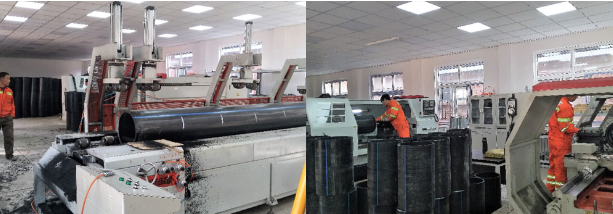
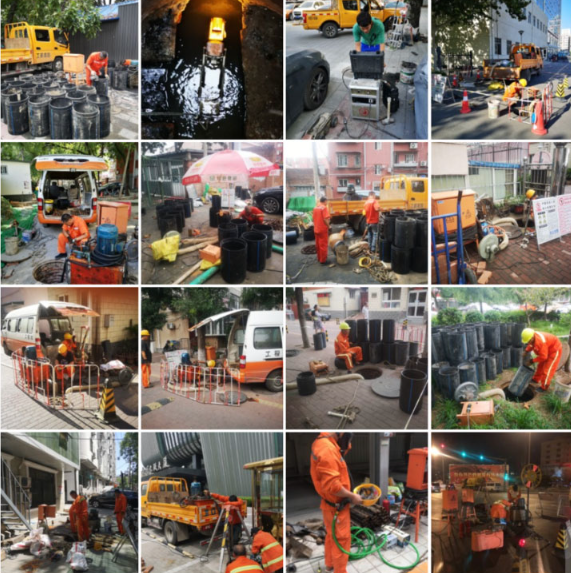
4. Design Features of Sub-Mother Lock Coupling Technology: The combination of an interface sealing groove anti-leakage design and a mortise lock coupling ensures that after the short pipe section is connected, it cannot be easily disassembled while also meeting the anti-leakage design requirements. Additionally, it eliminates the need for welding processes and avoids the excavation of a large working surface. Our company owns multiple advanced CNC machining equipment, capable of quickly meeting large quantities of construction material needs. Below is a daily overview of our company's PE plastic short section processing.
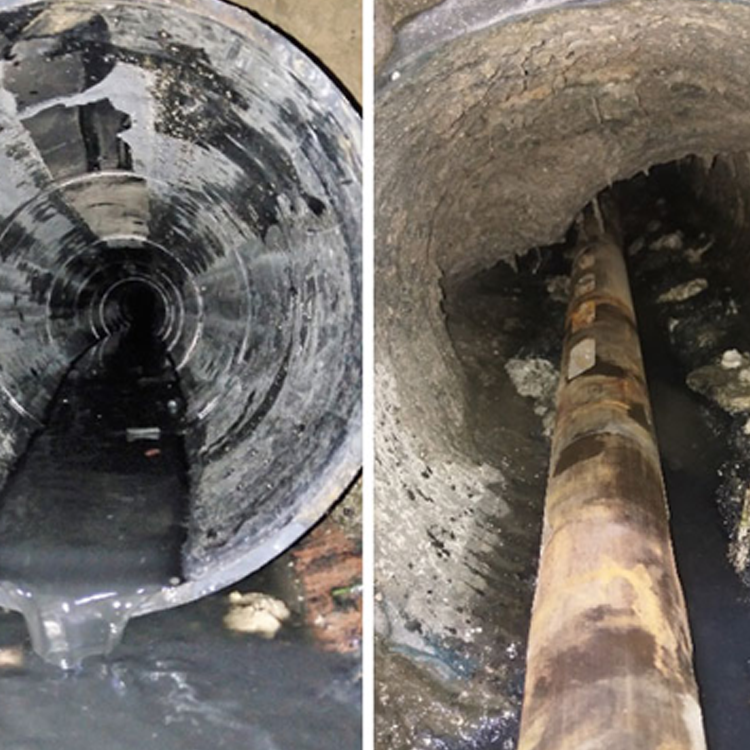
5. The pipe bursting construction method allows for the replacement of old pipes with new ones on the basis of the original pipeline, either with the same diameter or an expanded diameter. The following image shows a comparison of the before and after transformation of a wastewater pipeline that has been renovated by our company. Using the pipe bursting construction method, we increased the diameter of the original DN200mm clay drainage pipe to 250mm and replaced it with a PE plastic water supply pipe.
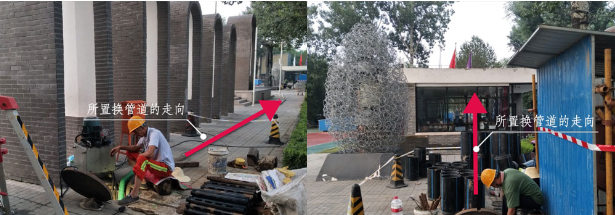
6. Short construction period, with strong daily repair capabilities. For example, our company has remodeled a sewage pipeline at a primary school in Haidian, Beijing, where the pipeline is 207 meters long and is overlaid with various structures above the ground, resulting in high excavation costs. We adopted the pipe bursting construction technique, replacing the original DN300mm cement pipes with DN315mm PE water supply pipes, completing the project in total of fifteen days.
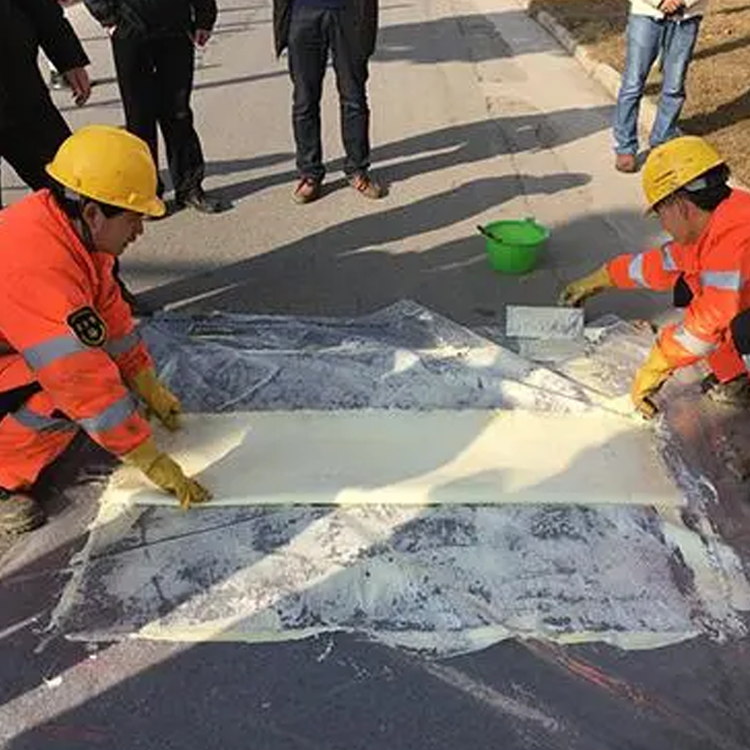
Partial construction sites are as shown in the following images:
Application Range of Pipe Bursting Construction Technology
Pipe Nominal Diameter: DN75 to DN800; Pipe Properties: Drainage Pipeline; Pipe Material: Drainage pipelines made of materials such as clay and concrete for diameters of 200mm to 800mm; the pipe bursting technique can be used for both equal diameter and expanded diameter replacement. For drainage pipelines with diameters exceeding 500mm and spacing between manholes over 30 meters, excavation of a facility working surface is required. As shown in Figures 4 to 7, the construction site for the renovation of a DN600mm cement pipeline. The total length of this pipeline is 174 meters, buried in four sections at depths of two to three meters. The ground above this pipeline is covered with large trees, gas pipelines, thermal power lines, water supply lines, etc., posing high excavation risks. Our company has adopted the pipe bursting technique, and by merely digging three work pits for the placement of equipment, we have replaced the original reinforced concrete pipes with DN630mm PE material pipes, completing the task in just nine days.
For drainage pipes made of materials like double-walled corrugated pipes and PVC, if the pipe replacement is done using the cracking method, such as with HDPE double-walled corrugated pipes, due to their soft nature, this should be determined on a case-by-case basis. Generally, for short well distances, equal diameter replacement can be done, but for longer distances, a reduction in diameter with the same process is required.
Below is the comparison before and after the replacement of the double-wall coiled tubing:
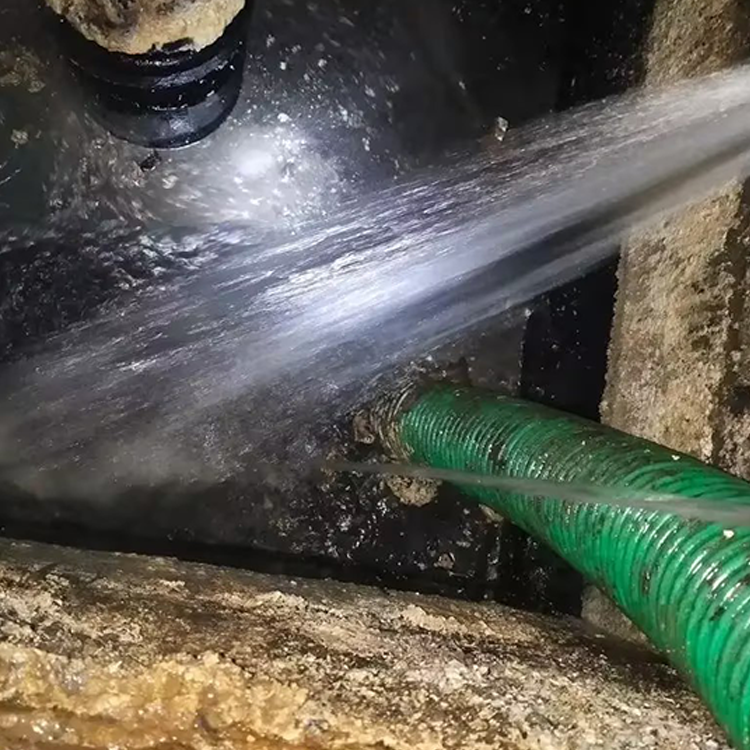
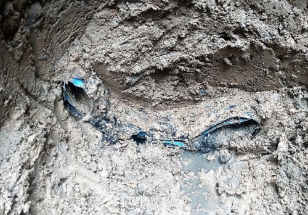
The original pipeline shown in the image is 23 meters long and buried at a depth of 2.5 meters. It was initially a reinforced concrete pipe with a diameter of dn200mm. Due to severe corrosion over time, the pipeline was replaced with a dn300 double-walled corrugated pipe after ground subsidence was detected. However, due to insufficient rigidity of the double-walled corrugated pipe and improper backfilling, soil settlement occurred, causing the corrugated pipe to bond together at certain sections. This resulted in the pipeline being unable to operate normally. The bonding situation in certain sections is shown in the following image:
Our company utilizes the split-tube construction technique to transform pre-fused double-wall corrugated pipes into more robust and durable PE water supply pipes of equal diameter. For years, we have been engaged in non-excavation repair construction for collapsed drainage pipelines, and our business has expanded across the country in recent years.

询价单


