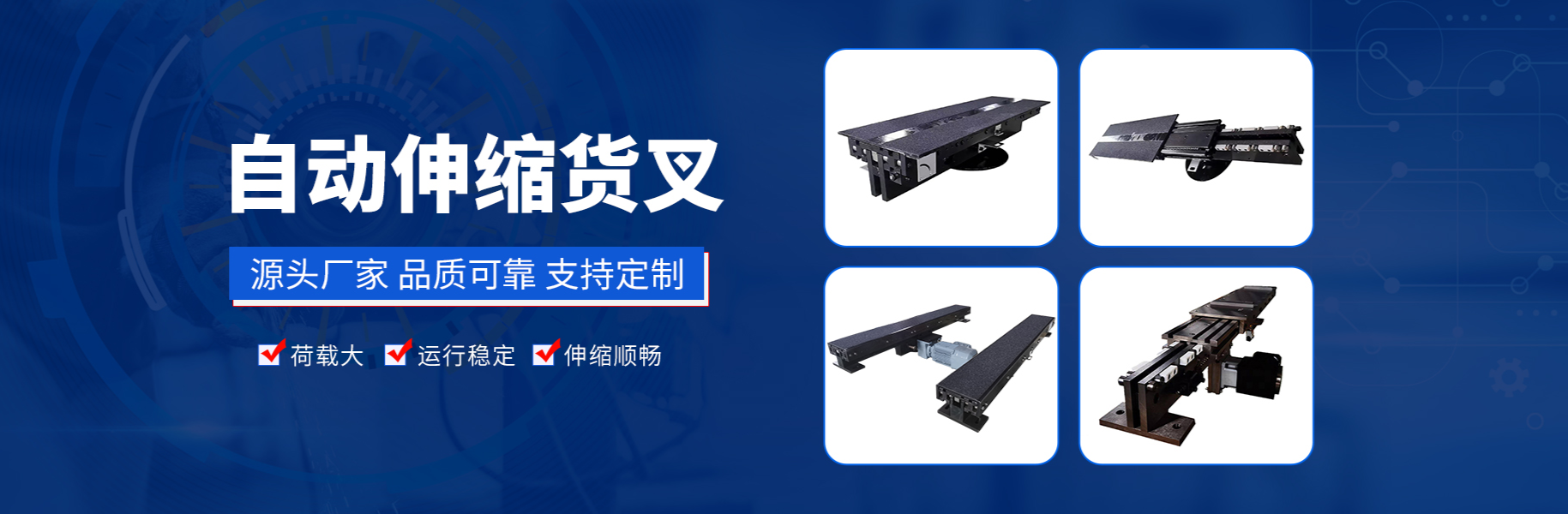
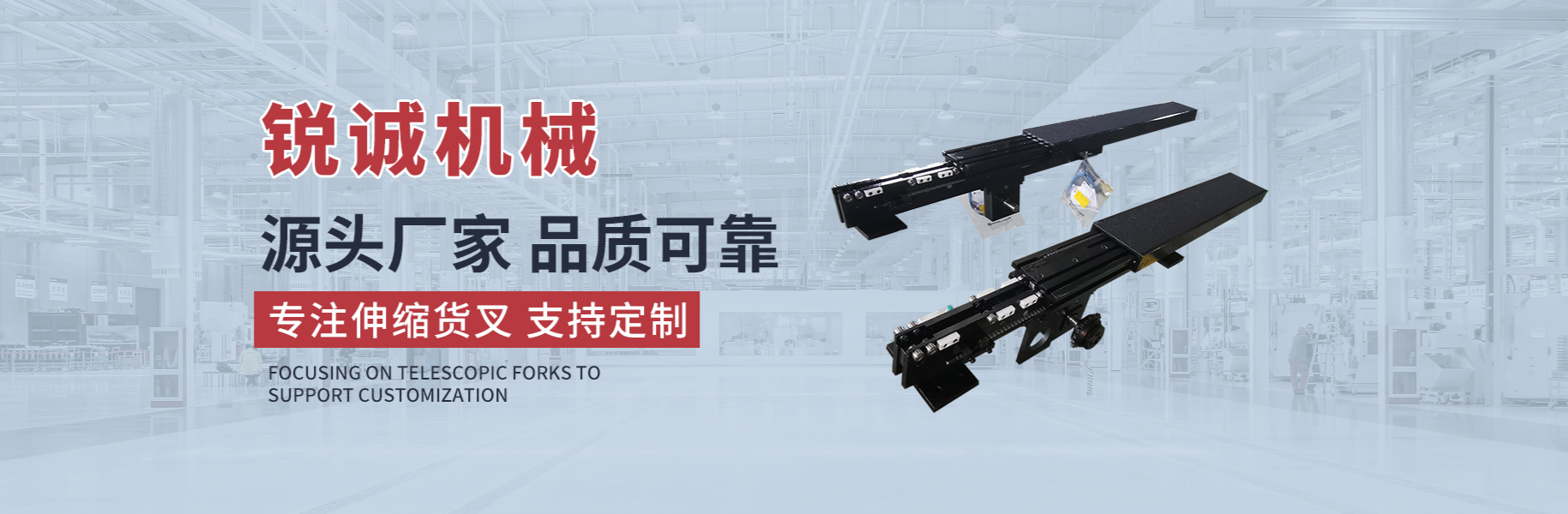
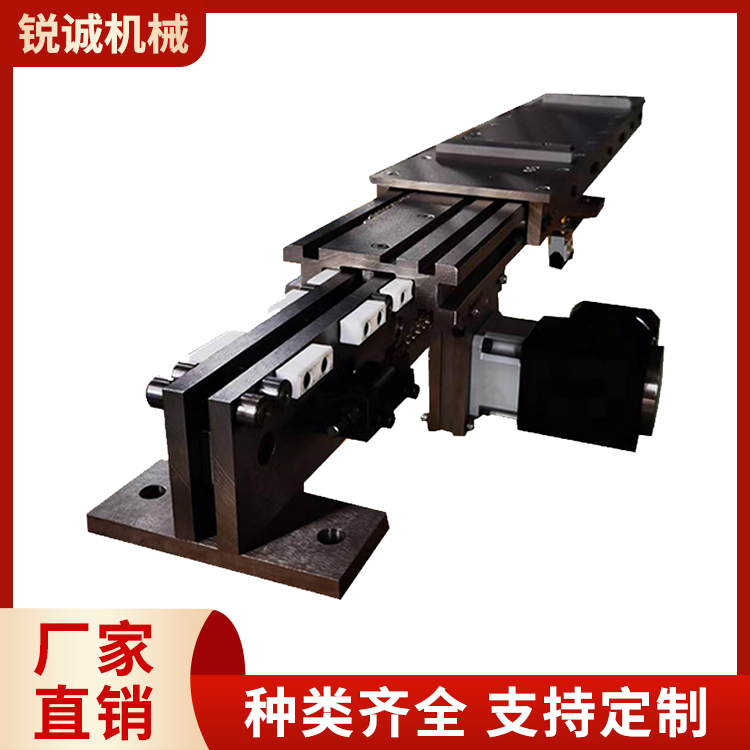
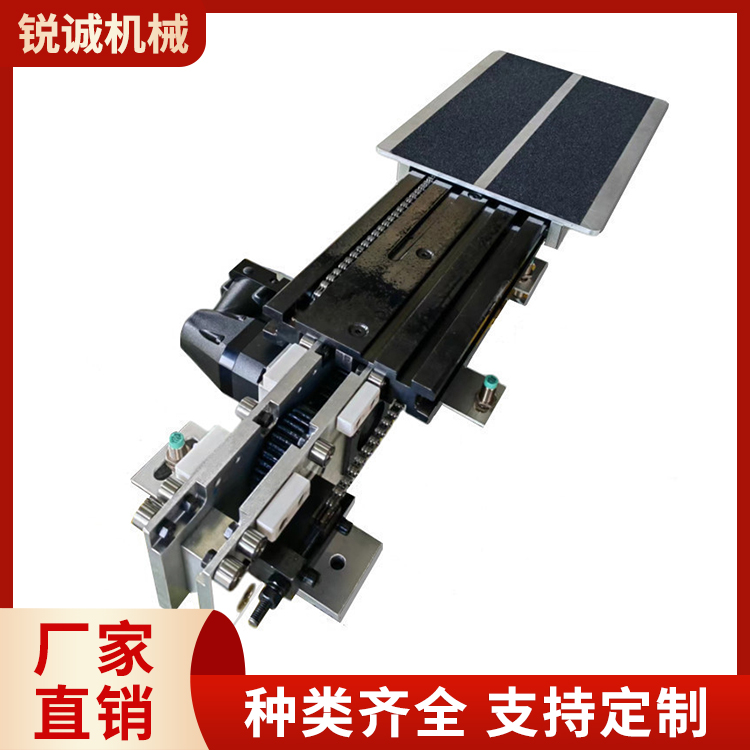
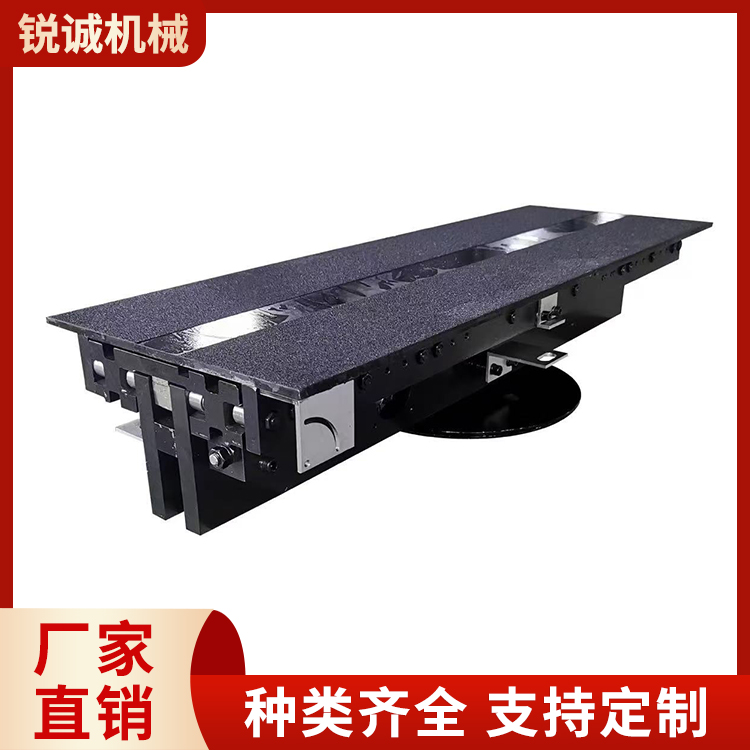
Stacker Forks with Extendable Forks, Automatic Extendable...

The telescopic fork, as a core equipment in the industrial handling field, has become a key factor in enhancing warehouse logistics efficiency and safety through its precise positioning technology. This technology integrates mechanical design, sensor perception, and intelligent control. The following is a deep analysis from three dimensions: the technical principle, application scenarios, and industry practices.
I. Core Architecture of Precision Positioning Technology
Multimodal Sensor Fusion System
Modern telescopic forks commonly employ a combination of LiDAR, 3D ToF cameras, and distributed fiber optic sensors. A dual deep fork integrates a 3D ToF camera (accuracy ±1mm) for real-time capture of the cargo outline, while simultaneously monitoring the stress distribution of the arm body through a fiber optic sensor array. This multimodal perception achieves a ±0.2mm repeatable positioning accuracy, an order of magnitude improvement over traditional solutions.
2. Dual closed-loop control system
The hardware employs dual ARM Cortex-M7 processors for collaborative control, ensuring synchronization error of the dual deep-precision transmission system is ≤0.5mm (industry average ≤2mm). On the software side, an adaptive PID algorithm is integrated to dynamically compensate for positioning deviations caused by temperature changes (±50℃) and mechanical wear, maintaining a clamping precision retention rate of >99%.
3. Redundant safety design
To address the complexity of industrial environments, some forks are equipped with dual CPU controllers and a redundant multiple sensor scheme. For instance, a load safety system may simultaneously utilize both rope sensors and counting sensors to measure lifting height, while fork weight sensors and pressure sensors monitor the load weight. In the event of a failure in any channel, the other channel can seamlessly take over control, ensuring an emergency braking response time of less than 50ms.
Typical Application Scenarios and Technological Value
Automated Vertical Storage Warehouse
In a three-dimensional storage project for a fine chemical industry, the four-section double-deep fork length reaches 1800mm, working in conjunction with the four-directional shuttle robot on the pallets to achieve a dense storage of 6309 locations. This storage capacity is 8 times greater than that of a traditional warehouse in the same area. The ±2mm positioning accuracy ensures an inventory handling efficiency of 132 trays per hour, processing an average of 900 tons of goods daily, a 300% increase over manual operation efficiency.
2. Dynamic Adaptation of Flexible Production Lines
A car parts production line employs adjustable width gripper forks, which are integrated with a UWB positioning module and a vision sorting system. This allows for 45-second adjustments in the orientation and precise picking of irregularly shaped workpieces. The system supports adaptive adjustments within a load range of 5% to 120%, effectively reducing downtime caused by changes in workpiece sizes.
3. High-risk Environment Operations Protection
In the tobacco warehousing scenario, the forklift's forks achieve three-dimensional positioning through laser ranging and rotary encoders. Coupled with regular calibration using the balanced sampling inventory method, the collision rate of the forks is reduced from 2-3 times per year to nearly zero. Additionally, the positioning accuracy requirements of ±3mm in the vertical direction and ±10mm in the horizontal direction significantly reduce the risk of high-altitude drop.
III. Technological Advancements and Industry Trends
1. Upgrade of Intelligent Algorithm
Deep learning technology is being introduced into the fork control field. A real-time correction system, utilizing a two-level algorithm (first-level filtering point cloud data, second-level calculating compensation values), dynamically adjusts the fork posture within an AGV travel of 50cm, enhancing the picking accuracy from ±5mm to ±1mm. This "on-the-move correction" approach breaks the limitations of traditional static positioning.
2. Green Energy-Efficient Design
The new generation forklift features a carbon fiber composite arm and regenerative braking technology, reducing energy consumption by 50% (from 1.2kWh per thousand cycles to 0.6kWh per thousand cycles). Self-lubricating tracks and an intelligent wear monitoring system extend maintenance cycles from 800 hours to 3,000 hours, significantly cutting operation and maintenance costs.
3. Human-Machine Collaborative Innovation
The application of capacitive 3D force feedback gloves allows operators to achieve ±0.3mm precision control by sliding their thumb, boosting efficiency by 200% compared to traditional handle operations. This "intuitive" interaction is reconstructing the human-machine collaboration model in industrial handling.
Four: Technical Challenges and Response Strategies
Environmental Interference Suppression
In dusty environments, LiDAR systems are prone to scattering interference. Solutions include using fiber-optic LiDAR with a wavelength of 1550nm (which improves interference resistance by a factor of 10), or constructing an environmental perception matrix through multi-sensor fusion (laser + infrared + ultrasonic).
2. Long Travel Deflection Compensation
At a 1800mm extension, the fork with four double-deep positions can experience a deflection of up to 5-8mm due to its own weight. By combining a pre-curved design (the arm body being preset with an upward curve) with auxiliary support wheels, the actual deflection can be controlled within ±1.5mm, ensuring stability in goods handling.
3. Multi-device Coordination
In multi-robot collaborative environments, the 5G + edge computing architecture achieves nanosecond-level synchronization control between forks and AGVs, as well as stackers. A logistics center has utilized this technology to reduce order response time from 30 minutes to 5 minutes, boosting equipment utilization by 40%.
The breakthrough in precise positioning technology has transformed the telescopic fork from a mere mechanical actuator into an intelligent terminal with environmental perception and autonomous decision-making capabilities. With the deep integration of AI, the Internet of Things, and new material technologies, the future fork will advance towards the goal of "micrometer-level precision, full-scenario adaptability, and zero-failure operation," becoming the core engine of logistics intelligence in the Industry 4.0 era.
b2b.china9.net © Zhongshang 114 Hebei Network Technology Co., Ltd.Address: Room 6009, Oriental New World Center, No.118 East Zhongshan Road, Qiaoxi District, Shijiazhuang City, Hebei ProvincePlatform Service Hotline: 4006299930