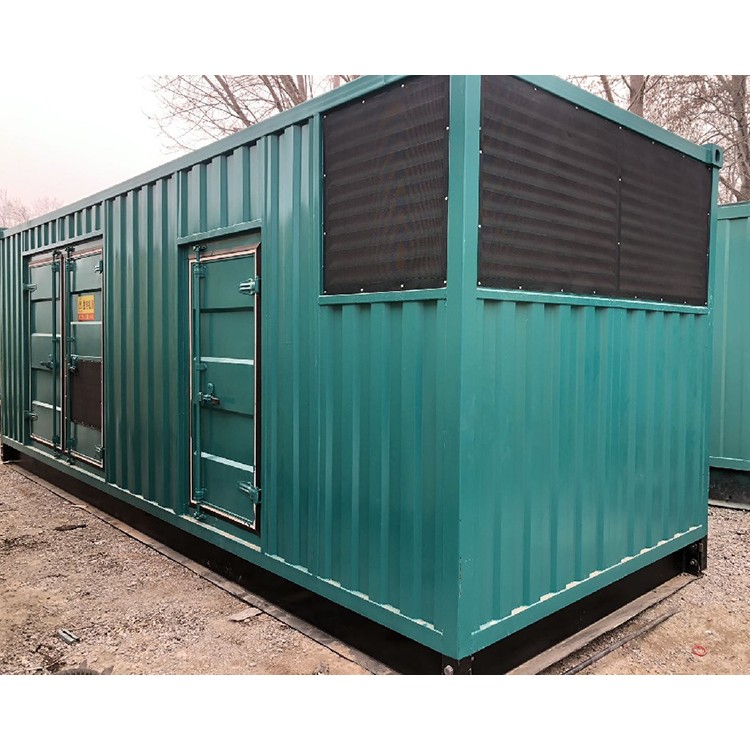
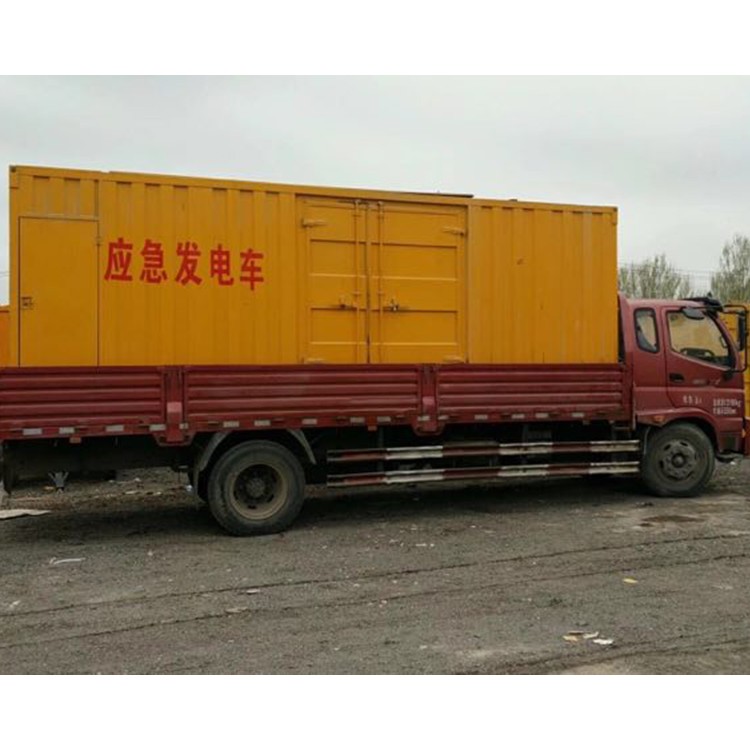
Rentable generator trucks, generator set rentals, emergen...

Generators and electric motors are both common mechanical equipment, but do you know the principles and differences between them?
Generator
A generator is a mechanical device that converts other forms of energy into electrical energy. It is driven by turbines, such as hydro turbines, steam turbines, diesel engines, or other power mechanisms. These convert the energy from flowing water, air currents, fuel combustion, or nuclear fission into mechanical energy, which is then transmitted to the generator and converted into electrical energy.
Generators are widely used in industrial and agricultural production, technology, and daily life. There are many types of generators, but their working principles are all based on the laws of electromagnetic induction and electromagnetic force. Therefore, the general principles of their construction are: to form magnetic and electrical circuits that interact through electromagnetic induction using appropriate magnetic and conductive materials, in order to produce electromagnetic power and achieve the goal of energy conversion.
Electric Motor
An electric motor is a device that converts electrical energy into mechanical energy. It operates by using a通电线圈 (i.e., the stator winding) to produce a rotating magnetic field, which then acts on the rotor (such as a squirrel-cage closed aluminum frame) to create magnetic electrodynamic rotational torque. Electric motors are categorized into直流电动机 (DC motors) and交流电动机 (AC motors) based on the power source they use, with most motors in electrical power systems being AC motors, which can be either synchronous or asynchronous motors (where the stator magnetic field speed does not maintain a synchronous speed with the rotor's rotational speed). Electric motors are mainly composed of the stator and the rotor, and the direction of movement of the conductive wire in the magnetic field is related to the direction of the current and the magnetic field lines. The working principle of the electric motor is the interaction of the magnetic field with the current force, causing the motor to rotate.
One, similarities between the two
1. Constructed similarly. Both consist of coils, magnets, commutators, and brushes.
2. Components are connected in the same manner. All components are arranged in series to form the circuit.
3. Both are affected by the direction of the magnetic field; the direction of the current generated in generators is related to the magnetic field direction; the direction of force on the coil in motors is related to the magnetic field direction.
Section Two: Differences Between the Two
1. Different Principles. Generators are made based on the electromagnetic induction phenomenon; motors are created according to the principle of a current-carrying conductor moving in a magnetic field.
2. Different judgment methods. In generators, the direction of current is determined using the right-hand rule; in motors, the direction of conductor movement is determined using the left-hand rule.
3. The purpose and energy conversion differ. Generators require external work to convert mechanical energy into electrical energy; motors perform external work to convert electrical energy into mechanical energy.


b2b.china9.net © Zhongshang 114 Hebei Network Technology Co., Ltd.Address: Room 6009, Oriental New World Center, No.118 East Zhongshan Road, Qiaoxi District, Shijiazhuang City, Hebei ProvincePlatform Service Hotline: 4006299930