





- AllProduct Category
-
Detachable Plate Heat Exchanger
Brazed Plate Heat Exchanger
Plate Heat Exchanger Hydraulic Press
Wire Wound Hydraulic Press
Wire Winding Machine
Wire Coiling Outsource Processing
Powder Molding Hydraulic Press
Die Forging/Hydraulic Forging Press
Hydraulic Bottoming Machine
Ultra-High Pressure Hydraulic Series
Plate Heat Exchanger Frame Plate
Heat Recovery System/Heat Exchanger Unit





详情描述
Wire Winding Hydraulic Press
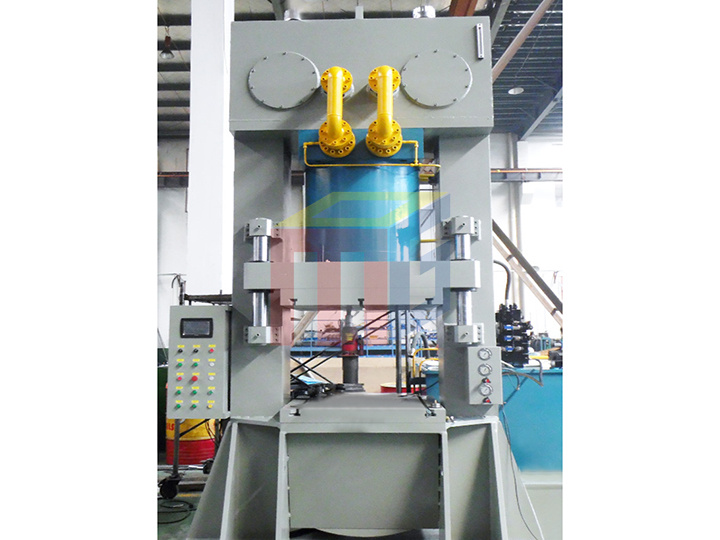
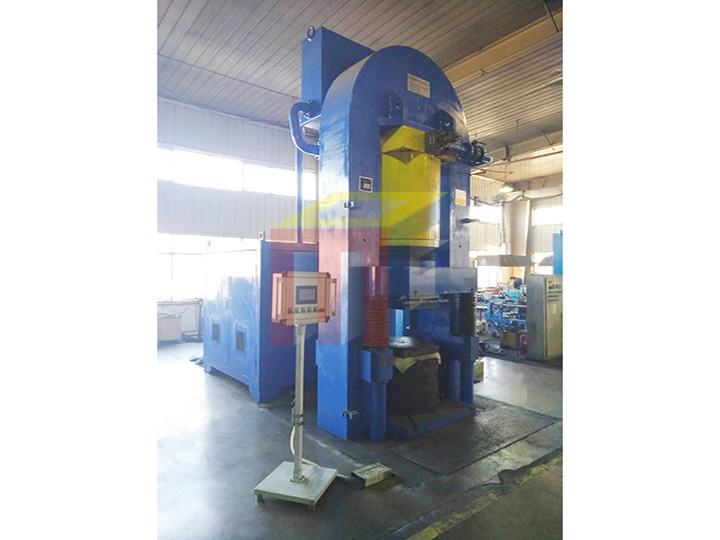
Wire Wound Non-Ferrous Metal Cold Forging Hydraulic Press Wire Wound Ultra-Hard Alloy Molding Hydraulic Press
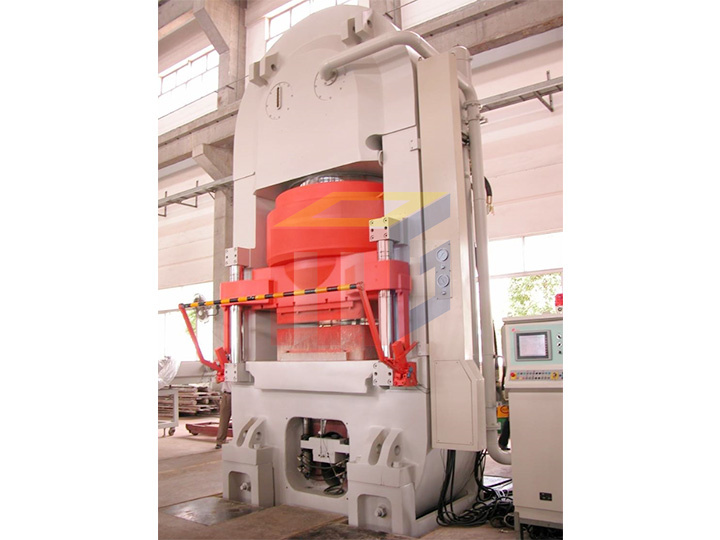
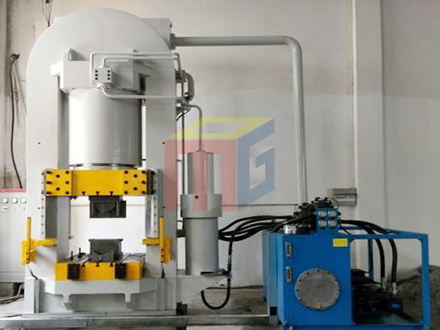
Ceramic Wire Winding Hydraulic Press Wire Winding Hydraulic Press
Wire Winding Hydraulic Press Categories
A wire-wound hydraulic press is a machine that uses liquid as the working medium, manufactured according to Pascal's principle to transmit energy for various processes. Generally, a wire-wound hydraulic press consists of three main parts: the machine itself (the main unit), the power system, and the hydraulic control system. The wire-wound hydraulic press, also known as an oil press, is a mechanical device that uses liquid pressure transmission, based on Pascal's law. There are many types of wire-wound hydraulic presses. Of course, their applications are also diverse according to different needs. When classified by the type of liquid used to transmit pressure, there are two main categories: oil presses and water presses. Water presses generate a higher total pressure and are commonly used for forging and stamping. Forge water presses are further divided into die forging water presses and free forging water presses. Die forging water presses require molds, whereas free forging water presses do not. The wire-wound hydraulic press is a machine that uses liquid as the working medium to transmit energy for various processes. In addition to being used for forging and forming, it can also be used for straightening, assembly, packing, block pressing, and plate pressing, among others.
The wire-wound hydraulic presses include both water presses and oil presses. Those using water-based liquids as the working medium are called water presses, while those using oil are called oil presses. The specifications of wire-wound hydraulic presses are generally expressed in terms of nominal working force (kN) or nominal tonnage (tons). Forge-type wire-wound hydraulic presses are mostly water presses with higher tonnage. To reduce the size of the equipment, large forging water presses often use higher pressures (around 35 MPa) and sometimes ultra-high pressures above 100 MPa. Wire-wound hydraulic presses for other applications typically use working pressures of 6 to 25 MPa. The tonnage of oil presses is lower than that of water presses. The working principle of wire-wound hydraulic presses. The areas of the large and small plungers are S2 and S1, respectively, and the forces exerted on the plungers are F2 and F1, respectively. According to Pascal's principle, the pressure of the liquid is equal at all points. The hydraulic amplification effect shows that, like mechanical amplification, as the force increases, work does not increase. Therefore, the movement distance of the large plunger is a S1/S2 multiple of the small plunger's movement distance.
The working medium of the wire winding hydraulic press not only transmits pressure, but also ensures that the machine's working components operate sensitively, reliably, have a long service life, and have minimal leakage.
Wire-wound hydraulic presses are available in various structural types, including double-column, four-column, eight-column, welded frame, and multi-layer steel strip winding frames. Medium and small-sized vertical wire-wound hydraulic presses also feature C-shaped frame structures. In the overhead vertical four-column free forging wire-wound hydraulic press, the cylinder is fixed in the upper beam, and the piston rod is rigidly connected to the movable crossbeam, which is guided by the vertical column and moves up and down under the pressure of the working fluid. The movable crossbeam features a working table that can move forward and backward. The upper and lower anvils are installed under the movable crossbeam and on the worktable surface, respectively. The working force is supported by the frame composed of the upper and lower crossbeams and the vertical column. Large and medium-sized free forging hydraulic presses driven by a pump and accumulator typically use three working cylinders to achieve three stages of working force. Additional balance cylinders and return cylinders are also provided to apply force upwards.


