




- AllProduct Category
-
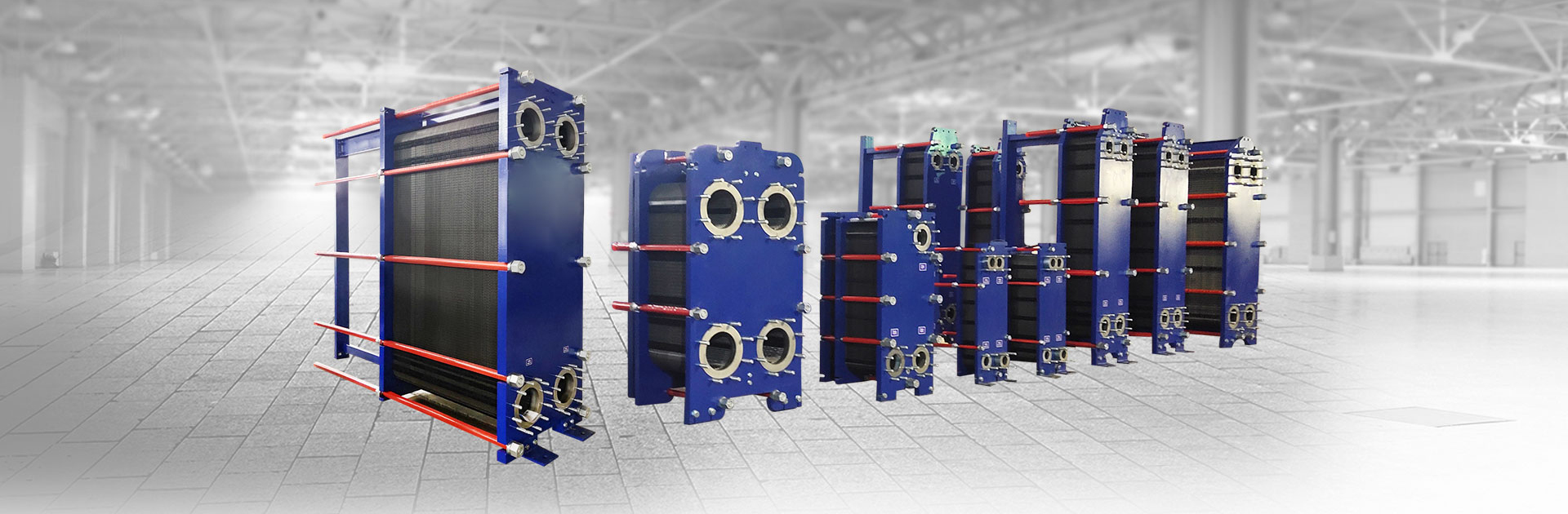
Detachable Plate Heat Exchanger
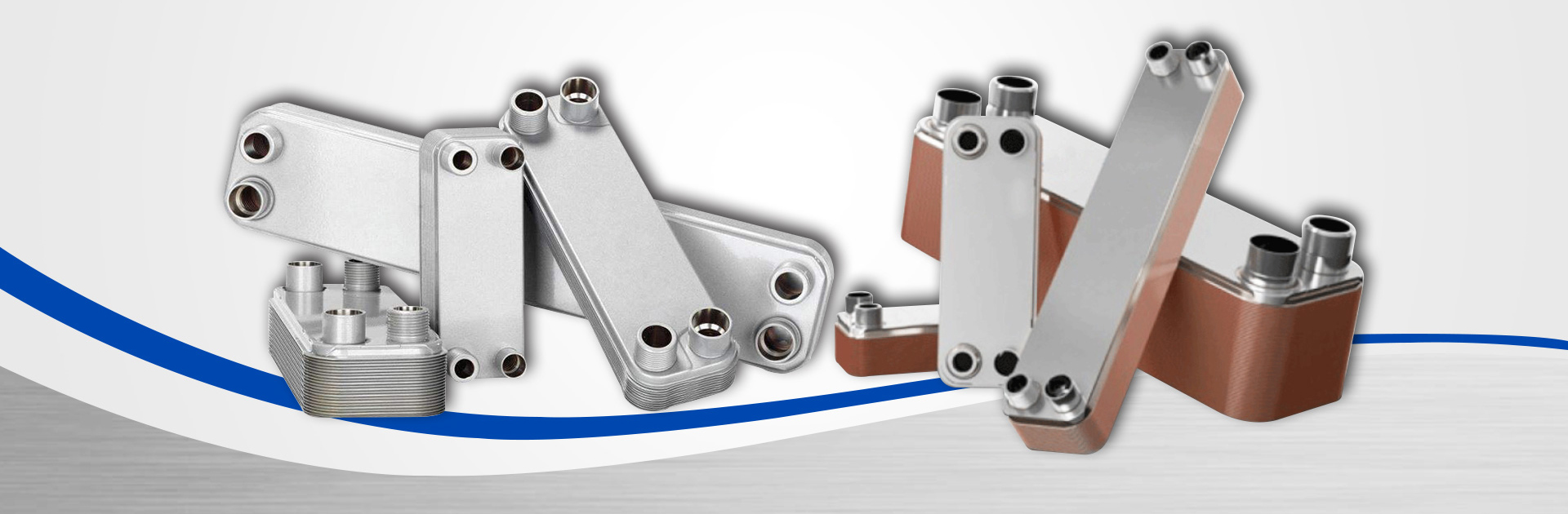
Brazed Plate Heat Exchanger
Plate Heat Exchanger Hydraulic Press
Wire Wound Hydraulic Press
Wire Winding Machine
Wire Coiling Outsource Processing
Powder Molding Hydraulic Press
Die Forging/Hydraulic Forging Press
Hydraulic Bottoming Machine
Ultra-High Pressure Hydraulic Series
Plate Heat Exchanger Frame Plate
Heat Recovery System/Heat Exchanger Unit





详情描述
Engine Assembly
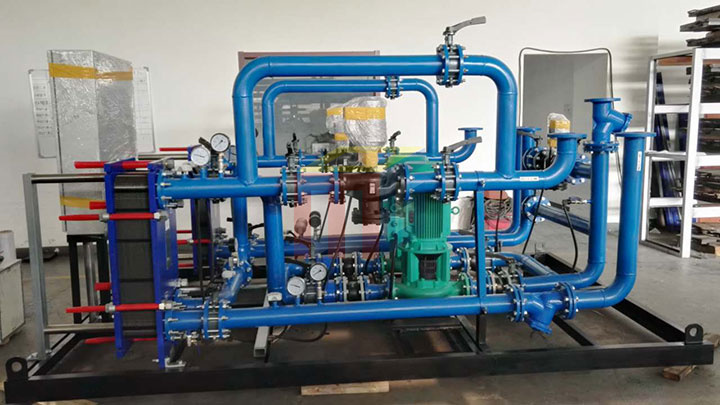
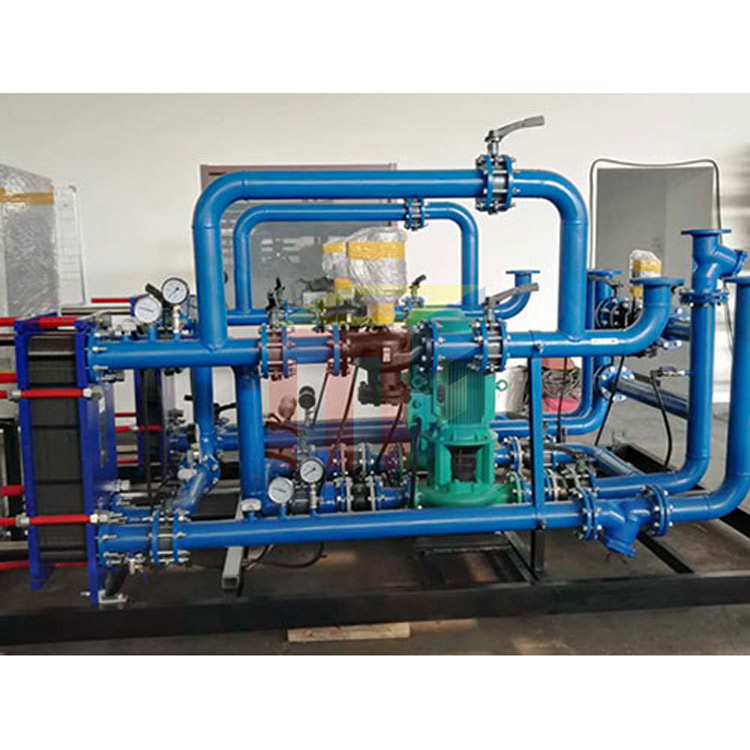
The heat exchanger unit boasts compact structure, reliable operation, and simple and intuitive operation.
Introduction
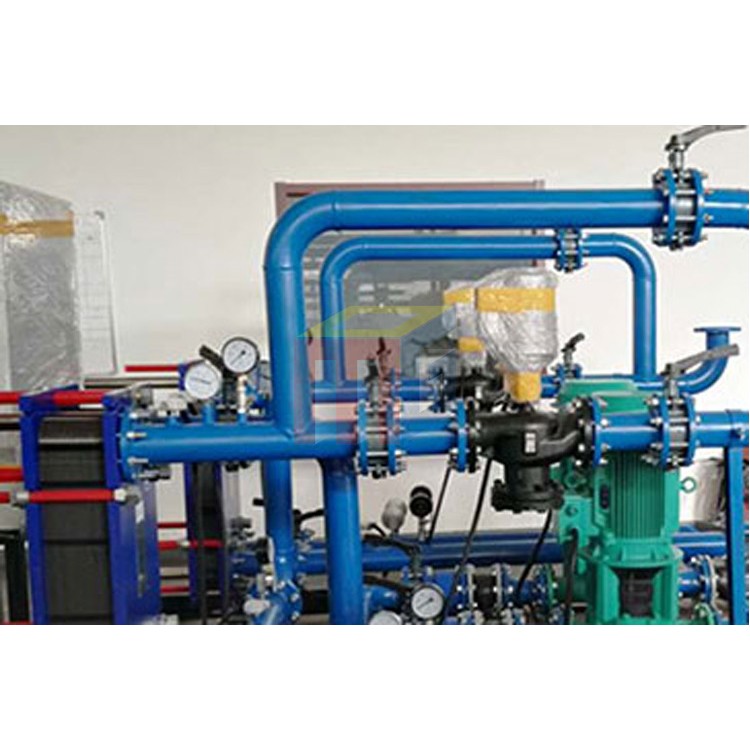
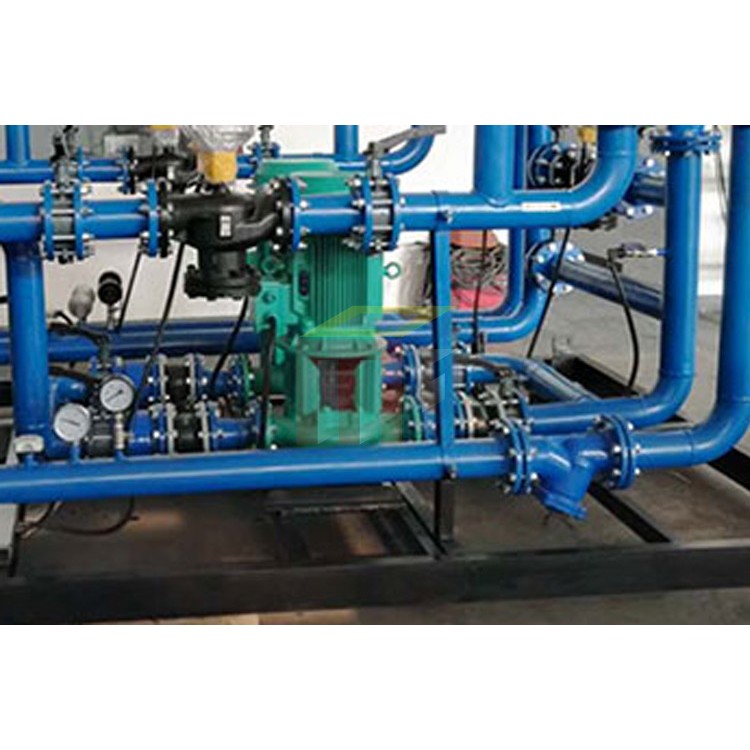
This product is suitable for heating, bathing, and air conditioning systems in residential, government, industrial, hotel, and educational settings. The integrated heat exchanger unit is capable of both water-to-water and steam-to-water exchanges. The unit consists of a heat exchanger, circulating pump, make-up water pump, electrical control cabinet, filter, base, piping, valves, and instruments. It can also be equipped with an automatic pressure maintenance system, water treatment equipment, water tanks, variable frequency pump control, temperature control valves, remote communication control, and more, thereby forming a complete heat exchange station. The unit features standardized and modular design, comprehensive configuration, easy installation, and has been applied in systems such as community centralized heating, central air conditioning, domestic water supply, and industrial process water for enterprises.
Working Principle
The plate heat exchanger unit converts heat obtained from the primary network into the required domestic and heating water for users automatically and continuously. Hot water enters the plate heat exchanger from the primary side inlet of the unit, undergoes heat exchange, and then exits from the primary side outlet. The return water from the secondary side, after being filtered to remove impurities, is pumped into the plate heat exchanger by the secondary side circulating pump for heat exchange. This produces hot water at various temperatures for heating, air conditioning, floor heating, or domestic use, to meet user demands.
The secondary water, after being filtered and cleaned, circulates into the heat exchanger, where it is heated by steam or hot water to provide heating. After entering the plate-type heat exchanger, the steam or hot water transforms into condensate or hot return water, which returns to the heat source to complete the circuit of the primary and secondary heating systems. A feedwater pump injects softened water into the system to maintain constant pressure.
Features
1. Utilizing industrial control computing or an intelligent temperature regulator for smart water temperature control, ensuring that the supply temperature adjusts programmatically with the outdoor environment, standard room temperature, and time, resulting in high-quality heating.
2. Industrial control computers display, store, and print various operating parameters, including: heat medium flow rate, heat medium temperature, heat medium pressure, heat supply, outdoor temperature, standard room temperature, supply water temperature, condensate water temperature, supply water pressure, etc.
3. During steam-to-water heat exchange, incorporate a condensate heat exchanger section and control the condensate temperature to maximize the utilization of condensate heat.
4. The system is equipped with variable frequency control, automatic water replenishment, and stable pressure.
5. Utilizing high-performance stainless steel plate heat exchangers, the unit has a compact size and minimal land area requirement.
6. The circulating pump is variable-frequency and variable-speed.
7. Standard modular design allows for flexible selection of control content based on user needs, reducing investment.
8. The operating parameters are centrally displayed in digital format, for easy and reliable access.
9. The plate heat exchanger unit features a compact structure, utilizing our company's high-efficiency and compact plate heat exchangers, along with superior vertical water pumps, etc. The design is compact, requiring minimal installation space.
10. Easy to operate, with convenient installation and maintenance. The heat exchanger unit's control and heat exchange regulation utilize control components and systems, ensuring reliable performance and high automation. Minimal training is required to master the operation of the heat exchanger unit.


