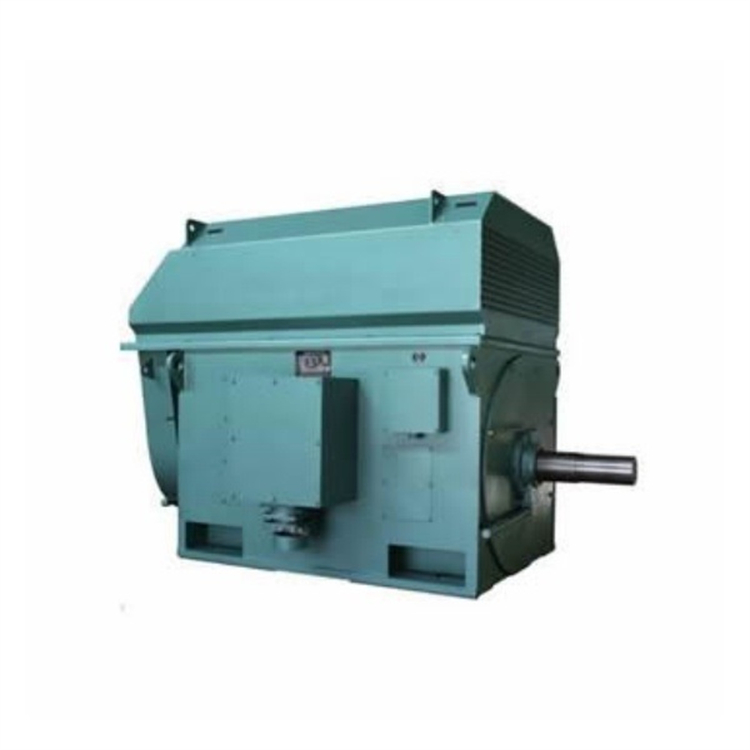
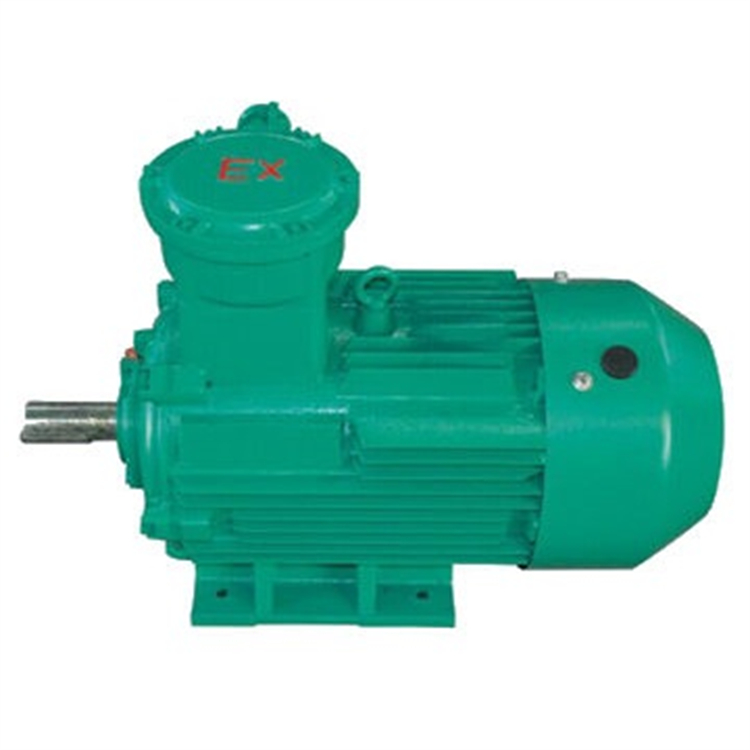
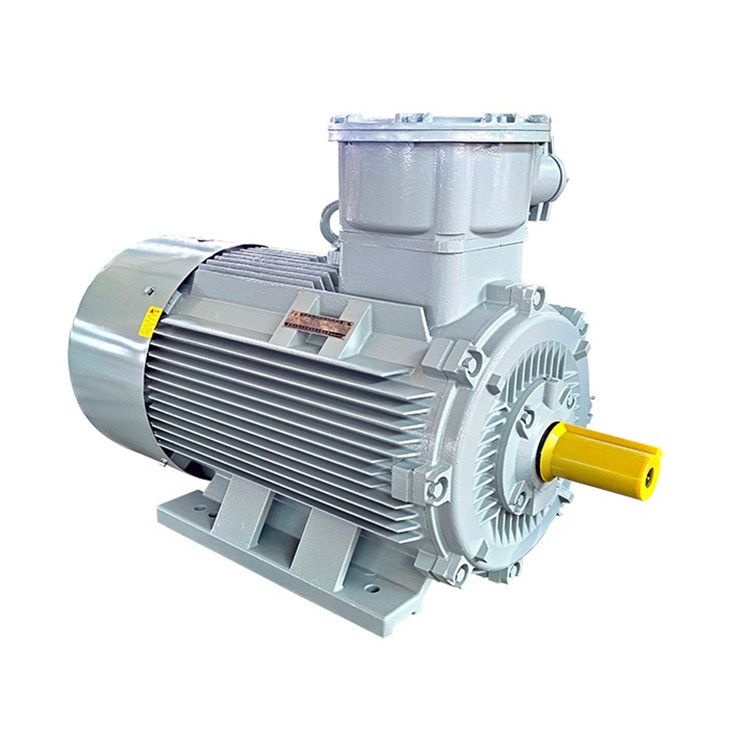
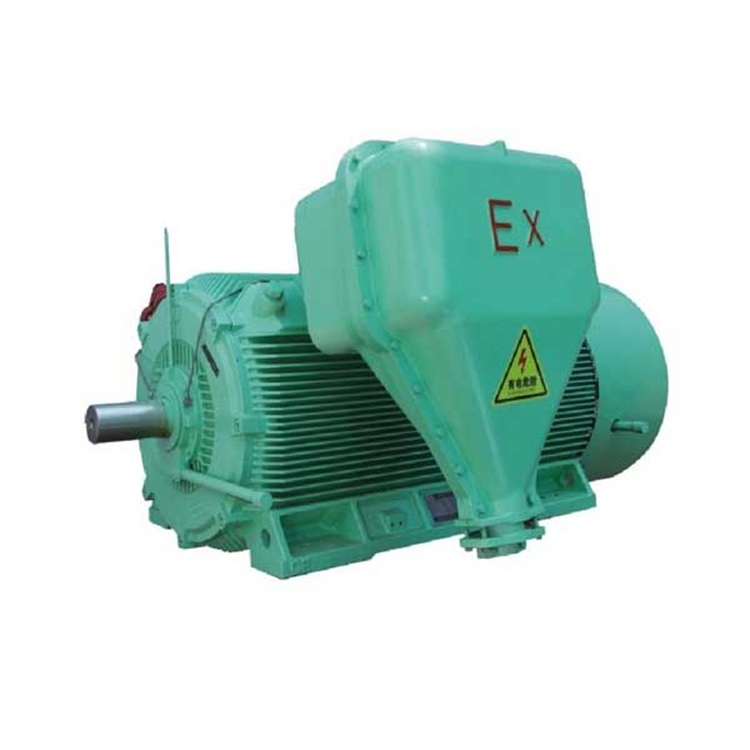
For decades, we have provided high-quality explosion-proo...

To assist you in addressing this issue, I have compiled and edited a wealth of information for reference and learning, including various explosion-proof motor models, classifications, protection levels, national standards parameters, and installation methods.
Explosion-proof electric motor modelPlease refer to the following table for the meanings of the letters:
Y - Represents "Asynchronous Motor"
B-Represents "Explosion Proof"
X stands for "High Efficiency and Energy Saving"
2- Product Design Sequence No., indicating the 2nd design iteration.
3rd Product Design Serial Number, indicating the third design iteration.
YB - Represents "Explosion-proof asynchronous motor"
A- Represents "Enhanced Safety" Type
K-Product feature code, indicating mine-specific.
YA stands for explosion-proof asynchronous motor
The letter "F" stands for "Ventilation" and "Dust," for example, YBF represents an explosion-proof asynchronous motor for fans, while YFB denotes a dust-proof electric motor.
S-series represents motors for "water" cooling and conveyor use, such as YBS for explosion-proof asynchronous motors used in conveyors, and YBSS for water-cooled explosion-proof asynchronous motors used in conveyors.
EExd-Explosion-proof motor.
EExe-Safety-Enhanced Electric Motors
Explosion-proof motors EExd and increased safety motors EExe areThere is no Chinese content provided.Two common types of explosion-proof motors, the EExd application environment area is higher than that of EExe.
Motor base frame number example:
YBX3-355M1-4w Explosion-proof Motor Model
Y—Asynchronous Motor; B—Explosion-proof; X—High Efficiency; 3—3rd Generation Explosion-proof Motor (Design Sequence No.); 355—Center Height 355MM; M—Medium Foot; 1—Comprehensive Length No. 1; 4—Number of Electrodes; W—Special Code (Outdoor Type)
IEC Explosion Protection Standards Format: Ex(ia)ⅡC T4
E: Recognized by CENELEC logo; Ex: Explosion-proof general symbol; IA: Explosion-proof type (intrinsically safe); II: Equipment group; C: Gas group
Explosion-proof motors generally require an explosion-proof certificate upon purchase. They are primarily used in coal mines, oil and natural gas, petrochemical, and chemical industries.
The rated voltage, rated current, power, and speed of explosion-proof motors are the same as those of ordinary motors; the only difference is that explosion-proof motors have an additional explosion-proof symbol: Ex.
Intrinsically Safe Type + Equipment Category + (Gas Group) + Temperature Group Intrinsically Safe.
Blast-proof certificates are generally issued by national departments, and their authenticity and validity can be verified online. For related factories, this certificate is necessary to ensure the safety and compliance of explosion-proof motors.
Our country's explosion-proof grade standard is "GB3836.1-2000 Electrical Equipment for Explosive Gas Atmospheres," which will be supplemented or modified by the following specialized standards for explosion-proof types.
GB 3836.2 Electrical Equipment for Explosive Gas Atmospheres – Part 2: Intrinsic Safety "d"
GB 3836.3 Electrical equipment for explosive gas atmospheres – Part 3: Increased safety "e"
GB 3836.4: Electrical Equipment for Explosive Gas Atmospheres – Part 4: Intrinsic Safety "i"
GB 3836.5: Part 5 - Electrical Equipment for Explosive Gas Atmospheres: Type "p" - Pressurized Equipment
GB 3836.6: Part 6 - Electrical equipment for explosive gas atmospheres: Oil-filled "O" type
GB 3836.7: Part 7 of Electrical Equipment for Explosive Gas Atmospheres: Sand-filled Type "q"
GB 3836.9 Electrical equipment for explosive gas atmospheres — Part 9: "m" type for casting-in enclosures
GB 7957 Mining Safety Helmet Lamp
The above standards and this standard do not apply to medical electrical equipment, detonators, detonator testers, and ignition circuit testers.
Common symbol is "ExdⅠ/Ⅱ BT3"
"Ex" is a general symbol indicating explosive.
The "d" indicates that the explosion-proof type is "dust-proof type d".
"I" or "II" denote electrical equipment classifications, with "I" referring to electrical equipment for coal mines and "II" for equipment used in explosive gas environments other than coal mines. Among the II category, explosion-proof "d" and intrinsic safety "i" electrical equipment are further divided into IIa, IIb, and IIc classes. "T3" indicates the temperature group. For specific classifications and meanings, please refer to "GB3836.1-2000 Electrical Equipment for Explosive Gas Atmospheres."
The National Product Quality Supervision and Inspection Institution authorized by the General Administration of Quality Supervision, Inspection and Quarantine of the People's Republic of China and the National Safety Production Supervision and Management Bureau's authorized Class A National Safety Production Inspection and Testing Institution, it is the only national explosion-proof electrical product quality supervision and inspection center recognized by the China National Accreditation Service for Conformity Assessment (CNAS) and authorized by the China Certification and Accreditation Administration (CNCA); it is also recognized as an import and export explosion-proof electrical product verification testing institution by the National Import and Export Commodity Inspection Laboratory Accreditation Committee.
1. JB/T 9593.1-2002 Technical Conditions for Explosion-Proof Three-Phase Asynchronous Motors for Coal Mines, Part 1: YBK2 Series Explosion-Proof Three-Phase Asynchronous Motors for Underground Coal Mines (Frame Sizes 100-315)
2 JB/T 10685-2006 YBD2 Series Explosion-Proof Variable Pole/Multi-Speed Three-Phase Induction Motors Technical Specifications (Basis Frame Size 80-280)
JB/T 6201-2006 YBDC2 Series Explosion-Proof Capacitor-Starting Single-Phase Induction Motors (Frame Sizes 71 to 132) Technical Specifications
YW Series Non-Explosion Type Three-Phase Asynchronous Electric Motors Technical Specifications (Frame Sizes 80-315)
5 MT 451-1995: General Technical Specification for Safety Performance of Explosion-Proof Low-Voltage Three-Phase Asynchronous Motors for Coal Mines
6 JB/T 7565.2-2002 Explosion-Proof Three-Phase Asynchronous Electric Motors Technical Conditions Part 2: YB2-W, YB2-TH, YB2-THW, YB2-TA, YB2-TAW Series Explosion-Proof Three-Phase Asynchronous Electric Motors (Frame Sizes 63 to 355)
JB/T 10352-2002 YFB Series Dust-Ex-proof Three-Phase Asynchronous Motors (Frame Sizes 63 to 355) Technical Specifications
8 JB/T 10353.1-2002 Explosive-proof motor technical specifications for fuel dispensing pumps, Part 1: YBJY series explosive-proof three-phase asynchronous motors for fuel dispensing pumps (frame sizes 63-100)
9 JB/T 7565.4-2004 Technical Conditions for Explosion-Proof Three-Phase Asynchronous Motors, Part 4: YB2 Series Explosion-Proof (ExdⅡCT1~T4) Three-Phase Asynchronous Motors (Frame Sizes 63~355)
10 JB/T 7565.5-2004 Technical Conditions for Explosion-Proof Three-Phase Asynchronous Motors Part 5: Explosion-Proof Three-Phase Asynchronous Motors for YBF2 Series Fans (Frame Sizes 63 to 355)
11 MT/T 249-1997 Mining Explosion-Proof Double-Speed Three-Phase Asynchronous Motor
12 MT/T 575-1996 Explosion-proof Three-Phase Asynchronous Motors for Pump Stations, YBRB Series
13 JB/T 50136.1-1999 Reliable Performance Evaluation Method for Explosion-Proof Three-Phase Asynchronous Electric Motors (Laboratory Method) (For Internal Use)
14 JB/T 8731-1998 Provisional Regulations for the Manufacturing and Inspection of Soft Connection Structures for Explosion-Proof Motor Terminal Boxes
15 JB/T 8674-2007 YB2 Series High-Voltage Explosion-Proof Three-Phase Induction Motors Technical Specifications (Frame Sizes 355-560)
16 JB/T 7565.7-2006 Technical Conditions for Explosion-Proof Three-Phase Asynchronous Motors - Part 7: Explosion-proof three-phase asynchronous motors for YBGB2, YBGB2-W series pipeline pumps, and outdoor pipeline pumps (frame sizes 80-315)
17 JB/T 7565.6-2004 Technical Conditions for Explosion-Proof Three-Phase Asynchronous Motors, Part 6: YB2-H Series Marine Explosion-Proof Three-Phase Asynchronous Motors (Frame Sizes 63-355)
18 MT 902-2002 Coal Mine Electric Anchor Drill Motor
19 JB/T 7565.1-2004 Technical Conditions for Explosion-Proof Three-Phase Asynchronous Electric Motors, Part 1: YB2 Series Explosion-Proof Three-Phase Asynchronous Electric Motors (Frame sizes 63 to 355)
20 JB/T 50136.2-1999 Explosion-Proof Type Three-Phase Asynchronous Motor Explosion-Proof Components Reliability Criteria Evaluation Method (Laboratory Method) (For Internal Use)
21 JB/T 7565.3-2004 Technical Conditions for Explosion-Proof Three-Phase Asynchronous Motors, Part 3: Explosion-proof, outdoor-resistant three-phase asynchronous motors of the YB2-F1, YB2-WF1, YB2-F2, YB2-WF2 series (frame sizes 63-355)
In a very short span of time, a massive release of energy occurs, generating high temperatures and expelling a large volume of gases, creating high pressure in the surrounding medium through a chemical reaction or state change. The rapid release of energy will subject the surrounding objects to a violent impact and destruction.
Three Necessary Conditions for an Explosion: 1) Explosive Material: Substances that can react with oxygen (air), including gases, liquids, and solids. (Gases: hydrogen, acetylene, methane, etc.; Liquids: alcohol, gasoline; Solids: dust, fibrous dust, etc.) 2) Oxygen: Air. 3) Ignition Source: Includes open flames, electrical sparks, mechanical sparks, static sparks, high temperatures, chemical reactions, and light energy.
Explosive Materials: Many production sites generate combustible substances. About two-thirds of underground coal mine areas have explosive materials; in the chemical industry, over 80% of production workshop areas contain explosive materials. Oxygen: Oxygen in the air is omnipresent. Ignition Sources: During the production process, the extensive use of electrical instruments, various frictional sparks, mechanical wear sparks, static sparks, and high temperatures are unavoidable, especially when instruments or electrical equipment fail. Objectively, many industrial sites meet the conditions for explosion. When the mixture of explosive substances and oxygen reaches the explosive limit, an explosion can occur if an ignition source is present. Therefore, implementing explosion-proof measures is crucial.
Factory or mine explosion hazard media are scientifically classified and graded based on their ignition energy, minimum ignition temperature, and the duration of the presence of explosive hazardous gases in the field, to determine the explosion-proof marking and type of explosion-proof equipment on site.
Explosion-proof marking format:
Ex (ia) ⅡC T4
Explosion-Proof Marking | Explosion Proof Grade | Gas Group | Temperature Group
Flameproof Rating Explanation:
ia Level:
Electrical equipment that cannot ignite explosive gas mixtures under normal operation, a single fault, or two faults.
During normal operations, the safety factor is 2.0.
In the event of a failure, the safety factor is 1.5.
At two failures, the safety factor is 1.0.
Note: Spark-generating contacts must be enclosed in an explosion-proof housing, airtight housing, or have their safety factor doubled.
ib Rating:
Electrical equipment that cannot ignite explosive gas mixtures under normal operation or during a fault.
During normal operation, the safety factor is 2.0; in the event of a single fault, the safety factor is 1.5.
During normal operation, contact points with sparks must be protected by explosion-proof or airtight casings, and include fault self-indicating measures. The safety factor during a fault is 1.0.
Explosion-proof motors can be divided into two categories:
Ⅰ Class: Underground Coal Mine Electrical Equipment
Class II: Electrical equipment used in all explosive gas environments except for coal mines and underground.
Category II can be further divided into II-A, II-B, and II-C types. Equipment marked as II-B is suitable for use under the conditions of II-A equipment; II-C is suitable for use under the conditions of both II-A and II-B.
Note: The ⅡC marking indicates a higher explosion-proof level, but does not mean the equipment has the best performance.
No Chinese content provided, original return: "蕞"High Surface Temperature: Electrical Equipment Within Specified RangeNo Chinese content provided.Any part of electrical equipment that may ignite an explosive environment when operating under adverse conditions.No Chinese content provided.High temperatures.No Chinese content provided.High surface temperatures should be below flammable temperatures.
For example, if the ignition temperature of an explosive gas in a flameproof sensor environment is 100°C, then the sensor operates...No content provided for translation.Poor working conditions for any component.No Chinese content provided.High surface temperatures should be below 100°C.
Temperature Categories:
T1 | T2 | T3 | T4 | T5 | T6 |
450 ℃ | 300 ℃ | 200℃ | 135 ℃ | 100 ℃ | 85℃ |
Gas Temperature Classification:
Team | Safe Object - Surface Temperature | Explosive Gases |
T1 | ≤ 450℃ | 46 varieties including gas, propylene cyanide, etc. |
T2 | ≤ 300℃ | Acetylene, ethylene, and 47 other types |
T3 | ≤ 200℃ | 36 types of gasoline, butyraldehyde, etc. |
T4 | ≤ 135℃ | Acetaldehyde, tetrafluoroethylene, and other 6 types |
T5 | ≤ 100℃ | Carbon disulfide |
T6 | ≤ 85℃ | Ethyl nitrate and ethyl nitrite |
The explosion-proof grade of electric motors consists of three parts.
1) Different electrical equipment safety classifications in explosive gas areas (Zone 0, Zone 1, Zone 2). For example, selection of rotating motors is categorized into explosion-proof (code d), positive pressure (p), increased safety (e), and non-sparking (n) types.
2) Classification of flammable gas or vapor mixtures into three grades: II A, II B, and II C. These classifications are primarily based onNo Chinese content provided.Large Experimental Safety Margin (MESG) orNo Chinese content provided.MICR, which stands for Magnetic Ink Character Recognition, is used to distinguish them.
3) Temperature classification for igniting certain mediums. Mainly divided into T1 - 450°C.
Protection Level:
0 Unprotected Motors – No special protection required; no testing necessary, but should comply with Section 2.1.
The motor with protection against solids larger than 50mm can prevent large-area accidental human contact or proximity to the shell's live or rotating parts. It also prevents solid objects with a diameter larger than 50mm from entering the shell.
Motor with protection greater than 12mm solids can prevent solid foreign objects with a diameter greater than 12mm from entering the housing.
The motor offers protection against solids larger than 2.5mm, preventing tools or wires with a diameter larger than 2.5mm from contacting or approaching the live or rotating parts inside the housing.
Motor with protection greater than 1MM solid prevents wires or strips thicker than 1MM from touching or approaching the charged or rotating parts inside the housing.
5 Dustproof Motor - Withstands splashes from any direction without harmful effects.
Unprotected Motor; No Specific Protection
1. Drip-Proof Motor: Vertical Dripping Should Have No Harmful Effects
2 The 15-degree Motor – When the motor tilts from the normal position to any angle within 15 degrees, the vertical dripping should have no harmful effects.
The waterproof motor should have no harmful effects within a 60-degree angle range from the vertical line.
4 Splashproof Motor - Withstands splashes from any direction without harmful effects.
The 5-Directional Waterproof Motor can withstand water sprays from any direction without causing any harmful effects.
The wave-resistant motor should not allow water intake to reach a harmful level when subjected to violent wave impacts or strong jets of water.
7 Waterproof Electric Motors - When the motor is immersed in water at a specified pressure for a designated period, the amount of water entering the motor should not reach a harmful level.
The 8潜水 motors are designed to operate submerged for extended periods under the specified conditions of the manufacturing plant. While typically waterproof, some models may allow water entry, but it should not reach a harmful level.
The application of protection ratings in industry is generally: IP65.No Chinese content provided.The high-grade protection is IP68, whereas the lower-grade protection is IP54. IP is an abbreviation, with the digits 5 and 4 representing the first and second marking numbers, respectively. The first marking number indicates the degree of contact protection and protection against foreign objects, while the second marking number denotes the waterproofing protection level.
Available in explosion-proof asynchronous motors, explosion-proof synchronous motors, and explosion-proof DC motors, etc.
The products can be categorized into explosion-proof motors for underground coal mines and those for factory use.
The range includes explosion-proof motors, increased safety motors, positive pressure motors, non-sparking motors, and dust explosion-proof motors.
Coal mine conveyor belt explosion-proof motorsSpecial Explosion-Proof Electric Motors for Coal Mine WinchesExplosion-proof motors for rock drills, local ventilation fans in coal mines, valve use, high-noise explosion-proof fans, shipboard explosion-proof motors, lifting and metallurgical explosion-proof motors, and brushless excitation synchronous motors for hydrogenation unit accessories. Additionally, they can be categorized by technical specifications such as rated voltage, efficiency, including high-voltage explosion-proof motors, high-efficiency explosion-proof motors, high-slip rate explosion-proof motors, and high-starting torque explosion-proof motors.
Common installation methods for explosion-proof motors include:
B3, B5, B34, and B35 installation methods.
Code B3: Bearings are for two end covers; Base: With footings; Shafts: With shaft extensions; Mounting Type: Installed on a foundation structure.
Code B5: Bearings are for two end covers; Base: Without base feet; Shafts: With shaft extension; Mounting Type: Flange mounting. Structural Features: The end covers are equipped with flanges, which have through-holes, located at the D end.
Code B35: Bearings for two end covers; Base: With foot; Shafts: With shaft extension; Mounting Type: Installed on foundation members using the foot and flanged mounting. Structural Features: End covers with flanges, flanges with through holes, flanges at the D end.
Code B34: Bearings are for two end caps; Base: With foot; Shaft Extension: With shaft extension; Mounting Type: Installed on foundation components using the foot and flanged flat mounting. Structural Features: End caps with flanges, flanges with screw holes and a stopper, flanges at the D end.
b2b.china9.net © Zhongshang 114 Hebei Network Technology Co., Ltd.Address: Room 6009, Oriental New World Center, No.118 East Zhongshan Road, Qiaoxi District, Shijiazhuang City, Hebei ProvincePlatform Service Hotline: 4006299930