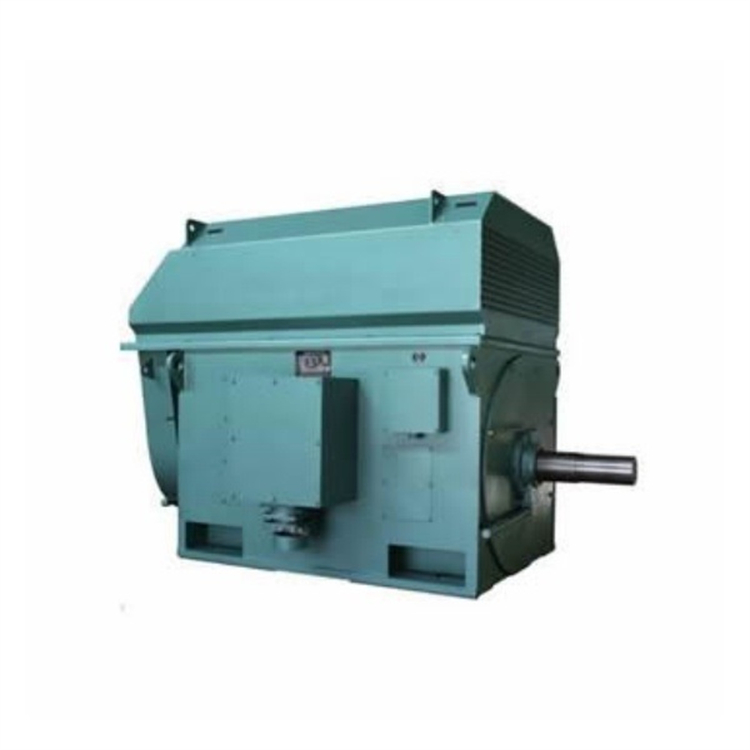
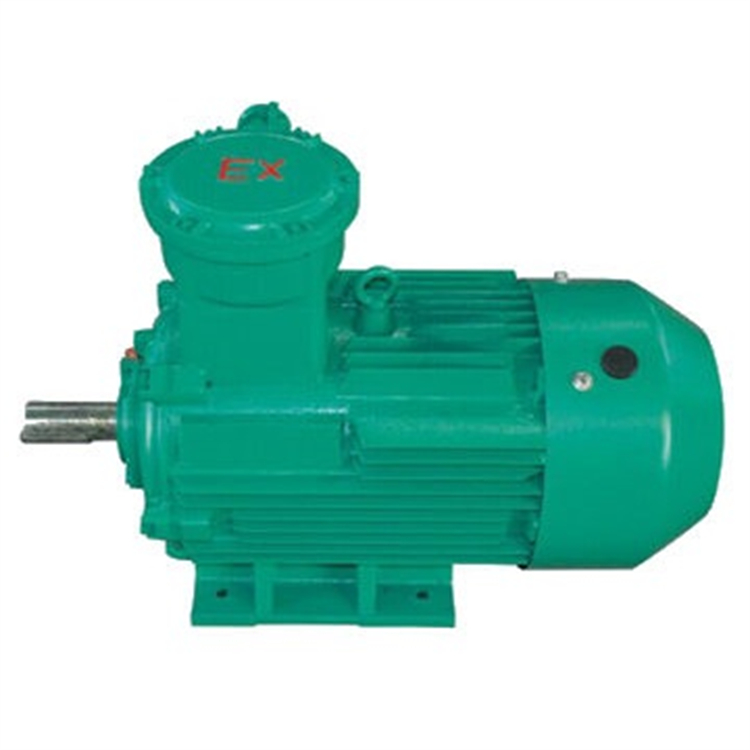
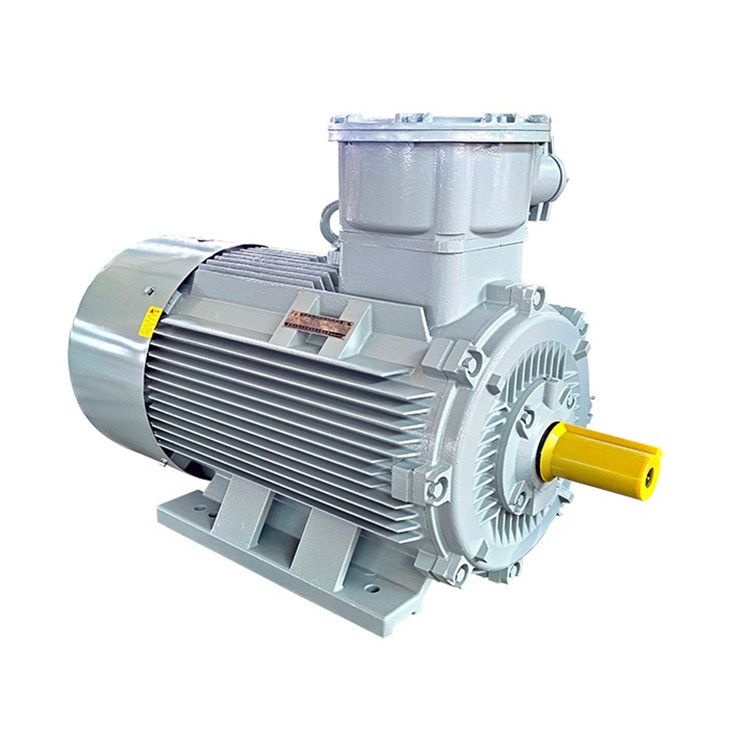
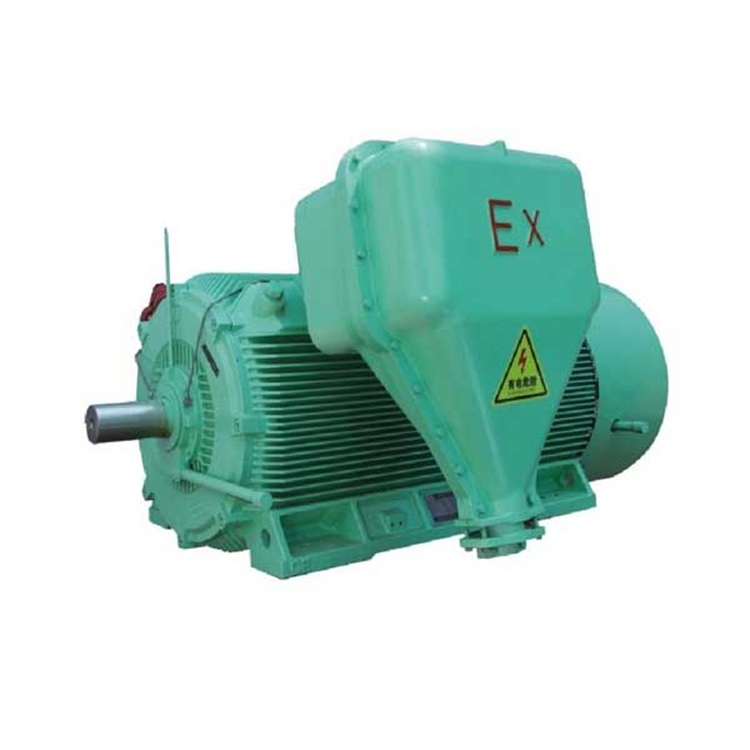
For decades, we have provided high-quality explosion-proo...

Products used in many industries require time for updates and the development of new models to replace outdated ones. This is no different in the electric motor industry. Many customers overlook some basic knowledge when selecting explosion-proof motors, which can also cause certain issues for them. Next, let's take a look at what we need to know.Explosion-proof Electric MotorWhat are the basic foundations?
1 General Terms
1.1 Explosion-proof electrical equipment: Electrical equipment that will not cause ignition of the surrounding explosive atmosphere under specified conditions.
1.2 Categories of electrical equipment for explosive environments: Divided according to the explosive environments in which electrical equipment is used: Category I: Electrical equipment for use in coal mine shafts; Category II: All other electrical equipment for explosive gas environments, excluding coal mine shafts.
1.3 Highest Surface Temperature: The maximum temperature that the surface or any part of an electrical equipment may reach under the most adverse operating conditions within the specified range, which could potentially ignite an explosive gas environment surrounding it.
1.4 Temperature Groups: The categories of electrical equipment used in explosive environments, divided according to their maximum surface temperature.
1.5 Explosive Atmosphere: An environment where a mixture of flammable gases, vapors, mist, dust, or fibers with air, upon ignition, causes combustion to spread throughout the entire unburned mixture.
1.6 Explosive Gas Atmospheres: Under atmospheric conditions, a mixture of flammable substances in the form of gases, vapors, or mist with air, upon ignition, can cause combustion to spread to the entire unburned mixture.
1.7 Explosive Dust Environments: In atmospheric conditions, combustible dust or fibrous materials mix with air to form a mixture that, upon ignition, can spread the burn to the entire unburned mixture.
1.8 No Chinese content provided.0Zone: Areas where explosive gas environments occur continuously or over a long term.
1.9 No Chinese content provided.1Area: Zones where explosive gas environments may occur during normal operation.
1.10 No Chinese content provided.2Areas: Regions where explosive gas environments are unlikely during normal operation; if they do occur, they are typically short-lived.
1.11 Type Test: A test conducted on one or more electrical equipment manufactured according to a specific design to determine if it meets the requirements of relevant standards.
1.12 Routine Testing: Tests conducted on each electrical equipment during or after the manufacturing process to determine if it meets the specifications of relevant standards.
1.13 Explosion-Proof HousingdA type of explosion-proof design for electrical equipment, which can withstand the internal explosion of flammable mixtures inside the housing without damage, and will not pass through any joints or structural openings of the housing.Please provide the Chinese content you would like translated into American English.Electrical equipment enclosures designed for external explosive environments formed by one or more gases or vapors.
1.14 Enhanced Safety Electrical EquipmenteA type of explosion-proof for electrical equipment. It involves additional measures for electrical equipment that, under normal operating conditions, do not produce arcs or sparks, to enhance their safety and prevent potentially dangerous temperatures, arcs, or sparks from occurring in both internal and external components.
1.15 Limiting temperature of explosion-proof electrical equipment: The highest allowable temperature for electrical equipment or its components. It is equal to the lower of the two temperatures determined under the following conditions:
a) Hazardous temperature for igniting explosive gas environments.
b) Thermal stability temperature of materials used in electrical equipment.
1.16 Enhanced safety electrical equipmenttEAt the highest ambient temperature, after the AC winding reaches the rated operating stable temperature, the starting current begins to flow.IRThe time from the start of the clock until reaching the maximum temperature.
1.17 Operating Temperature: The temperature reached by the equipment during rated operation.
1.18 Shell Protection GradeIP):
Code preceded by complianceIPTo indicate the atmosphere equipment housing
—— Prevent personnel from contacting the live components and moving parts inside the housing.
— Prevent solid particles from entering the interior of the equipment.
Prevent liquid from penetrating into the interior of electrical equipment.
2 Basic Knowledge
2.1 Application Venue
Electrical motors used in explosive gas environments are categorized by their application locations:
ICoal Mine Uses Electric Motor, Marked asExdI。
IIElectrical motors for use in explosive gas atmospheres other than coal mines, marked asExdIIAT4、ExdIIBT4、ExdIICT4; AtIIIn the category of products,IIBOur motors can replaceIIAElectric motorIICOur motor can replaceIIBNo Chinese content provided.IIAElectric Motor.
2.2 Temperature
ForIElectrical equipment should not exceed the maximum surface temperature of:
——150When electrical equipment surfaces may accumulate dust.
——450At temperatures where electrical equipment surfaces do not accumulate dust or when measures are in place to prevent dust accumulation.
ForIIElectrical equipment, temperature rangesT1~T6The group, with its highest surface temperature as listed in the table below:
IIHighest Surface Temperature of Electro-Mechanical Equipment
Temperature Group | Highest Surface Temperature (°C) |
T1 | 450 |
T2 | 300 |
T3 | 200 |
T4 | 135 |
T5 | 100 |
T6 | 85
|
2.3 The three elements of explosion-proofing are the explosion-proof gap.Surface Roughness, Blast Hole Length.
Gap: The distance between the corresponding surfaces of the explosion-proof joints. For cylindrical surfaces, this gap is the diameter gap (the difference between the two diameters).
Length of the explosion-proof face: The shortest path length from the inside of the explosion-proof housing through the explosion-proof face to the outside of the explosion-proof housing.Surface roughness explosion-proof requirement is not to exceed6.3um
b2b.china9.net © Zhongshang 114 Hebei Network Technology Co., Ltd.Address: Room 6009, Oriental New World Center, No.118 East Zhongshan Road, Qiaoxi District, Shijiazhuang City, Hebei ProvincePlatform Service Hotline: 4006299930