
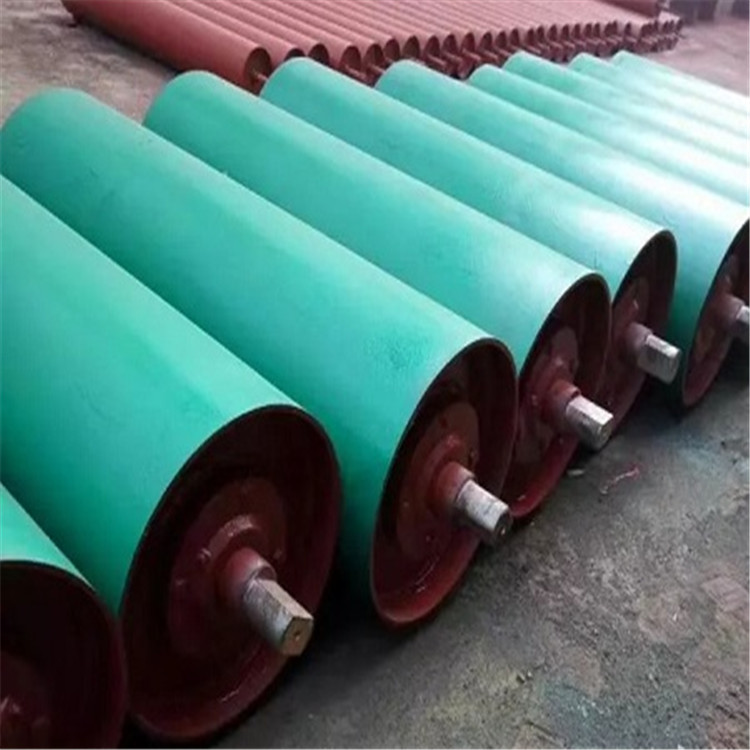
 Belt Conveyer Drum
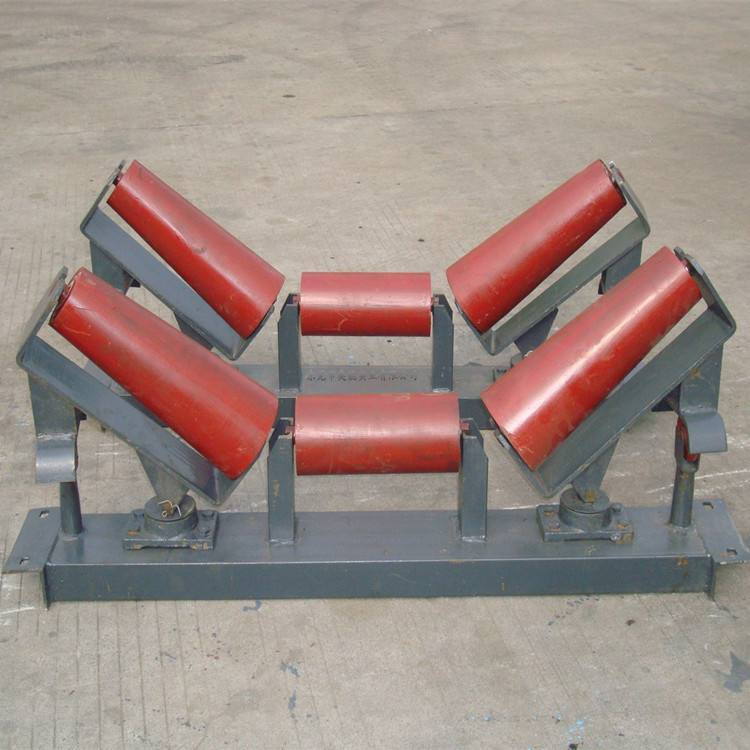 Belt Conveyor Idler
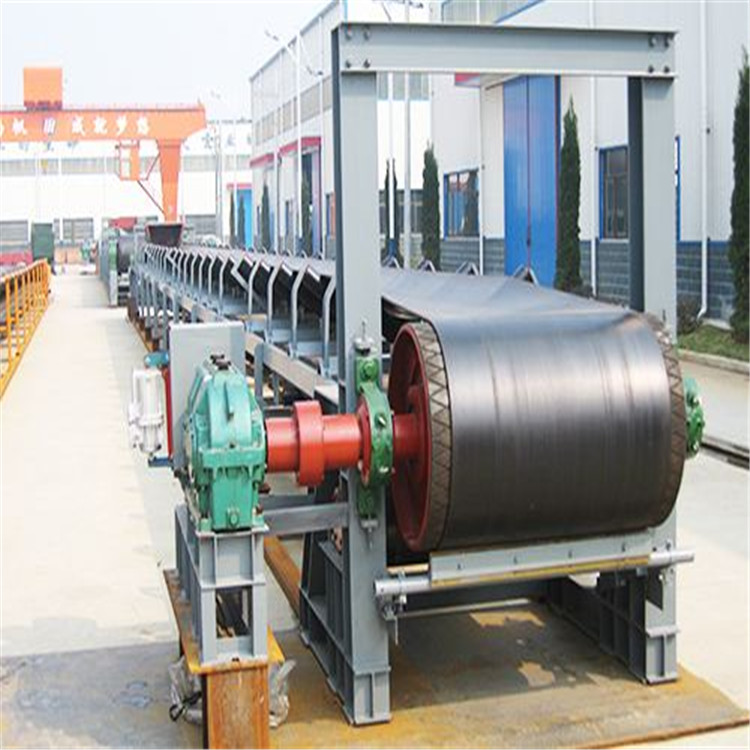 Conveyor belt
Product Details

Conveyor Machines, Conveyor Belt Feed Hopper, Conveyors, Belt Conveyer Idlers...
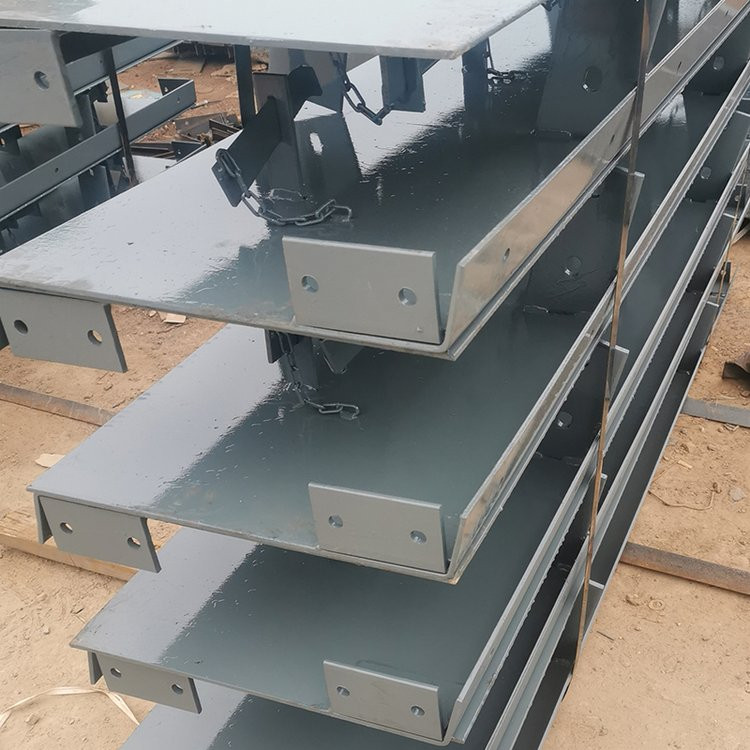
产品Price 1600.00/Rice
最小起订Quantity:1 Rice 供货总Quantity: 10000 Rice


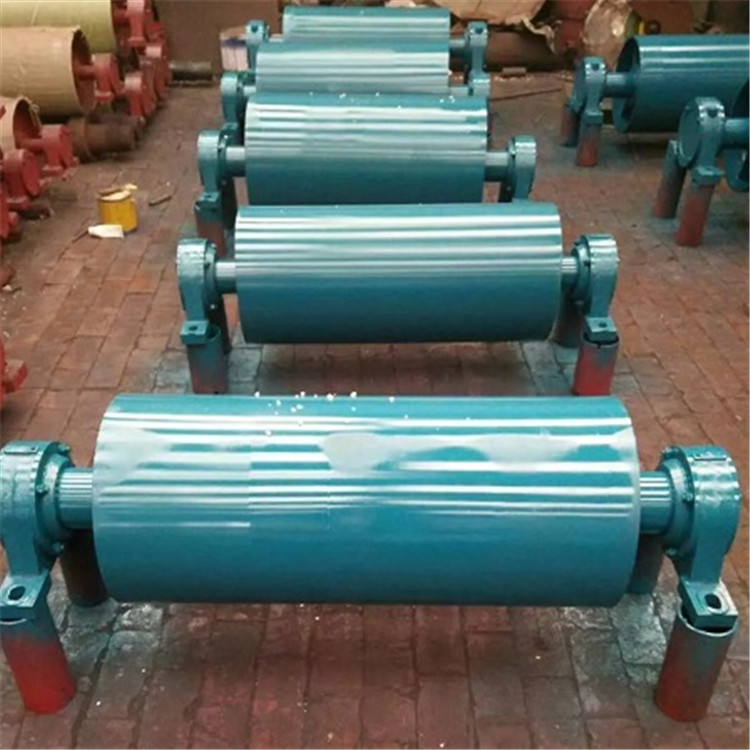 Belt conveyor drum
¥17000.00
Belt conveyor drum
¥17000.00
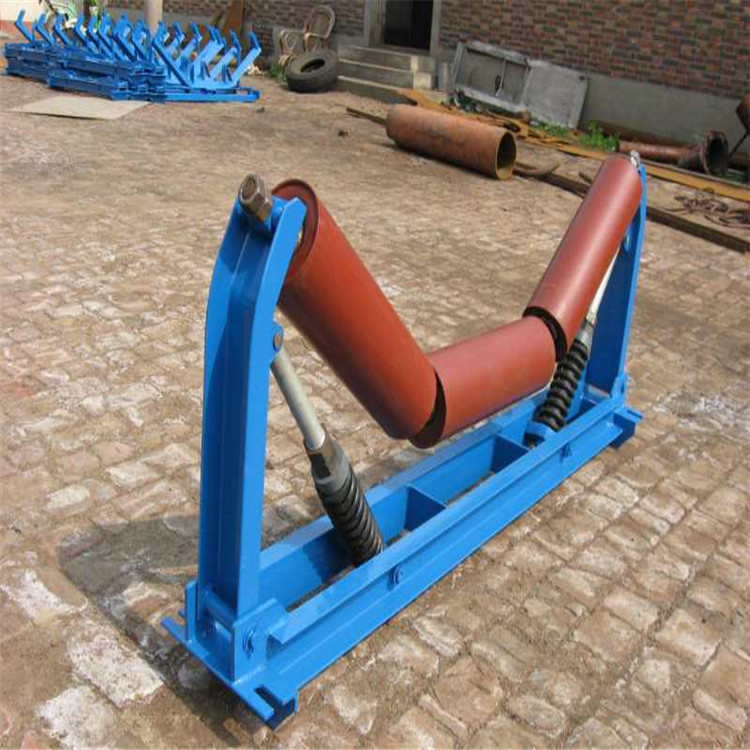 Belt conveyor roller
¥20.00
Belt conveyor roller
¥20.00
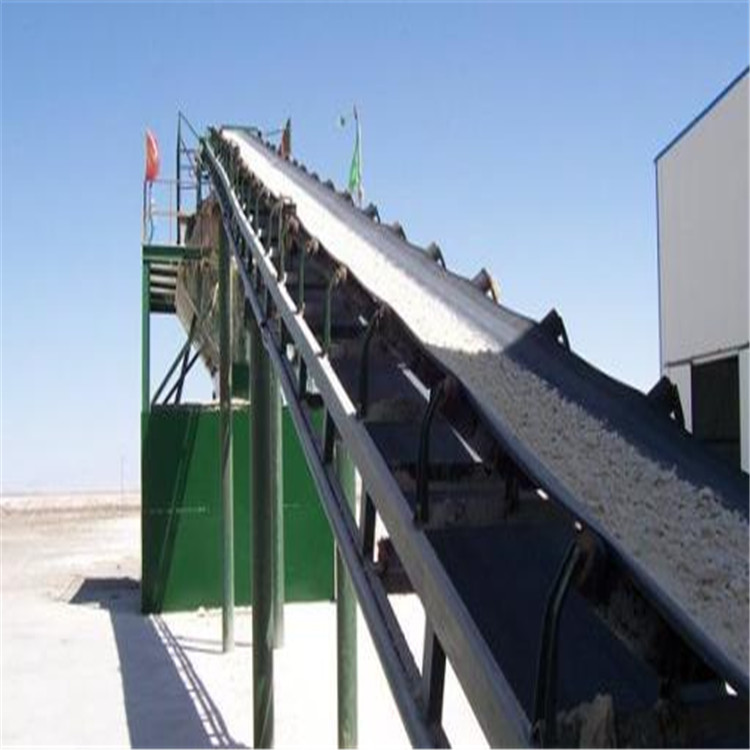 Conveyor belt
¥30000.00
Conveyor belt
¥30000.00
Brand |
|
Materials |
Carbon Steel |
Usage |
Feed material |
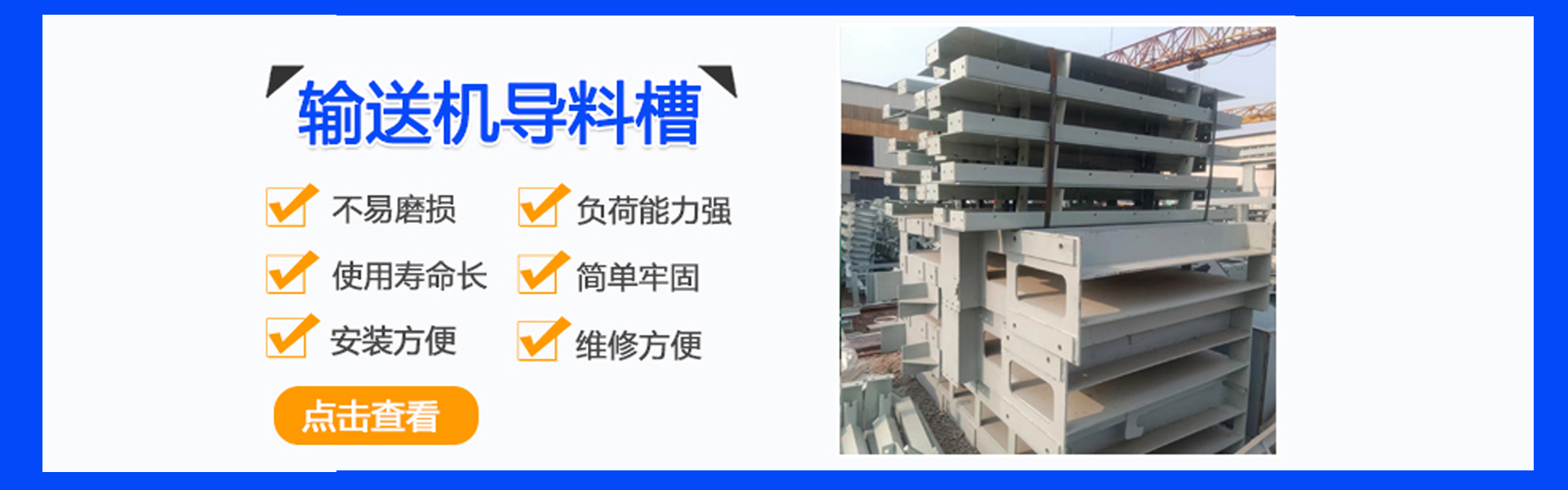
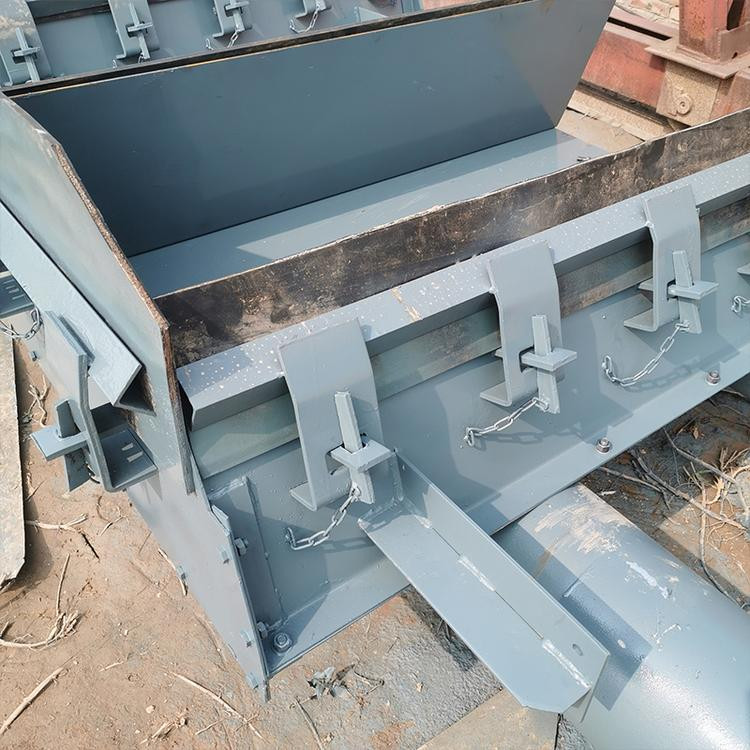
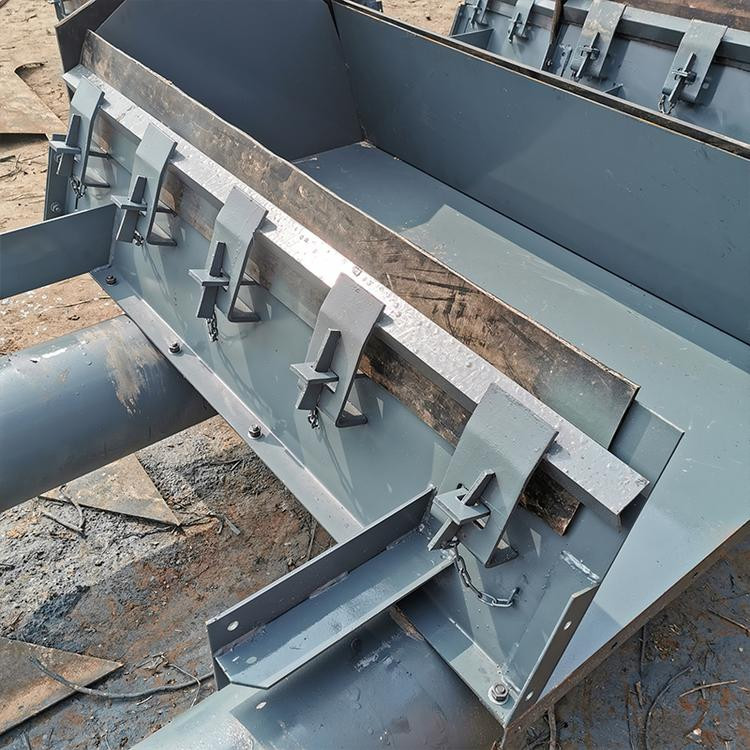
Our company boasts advanced equipment and technology, comprehensive testing methods, a strict quality assurance system, a solid technical force, and a reliable corporate reputation! Our main products include conveying machinery and accessories, as well as various pipeline fittings, widely used in industries such as metallurgy, mining, coal, electricity, building materials, chemicals, and oil. The conveyor guide trough is available in TD75, DTII, and DTIIA models, and it also comes in both rectangular and trumpet-shaped designs. The feed chute is primarily used for the DT2 series belt conveyors and YM96 series belt conveyors. Installing the feed chute at the receiving end of the belt conveyor allows the material falling from the hopper to concentrate in the middle of the conveyor belt before reaching the belt speed, thereby containing the material from spilling outwards. The material guide channel is available in overflow skirt board type and fully enclosed type. If it is a fully enclosed type, it consists of three parts: the top, middle, and bottom. The side panels are connected to the conveyor frame, forming the fixed part. The top cover and bottom plate are connected to the side panels with bolts, allowing for easy disassembly for installation and maintenance. The feeding channel can be customized according to customer specifications, and can be divided into sections, such as a 14-meter feeding channel, which can be divided into 7 sections, each 2 meters long, with each section supported by 4 legs. The front and rear ends of the feeding channel are equipped with multiple sealing boards and curtains to form a uniform pressure dust suppression system, which reduces dust pressure, velocity, and sedimentation, allowing cleaner air to exit the feeding channel. The entire feeding channel forms a sealed structure, ensuring that dust will not overflow or spread when the wind-dust vortex exerts impact pressure on the feeding channel.

Phone Consultation