

- AllProduct Category
-
New Product Technology Series
Wet Grinding Series
Dispersed Emulsion Series
Pulverized Slurry Series
Reaction Technology Series
Homogeneous Mixture Series
Special Equipment Series





详情描述
Product Brief
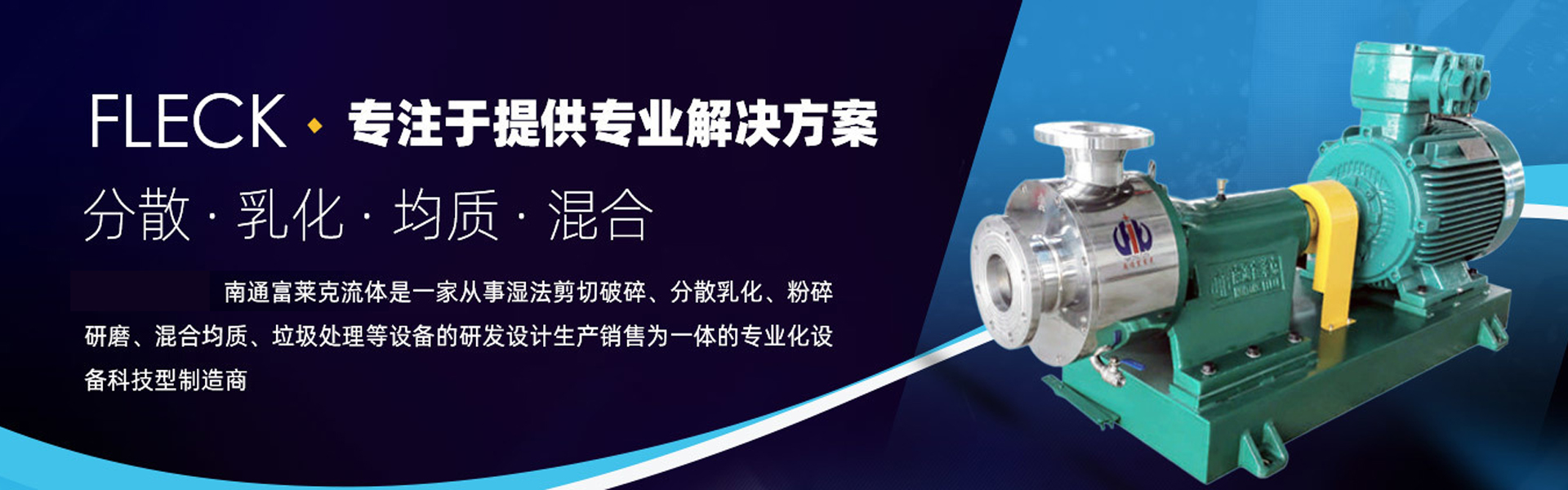
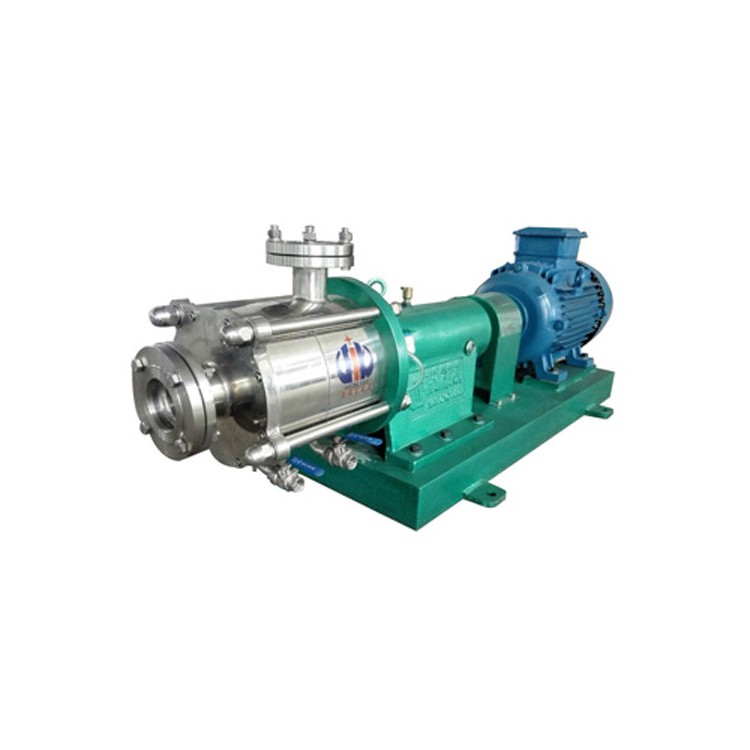
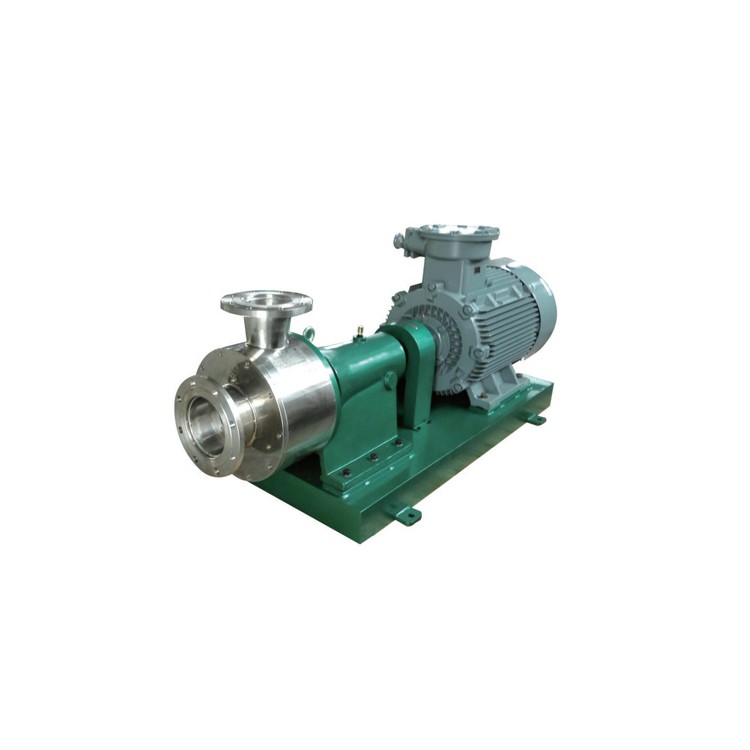
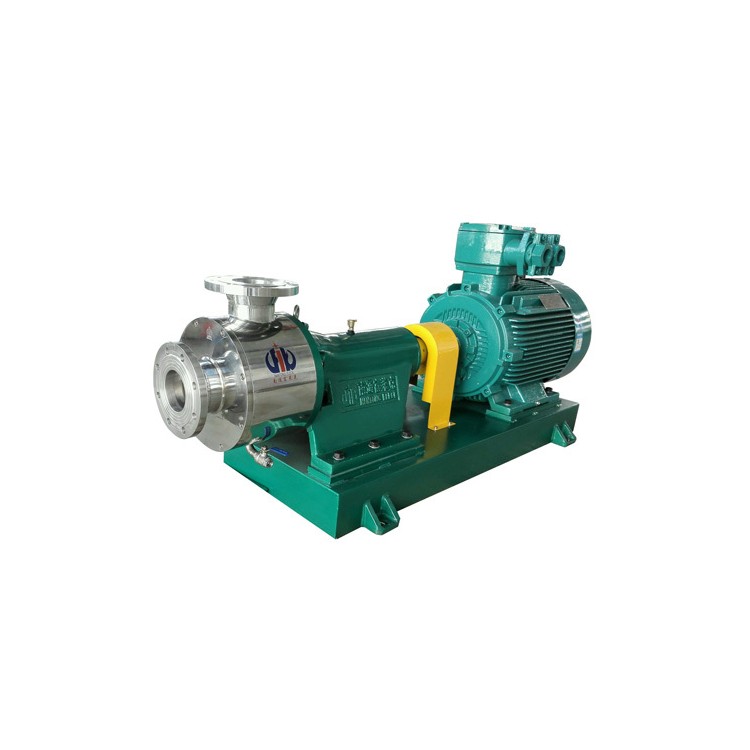
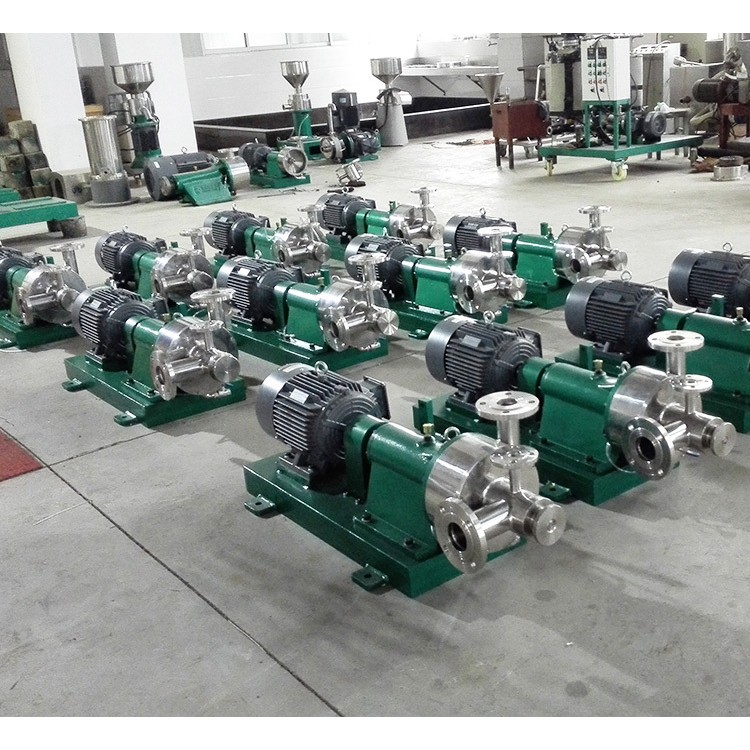
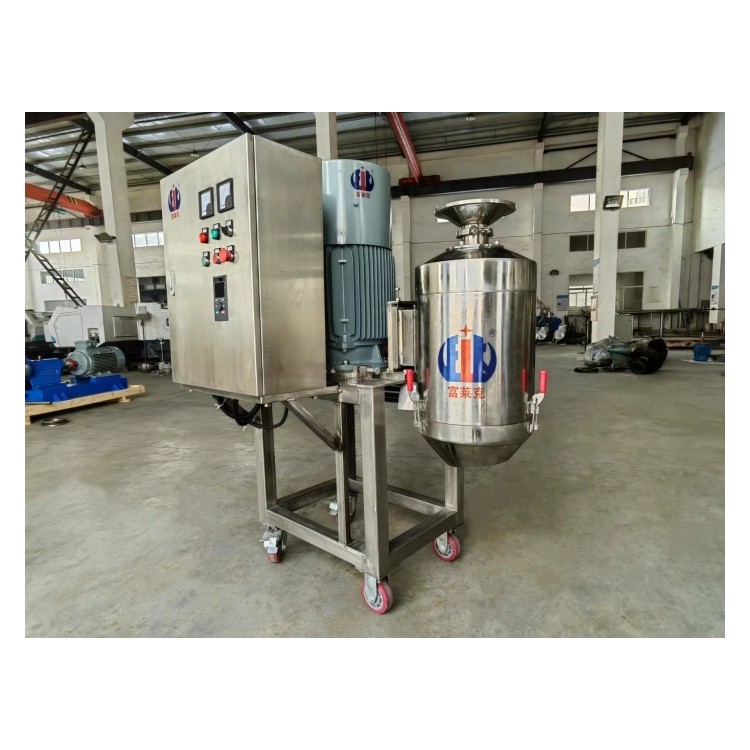
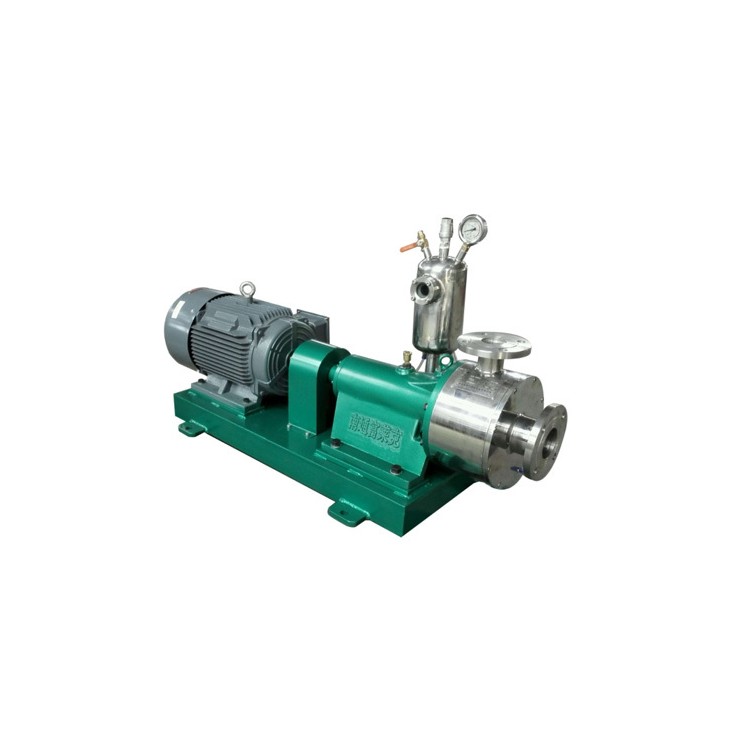
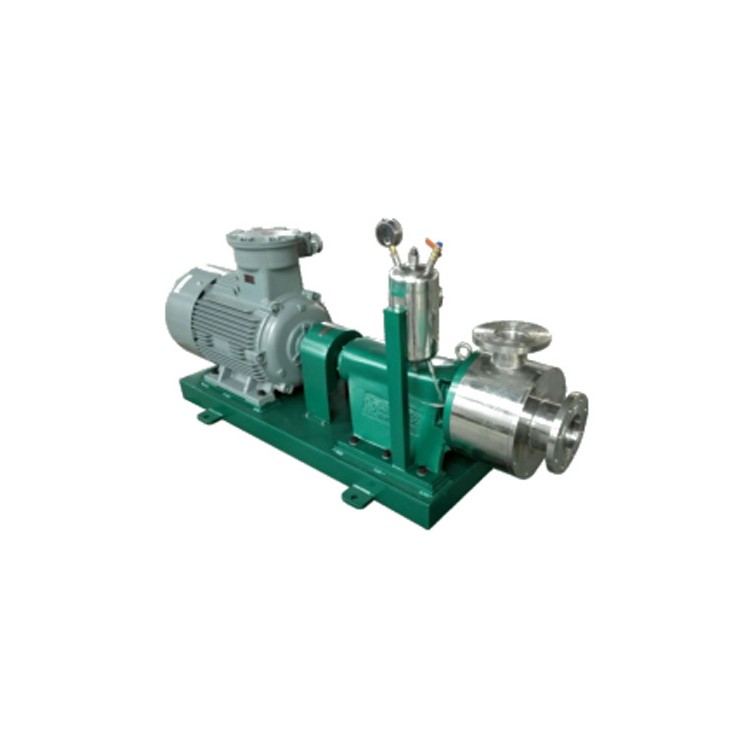
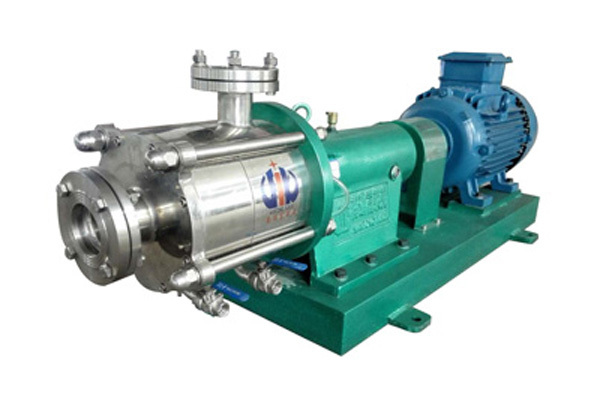
The cavitation micro-explosion emulsifier is a high-tech ultra-fine dispersion technology designed for the cavitation micro-explosion and strong dispersion of tiny droplets or ultra-fine agglomerated particles in ultra-fine materials. It is an indispensable micro-emulsification equipment in the fine emulsification industry.
Technical Specifications
Model | Treatment Capacity m³/h | Motor Power: kW | RPM | Import/Export Dimensions mm | Type |
RHJ-20/WB | 1-50L | 1.1 | 3000~4000 | 20/15 | Horizontal |
RHJ-25/WB | 20-500L | 2.2 | 3000~4000 | 25/20 | Horizontal |
RHJ-32/WB | 300-1000L | 4 | 3000~4000 | 32/25 | Horizontal |
RHJ-40/WB | 0.8-3m³ | 7.5 | 3000~4000 | 40/32 | Horizontal |
RHJ-50/WB | 2-6m³ | 15 | 3000~4000 | 50/40 | Horizontal |
RHJ-65/WB | 4-10m³ | 22 | 3000~4000 | 65/50 | Horizontal |
RHJ-80/WB | 8-15m³ | 30 | 3000~4000 | 80/65 | Horizontal |
RHJ-100/WB | 10-20m³ | 37 | 3000~4000 | 100/80 | Horizontal |
RHJ-125/WB | 15-30m³ | 45 | 3000~4000 | 120/100 | Horizontal |
RHJ-150/WB | 20-50m³ | 55 | 3000~4000 | 150/125 | Horizontal |
Product Principle
The cavitation micro-explosion emulsifying machine is typically used in conjunction with a vertical emulsifier. Initially, the vertical emulsifier rapidly mixes and blends the ultra-fine slurry, preliminary粉碎 and dispersing the agglomerates to emulsify the droplets. It then proceeds to the cavitation ultra-fine disperser for further emulsification. Driven by a high-speed motor, the slurry in the working chamber of the ultra-fine cavitation generator is subjected to high-speed shearing, collisions, and frictional tearing. The cavitation bubbles formed on the droplet surface rapidly grow, expand, and then collapse instantaneously. This micro-explosion cavitation bubble, as it rapidly collapses, generates ultra-micro jets. These ultra-micro jets, during喷射, produce ultrasonic cavitation phenomena that radiate sound waves into the slurry. The energy released by the cavitation ultrasonic segment instantly breaks and fragments the molecular chains of the tiny droplets, achieving a superior effect of droplet sizes reaching 0.1 to 1 micrometers through continuous cyclic action.
This phenomenon of intense light radiation (such as laser) produced by the photoacoustic ultrasonic segment continuously splits the continuously generated cavitation bubbles, causing the growing microbubbles to withstand negative pressure from the surrounding liquid, leading to their instantaneous compression, collapse, and explosive air effects. The energy released during this process causes the tiny droplets to instantly reach boiling point status. Under the high-speed driving of the motor, the liquid is continuously subjected to high-speed shearing, collision, and friction within the thermal energy cavitation generator, forming microbubbles that grow, expand, compress, and collapse through cavitation micro-explosions. This process occurs within the cavitation generator, where the microbubbles are continuously subjected to high-speed shearing, collision, and friction. The duration of the explosive process does not exceed one thousandth of a second. Due to the ultra-micro jet produced during the rapid collapse of the cavitation bubbles, this jet generates ultrasonic cavitation and radiates sound waves into the liquid, typically within the ultrasonic range of 16KHz-100KHz. The intense light radiation (such as laser) produced by this photoacoustic ultrasonic segment continuously splits the continuously generated cavitation bubbles, causing the growing microbubbles to withstand negative pressure from the surrounding liquid, leading to their instantaneous compression, collapse, and explosive air effects. The energy released during this process causes the tiny droplets to instantly reach boiling point status and continuously cycle.
During the high-speed operation of the motor, the liquid is continuously subjected to high-speed shearing, mutual collisions, and frictional impacts within the thermal cavitation generator, resulting in the growth, expansion, compression, and collapse of microbubbles through cavitation micro-explosions. This instantaneous explosive process lasts no more than six milliseconds. Due to the ultra-micro jets produced during the abrupt collapse of cavitation bubbles, these jets generate ultrasonic cavitation when ejected, emitting sound waves into the liquid. The frequency of these ultrasonic waves typically ranges between 16KHz and 100KHz. The intense light radiation (such as laser) produced by this photo-cavitation ultrasonic band continuously splits the continuously produced cavitation bubbles, causing the growing microbubbles to withstand negative pressure from the surrounding liquid, leading to their instantaneous compression, collapse, and explosive air effects. The energy released during this process causes the tiny droplets to reach boiling point and continuously cycle.
The cavitation micro-explosion emulsifier utilizes the principles of fluid mechanics, creating a large number of tiny bubbles within the cavitation generator under the effects of centrifugal force and mechanical motion. These bubbles undergo continuous expansion, compression, and collapse under vacuum negative pressure, resulting in intense micro-explosive phenomena. The duration of this explosive process is less than six milliseconds, simultaneously releasing energy to raise the liquid temperature to the boiling point.
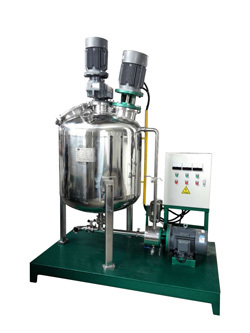
Note: The supplier provides parameters related to material characteristics, or brings materials to the production base for on-site testing. The manufacturer selects the internal structure of the grinding disc based on the characteristics of the medium.
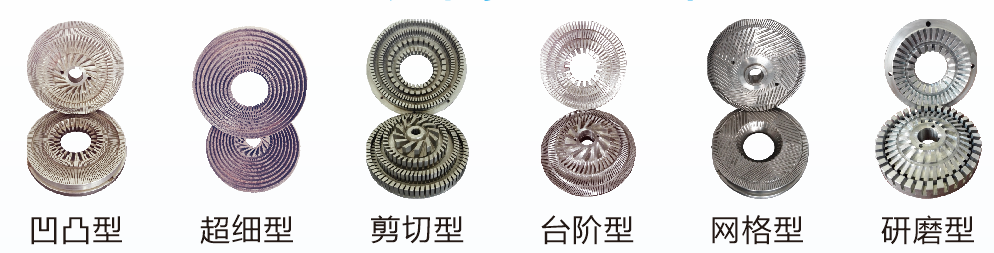
Copyright and equipment images on this website are owned by Nantong Fulaike. Copyright infringement will be pursued.
询价单


