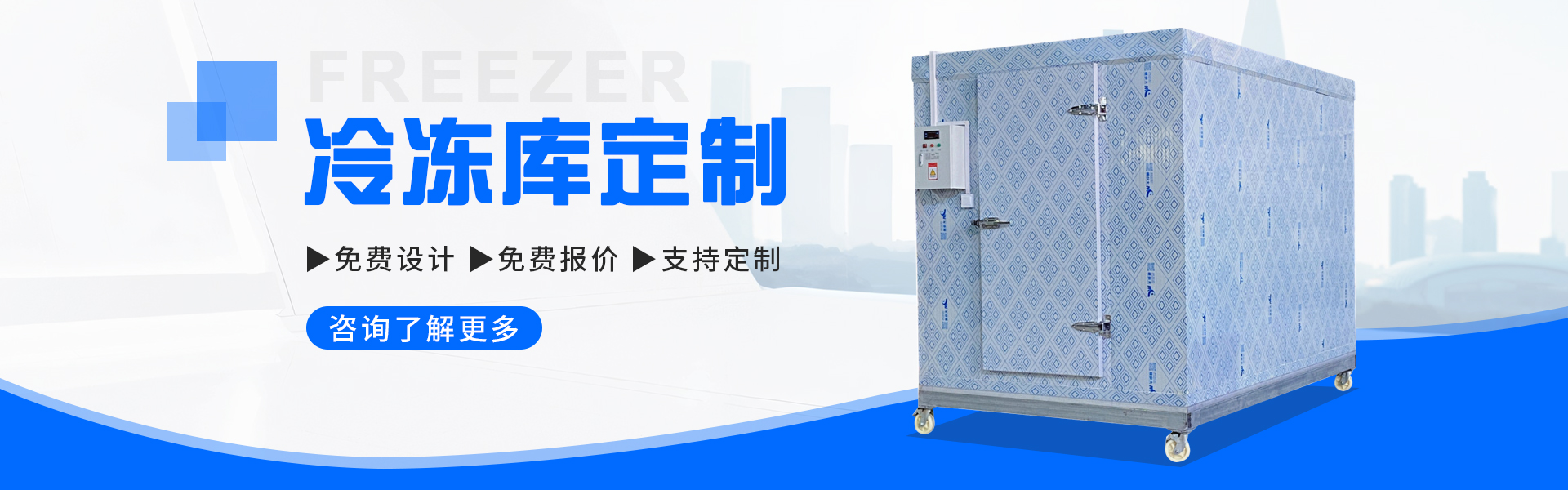
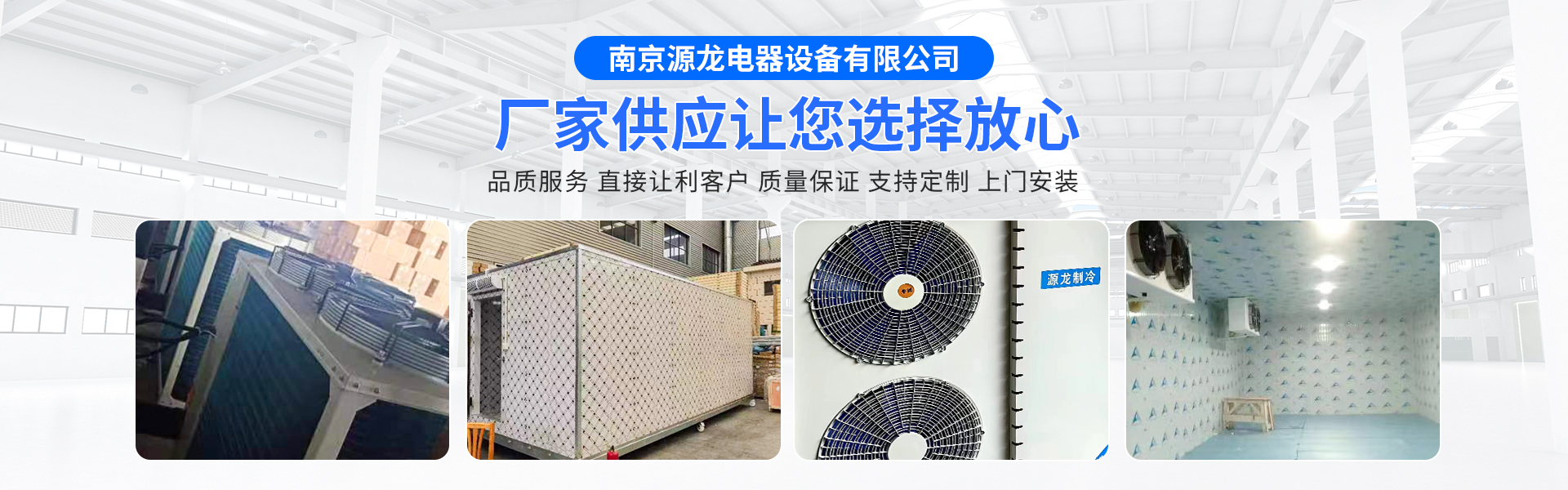
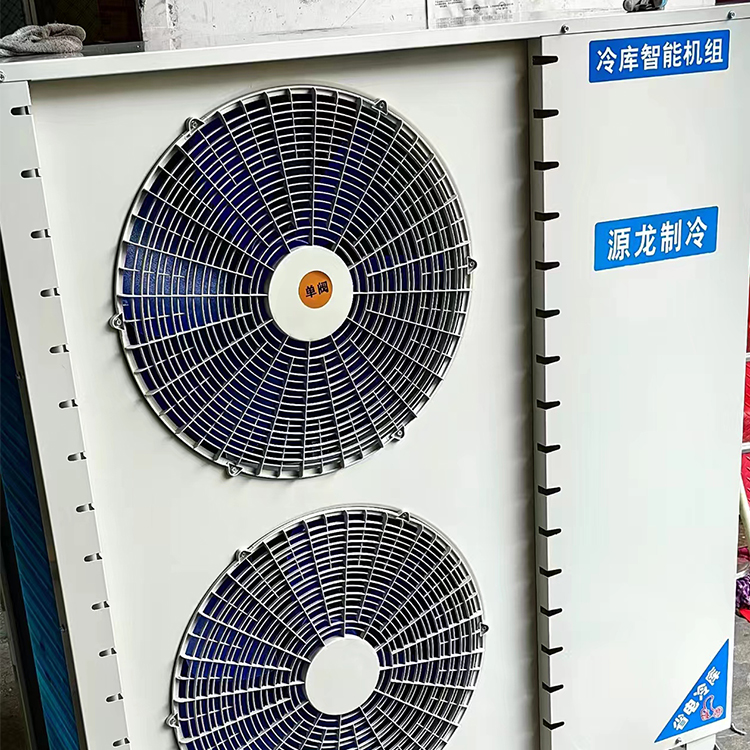
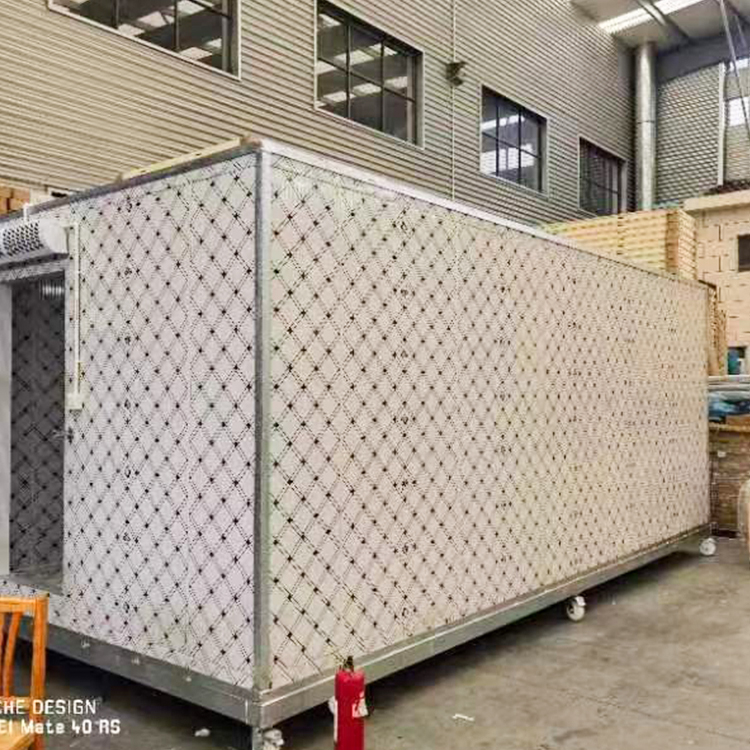
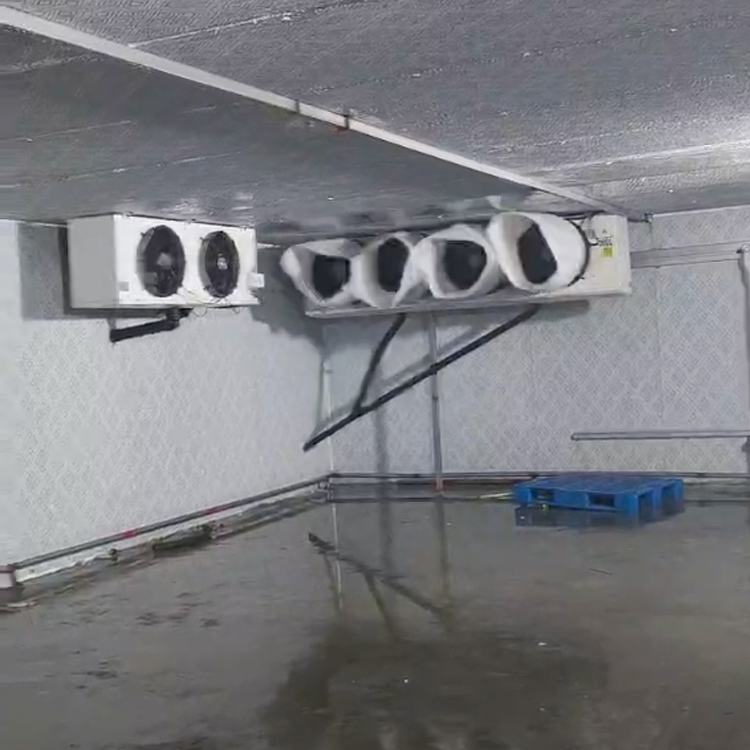
Main Products: Refrigerated Storage, Fresh-Keeping Cold S...

Several causes for frequent start-ups of refrigeration compressors
The compressor in operation is controlled by high and low-pressure relays for start and stop, but after most high-pressure relays trip, manual reset is required to restart the compressor. Therefore, frequent start and stop of the compressor is generally not caused by high-pressure relays but primarily by low-pressure relays.
1. The differential value of the low-voltage relay is too small, or the differential value of the temperature relay is too small when the storage temperature is controlled by a combination of the temperature relay and the low-voltage relay.
2. The compressor's suction and exhaust valves or safety valve are leaking, causing high-pressure gas to leak into the low-pressure system after shutdown. The pressure quickly rises, triggering the compressor to start. Once started, the pressure in the low-pressure system of the polyurethane cold storage panel is rapidly reduced, causing the low-pressure relay to activate and shut down the machine.
3. The automatic return valve of the oil separator is leaking.
4. Ice blockage in the expansion valve.
The cost of cold storage is primarily influenced by the following factors: 1. Temperature. Assuming all other conditions are equal, the colder the temperature of the cold storage, the higher the price. 2. Equipment selection. Refrigeration equipment is categorized into imported and domestic, with imported equipment being of higher quality but also higher in price. 3. Size. The larger the cold storage, the higher the construction cost. 4. Design plan.
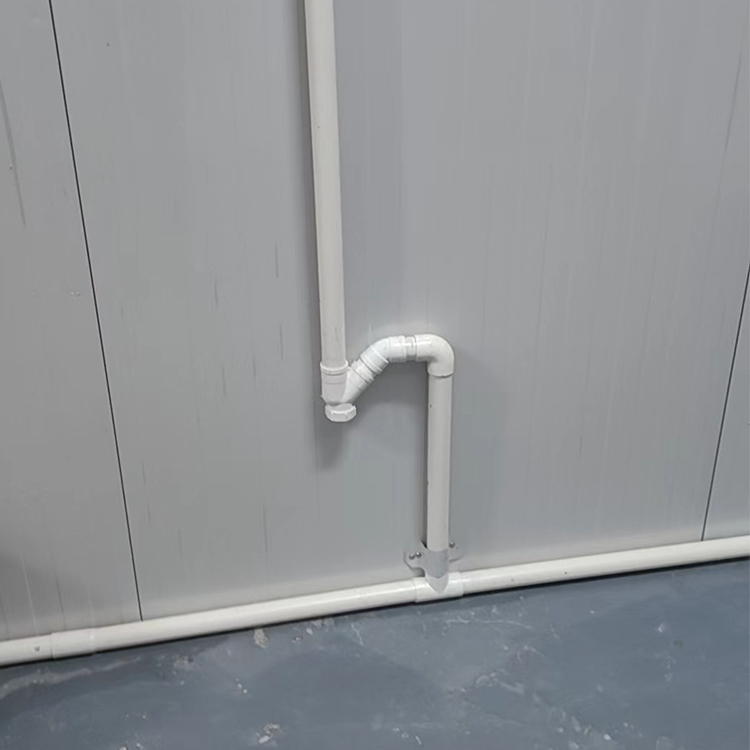
An excellent cold storage design concept should balance practicality and cost-effectiveness, as well as the long-term operational expenses. One approach is to design a cold storage facility that meets the client's needs at a competitive price, thereby saving costs. Without proper insulation, un-insulated pipeline will frost over at ambient temperatures, affecting the cooling efficiency, increasing the load on the cooling unit, and ultimately shortening its lifespan. The design of a cold storage facility not only impacts the initial construction cost but also the ongoing operational expenses, such as electricity consumption. This involves many details, including layout planning, equipment selection, refrigerant choice, and panel selection. This is why choosing a professional company for cold storage installation is crucial, especially for large-scale facilities, and even more so for companies with substantial capabilities.
Reasons and Dangers of Refrigerant Oil Degradation in Cold Storage Installation Projects
1. Moisture Mixed In. Due to air seepage into the refrigeration system of the cold storage installation project, the moisture in the air mixed with the refrigeration oil. As for choosing various types of cold storage, the editor reiterates, what suits you best is the right choice, regardless of the construction type or temperature of the cold storage. Any cold storage that meets our refrigeration requirements is our top pick. Additionally, it's also possible that the high moisture content in ammonia causes the moisture to mix with the refrigeration oil. When moisture is mixed into the refrigeration oil, it can reduce viscosity and cause corrosion to metals. In the Freon system, it can also be harmful to the pipes or valves.
2. Oxidation. 5. Refrigeration Unit Heat Exchanger Installation - The placement of the heat exchanger should be as close to the refrigeration unit as possible, preferably in the upper section of the unit, where it benefits from a good heat dissipation environment. The intake vent should not face the exhaust vents of other equipment, especially those emitting oily gases. The outlet cannot be short-circuited or directed towards other openings, particularly residential windows, and equipment. The installation should be 2 meters above ground and mounted horizontally and securely. During the operation of refrigeration oil, when the exhaust temperature of the compressor is high, the phenomenon of oxygen ice blockage may occur. This is more likely with refrigeration oil that has poor oxidation stability. Over time, residues will form in the refrigeration oil, impairing the lubrication at bearings and other locations. The addition of organic fillers and mechanical impurities to the refrigeration oil can also accelerate its aging or oxidation.
3. Mixed Use of Refrigeration Oils. Points to Note for Cold Storage Manufacturing and Use Points to Note for Cold Storage Use: 1. Clean ice, frost, and standing water inside the cold storage promptly. Additionally, clean the cold storage once a week. During cleaning, only dry mops and cloths should be used in low- and medium-temperature cold storage. When mixing oils of different types, it can reduce the viscosity of the refrigeration oil, even破坏 the formation of the oil film, potentially damaging the lubricated components. If the two refrigeration oils contain additives of different properties, they may undergo a chemical reaction when mixed, leading to sedimentation and affecting the lubrication of the compressor. Therefore, special attention should be paid to this during use.
Key Points to Note During Cold Storage Installation
1. For cold storage facilities installed in factories, industrial zones, or outdoors with higher room temperatures, consider actual conditions for constructing facilities such as low-temperature antechambers, loading bays, or embedded doors, inner doors, and other design options to prevent adverse phenomena like condensation, melting, and thawing due to high temperatures during loading and unloading. Common insulating materials for cold storage include cork, rice hulls, expanded perlite, slag, polyurethane cold storage boards, glass wool, polyurethane cold storage boards, rock wool, and mineral wool. 2. The construction of cold storage buildings, doors, refrigeration units, and piping should avoid heat sources and direct sunlight to ensure efficient cooling performance and longevity. 3. The refrigeration units of cold storage should be installed in well-ventilated areas to facilitate heat dissipation.
1. When installing or reusing a cold storage after a long period of disuse, the cooling speed should be reasonable: aim for 8-10℃ per day, and maintain at 0℃ for a while. The specific adjustment of the expansion valve should be determined based on the model of the unit, the refrigerant used, and the operation of the cold storage; it is recommended to have a professional adjust it. 2. After the installation of the cold storage, pay attention to the maintenance of the panels. Be cautious of hard objects that may collide or scratch the storage body, as this can cause dents and rust on the panels, which may reduce the insulation performance locally. 3. Maintain the sealed areas of the cold storage. Since modular cold storage is composed of several insulation panels, there are gaps between them. These gaps are sealed with sealant during construction to prevent air and moisture from entering. Therefore, repair any failed seals promptly during use. 4. After the installation of the cold storage, maintain the ground surface. Typically, small modular cold storage floors use insulation panels. When using the cold storage, prevent excessive ice and water accumulation on the ground; if ice is present, do not use hard objects to knock it off as it may damage the floor. 5. Ventilation for a preservation cold storage should be scheduled during cooler times like night or early morning. Receiving goods into the cold storage during these cooler times also helps to avoid the impact of high temperatures on the goods and reduces energy loss. 6. In areas with tight electricity supply or frequent power outages during summer, prepare suitable power generation facilities in advance to prevent damage to goods due to power outages. 7. The administrator should regularly check the operation, cooling speed, and temperature changes of the cold storage to ensure production efficiency. 8. Enterprises should appropriately schedule cold storage production processes, start/stop operations, and maintenance to avoid negative impacts from overloading the cold storage. 9. In daily use, if any abnormality, fault, or damage to the cold storage is found, inspect and repair it immediately to prevent further damage or danger.


b2b.china9.net © Zhongshang 114 Hebei Network Technology Co., Ltd.Address: Room 6009, Oriental New World Center, No.118 East Zhongshan Road, Qiaoxi District, Shijiazhuang City, Hebei ProvincePlatform Service Hotline: 4006299930