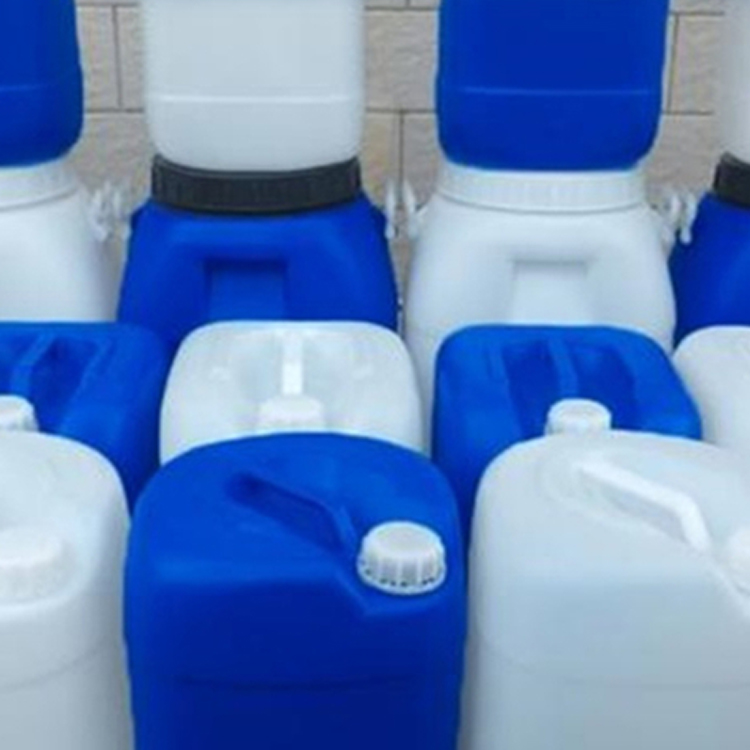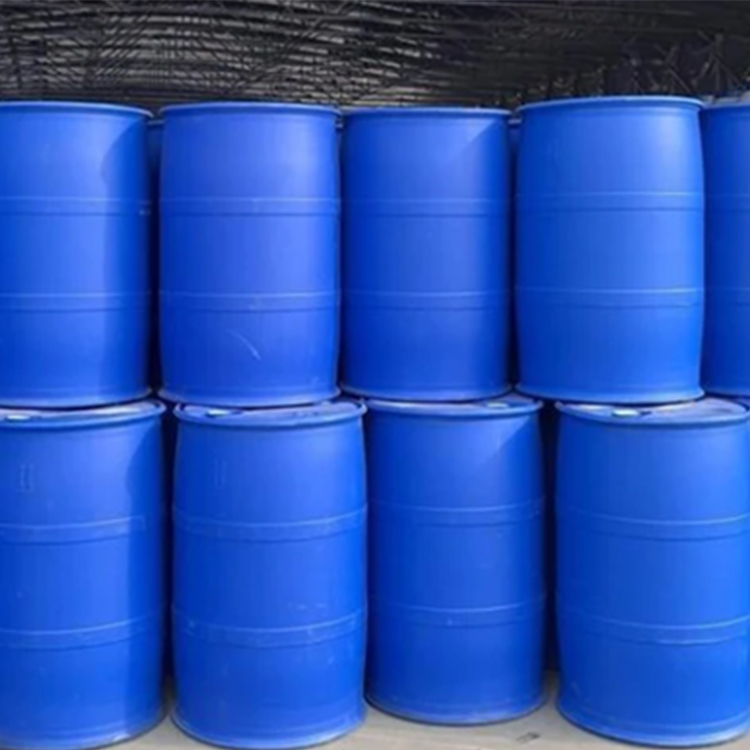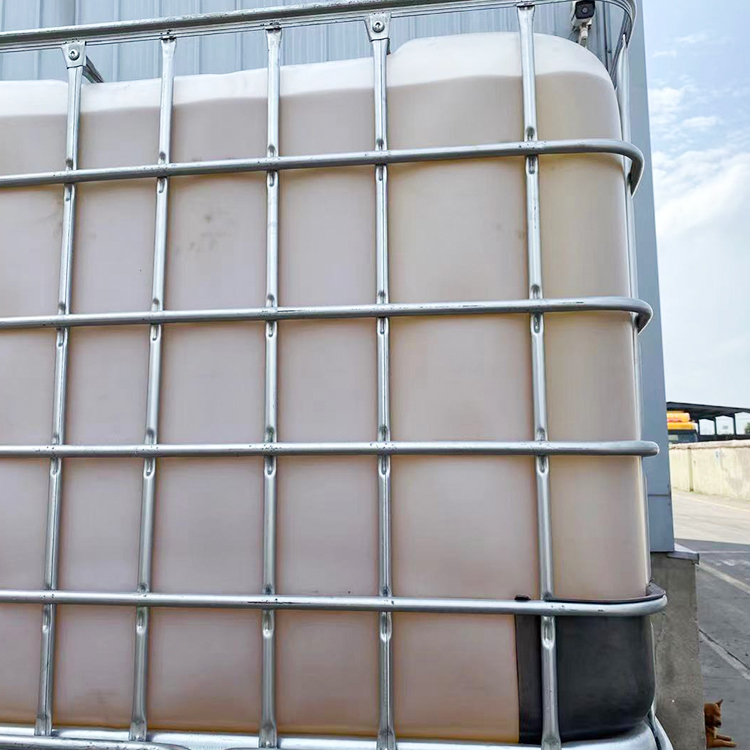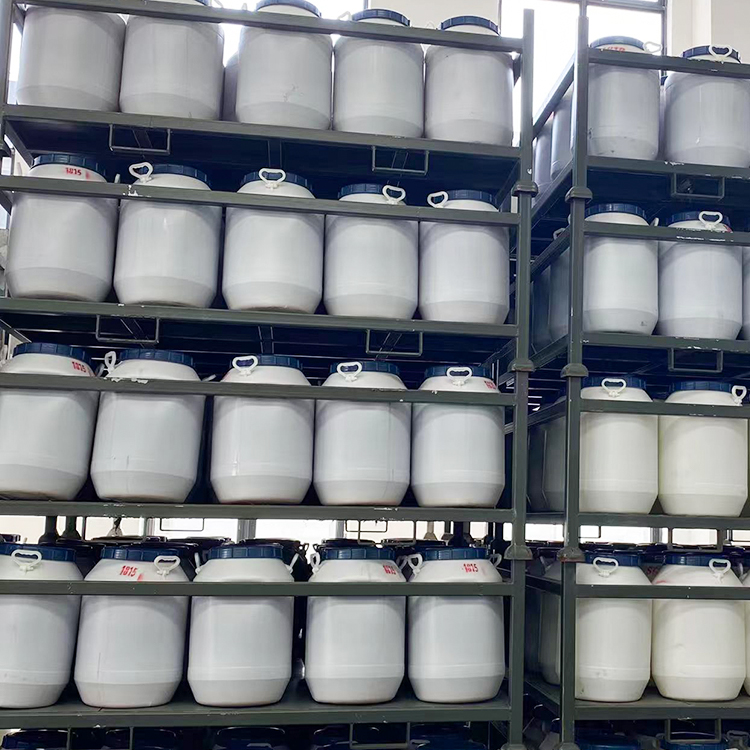
Our main products include surfactants: emulsifiers, penetrants, antistatic agents, defoamers, and more.
18014850813
1. Introduction
As early as 1942, Zimmerman discovered that adding surfactants to herbicides could enhance the efficacy of foliar herbicides, which sparked great interest and yielded significant results. For instance, in Mississippi, USA, the use of surfactants in herbicides increased from 64,000 pounds in 1960 to 500,000 pounds by 1963. The dramatic increase in surfactant usage was primarily due to the widespread recognition and emphasis on the role of surfactants in herbicides.
Surfactants are now used not only in herbicides but across all types of agricultural chemicals. In 1993, the global consumption of surfactants for agricultural chemicals was approximately 230,000 tons, accounting for 3.3% of total surfactant usage. The sales value of surfactants used in agricultural chemicals in the U.S. accounted for about 6% of the农药 market. In 1992, half of all agricultural chemical formulations used surfactants, with most herbicides incorporating them. In China, the usage of surfactants in agricultural chemicals totals about 40,000 tons, with approximately one-third used as emulsifiers.
Surfactants Used in Pesticides
Typically, water-soluble pesticides are processed into soluble concentrates (including aqueous solutions), while water-insoluble liquid pesticides are converted into emulsifiable concentrates, and water-insoluble solid pesticides are formulated into powders, wettable powders, and suspensions. Additionally, there are also granular formulations for direct use and seed treatment agents. However, recently, the global environment faces increasingly severe pollution challenges, and many countries have implemented stricter regulations on pesticide safety and environmental protection. The trend in the development of pesticide formulations is that toxic and flammable emulsifiable concentrates and dusty powders are gradually being replaced by safer, water-based, and high-efficiency formulations such as water emulsions, water suspensions, microemulsions, water-dispersible granules, and microcapsules.
2.1 Soluble Liquid (SL)
The simplest formulation is SL, a liquid preparation of a water-soluble pesticide active ingredient, which can be used by simply diluting it with water in the spray tank. It boasts low toxicity, minimal phytotoxicity, and is both safe and convenient to use, with high efficacy, making it a favorite among users. Unfortunately, this type of pesticide variety does not account for a large proportion in the pesticide market. Polyoxyethylene nonylphenol or beef tallow amine ethoxylate surfactants are commonly used as bio-enhancers and tank-mix wetting agents for SL.
2.2 Water Suspended Concentrate (SC)
It processes water-insoluble solid pesticides into fine particles (typically less than 5 micrometers in size) by dispersing them in water-based formulations with the addition of surfactants. Due to its lack of dust, ease of measurement, and safety for operators and the environment, its particle size is finer than that of wettable powders, resulting in higher efficacy. It has become one of the excellent formulations replacing wettable powders. Common surfactants include wetting agents, dispersants, and thickeners, among others.
2.3 Water-in-Oil Emulsion (EW)
Due to safety concerns and the desire to reduce or eliminate solvents, aqueous emulsions have garnered significant attention. Replacing organic solvents with water as the medium, they offer more advantages in terms of manufacturing safety, cost, transportation, and use when compared to emulsifiable concentrates. Emulsifiers commonly used in emulsifiable concentrates, which are designed to prevent droplet agglomeration and separation, are not suitable for this purpose. Currently, stable EWs are produced using non-ionic surfactants and polymer surfactants with high molecular weights.
2.4 Emulsion (SE)
The hybrid formulation is popular due to its convenience and the assurance of the correct dosage of various pesticide ingredients, while avoiding the unevenness typically found in bulk mixing. It is a suspension mixture preparation obtained by using a water-insoluble solid pesticide and a water-insoluble liquid pesticide as a medium, relying on surfactants. Generally, it can be regarded as a combination of SC and EW formulations. Common surfactants include emulsifiers, dispersants, and thickeners. This formulation not only faces the issue of particle and oil droplet agglomeration inherent in SC and EW formulations but also necessitates extensive cold and hot storage tests over a wide range.
2.5 Microemulsion (ME)
It is a thermodynamically stable and transparent emulsion with a very small particle size (0.01-0.1 micrometers), forming a monophase system that is truly close to a colloidal solution. Common surfactants used include wetting and emulsifying agents. Typically, two different types of surfactants are required for preparation, one water-soluble with a high HLB value, which can be non-ionic or anionic, featuring hydrophilic groups. An example is the Microflex-1 Malrix composite surfactant developed by the U.S. Speciality Chemicals Company (ISP). By simply adding this surfactant to certain active ingredients in pesticides and stirring with water, ME can be conveniently prepared.
2.6 Water Dispersible Granule (WG)
This formulation boasts superior comprehensive performance, offering enhanced safety and attractiveness when compared to wettable powders and water suspension preparations. It is characterized by high content, convenient packaging and use, free of dust, and disperses quickly in water to form a suspension. Common surface active agents include wetting agents, dispersants, anti-caking agents, and sometimes, surface active agents that promote disintegration.
Surfactants in the Role of Pesticides
Surfactants are a crucial component in most pesticide formulations, playing a vital role, as follows:
3.1 Wetting
Surfactants are added to pesticide formulations to reduce interfacial tension and contact angle between liquids and interfaces, thereby enhancing their spreading and penetration capabilities. They are incorporated during the manufacturing process to effectively wet the solid particles of pesticides and fillers, displacing the air between particles. Failure to do so would result in air bubbles remaining on adjacent particles after grinding, leading to flocculation and a decrease in the suspension's dispersibility stability. When the pesticide formulation is mixed with water in the spray tank, it can reduce the wetting time of the powder and improve the penetration of water into the particle mass. Generally, surfactants with lower molecular weights exhibit better wetting properties than those with higher molecular weights. Common wetting agents used in wettable powders, SC (Suspension Concentrates), and WG (Water-Dispersible Granules) formulations include sodium dodecylbenzenesulfonate, sodium octadecylsulfosuccinate, polyoxyethylene alkylphenol, and polyoxyethylene fatty alcohol.
3.2 Dispersed
Surfactants possess a strong ability to adsorb onto particle surfaces, which aids in the dispersion and suspension of particles during pesticide formulation processing. This ensures that particles are re-dispersed when water is added to the spray tank for dilution, preventing particle aggregation. When ionic surfactants are used, they adsorb onto the particle surface, providing electrostatic repulsion to maintain separation between particles, thereby offering charge stabilization. Non-ionic surfactants, on the other hand, have their hydrophobic parts adsorb onto particles while their hydrophilic parts extend into the aqueous phase, surrounding the particles to form a spatial barrier, thus providing steric hindrance stabilization. These properties all contribute to preventing the aggregation of pesticide particles during formulation processing and storage. Common dispersants used in pesticides include lignosulfonates, sodium methacrylate of naphthalene sulfonate, polyoxyethylene alkylphenols, EO/PO block copolymers, and comb-shaped graft copolymers.
3.3 Emulsion
Surfactants serve as emulsifiers in pesticide emulsifiable concentrates (ECs), their primary application. Since ECs typically use non-aqueous solvents as mediums, the addition of emulsifiers allows pesticides to be directly emulsified into water to form an O/W emulsion, while also preventing the emulsion from flocculating and separating, maintaining a stable emulsion state. There are many types of emulsifiers commonly used, but a mixture of non-ionic surfactants containing polyoxyethylene alkylphenol or polyoxyethylene fatty alcohol with oil-soluble calcium dodecylbenzenesulfonate usually provides good emulsion stability. Sometimes, the addition of a small amount of EO/PO block copolymer surfactant can also enhance emulsion stability. The emulsifiers used for preparing ECs differ from those used in emulsifiable water (EW). In EW, surfactants with stronger adsorption capabilities are required to achieve long-term emulsion stability, making high molecular weight surfactants and polymer surfactants suitable for this purpose.
3.4 Enhanced Solubility
Surfactants form micelles when their concentration in water exceeds the critical micelle concentration (CMC). This allows pesticides to dissolve in the hydrophobic part of the micelle, enhancing their solubility in water. The appearance of the solution remains unchanged, and the system remains stable, preventing separation over the long term. Non-ionic surfactants typically have a greater solubilizing capacity than anionic ones. Sorbitan monolaurate and its ethoxylates, methyl oleate, and others are commonly used solubilizers.
3.5 Bio-Enhancement
Certain surfactants are singly used or mixed with other additives like mineral oil, rapeseed oil, etc., as adjuvants, to be added to the spray tank, thereby improving the biological performance of pesticides on the target. Some surfactants are directly incorporated into the formulation as a component, enhancing the biological activity of pesticides, such as glyphosate and paraquat in herbicides. The type of surfactant used for biological enhancement depends on the active ingredient of the pesticide and its mode of action, but often non-ionic surfactants like polyoxyethylene alkylphenol, polyoxyethylene fatty alcohol, and polyoxyethylene fatty amine are selected.
Advancements in Surfactants
In recent developments of new formulations for pesticides such as EW, SC, SE, and microencapsulated agents (CS), conventional surfactants as emulsifiers and dispersants are no longer adequately providing long-term stability for water-based suspensions. There is considerable interest in preparing specialized surfactants to cater to the varying functions within pesticide formulations. Based on this demand, there is a trend towards developing surfactants with strong wetting power, excellent dispersibility, and enhanced adsorption capabilities, which can offer emulsification, suspension dispersibility, and long-term stability in water-based formulations.
4.1 The molecular weight effect of surfactants on enhancement
Conventional surfactant molecules have low molecular weights, typically failing to fully cover the particle surface area and easily transferring from the surface, leading to issues such as increased aggregation and particle adhesion during storage. Generally, the dispersion ability of surfactants is determined by two major factors: molecular weight and the type of hydrophobic group. To improve the long-term stability of formulations, it is observed that the role of molecular weight in water-based surfactant systems, used as emulsifiers and dispersants, is becoming more significant. This is because although hydrophobic base surfactants with larger molecular weights diffuse more slowly to the particle surface, they have stronger adsorption capabilities, are less likely to transfer or detach from the surface, and thus provide long-term stability.
Most commonly used anionic surfactants in pesticides, which originally comprised alkyl sulfate (such as sodium lauryl sulfate) and alkyl aromatic环氧乙烷 condensates (like polyoxyethylene nonylphenol), have been gradually replaced by polymers with an average molecular weight of 2200 (such as naphthalene sulfonate formaldehyde condensates) or lignin sulfonates with an average molecular weight of 2000. Non-ionic surfactant EO/PO block copolymers with an average molecular weight of around 20,000 have also replaced the lignin sulfonates. As the average molecular weight of these non-ionic surfactants increases from 2000-3000 to approximately 5000, these surfactants provide excellent long-term stability when used in SC and WG applications.
4.2 Aggregate Surfactants
Recently, a high molecular weight associative surfactant has been developed, which is more suitable for agricultural pesticides in three structural forms.
2.4.1 Unstructured Polymer Surfactants
These surfactants are formed into a three-dimensional network structure by polymerizing poly(alkenyl) diols, polyols, fatty acids, and fatty or aromatic polycarboxylic acids with anhydrides. For instance: Atlox 4914 (HLB=6), its hydrophilic action is provided by numerous ester or ether groups; while its hydrophobic action is attributed to high molecular weight hydrocarbons. When used in conjunction with HLB value block copolymers, it achieves the stability of O/W emulsions.
4.2.2 Regularly Aggregated Surfactants
This type refers to A-B-A block copolymers, with the typical form being EO-PO-EO block copolymers, commonly used as emulsifiers and dispersants for pesticides. However, there are certain shortcomings in their use, primarily the frequent desorption from the adsorption surface and the solubility of the EO units depending on the ionic humidity and temperature of the medium. These can be adjusted by selecting different A and B components, with Atlox 4912 being an example. It is a type of A-B-A block copolymer obtained through esterification of poly(12-hydroxystearic acid), or PHSA (A), with poly(aliphatic) diols (B). This surfactant is highly suitable as an emulsifier, and when combined with an emulsifier having a high HLB value, it can effectively stabilize O/W emulsions. In the emulsion, the hydrophobic PHSA chains act as adsorbents, penetrating into the oil phase, while the hydrophilic high molecular weight polyethylene oxide provides stability to the aqueous phase. The hydrophobic chains extend into the oil phase several times more than conventional C18 sorbitan esters.
4.2.3 Styryl Grafted Polymer Surfactants
梳型 graft polymer is a novel surfactant with an extremely high molecular weight, averaging between 20,000 and 30,000. It features a long hydrophobic backbone as its framework, ensuring strong adsorption on particle surfaces without shedding. The hydrophilic groups attached to the backbone extend into the aqueous phase like teeth, providing a steric stabilization for the unique spatial barrier. Atlox 4913, a representative of the comb graft copolymer, consists of a backbone made of poly(methyl丙烯ic acid/methyl丙烯ate) for adsorption and a hydrophilic part with a suitable length of polyoxyethylene chains. This type of polymeric surfactant has ten times the adsorption capacity of conventional surfactants and is almost impossible to desorb from the particle surface.
4.3 Silicone Surfactants
Silicone surfactants for agricultural pesticides were introduced in the mid-1960s and began to be commercialized in agriculture by the late 1980s. Silicon surfactants possess unparalleled surface activity, a trait that allows pesticides to be directly absorbed by plants through leaf stomata. This rapid, almost instantaneous stomatal absorption not only prevents the washing away of foliar treatments by rain and the resulting environmental pollution but also greatly facilitates pesticide application in rainy areas, reducing losses due to volatilization and photolysis. Another feature is their super-elongating properties, enabling the active ingredient to adhere to the leaf surface and even penetrate to the underside of leaves and into crevices where pests hide in fruit trees, achieving both insecticidal and bactericidal effects.
4.4 New Generation Green Surfactant
"The term 'green' was coined by U.S. manufacturers and later supported by the public. In October 1993, the U.S. government issued a document requiring government departments to purchase and use environmentally friendly products. Today, it generally refers to surfactants processed from natural renewable resources, with minimal irritation to the human body and easily biodegradable."
In reality, it has long been known that surfactants based on sugar ethers, with linear hydrophobic groups, can undergo primary biological degradation quickly, such as surfactants like sorbitan esters and sorbitan ethoxylates. These surfactants have already been widely used in pesticides, both as processing aids and as additives.
The new generation of green surfactants, represented by non-ionic surfactants such as alkyl polyglucosides (APG) and glucosamine (APA), which are produced through reactions between glucose and fatty alcohols or fatty acids in natural starch, offer minimal irritation to the human body, rapid biodegradability, excellent performance, and synergistic effects with other surfactants. Developed by the German company Henkel in the 1990s, alkyl polyglycosides (Alkyl Polyglycosides) can be used as emulsifiers, dispersants, wetting agents, admixtures, solubilizers, and defoamers in pesticides.
5 Practical Applications
Our center has developed a new range of formulations, including water suspensions, water emulsions, and seed treatment agents, starting from the principles of pesticide safety, high biological activity, storage stability, and low cost, while also creating new surfactants.
5.1 UC-1 Surface Active Agent
This surfactant is an excellent wetting and dispersing agent, used in domestic 80% mancozeb wettable powder and 75% chlorothalonil wettable powder, resolving the issue of low suspension rate that has long persisted in this formulation. In the 80% mancozeb wettable powder, it increases the suspension rate from 60% to 80%, reduces the wetting time to 40 seconds, and the efficacy of the pesticide can reach the level of the U.S. Rohm & Haas 80% Great Stuff M45 (i.e., 80% mancozeb wettable powder). This has turned the 80% manganese zinc wettable powder of a certain factory into an export earner, with cumulative exports exceeding 2,100 tons over the past three years.
5.2 UC-12 Surface Active Agent
It is a non-ionic surfactant mixture, suitable as a special adjuvant in glyphosate formulations. It contains a higher concentration than other adjuvants used in domestic 41% glyphosate water solutions. It can be used in both 41% glyphosate water solutions derived from glyphosate original preparations and those formulated from 62% glyphosate water solutions abroad. It imparts excellent wetting, spreading, penetration, and adhesion properties to the water solutions, with strong anti-freezing capabilities and minimal foaming. According to tests by overseas agricultural chemical companies, its physical and chemical properties and herbicidal activity meet the standards of Monsanto's 41% Roundup water solution. It is currently being exported by manufacturers.
Contact us

Service Hotline
18014850813
Company Telephone
18014850813

WeChat Number
qdnjky

Address
No. 832-68, Dongba Information New Material Industrial Park, Gaochun District, Nanjing City
b2b.china9.net © Zhongshang 114 Hebei Network Technology Co., Ltd.Address: Room 6009, Oriental New World Center, No.118 East Zhongshan Road, Qiaoxi District, Shijiazhuang City, Hebei ProvincePlatform Service Hotline: 4006299930